Propulsion
companyArticles · 6
view in feed →
Blue Origin hot fires its first previously flown booster, prepares for weekend launch
Blue Origin conducted a static fire test of its BE-4 engines, igniting all seven for under 30 seconds. This marks the first hot fire of a previously flown booster, indicating progress towards operational readiness. Local maritime and aviation hazards suggest a potential launch as early as Sunday, April 19, enhancing the company's launch cadence and capabilities.
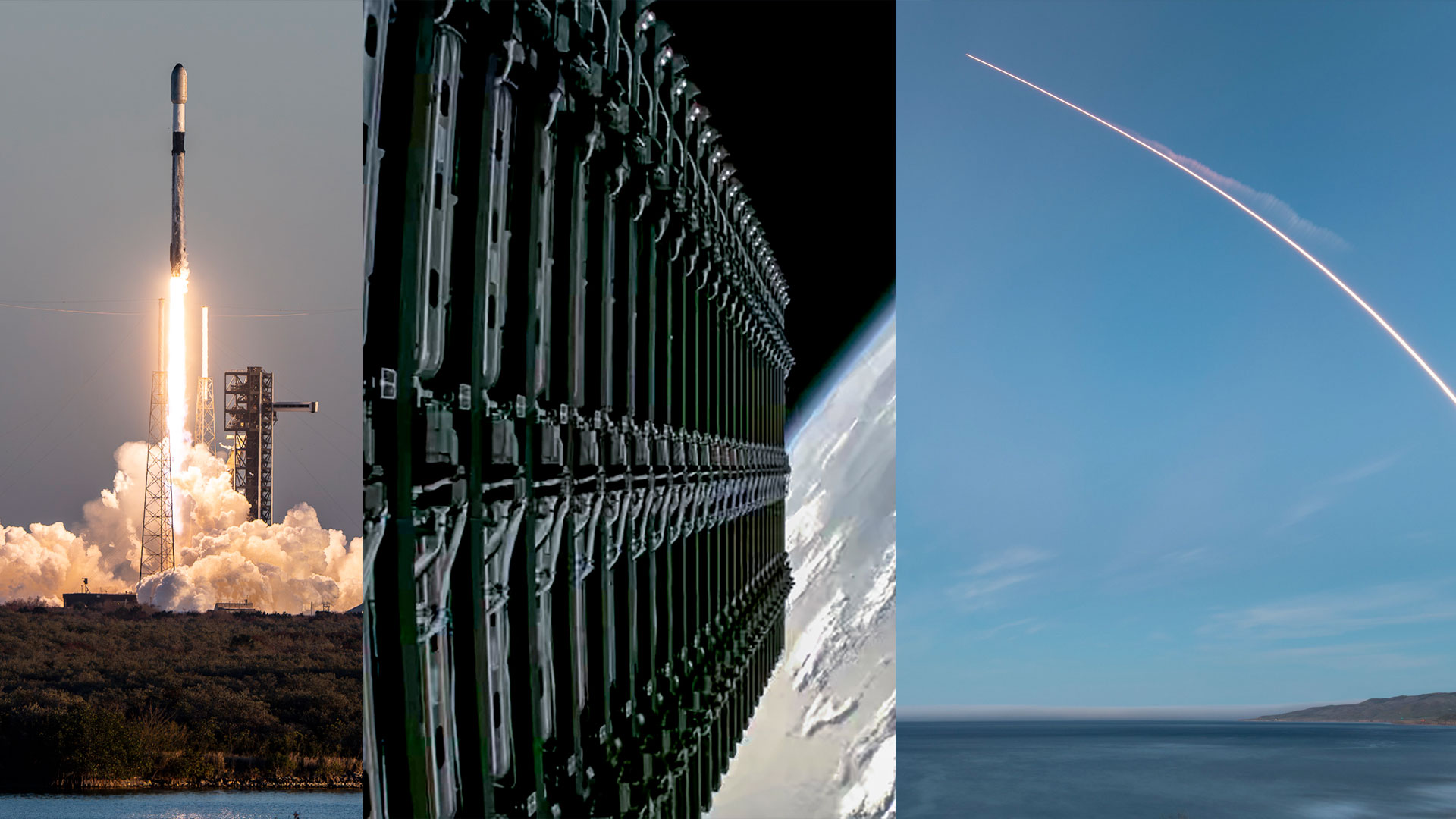
White House Releases Space Nuclear Initiative
White House Office of Science and Technology Policy launched the National Initiative for American Space Nuclear Power to advance space nuclear power and propulsion technologies. This initiative aims to enhance U.S. capabilities in space exploration and energy generation, reflecting a renewed focus on nuclear solutions for future missions. The initiative builds on historical efforts in this domain.
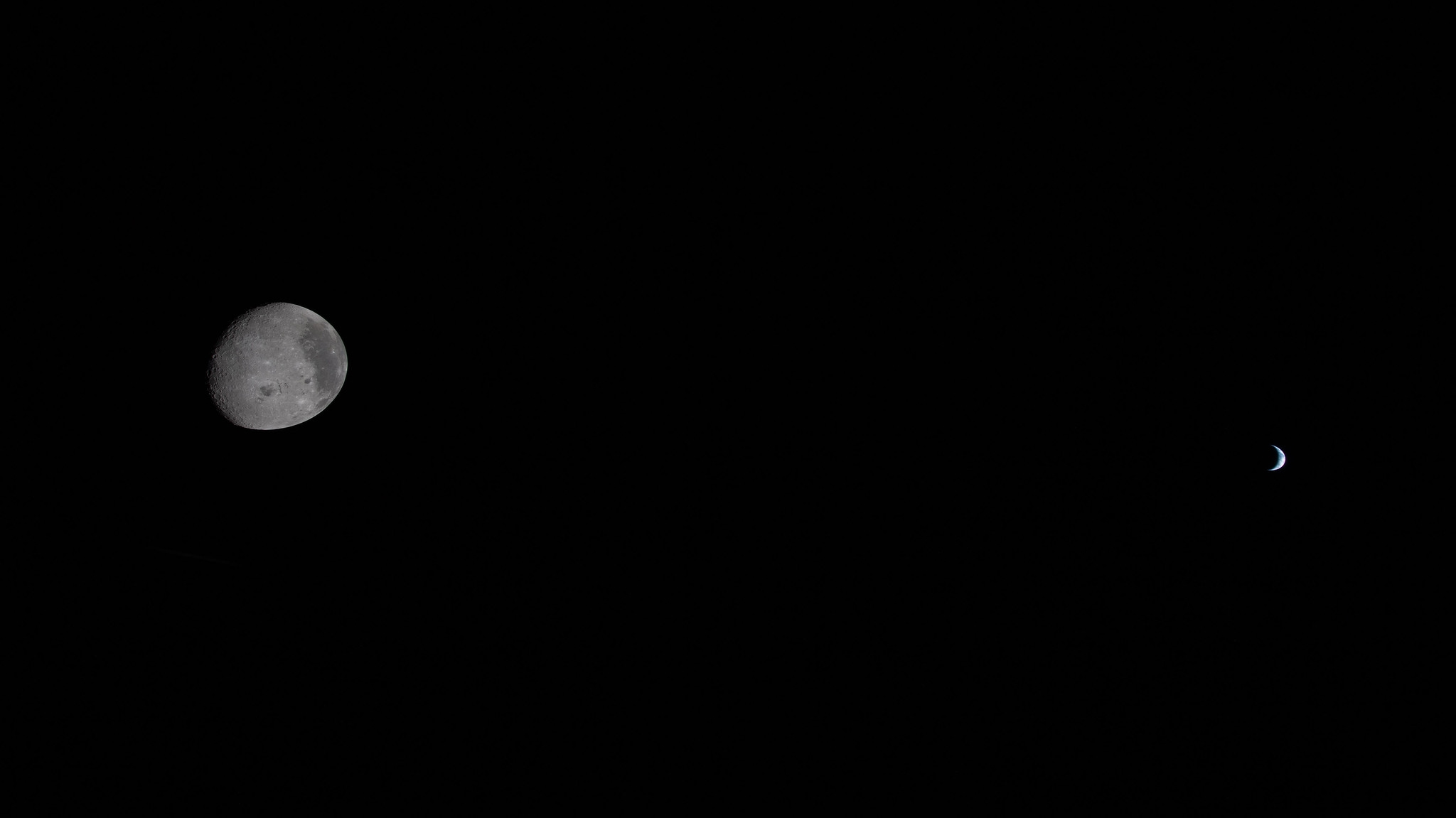
NASA managers outline Artemis 2 reentry and address propulsion issue ahead of splashdown
NASA mission managers confirmed the Artemis 2 Orion spacecraft's thermal protection system is ready for reentry, ensuring safe splashdown for the four-person crew. They detailed the reentry sequence and addressed propulsion issues, emphasizing confidence in the spacecraft's performance. This briefing precedes the critical final phase of the mission, highlighting operational readiness for Earth return.

Graphene and lasers for space propulsion
ESA’s 86th parabolic flight campaign in May 2025 featured an international research team testing ultralight graphene aerogels. Continuous laser exposure during microgravity phases caused the samples to propel forward instantly, demonstrating light propulsion potential. Results indicate that stronger lasers yield greater acceleration, unlocking possibilities for steering solar sails and adjusting satellite positions in space.

Graphene and lasers for space propulsion
ESA's recent experiment demonstrated that graphene aerogels can be propelled by lasers in microgravity, achieving rapid accelerations. Conducted during the 86th parabolic flight campaign in May 2025, the study showed that stronger laser beams increase acceleration. This research opens pathways for future solar sail propulsion and attitude control in small satellites, potentially revolutionizing space propulsion technologies.

Rocketroll: nuclear-electric spacecraft study
Rocketroll's nuclear-electric spacecraft study explores advanced propulsion concepts for future missions. The study focuses on the integration of nuclear power systems with electric propulsion technologies, aiming to enhance mission efficiency and reduce travel times. Key technical challenges include thermal management and power conversion efficiency, which are critical for successful deployment in deep-space environments.