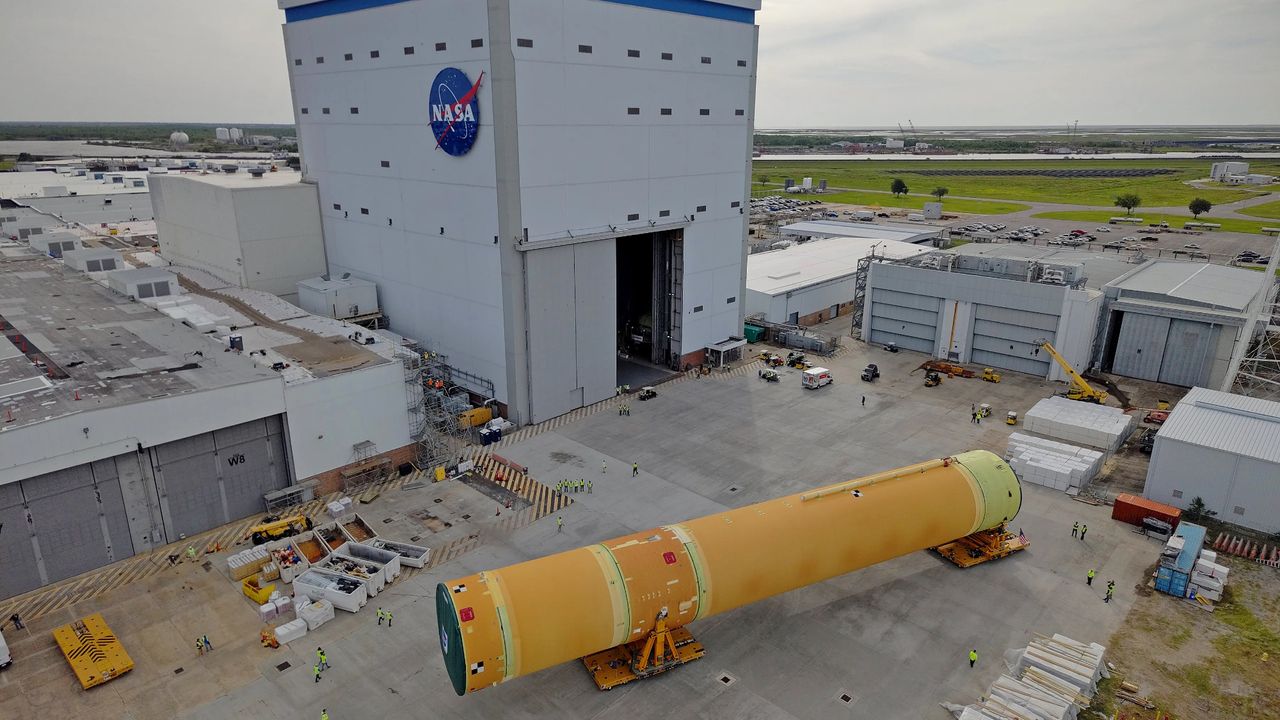
NASA rolls out Artemis 3 SLS rocket's huge core stage to gear up for 2027 launch (photo)
NASA rolled out the core stage of the Space Launch System (SLS) rocket for the Artemis 3 mission on April 20, 2026, from Michoud Assembly Facility to the Pegasus barge. This milestone advances preparations for the targeted mid-2027 launch, which will involve testing rendezvous operations with Orion and private lunar landers, including SpaceX's Starship and Blue Origin's Blue Moon.
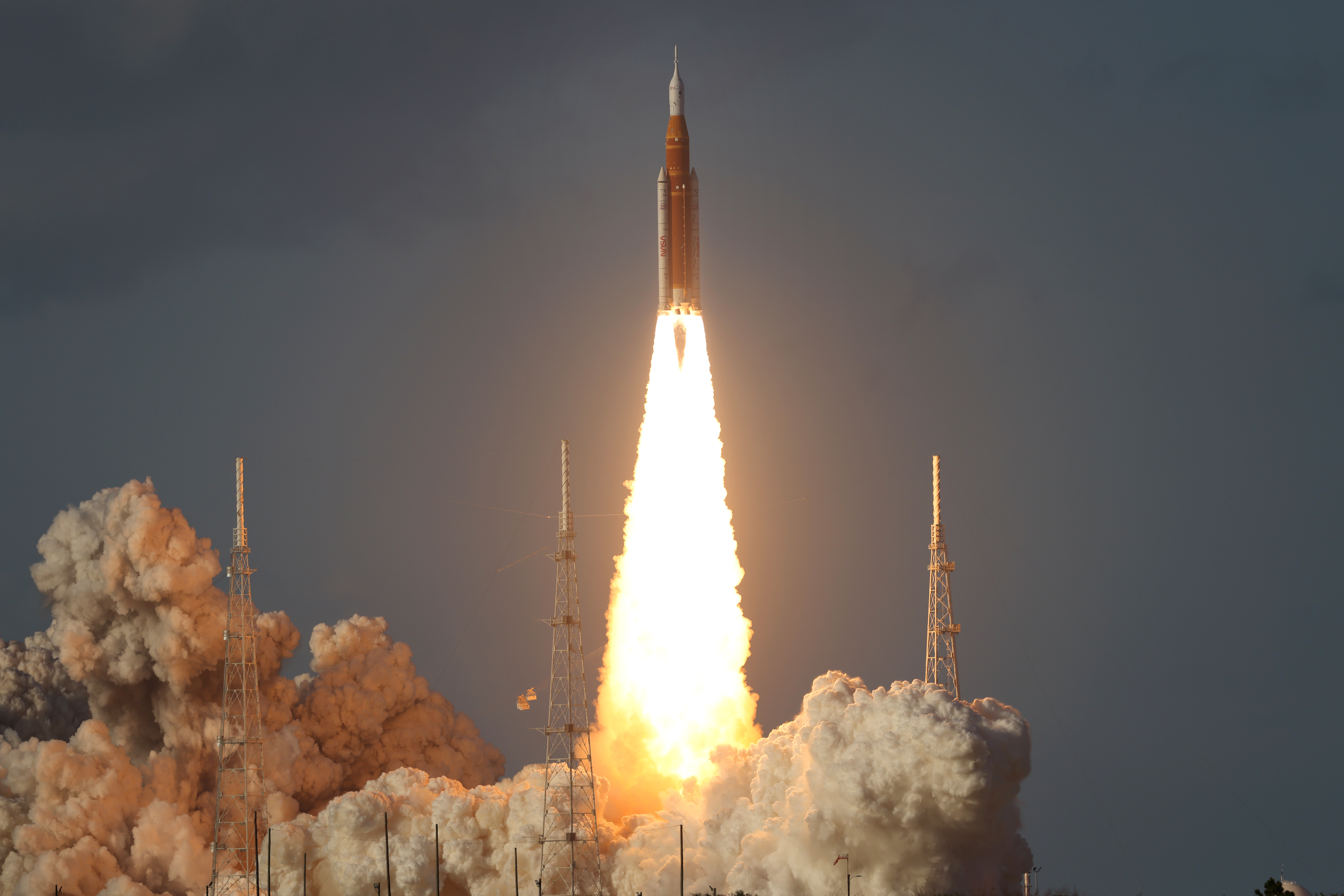
NASA on Track for Future Missions with Initial Artemis II Assessments
NASA's Orion spacecraft successfully completed its Artemis II mission, splashing down on April 10, 2026, after a 694,481-mile journey. Engineers are analyzing performance data from the SLS rocket and launch systems. Initial assessments indicate the heat shield performed well, with reduced char loss compared to Artemis I, and the crew module will undergo further inspections at Kennedy Space Center.
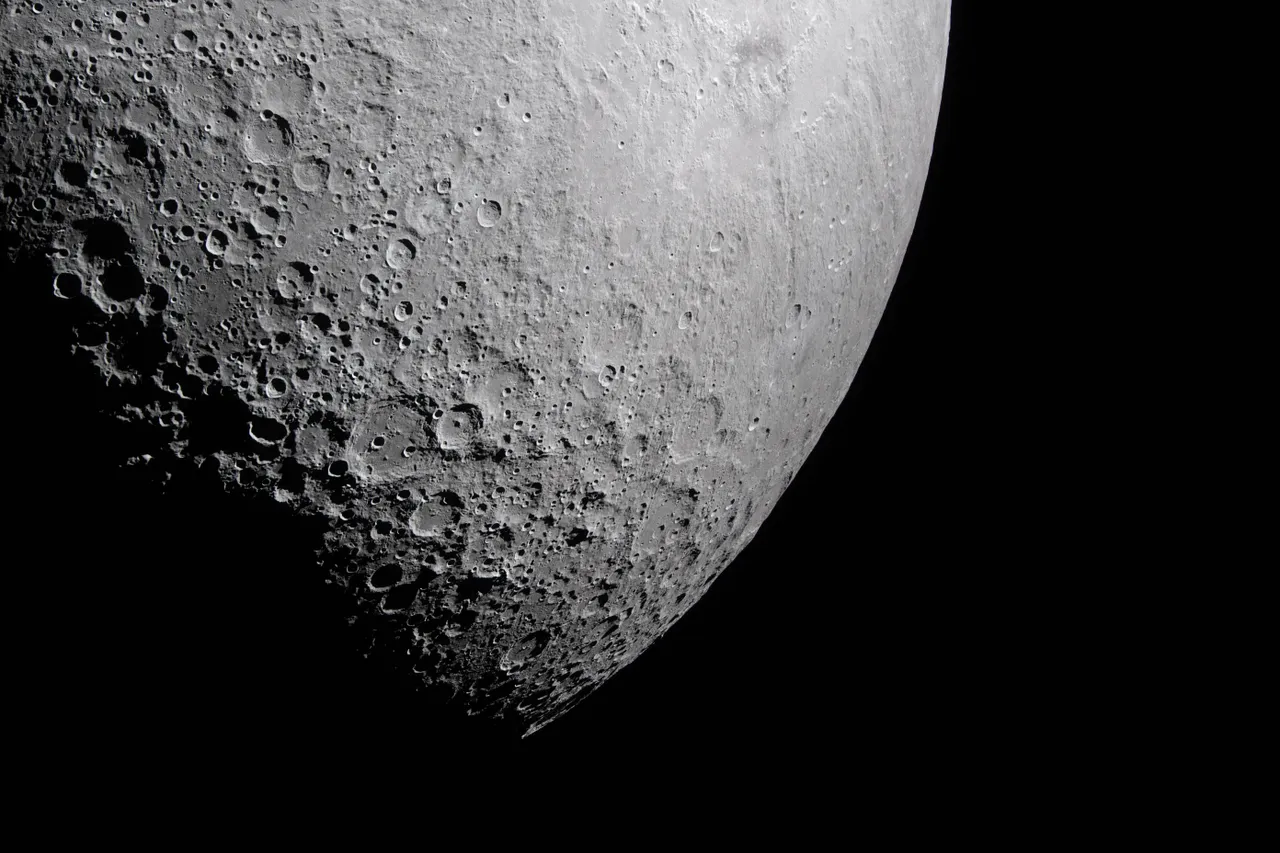
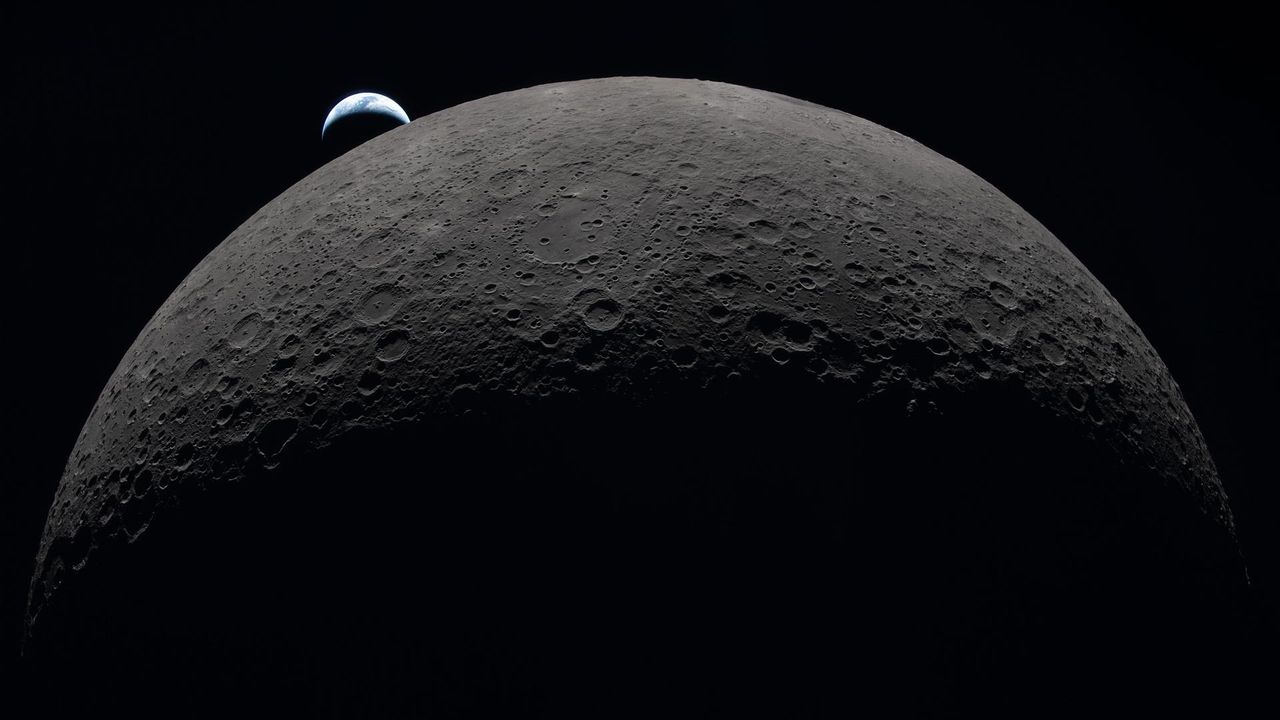
A peek at the far side of the moon | Space photo of the day for April 20, 2026
NASA's Artemis 2 mission captured a stunning image of the moon's far side on April 6, 2026. The Orion spacecraft, carrying four astronauts, flew 252,756 miles from Earth, marking humanity's farthest journey from home. This mission is the first crewed lunar flight since Apollo 17 in 1972, showcasing the moon's hidden side during a 40-minute communication blackout.
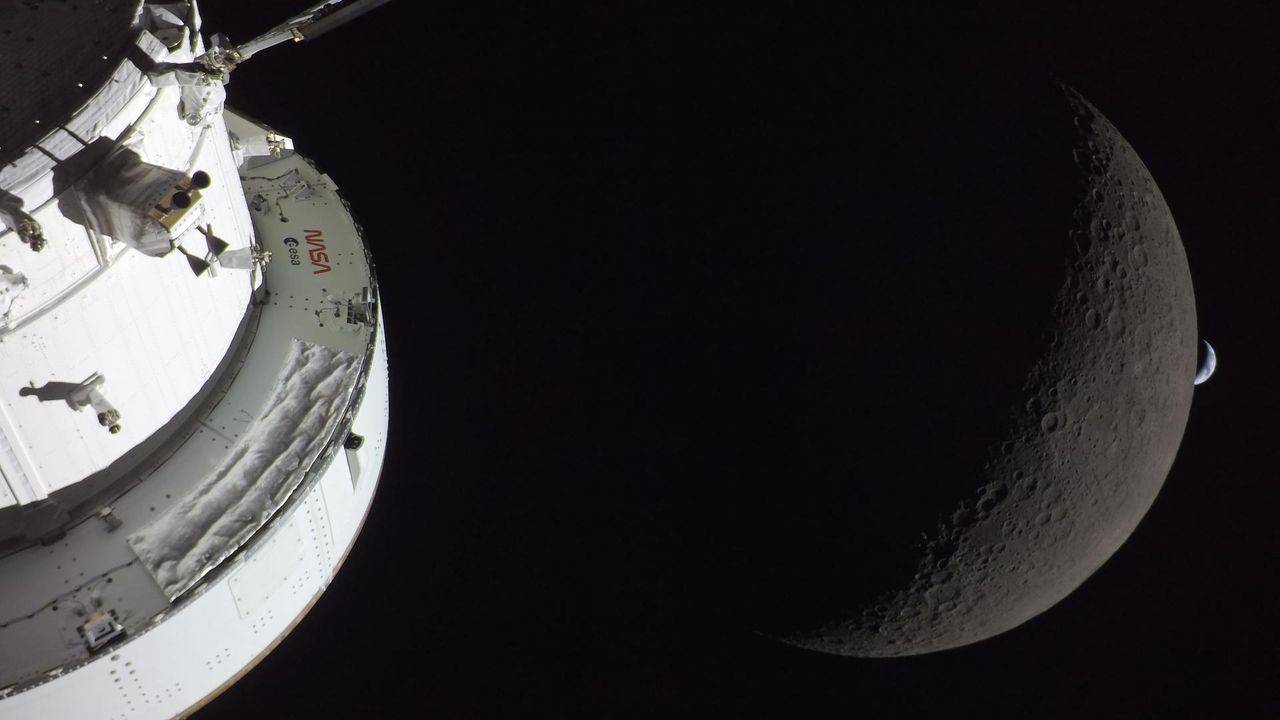
Artemis 2 and Tiangong space station astronauts set record for farthest distance between humans
Artemis 2 astronauts aboard the Orion spacecraft achieved a record distance of 260,754 miles (419,643 km) from the Tiangong space station on April 6, 2026. This surpassed the previous record set during the Apollo 13 mission. Astrophysicist Jonathan McDowell calculated these distances, marking a significant milestone in human space exploration and the spread of civilization beyond Earth.
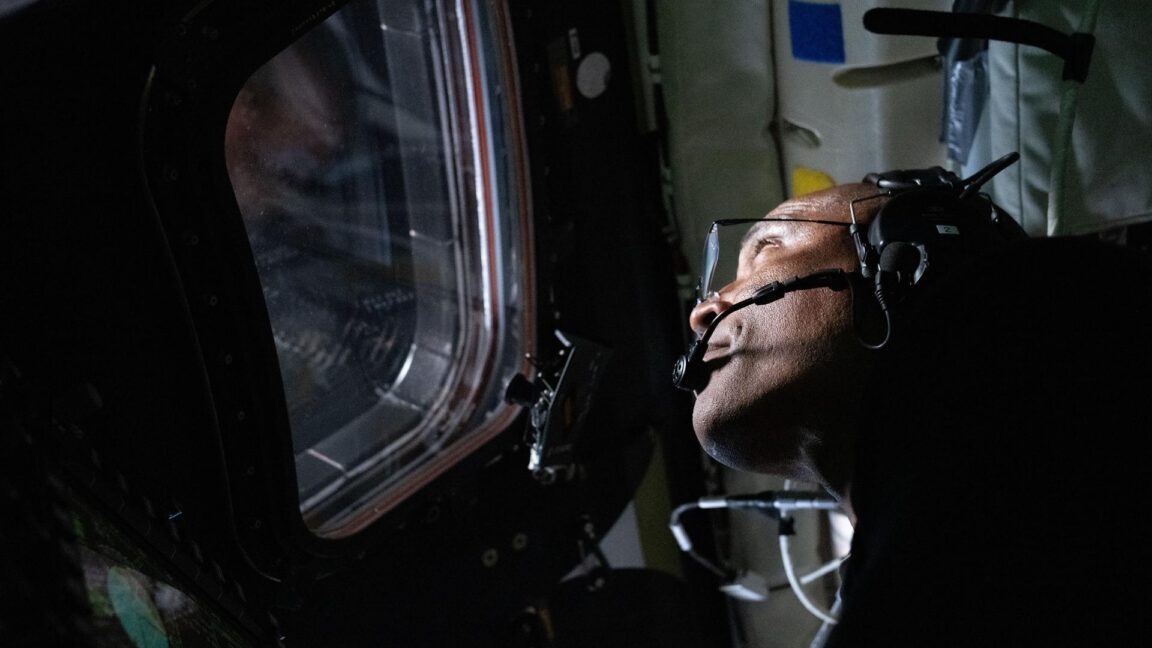
Artemis II pilot talks about what it was really like to fly and land in Orion
Victor Glover discussed his experience piloting Orion during the Artemis II mission, emphasizing the spacecraft's superior handling compared to simulations. Glover highlighted the importance of test piloting for future missions, noting that successful rendezvous and docking operations will be crucial for Artemis III and IV. He expressed confidence in the spacecraft's capabilities and the teams behind its development.
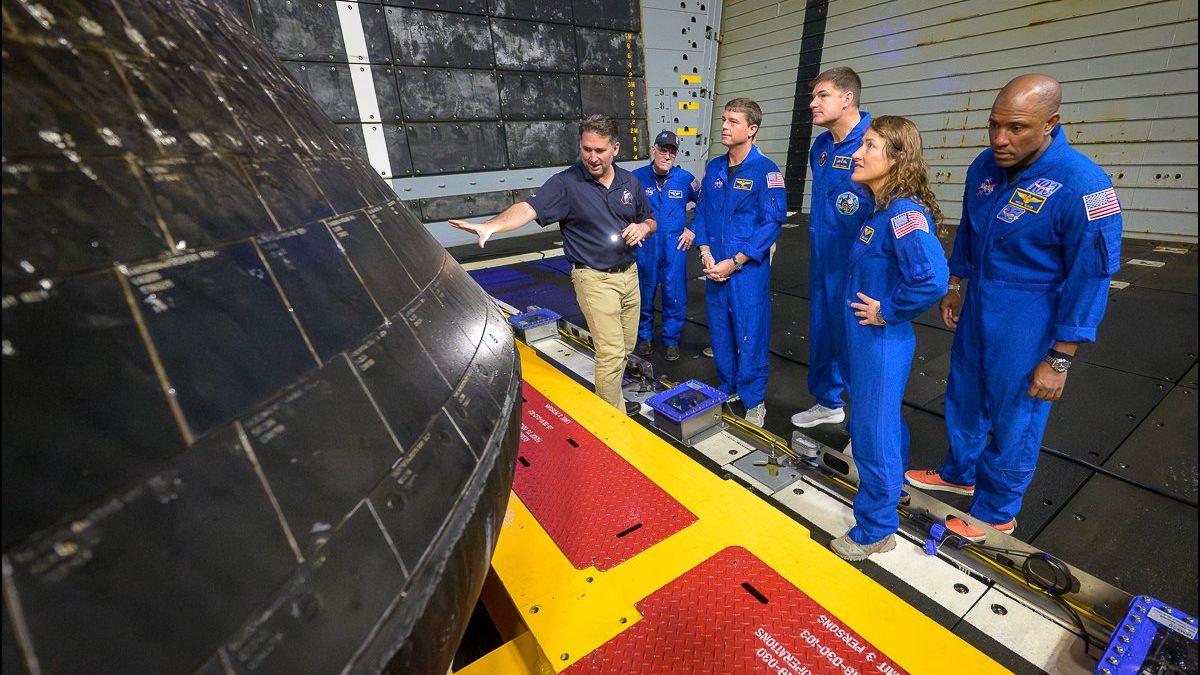
Artemis 2's heat shield seems to have aced its trial by fire
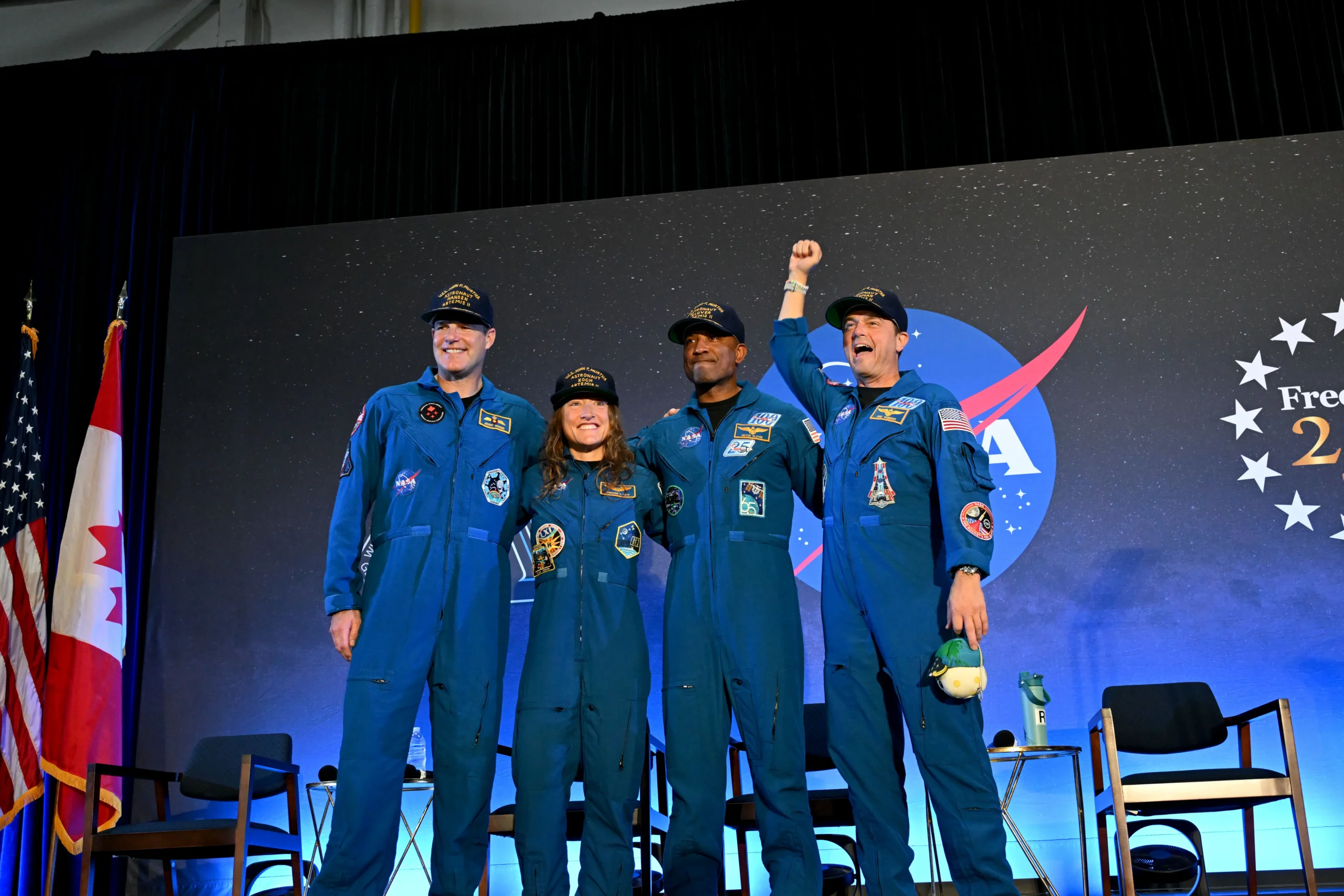
Artemis II astronauts praise Orion capsule, reflect on mission impact
NASA’s Artemis II crew praised the Orion capsule's performance post-mission, highlighting its smooth reentry and minor technical issues. Commander Reid Wiseman noted the capsule's readiness for Artemis III. The nine-day mission marked NASA's first crewed lunar flight since Apollo 17, with astronauts reflecting on its positive public impact during a press conference at NASA Johnson.
Landing astronauts on the moon 'is absolutely doable, and it's doable soon,' NASA's Artemis 2 commander says
NASA's Artemis 2 mission successfully demonstrated the Orion spacecraft's life support systems, completing a 10-day journey around the moon. Astronauts Reid Wiseman, Victor Glover, Christina Koch, and Jeremy Hansen reported positive performance, indicating readiness for future missions. The next mission, Artemis 3, is set for mid-2027, with potential lunar landings planned for 2028.
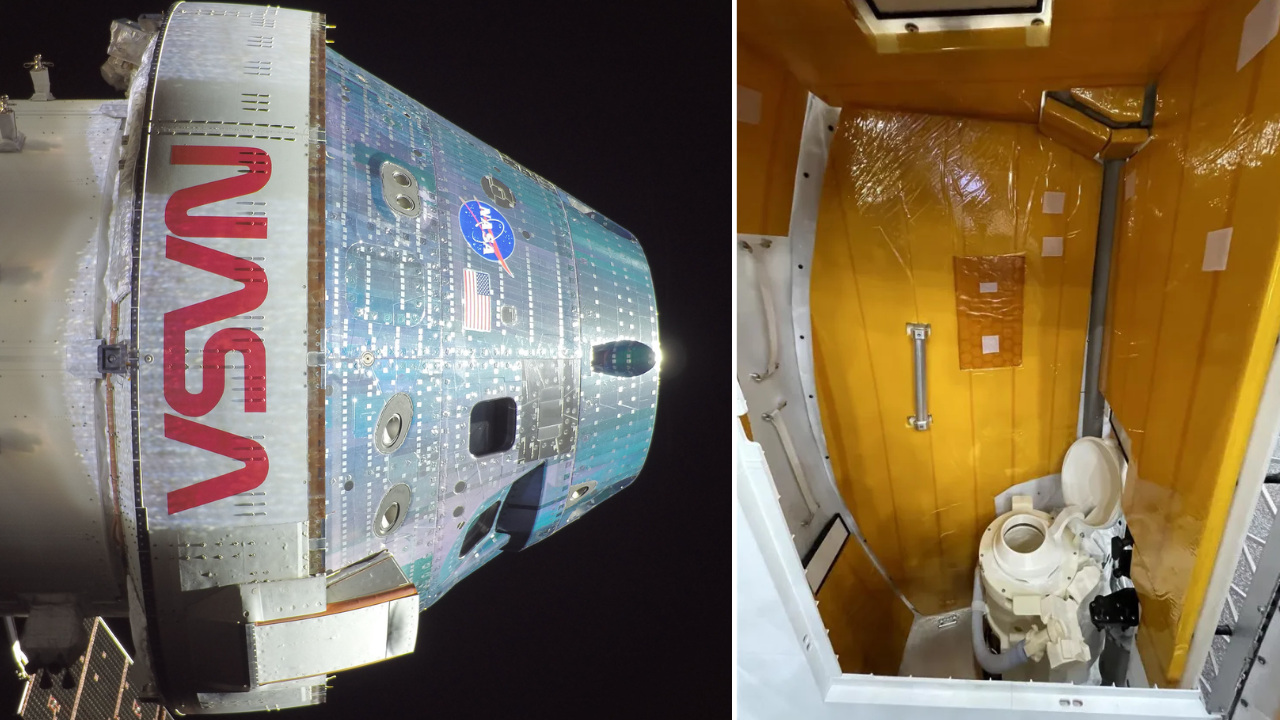
'That was a wonderful toilet': Artemis 2 commander defends mission's lunar loo
Artemis 2 commander Reid Wiseman defended the mission's space toilet, stating it functioned well despite some clogging issues. The toilet, a compact version from the International Space Station, faced vent line blockages during the mission. Wiseman praised the engineering team, emphasizing the toilet's advancements over previous lunar missions, where astronauts relied on handheld bags for waste disposal.
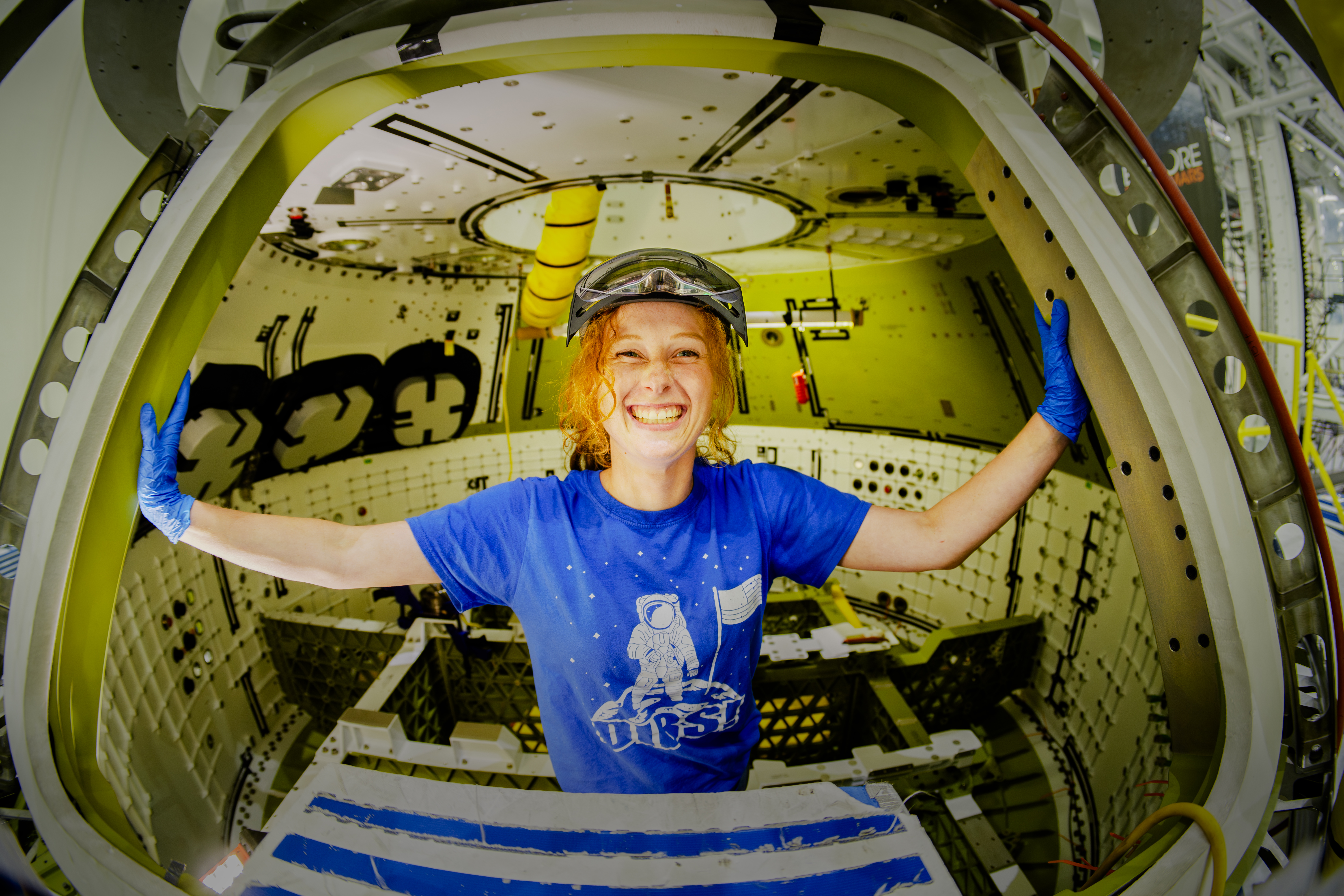
I Am Artemis: Rebekah Tolatovicz
Rebekah Tolatovicz, a mechanical technician lead for Lockheed Martin, plays a crucial role in building and testing the Orion spacecraft at NASA's Kennedy Space Center. Her work supports the Artemis program, including the recent Artemis II mission. Tolatovicz emphasizes the importance of every task, mentoring newcomers and contributing to NASA's historic lunar exploration efforts.
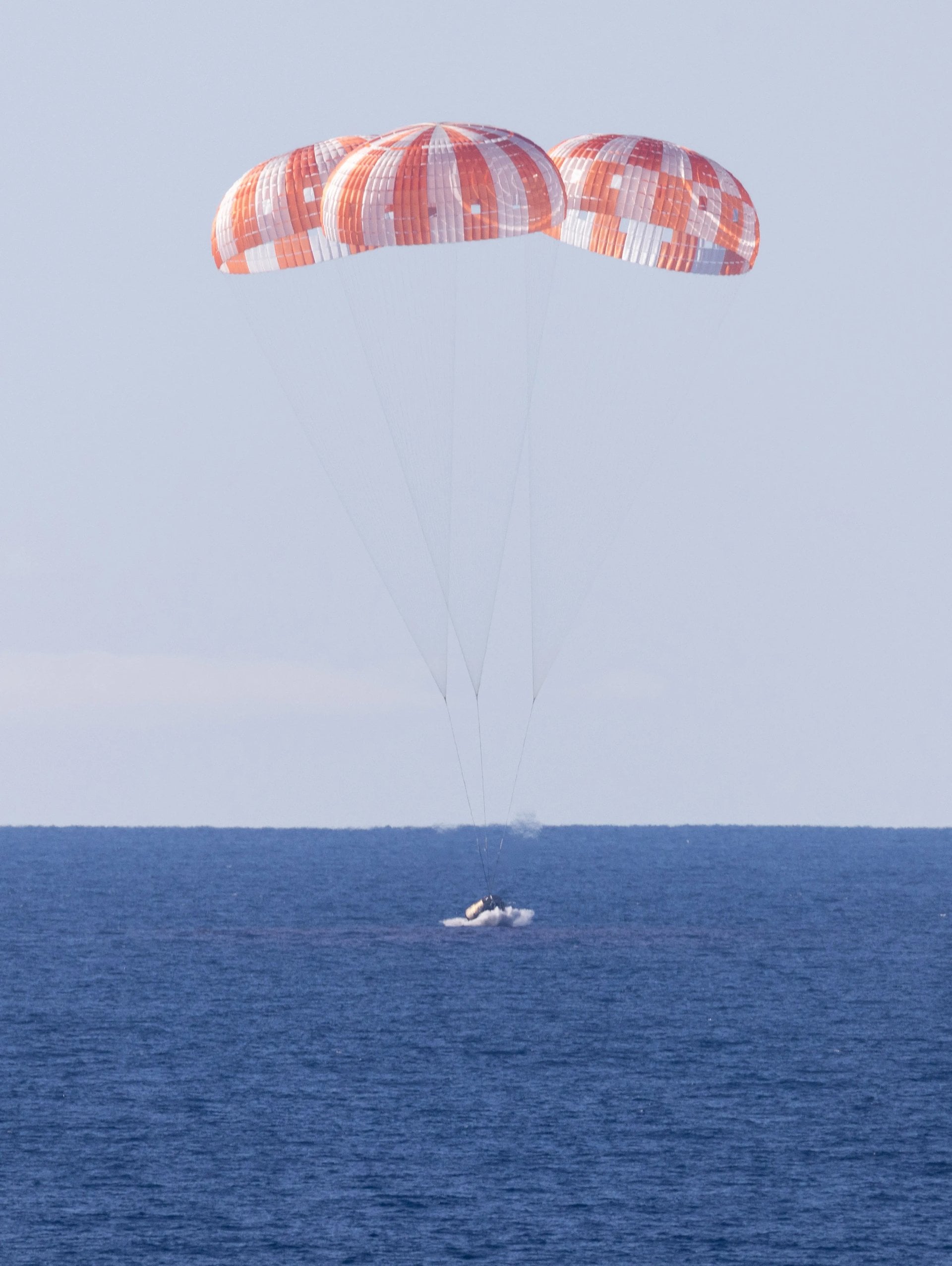
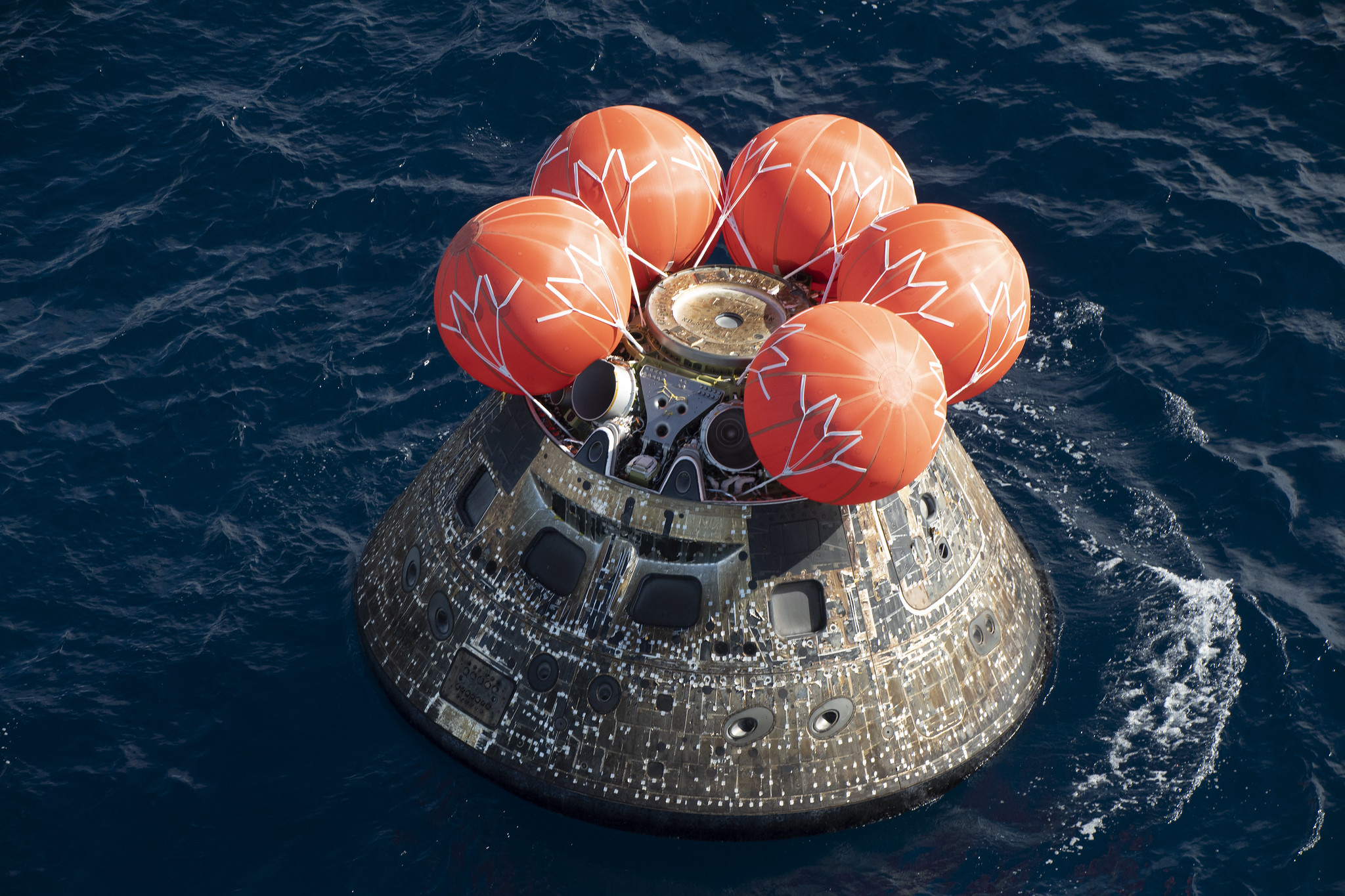
The World Welcomes the Crew of Artemis II Home!
NASA's Artemis II mission successfully splashed down on April 10, 2026, at 5:07 p.m. PDT, marking the return of the first astronauts to the Moon in over fifty years. The Orion capsule traveled 1,117,660 km, setting a record for crewed spacecraft distance. The crew, including Reid Wiseman, Victor Glover, Christina Koch, and Jeremy Hansen, is reported healthy post-mission.
Artemis II astronauts gazed at our Moon with joy, curiosity, and reverence. Through finer robotic orbital views, so can you.
Orion spacecraft with Artemis II astronauts returned to Earth on April 10 after a lunar flyby on April 6. The crew, including Christina Koch, Victor Glover, Jeremy Hansen, and Reid Wiseman, experienced peak gravitational loads during reentry. The mission achieved significant milestones, showcasing lunar features like the Orientale basin and numerous crater chains, enhancing lunar exploration understanding.

Ship 39 and Booster 19 Roll out for Static Fire Testing
Artemis program preparations advance as Ship 39 and Booster 19 roll out for static fire testing. This critical phase follows the successful return of the Orion spacecraft, marking a significant milestone in the ongoing development of NASA's lunar exploration efforts. The testing will validate the performance of the integrated systems ahead of future missions.
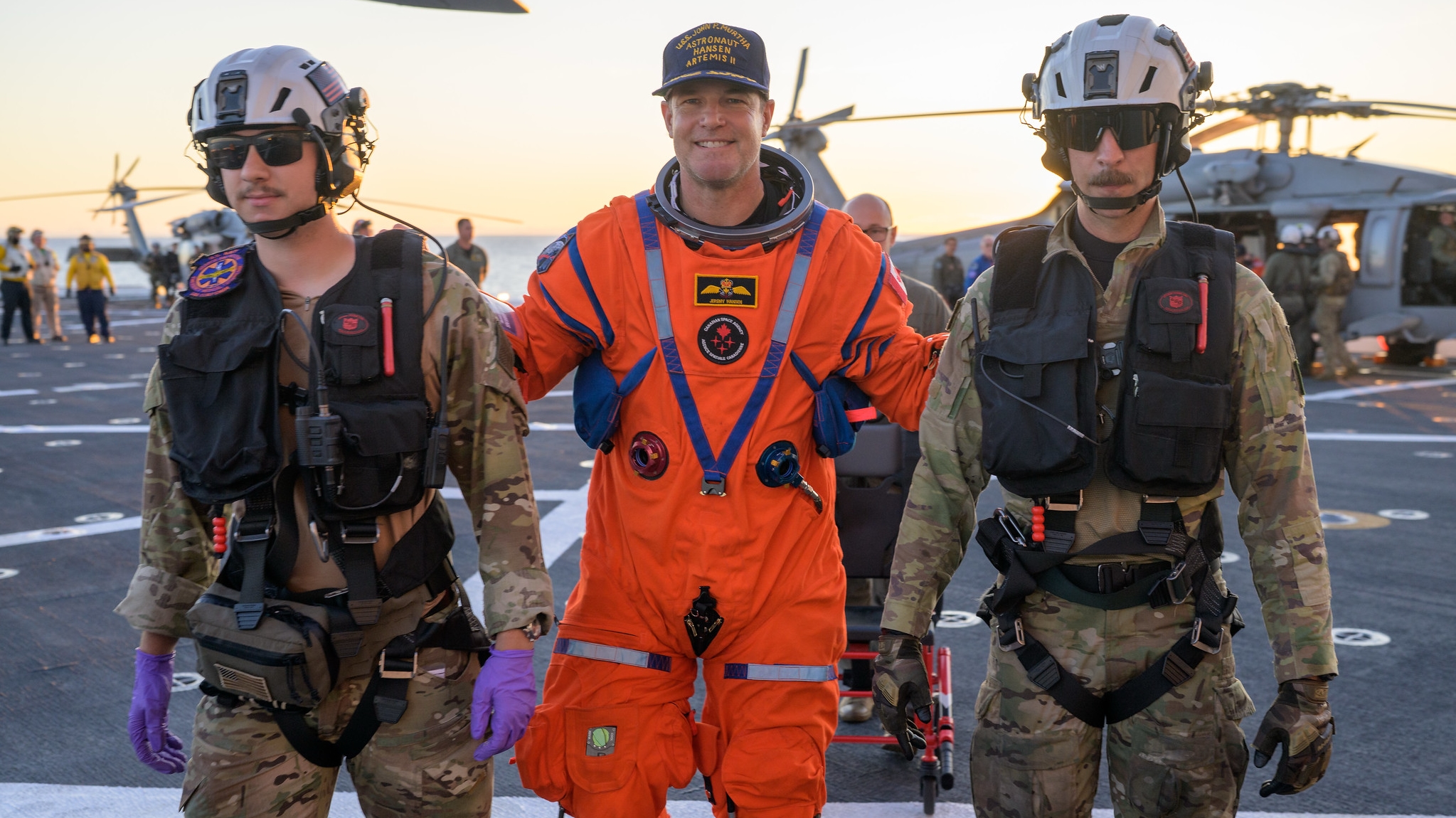
Canada’s historic role in Artemis 2 and NASA managers detail pinpoint reentry
NASA mission managers hailed the Artemis 2 flight test as a success, emphasizing the Orion spacecraft's precision during reentry. They acknowledged the contributions of the international workforce involved in its development. This mission marks a significant milestone for Canada's participation in lunar exploration, showcasing collaborative efforts in advancing space technology and international partnerships.
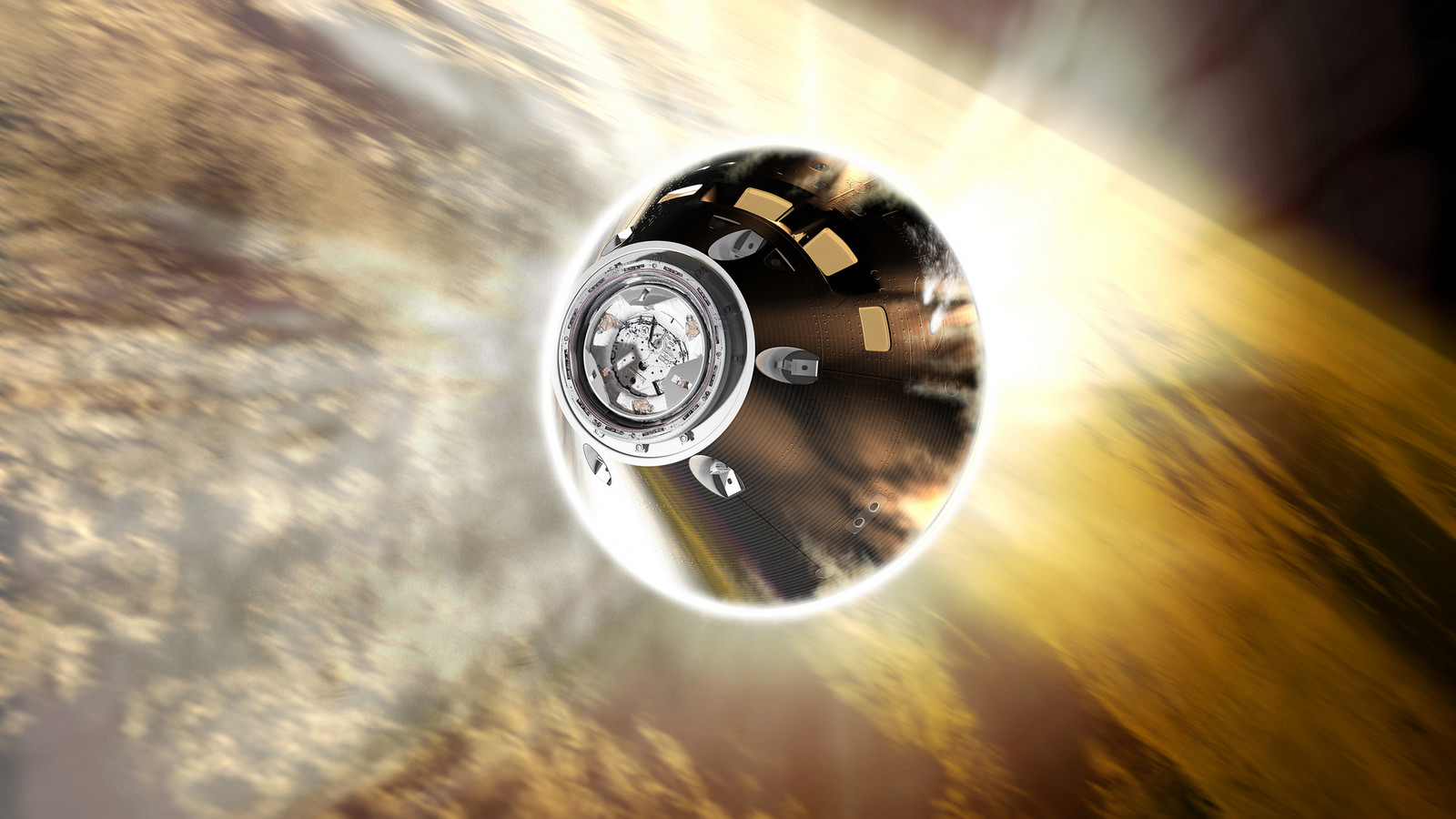
Artemis II Day 10: Orion Returns to Earth, Completing First Crewed Lunar Mission in Over 50 Years
NASA's Artemis II mission concluded on 10 April as the Orion spacecraft successfully returned its crew to Earth, marking the first human mission to the vicinity of the Moon since 1972. This milestone signifies a pivotal moment in NASA's strategy for deep space exploration and paves the way for future lunar and Martian endeavors in the Artemis program.
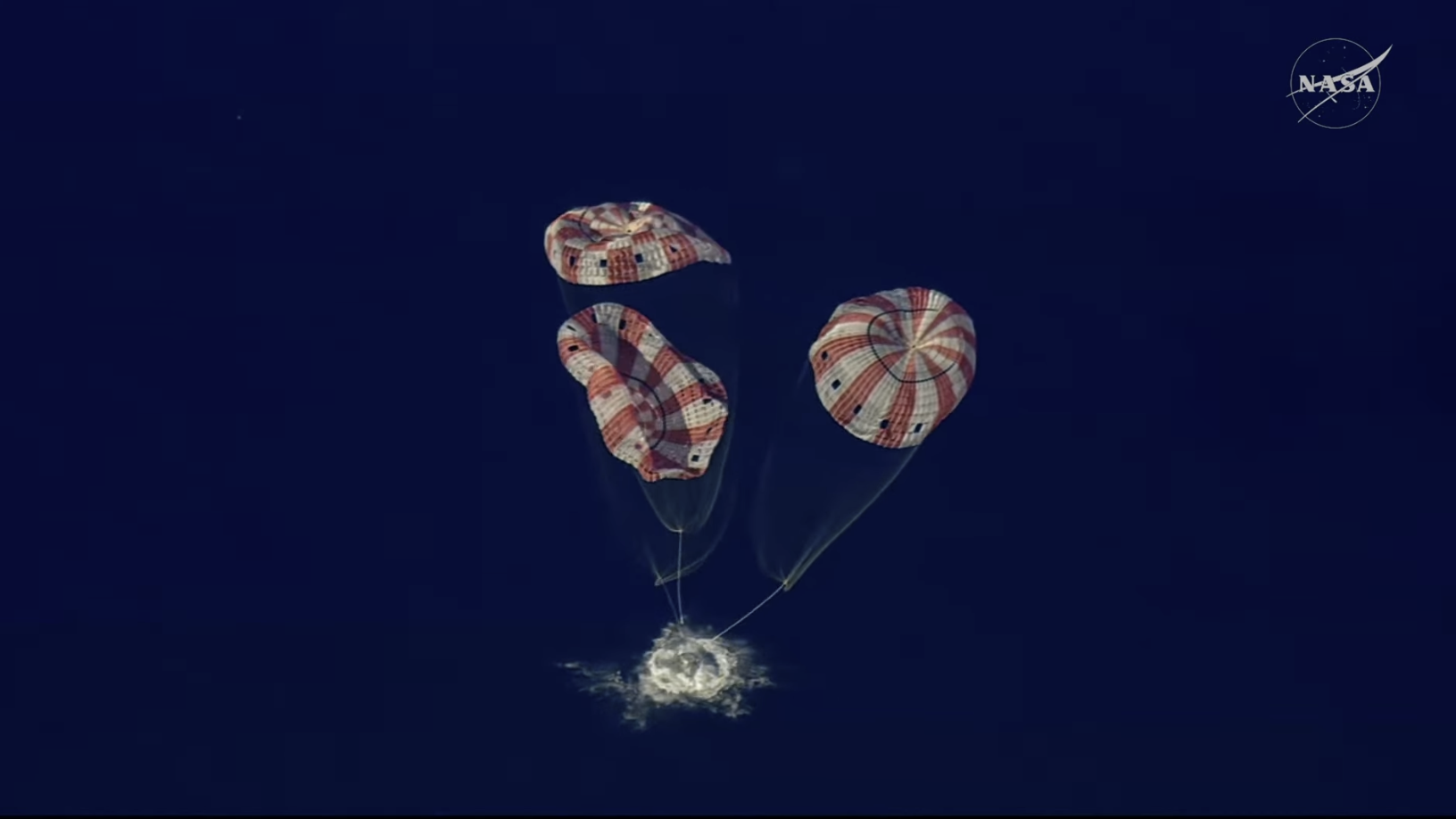
Artemis 2 “is back on Earth”
Artemis 2 crew successfully returned to Earth following a planned splashdown of the Orion capsule. This event marks a significant milestone for NASA in its lunar exploration program, demonstrating the capsule's capabilities and operational readiness for future missions. The mission's execution aligns with NASA's objectives for crewed lunar exploration and deep space missions.
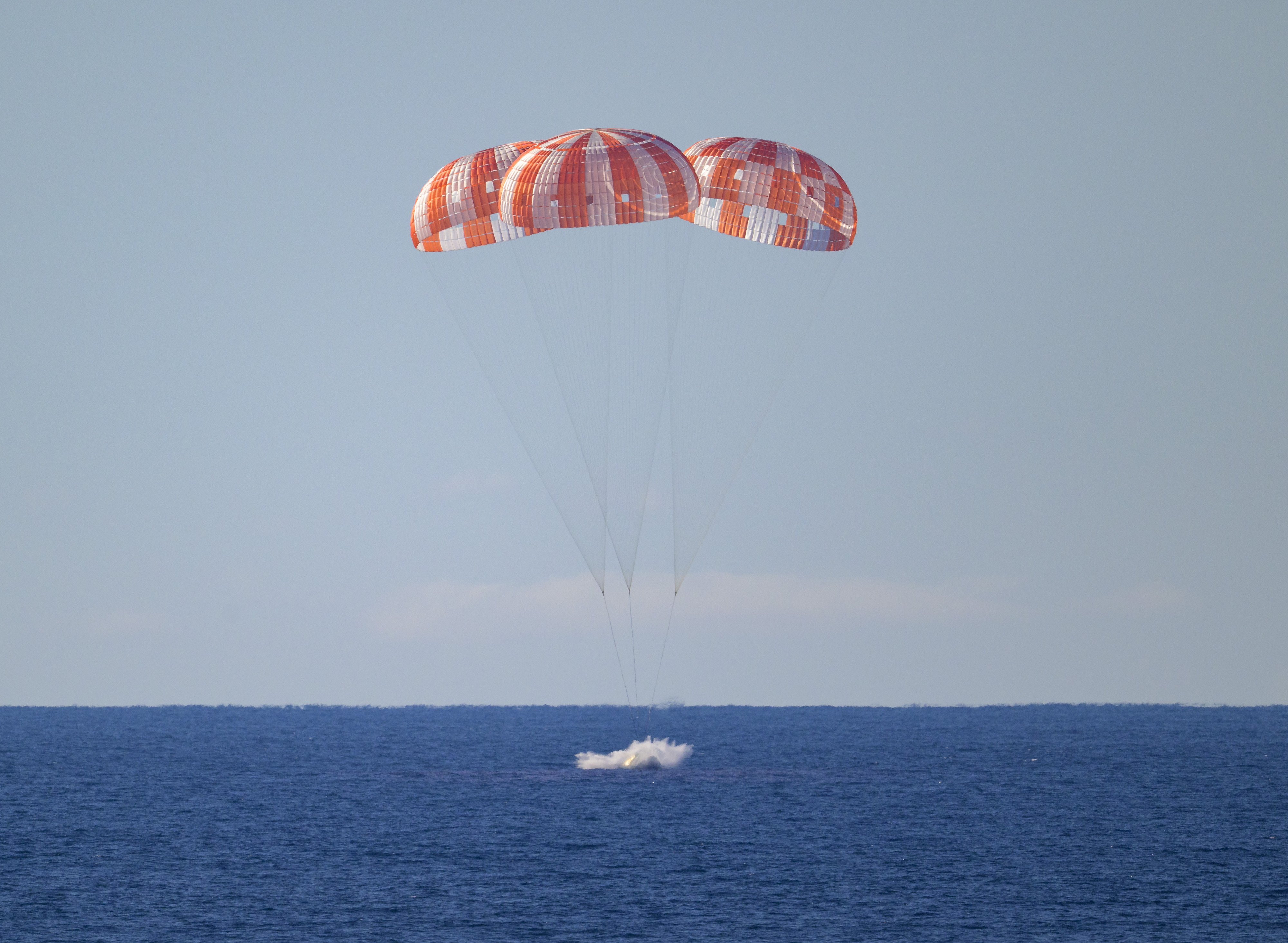
Artemis II Flight Day 10: Live Re-Entry Updates
NASA's Orion spacecraft successfully splashed down in the Pacific Ocean at 8:07 p.m. EDT on April 10, 2026, concluding the Artemis II mission with astronauts Reid Wiseman, Victor Glover, Christina Koch, and Jeremy Hansen aboard. Recovery teams are now transporting the crew to USS John P. Murtha for medical evaluations before returning to NASA's Johnson Space Center in Houston.
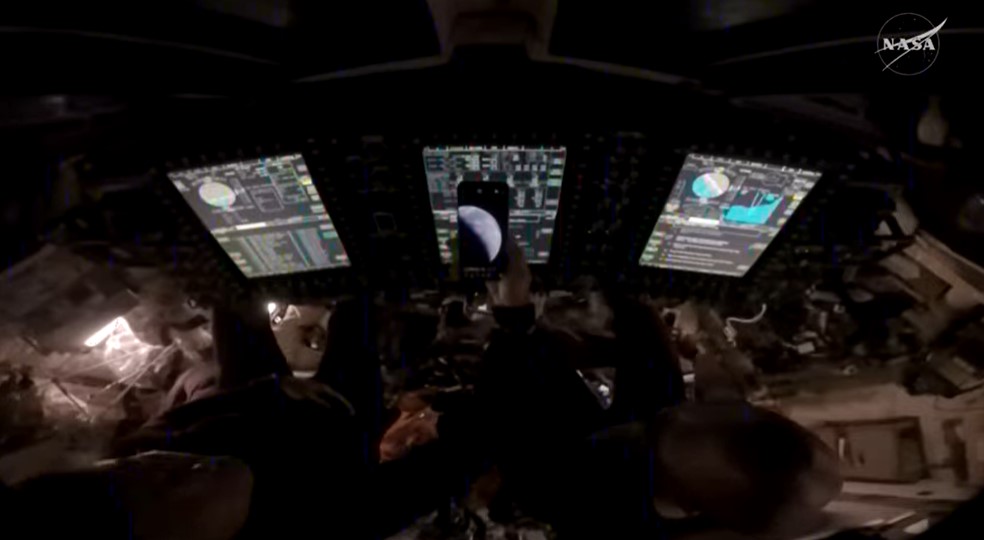
Artemis II Flight Day 10: Crew Completes Final Burn Before Splashdown
NASA astronauts Reid Wiseman and Victor Glover completed a final thruster burn on Orion for 8 seconds, achieving a 4.2 feet-per-second velocity change, guiding Artemis II toward Earth. Splashdown is scheduled for 8:07 p.m. EDT off San Diego, with recovery operations by NASA's team and the Department of War personnel awaiting the crew's return.
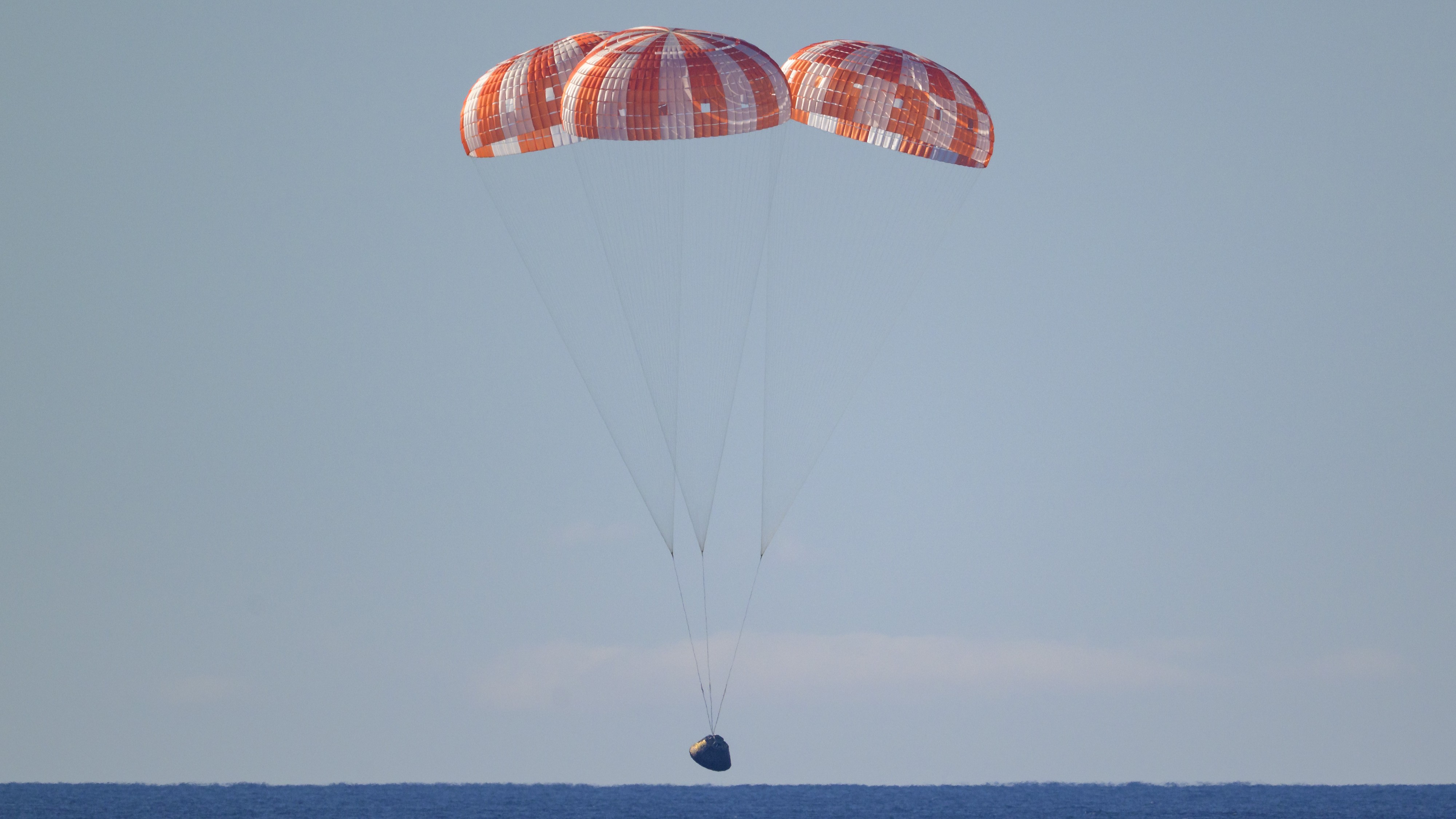
NASA confident Artemis 2 heat shield will protect crew during re-entry
NASA's Artemis 2 Orion crew capsule is expected to re-enter Earth's atmosphere at 24,000 mph from 75 miles above the Pacific Ocean. Engineers express confidence in the heat shield's ability to protect the crew during this critical phase. The mission aims to demonstrate advanced technologies for future lunar exploration and crew safety during high-speed re-entries.

NASA updates final Orion engine burn and spashdown timeline
NASA updated the final Orion engine burn timeline, confirming a targeted splashdown at 8:07 p.m. EDT off the coast of San Diego. This marks a critical phase in the mission, ensuring the spacecraft's safe return after its operational objectives. The engine burn is essential for trajectory adjustments leading to the planned recovery sequence.
Space Symposium 2026 – Morning Show 9th April – Artemis 2 Splashdown Eve – Golden, Colorado Buzz!
Artemis II splashdown is imminent as Torsten Kriening and Yvette Gonzalez broadcast live from Golden, Colorado, previewing Space Symposium 2026. The event features exclusive insights into thermal imaging technologies utilized in orbit and innovations that were part of the Orion spacecraft's mission. Anticipation builds for discussions on advancements in space exploration and technology applications.

Moog’s “Tip to Tail” Contributions to the Artemis II Flight
Moog supplies over 100 hardware components for the Artemis II mission, integrating into the Orion system. Their contributions span the entire vehicle, enhancing performance and reliability. This extensive involvement underscores Moog's critical role in supporting NASA's lunar exploration objectives. The collaboration reflects a commitment to advancing aerospace technology and ensuring mission success through robust engineering solutions.
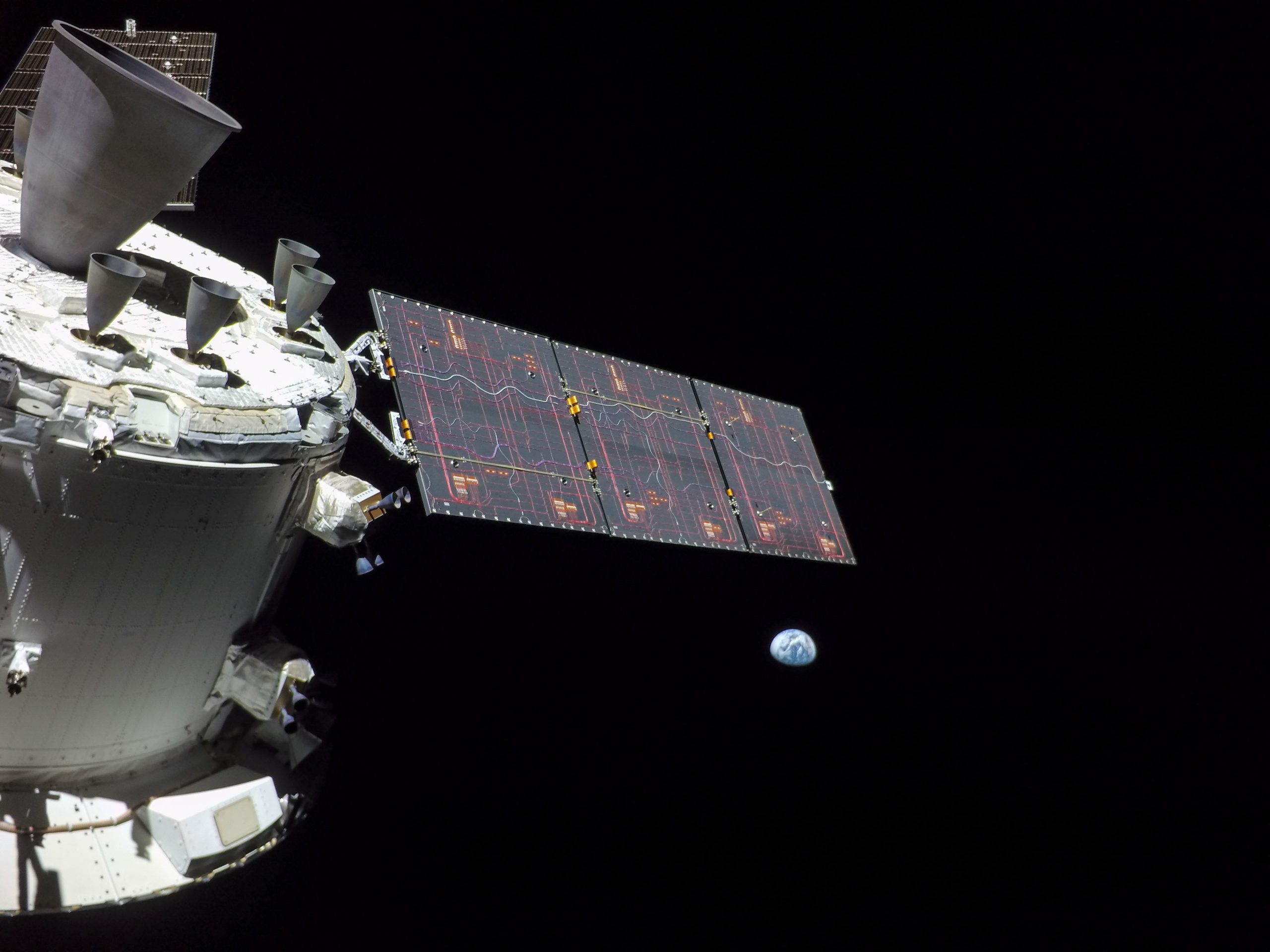
Artemis II Gives Airbus Hope For European Spaceflight
Airbus Defence and Space's European Service Module (ESM) is integral to Artemis II's Orion spacecraft, enhancing European contributions to spaceflight. Built in Bremen, Germany, the ESM signifies a collaborative effort with ESA. This partnership may bolster Airbus's position in the competitive aerospace market, particularly as international missions expand.
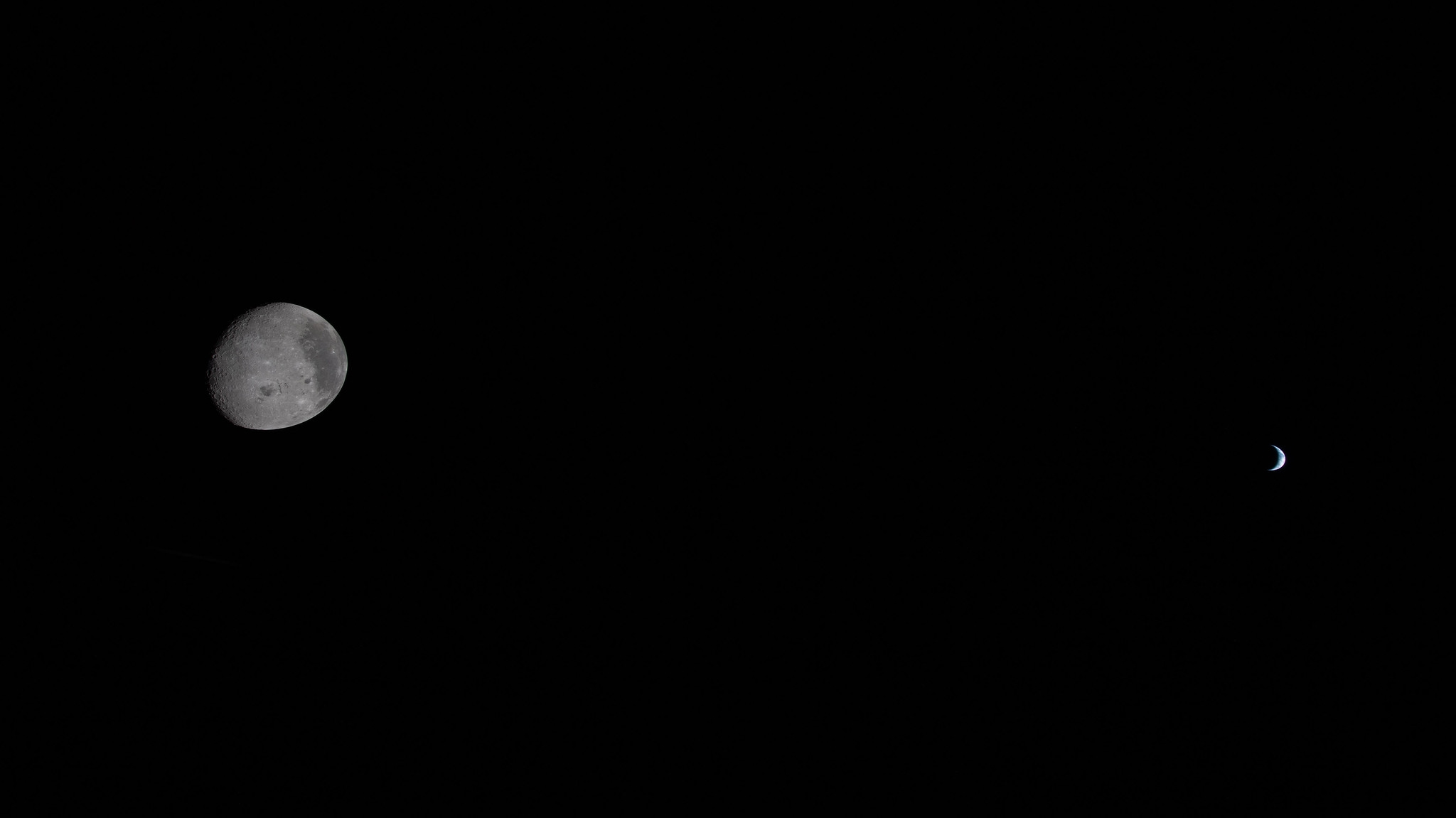
NASA managers outline Artemis 2 reentry and address propulsion issue ahead of splashdown
NASA mission managers confirmed the Artemis 2 Orion spacecraft's thermal protection system is ready for reentry, ensuring safe splashdown for the four-person crew. They detailed the reentry sequence and addressed propulsion issues, emphasizing confidence in the spacecraft's performance. This briefing precedes the critical final phase of the mission, highlighting operational readiness for Earth return.
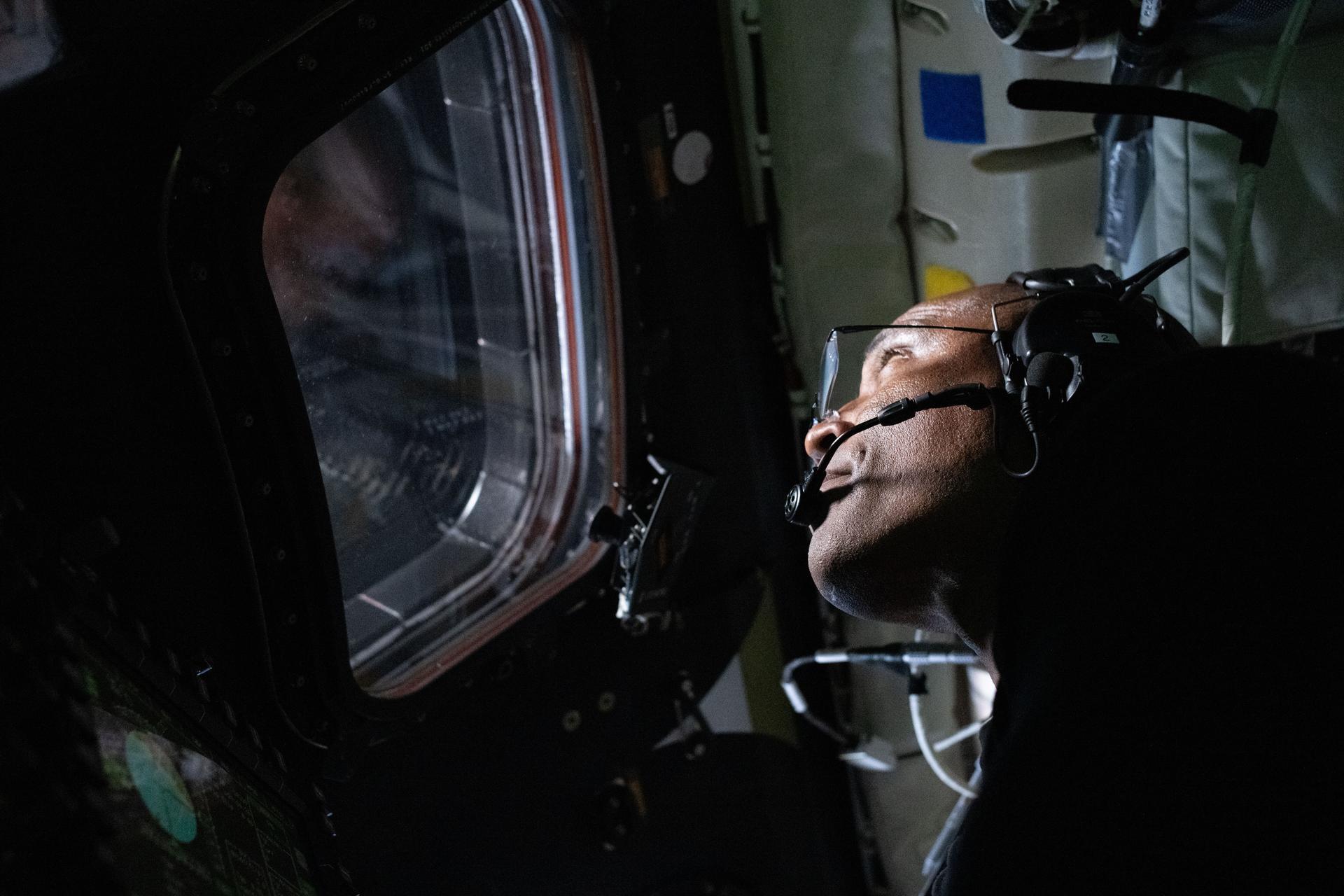
Artemis II Flight Day 9: Second Return Correction Burn Complete
NASA's Orion spacecraft completed its second return correction burn, igniting thrusters for 9 seconds, achieving a velocity change of 5.3 feet-per-second. Victor Glover and crew captured data during their lunar flyby, coming within 4,067 miles of the Moon. The next trajectory burn is scheduled for April 10, targeting splashdown at 8:07 p.m. off San Diego.
Artemis II Getting Ready For Splashdown Tomorrow
Artemis II's crew is preparing the Orion capsule for reentry, scheduled for splashdown off San Diego at 8:07 pm ET. NASA Associate Administrator Amit is overseeing final configurations to ensure a safe return. This mission marks a significant milestone in lunar exploration, demonstrating capabilities for future crewed missions to the Moon and beyond.
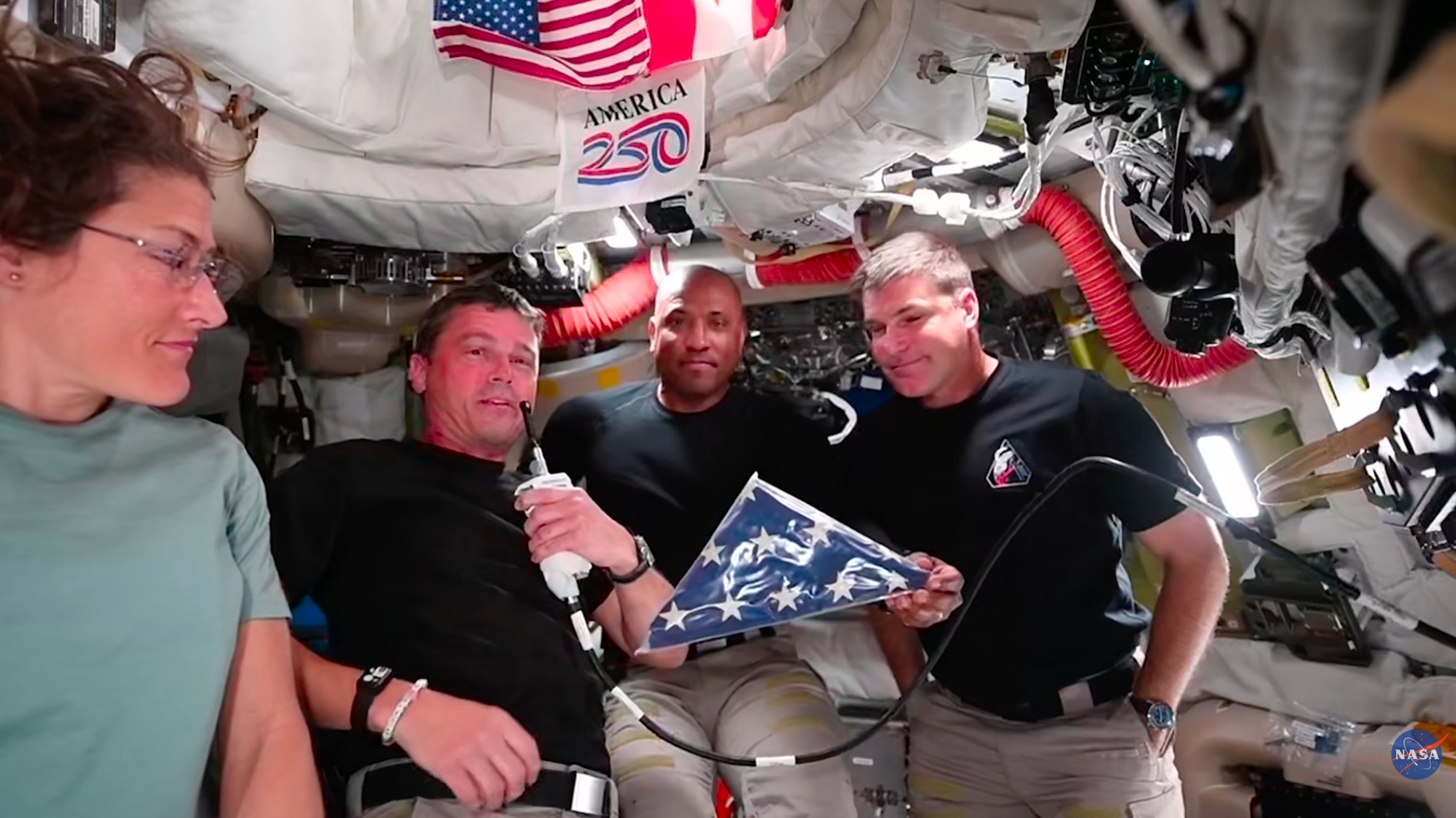
Video: Artemis 2 flight day 8 highlights – Orion crew packs up and unveils Apollo 18 flag
Artemis 2 crew on Orion spacecraft prepared for Friday's Pacific Ocean splashdown, marking Flight Day 8. The team shifted focus from lunar operations to final preparations, including packing up equipment and unveiling the Apollo 18 flag. This mission continues to demonstrate NASA's commitment to deep space exploration and crewed lunar missions, enhancing operational readiness for future endeavors.
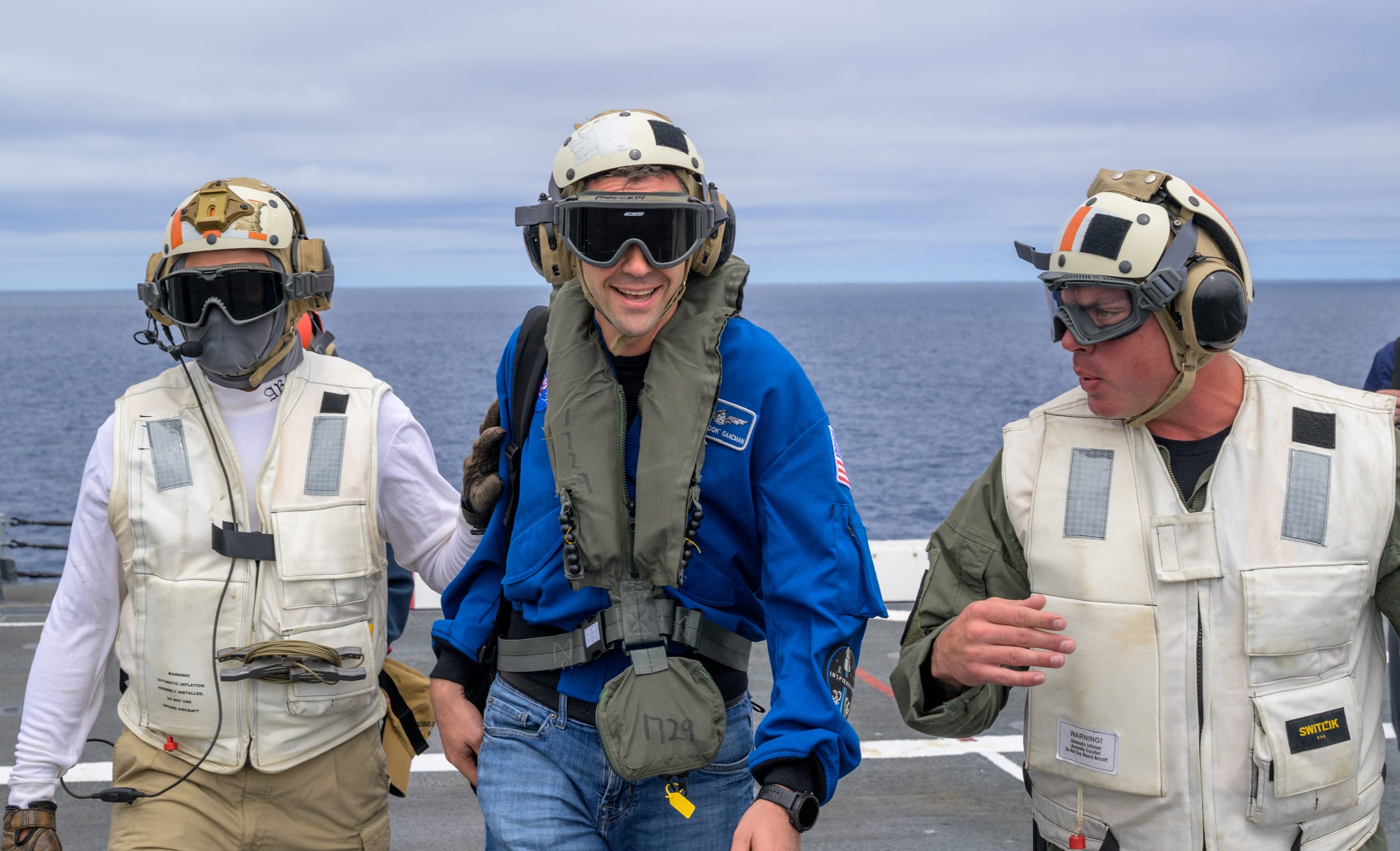
Artemis II Less Than Two Days from Home
The Artemis II crew conducted tests on the Orion capsule in preparation for splashdown in the Pacific Ocean, scheduled within two days. The ongoing evaluations are crucial for ensuring mission success and crew safety during re-entry. This phase emphasizes the importance of rigorous testing protocols in crewed spaceflight operations.
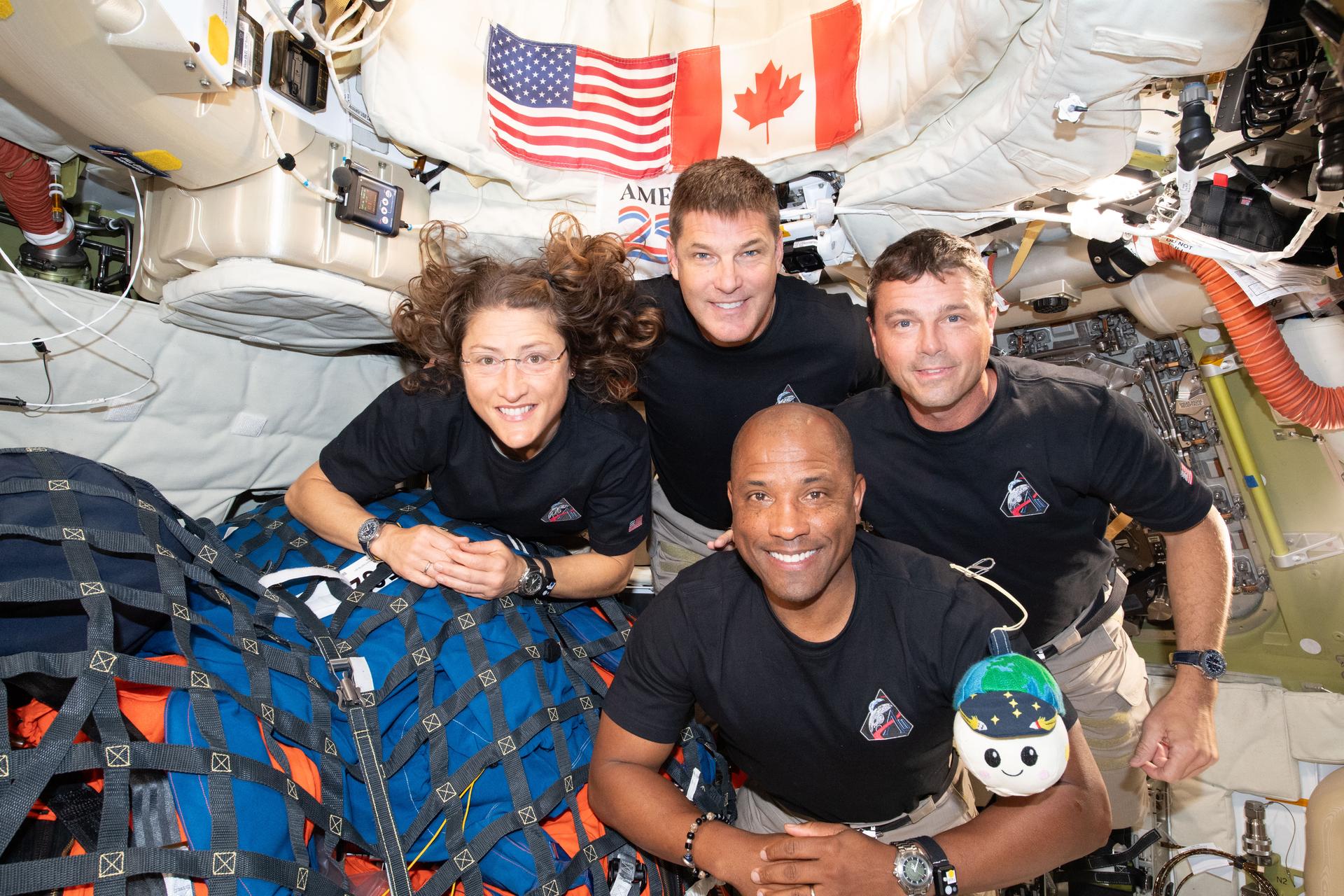
Artemis II Flight Day 8: Crew Conducts Key Tests on Return to Earth
Artemis II crew members Christina Koch, Reid Wiseman, Victor Glover, and Jeremy Hansen conducted key tests aboard the Orion spacecraft, including orthostatic intolerance garment evaluations and manual piloting demonstrations. Following their lunar flyby, they are preparing for splashdown on April 10, 2026, off the coast of San Diego, ensuring all systems are ready for re-entry.
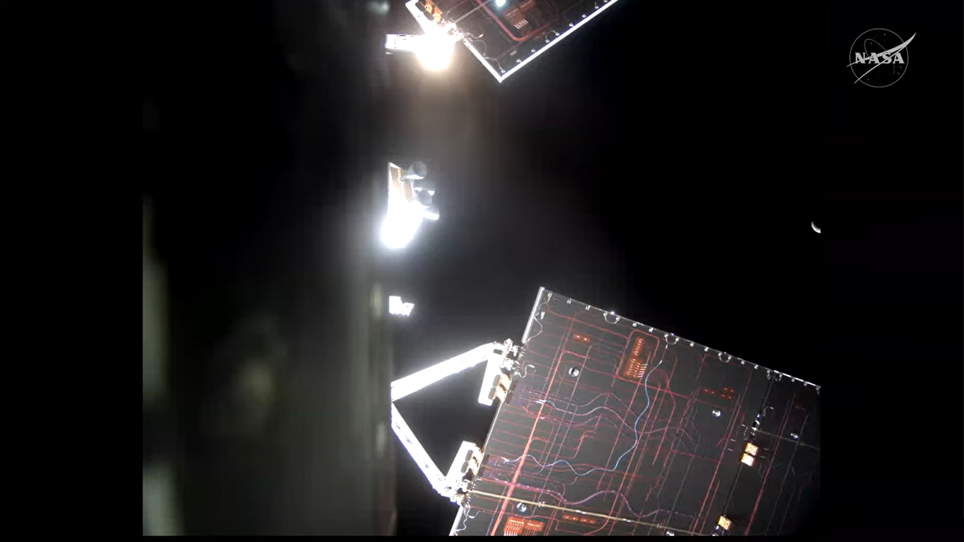
Artemis II Flight Day 7: First Return Correction Burn Complete
NASA's Orion spacecraft, named Integrity, successfully completed its first return correction burn on Flight Day 7, igniting thrusters for 15 seconds at 8:03 p.m. EDT, achieving a velocity change of 1.6 feet-per-second. Christina Koch and Jeremy Hansen monitored the spacecraft's systems, while the crew prepares for upcoming flight test objectives and return tasks on April 8.

Artemis II Flight Day 7: Crew Makes Long‑Distance Call, Begins Return
NASA's Artemis II crew, including astronauts Reid Wiseman, Victor Glover, Christina Koch, and Jeremy Hansen, began their return journey after a lunar flyby on April 6, 2026. They will exit the Moon's gravity at 1:23 p.m. EDT, followed by a call with ISS astronauts at 2:40 p.m. and a trajectory correction burn at 9:03 p.m.

Artemis II Day 6: Lunar Flyby, Distance Record and Deep Space Operations Mark Historic Mission Phase
NASA's Artemis II mission achieved a significant milestone on Flight Day 6, with the Orion spacecraft successfully executing a lunar flyby. This operation marks a historic distance record as the crew navigated around the far side of the Moon, demonstrating critical deep space operational capabilities essential for future lunar exploration missions and paving the way for subsequent Artemis objectives.

Artemis II breaks record, conducts lunar flyby
Orion spacecraft Integrity, with astronauts Reid Wiseman, Victor Glover, Christina Koch, and Jeremy Hansen, achieved a record-breaking lunar flyby during the Artemis II mission. This milestone demonstrates significant progress in NASA's lunar exploration efforts, paving the way for future crewed missions to the Moon and beyond, enhancing capabilities in deep space operations and crew safety.

Why haven’t humans gone back to the Moon no longer a valid question thanks to NASA Artemis II lunar flyby
NASA's Artemis II successfully launched on April 1, 2026, marking humanity's return to the Moon after five decades. The crew, including Victor Glover, Christina Koch, Reid Wiseman, and Jeremy Hansen, completed a lunar flyby on April 6. This mission alleviates doubts about lunar exploration and showcases the Orion spacecraft's capabilities, enhancing public interest in future lunar missions.

Day 4 Artemis II: Crew Conducts Manual Piloting Tests Ahead of Lunar Flyby
NASA's Artemis II crew members Christina Koch and Jeremy Hansen executed a 41-minute manual piloting demonstration, assessing Orion's handling capabilities in preparation for the upcoming lunar flyby. This mission aligns with NASA's evolving strategy towards establishing a phased lunar base, reflecting significant operational transitions within the broader Artemis program framework.

Orion Spacecraft Races Toward Historic Lunar Flyby in Artemis II Mission
NASA's Artemis II mission progresses as the Orion spacecraft approaches a historic lunar flyby. This mid-flight phase is critical for validating systems and ensuring crew safety. The mission marks a significant step in lunar exploration, paving the way for future Artemis missions aimed at sustainable lunar presence and eventual Mars exploration. Key systems are under evaluation.
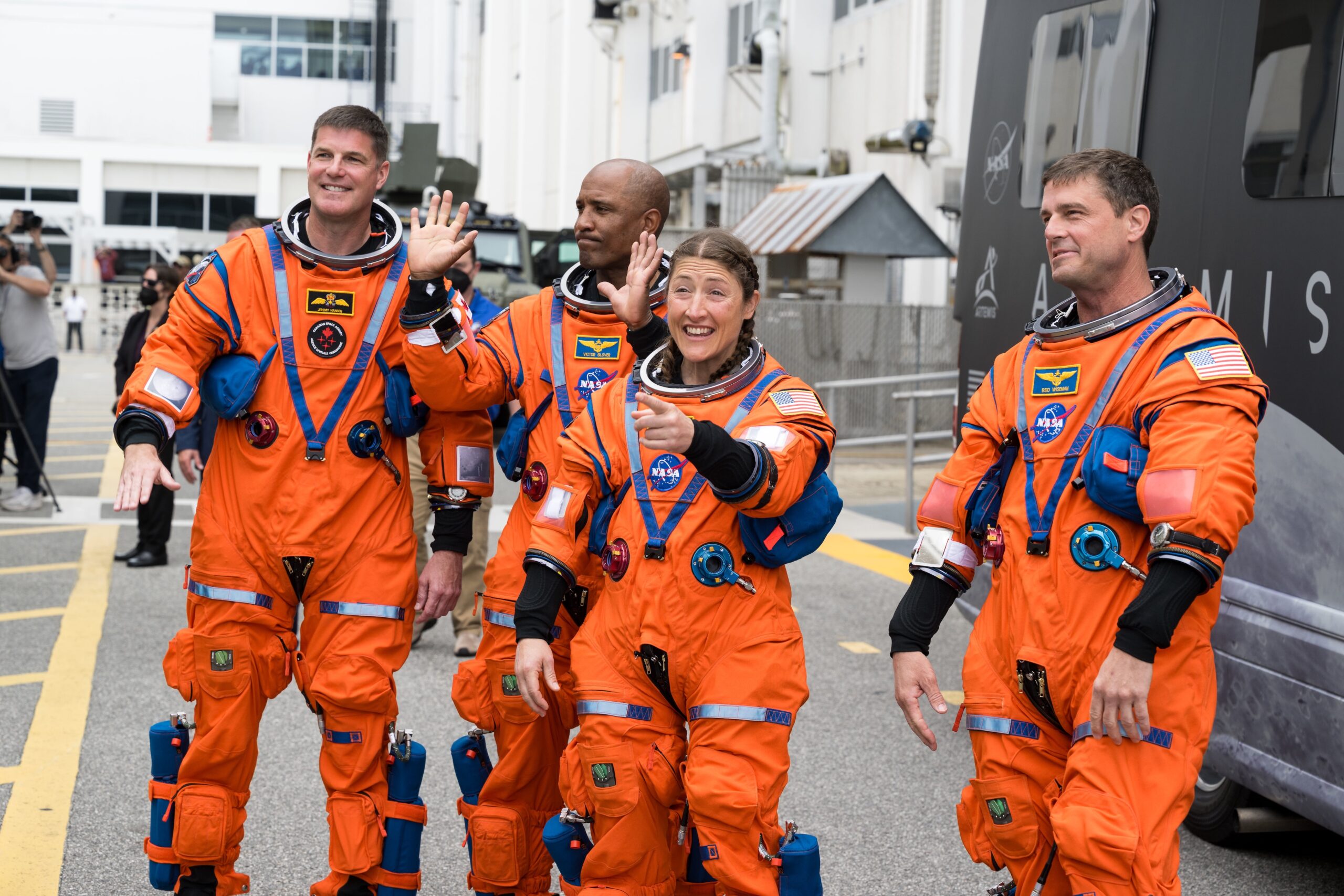
Meet the Crew of Artemis II
NASA's Artemis II crew, including Reid Wiseman, Christina Koch, Victor Glover, and Jeremy Hansen, will embark on a 10-day lunar mission aboard the Orion spacecraft atop the Space Launch System (SLS) rocket. This mission will validate deep space systems and pave the way for future lunar surface exploration, including landing the first woman and person of color on the Moon.

Redwire’s Advanced Imaging and Navigation Technology Will Enable NASA’s Historic Artemis II Mission
Redwire Corporation's advanced optical imaging and sun sensor technology will be integrated into the Orion spacecraft for NASA's Artemis II mission, marking a significant milestone as the first crewed mission in the Artemis program. This collaboration with Lockheed Martin underscores Redwire's commitment to enhancing space exploration capabilities through innovative technology solutions.

Live coverage: NASA to launch Artemis 2, its first Moon-bound mission with astronauts since 1972
NASA's Artemis II mission will launch four astronauts aboard the Orion spacecraft for over nine days, aiming to surpass Apollo 13's distance record. Liftoff is set from Launch Complex 39B on April 1 at 6:24 p.m. EDT. This marks the first crewed lunar mission since 1972, revitalizing human exploration of the Moon.
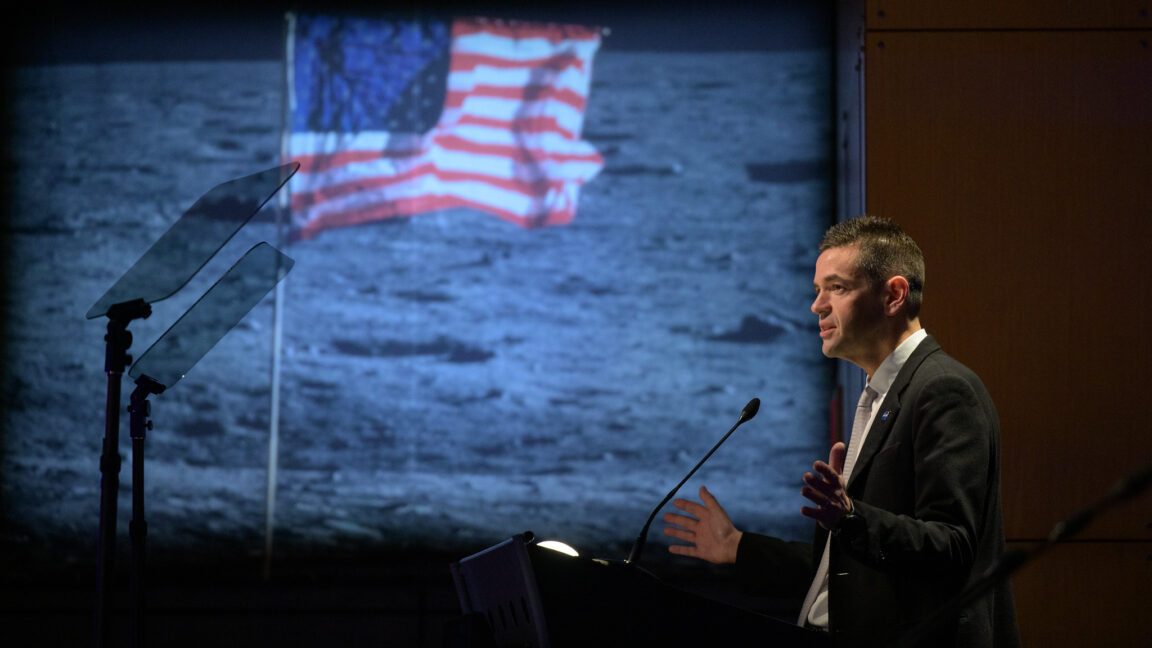
This is my third Orion launch, but it feels totally different
NASA's Orion program has undergone significant changes, leading to a more promising trajectory compared to its initial launches. The sentiment surrounding the program reflects a newfound confidence in its direction and objectives, suggesting that the lessons learned from previous missions are being effectively integrated into future plans.
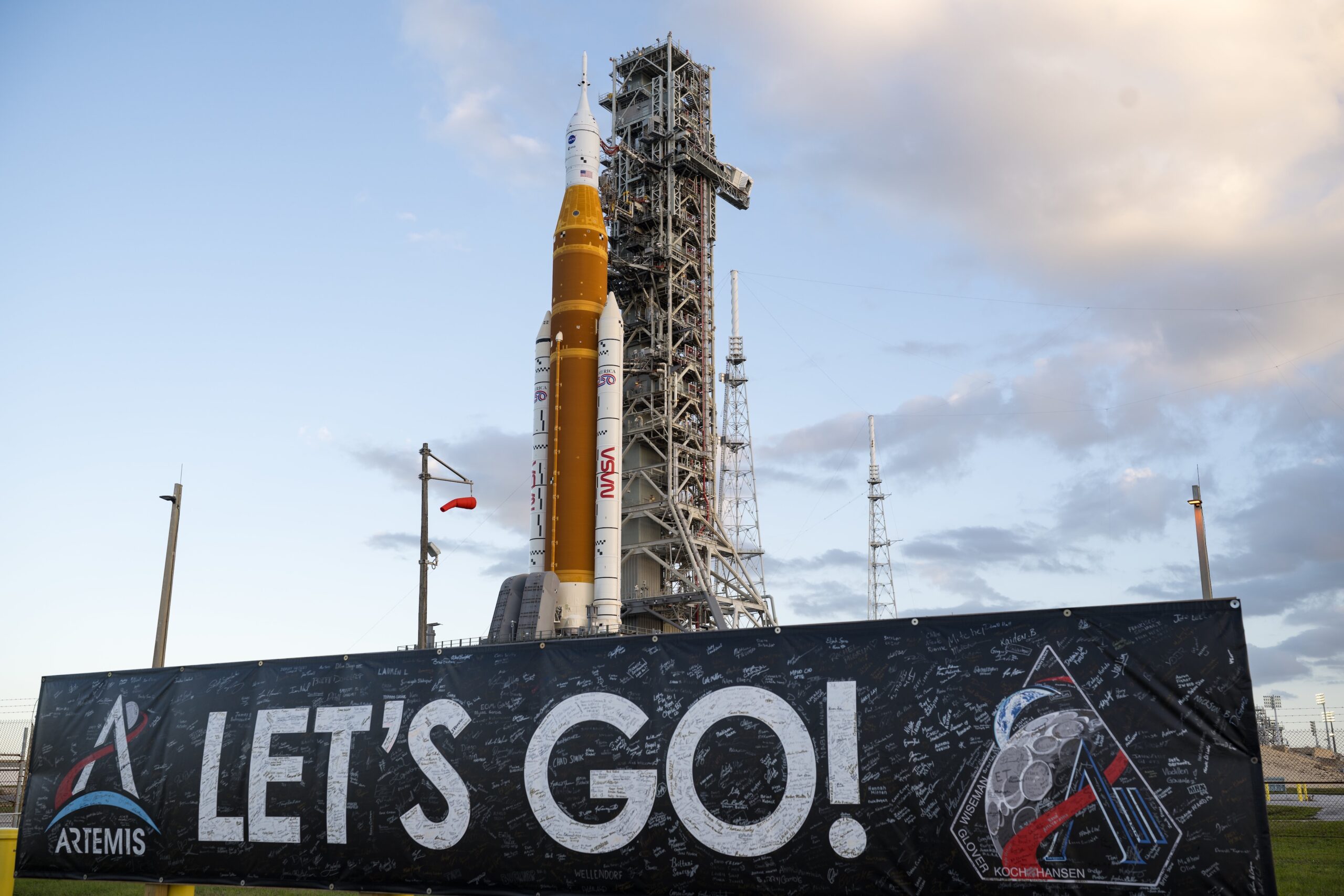
The long road to launch of the Artemis II mission
NASA's Artemis II mission is set for April 1, 2026, utilizing the Space Launch System to launch the Orion crewed capsule into orbit. Four astronauts will embark on a 10-day journey around the Moon, assessing critical systems including the environmental control and life support system, essential for crew safety during the mission's translunar injection phase.
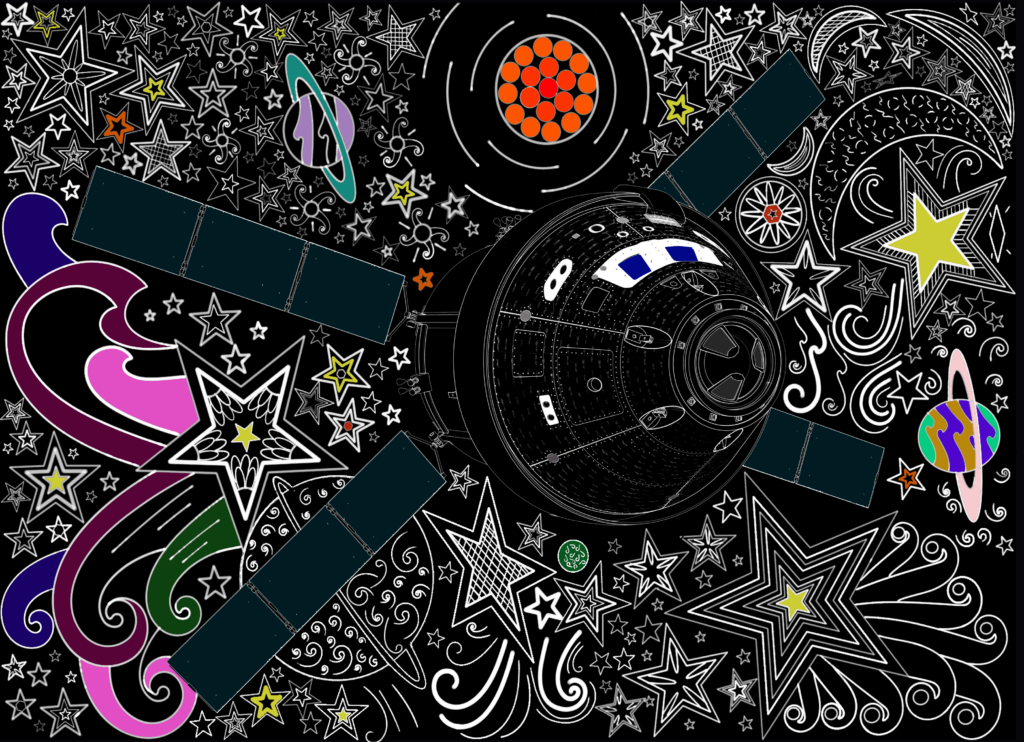
Artemis II Fun Activities
NASA’s Artemis II mission is set to launch as early as April 1, 2026, marking humanity's return to lunar orbit since 1972. Activities for youth include building models of the Orion spacecraft and SLS rocket, alongside drawing guides. The Orion Crew Survival System suit ensures astronaut safety during missions, while the Lunar Terrain Vehicle enhances exploration capabilities.
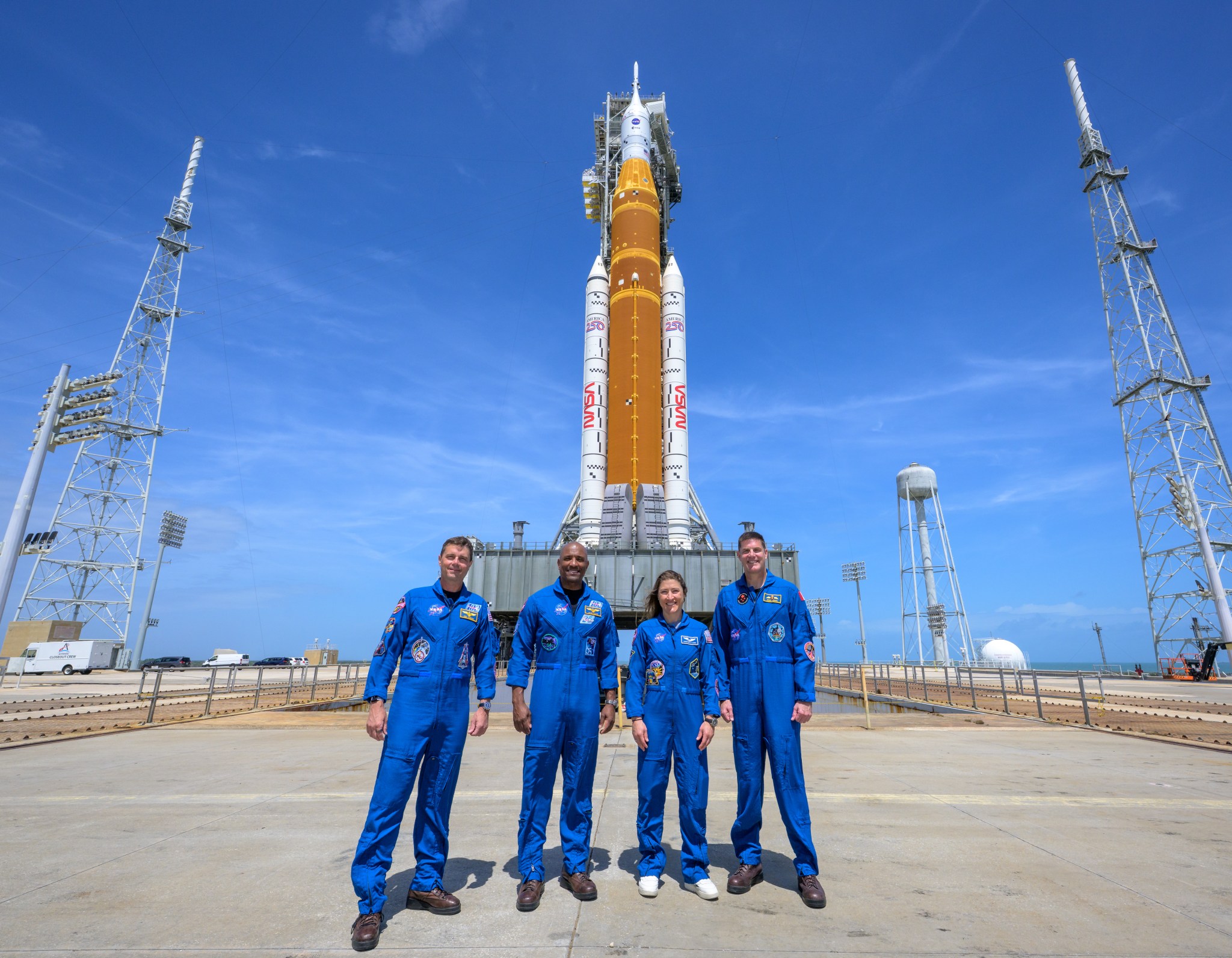
Moon Monday #266: Current mission updates and future governance questions
NASA rolled back the SLS rocket and Orion spacecraft on February 25 to replace a dislodged seal affecting helium flow. The Artemis II mission is set for launch in early April, with a new upper stage based on Centaur V planned for future missions. A report highlighted risks in lunar landers developed by SpaceX and Blue Origin for Artemis.
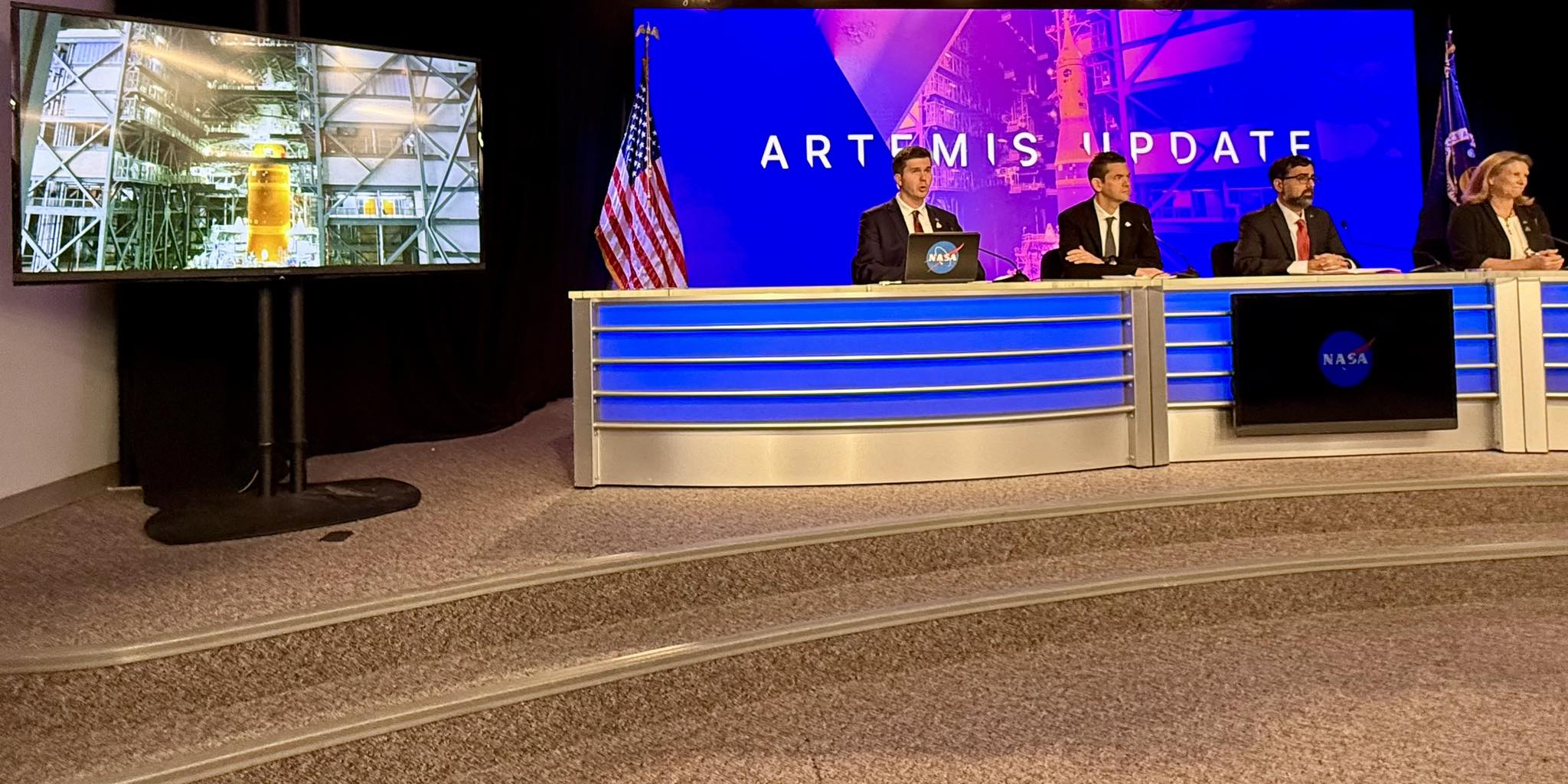
NASA announces major changes to Artemis lunar mission plans
NASA Administrator Jared Isaacman announced significant changes to Project Artemis during a news conference on February 27, 2026. The agency plans to increase the SLS and Orion flight cadence, adding a test flight to enhance reliability. Artemis III will now focus on docking with a commercial lunar lander, with missions IV and V planned for 2028 and beyond.