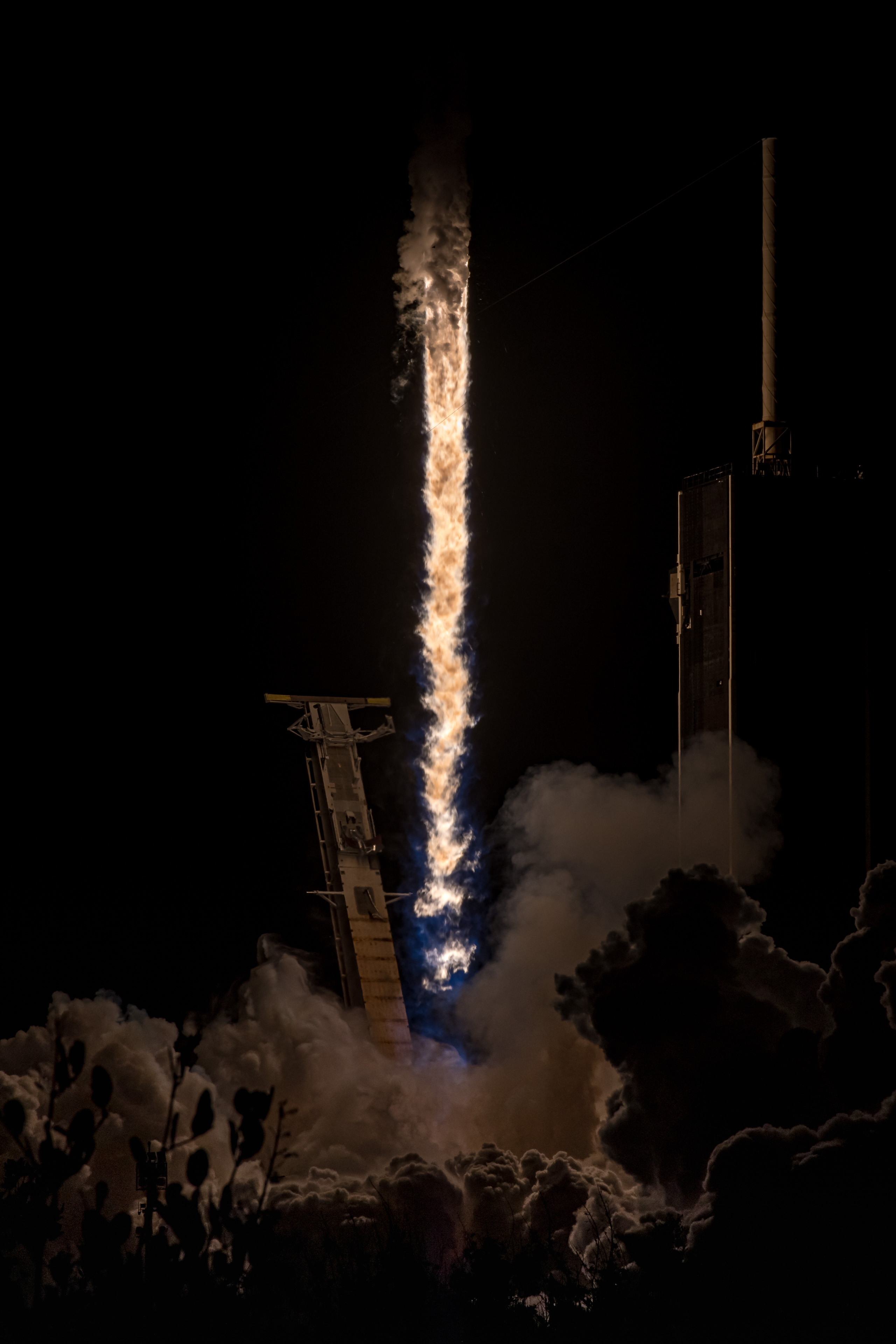
Two launches by SpaceX
SpaceX completed two launches on April 20 and 21, 2026. The first launch deployed 25 Starlink satellites using Falcon 9, marking its first stage's 8th flight. The second launch delivered a GPS satellite for the Space Force, with the first stage completing its 7th flight. This shift from ULA to SpaceX marked the fastest contract-to-launch timeline for the Space Force.
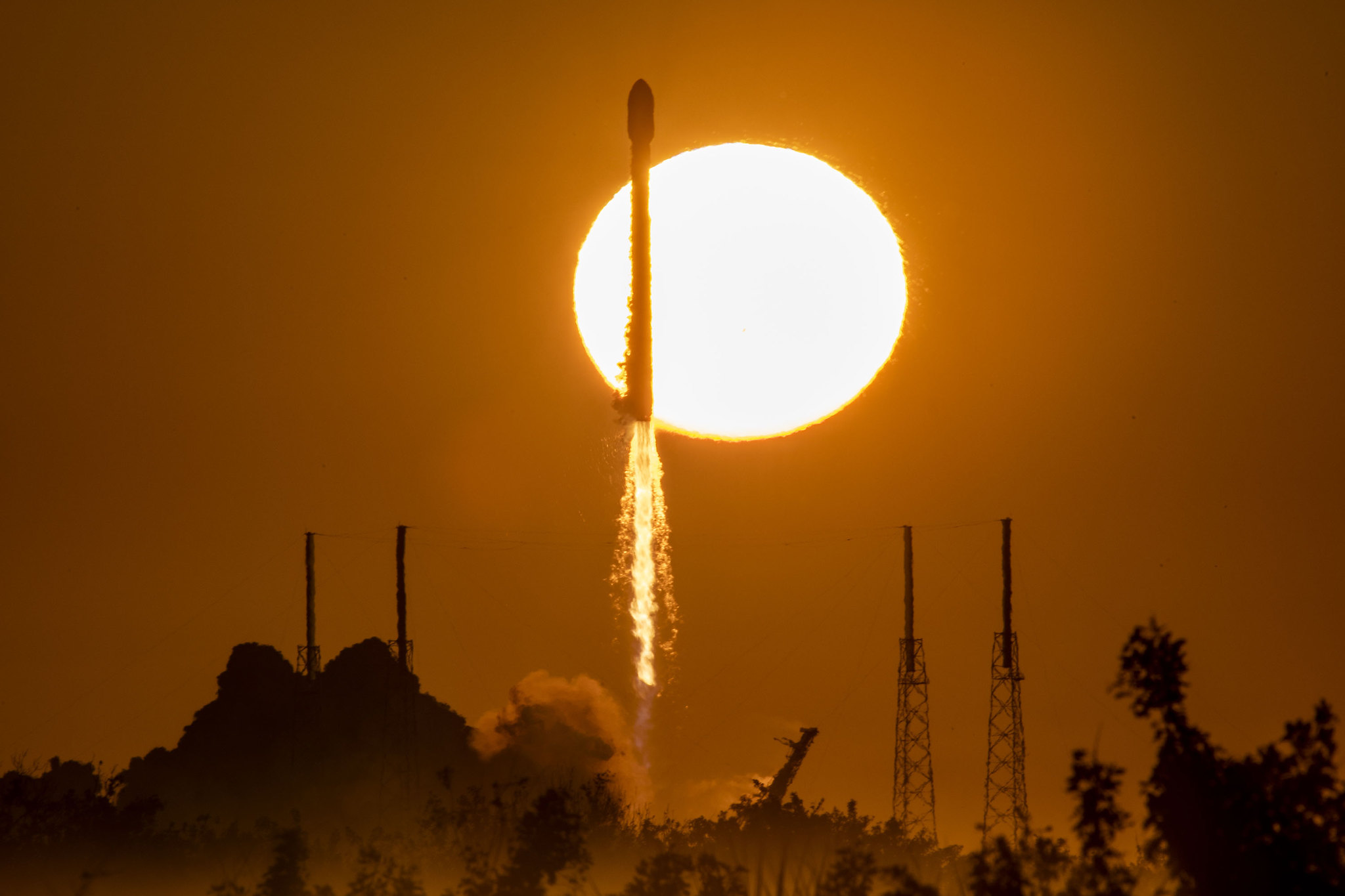
Live coverage: SpaceX to launch final GPS III satellite for the U.S. Space Force
SpaceX's Falcon 9 rocket is set to launch the final GPS III satellite, designated Space Vehicle 10 (SV10), for the U.S. Space Force on April 20, 2026. Liftoff from Cape Canaveral is scheduled for 2:53:25 a.m. EDT. This mission utilizes booster B1095, marking its seventh flight, and aims for recovery on the drone ship 'Just Read the Instructions.'

Space Force kills OCX GPS ground control system, citing ‘insurmountable’ challenges
Space Force has cancelled the Next Generation Operational Control System (OCX) contract due to insurmountable challenges, as announced on April 17th. The program, managed by RTX, incurred costs of $6.27 billion, significantly exceeding initial estimates. Moving forward, the Space Force will enhance the existing GPS ground system, awarding Lockheed Martin a $105 million contract for related upgrades.

Pentagon officially ends OCX program, citing risk and delays
Pentagon officially terminated the OCX program on April 20, concluding a 15-year effort to modernize the Global Positioning System ground system. The decision, made on April 17, cited unacceptable risks and delays. The Space Force awarded Lockheed Martin a $105 million contract to upgrade the existing Architecture Evolution Plan system to support newer GPS satellites.
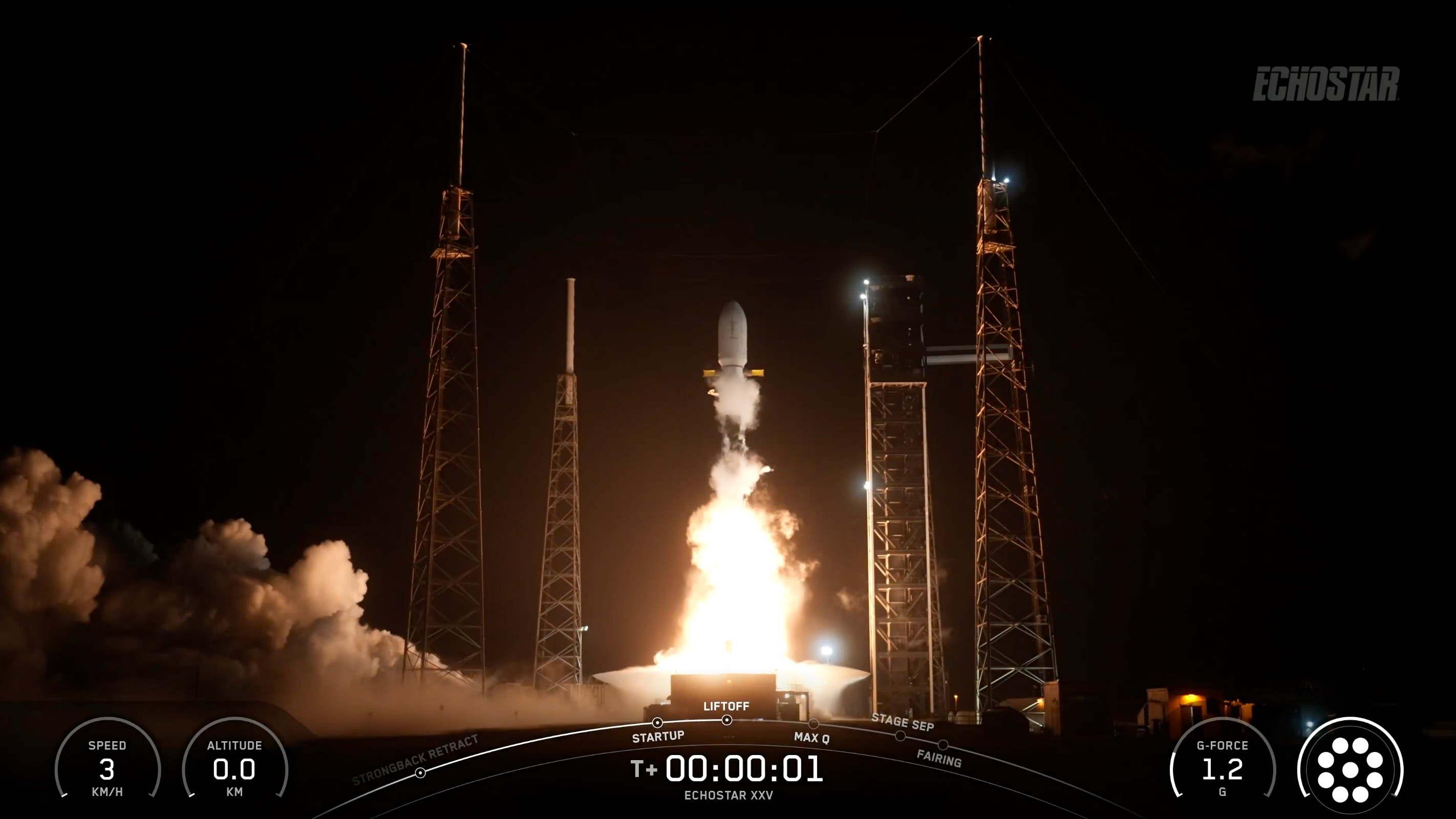
USSF terminates program for the Global Positioning System Next Generation Operational Control System
USSF has officially terminated the Global Positioning System Next Generation Operational Control System program due to its failure to deliver essential capabilities within an operationally relevant timeline. The program did not meet the necessary risk levels required to fulfill the modernization needs of the GPS constellation, prompting this decisive action by the U.S. Space Force.
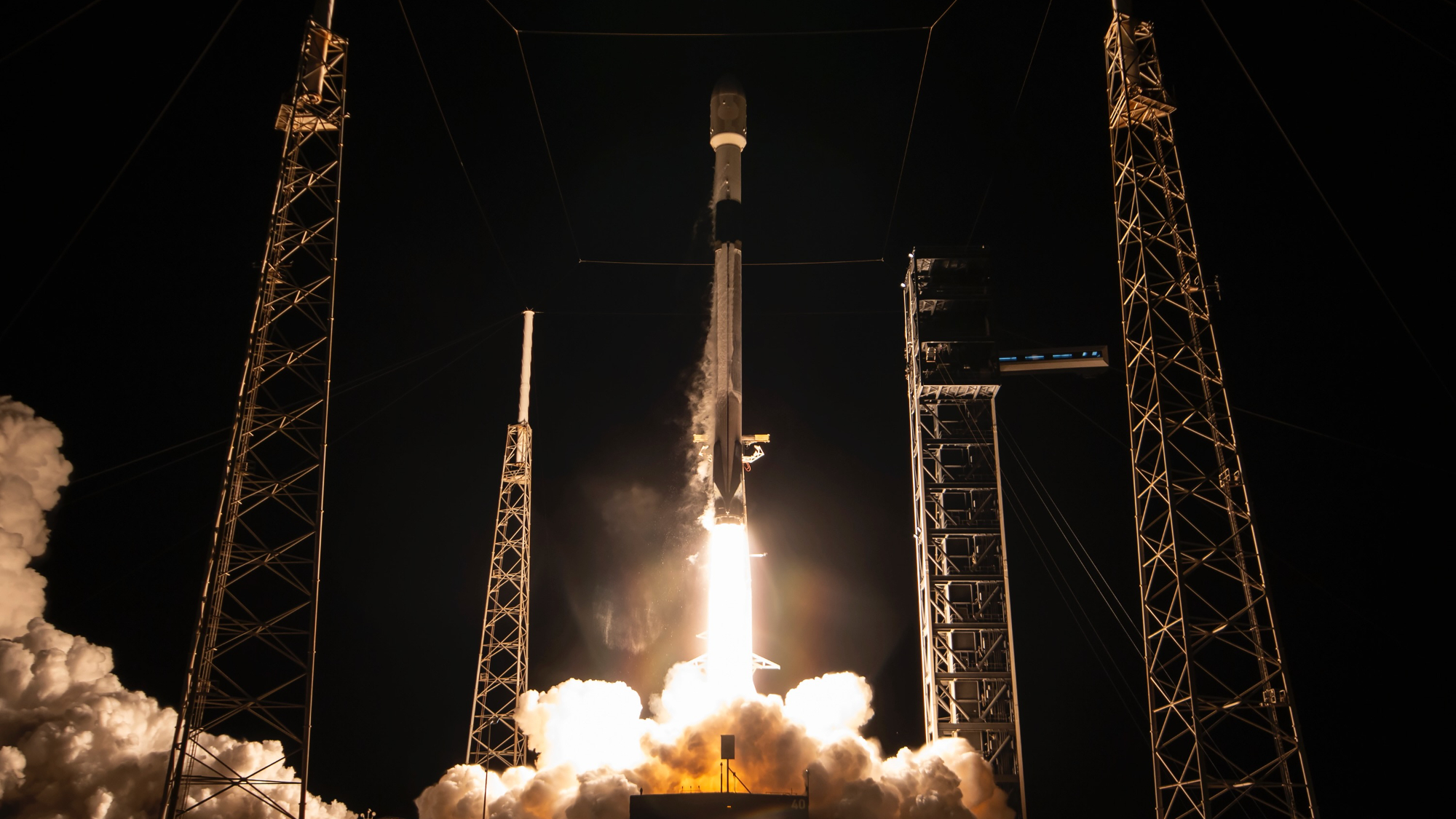
USSF terminates contract for the Global Positioning System Next Generation Operational Control System
USSF has terminated the contract for the Global Positioning System Next Generation Operational Control System due to its failure to deliver essential capabilities within an operationally relevant timeline. This decision reflects the need to mitigate risks associated with the modernization of the GPS constellation, ensuring that future systems meet the required performance standards and timelines.

Meink: Space Force Programs Ready to Execute Once FY27 Budget Lands
Troy Meink announced that multiple Space Force programs, including the Space Air Moving Target Indicator (AMTI), are poised for execution pending the FY27 budget approval. The acquisition structure will adopt a program acquisition executive model, enhancing efficiency. Initial task orders for AMTI are expected soon, with a focus on affordability and rapid development through sustained competition.
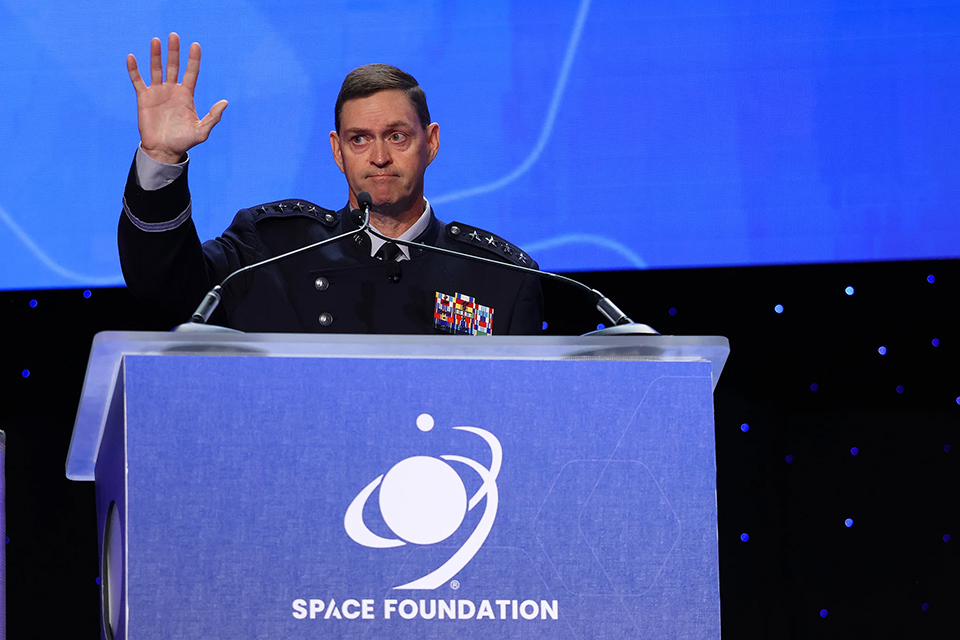
Saltzman Rolls Out Space Force Objective Force, Flags CR as Top Risk
Gen. B. Chance Saltzman outlined the Space Force's Objective Force and Future Operating Environment documents at Space Symposium 2026, emphasizing growth and procurement strategies through 2040. He projected up to 30,000 satellites by 2040, with a focus on deterrence over sheer numbers. Saltzman flagged continuing resolutions as a top risk to funding and program execution.

With eyes on future NASA moon base, Space Force launches cislunar acquisition task force
Space Force is establishing a new Cislunar Coordination Office to support NASA's planned lunar base, as announced by Maj. Gen. Stephen Purdy. This initiative follows President Trump's Executive Order aimed at creating a permanent lunar outpost by 2030. The office will be led by Jamie Stearns, focusing on technology acquisition and collaboration with industry and government entities.

Space Force sets up ‘cislunar coordination’ office to focus beyond Earth orbit
U.S. Space Force is establishing a cislunar coordination office to enhance acquisition efforts for operations beyond Earth orbit. Maj. Gen. Stephen Purdy emphasized the need for integrating cislunar capabilities, reflecting the executive order from December 2025. Jaime Stearns will lead the office, focusing on collaboration with NASA and other agencies to ensure national security in cislunar space.
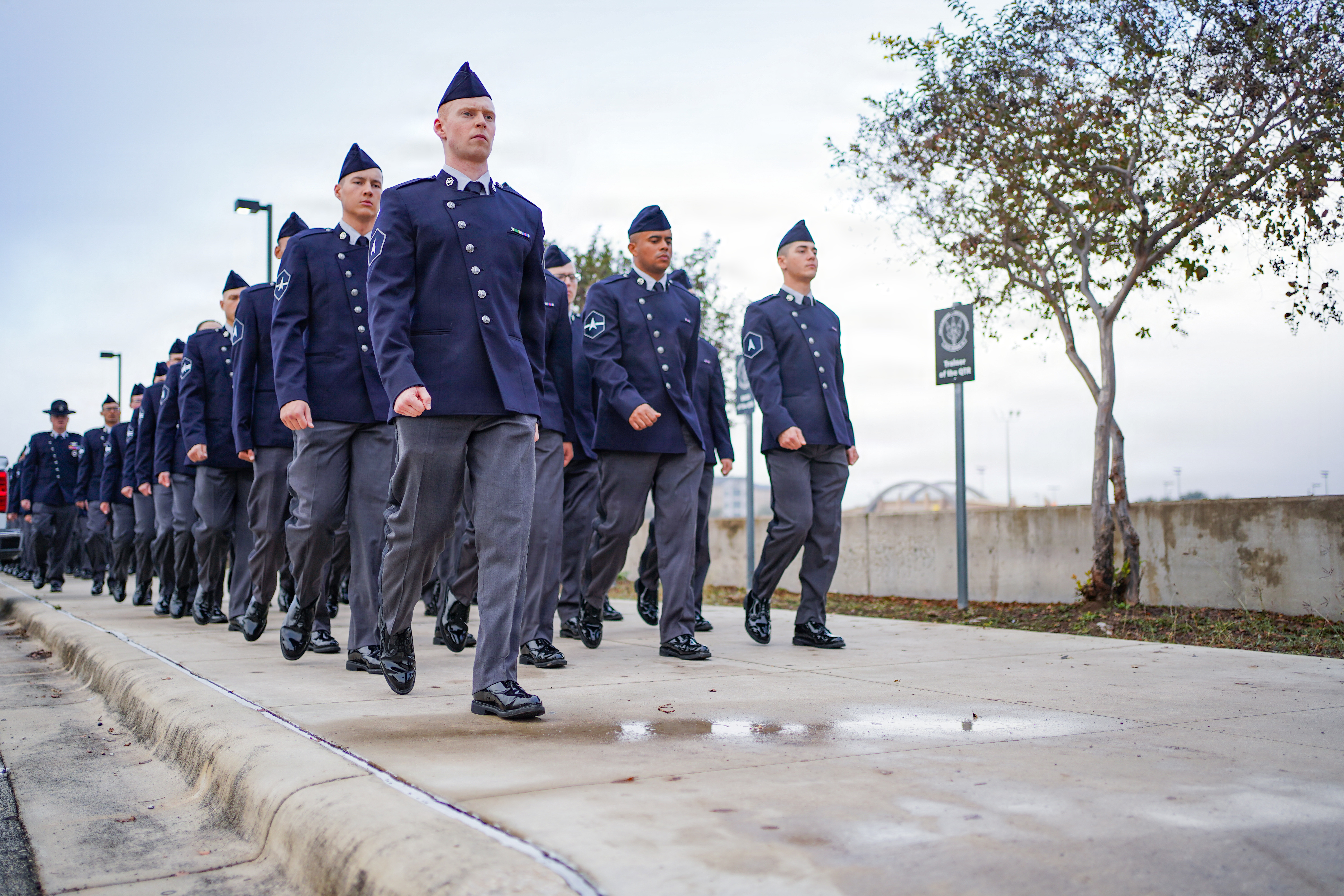
Space Force’s 15-year vision calls for more personnel, simulators and survivability
Space Force's new Objective Force plan outlines a vision through 2040, requiring significant manpower and expertise to enhance Space Control forces. Personnel will grow by 30%, and the satellite count is projected to increase from 12,000 to 60,000. The plan emphasizes a competitive marketplace for launch providers and advanced capabilities in offensive and defensive space warfare.

Space Force looks to personnel growth to boost integrated testing approach
U.S. Space Force officials are prioritizing workforce growth to enhance integrated testing processes, as outlined in the $70.1 billion fiscal year 2027 budget proposal. This funding aims to streamline testing by merging developmental and operational silos. Leaders anticipate doubling personnel in the next five to ten years to support this cultural shift and improve acquisition collaboration.

Space Force weighs Vulcan flights without solid boosters
U.S. Space Force is evaluating the potential for Vulcan flights without solid rocket boosters under investigation, according to Lt. Gen. Philip Garrant. This adjustment could allow lower-energy missions to proceed while SpaceX handles critical national security launches. The situation impacts future National Security Space Launch contracts, emphasizing the need for a third launch provider amid current supply constraints.
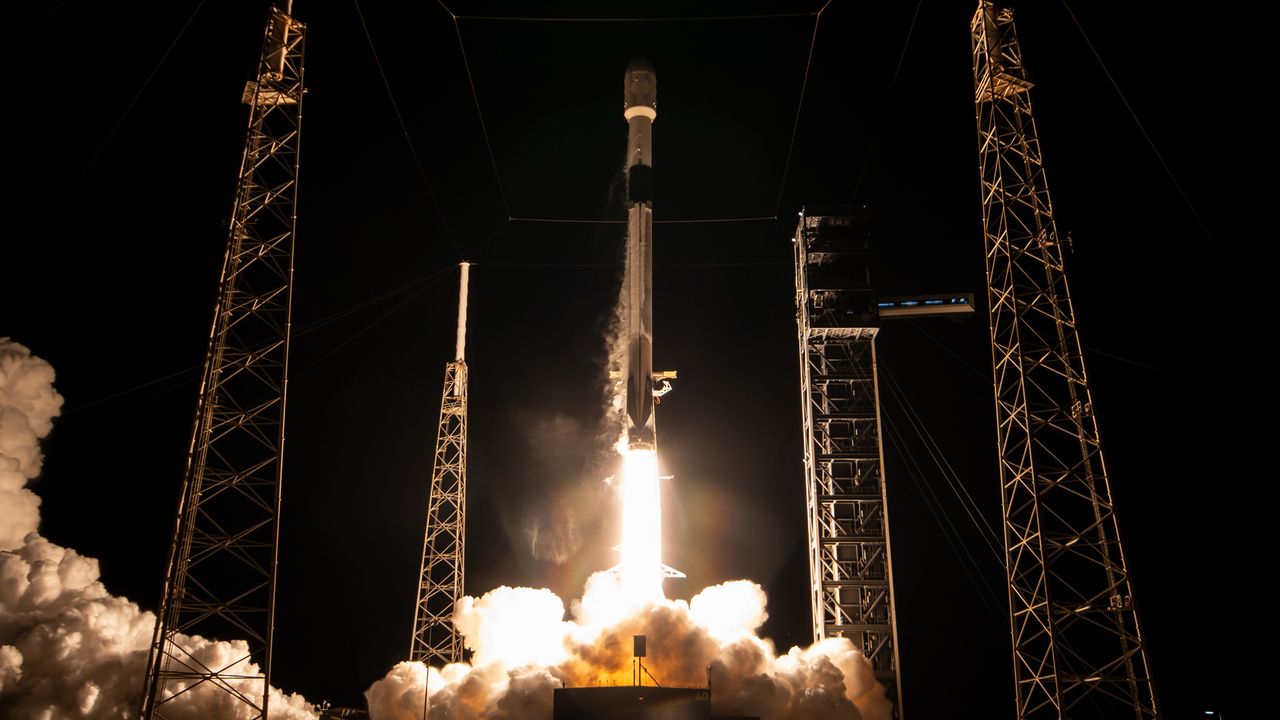
Watch SpaceX launch advanced GPS satellite for US Space Force early on April 20
SpaceX's Falcon 9 is set to launch the GPS III SV10 satellite for the U.S. Space Force on April 20, 2026, at 2:57 a.m. EDT. This mission marks the final satellite in the GPS III series, enhancing positional accuracy and jam resistance. The Falcon 9's first stage will return to Earth, marking its seventh flight.

9 firms win orbital AMTI deals, Space Force says
US Space Force awarded nine firms contracts for a satellite constellation capable of airborne moving target indication (AMTI). The contracts, issued as competitive Other Transaction Agreements, aim to enhance tracking capabilities for aircraft from orbit. Air Force Secretary Troy Meink emphasized the system's potential superiority, with a $7 billion budget request for space-based AMTI systems in fiscal 2027.

Space Symposium 2026 – “Wherever American Interest Goes, Space Force Will Be There”
At Space Symposium 2026, Laura Todd and Torsten Kriening concluded a dynamic second day filled with open discussions and evolving narratives within the space sector. The event highlighted the importance of collaboration and innovation as key themes, emphasizing that wherever American interests extend, the U.S. Space Force will be present to support and protect those interests.
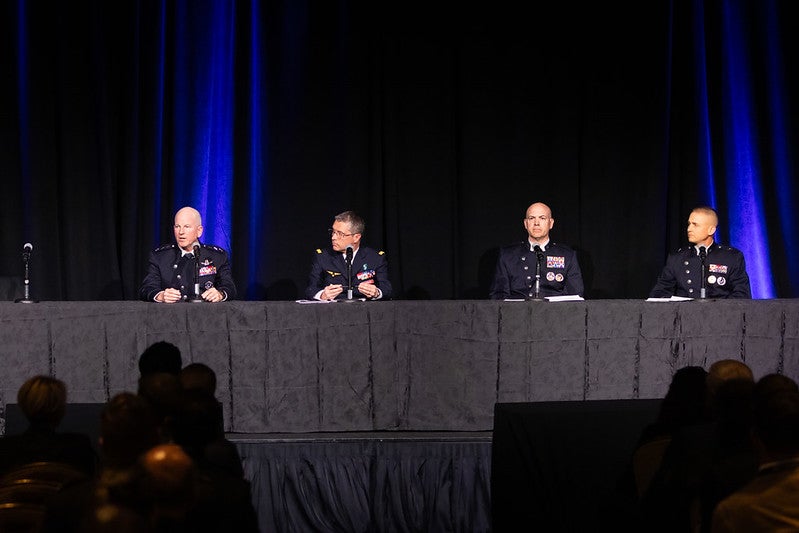
Space Force, NATO Commanders Share Threat Perspectives
U.S. Space Force generals and NATO commanders discussed evolving space defense threats during the Space Symposium. Lt. Gen. Dennis Bythewood outlined the Space Force's area of responsibility, emphasizing the growing threat from adversaries, including anti-satellite weapons. Brig. Gen. Robert Schreiner highlighted the importance of integrating space capabilities to support national security and civil authorities in diverse operational environments.
.jpg)
Maj. Gen. Purdy highlights Space Force’s acquisition transformation successes
Maj. Gen. Stephen G. Purdy, Jr., Senior Advisor to the Secretary of the Air Force for Space Acquisition, emphasized the Space Force's recent achievements in acquisition transformation during his keynote address at the Space Foundation’s 41st Space Symposium. His remarks underscored the importance of innovative strategies and successful initiatives in enhancing operational capabilities and efficiency within the Space Force.

Air Force, Space Force meet recruiting goals 5 months ahead of schedule
Air Force and Space Force successfully met their annual recruiting targets five months ahead of schedule, securing a total of 32,000 new active-duty personnel, comprising both Airmen and Guardians. This achievement reflects the effectiveness of their recruitment strategies and the growing interest in military service, bolstering the ranks of these vital branches for the fiscal year.

Shifting gears: Space Force moves to embrace space mobility for orbital warfare
Space Force's Objective Force plan aims to demonstrate on-orbit refueling and deploy operational space tugs from 2025 to 2030. This initiative reflects a strategic shift towards enhancing orbital warfare capabilities, emphasizing the importance of mobility in space operations. The focus on these technologies is expected to transform operational paradigms in military space engagements significantly.
Saltzman Unveils 2040 Blueprint to Scale Space Force for Great Power Competition
General B. Chance Saltzman presented a strategic 2040 blueprint for the Space Force at the 41st Space Symposium. The documents outline plans to enhance capabilities in response to great power competition. Key focus areas include modernization, operational readiness, and collaboration with commercial partners to ensure national security in space. Specific initiatives were not detailed in the address.

Air Force kicks off AMTI program with competition for first ‘increment’
Department of the Air Force has initiated a competition for airborne moving target indication (AMTI) satellites, with Secretary Troy Meink announcing a base contract awarded for development. The Space Force seeks $7 billion in fiscal 2027 for procurement, emphasizing scalability and competition. AMTI systems will enhance tracking capabilities for airborne and ground targets in contested environments.
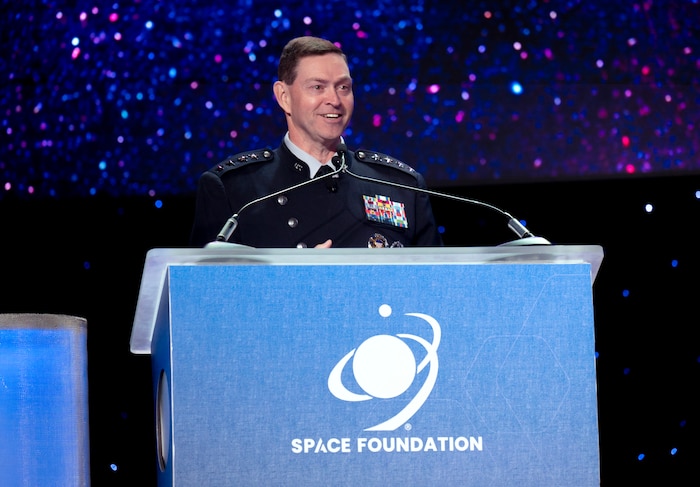
CSO debuts Future Operating Environment, Objective Force at 41st Space Symposium
Saltzman announced at the Space Foundation's 41st Space Symposium that the Space Force has transitioned from theoretical concepts to a combat-credible force, demonstrating its capabilities daily through the actions of Guardians. This shift emphasizes the operational readiness and strategic importance of the Space Force in contemporary military operations, showcasing its commitment to national security and space dominance.
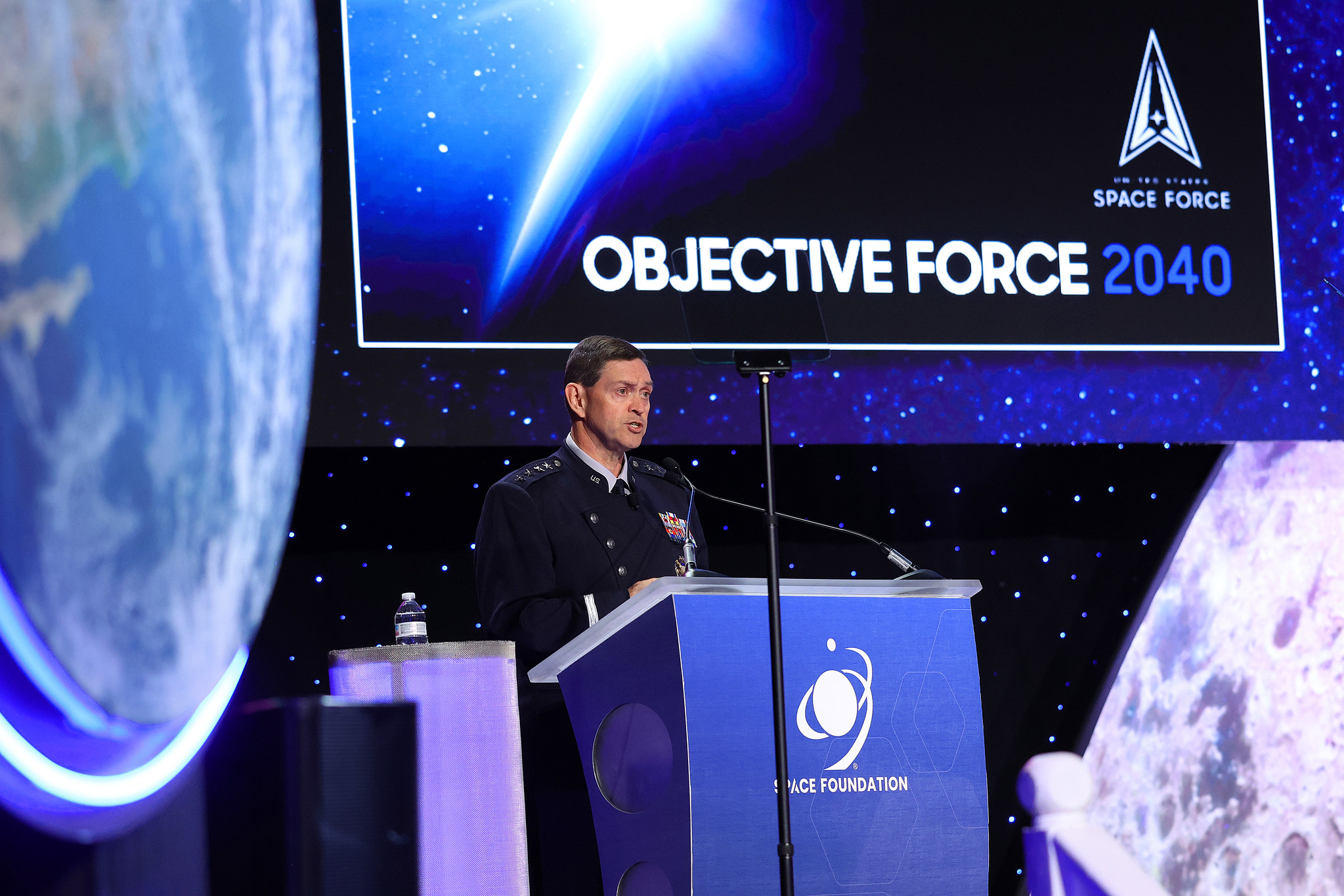
Space Force releases two documents focused on 2040 planning
U.S. Space Force released two documents: Future Operating Environment 2040 and Objective Force 2040. Gen. B. Chance Saltzman emphasized the need for adaptation against evolving threats, particularly from China. The documents outline future capabilities, mission objectives, and a framework for personnel and infrastructure growth, aiming to align priorities and stimulate discussion within the defense community.

General Atomics Completes Pre-Ship Review for Space Force Weather Payload
General Atomics completed the pre-ship review for its advanced Electro-Optical/Infrared (EO/IR) payload, designed for the Space Force. This milestone confirms readiness for hardware delivery, enhancing capabilities in weather monitoring and environmental assessment. The EO/IR system is pivotal for operational support in various defense applications, aligning with the Space Force's strategic objectives for advanced sensor technologies.

Spring fever pitch: Three questions to listen for this Space Symposium
The 41st Space Symposium opens in Colorado Springs, highlighting optimism in the space industry amid discussions on a historic lunar mission and a record-setting budget for the Space Force. Industry leaders stress the importance of speed and collaboration between government and industry to enhance execution. Key questions will shape the dialogue during this significant event.
Space Force releases framework to forge future enlisted leaders
The U.S. Space Force has unveiled a comprehensive strategy aimed at developing future enlisted leaders. This framework provides a structured career path for Guardians, facilitating their progression from tactical-level experts to operational leaders and ultimately to strategic-level thinkers. The initiative emphasizes the importance of leadership development throughout their careers within the Space Force.

Agentic AI: the future of space warfare
Agentic AI represents a transformative shift in space warfare, enabling autonomous decision-making at machine speed. As China advances with its Three-Body Computing Constellation and Star-Compute Program, the U.S. Space Force must invest in AI infrastructure to maintain superiority. This technology will enhance satellite management, threat detection, and operational responses in real-time, ensuring effective human-machine collaboration.
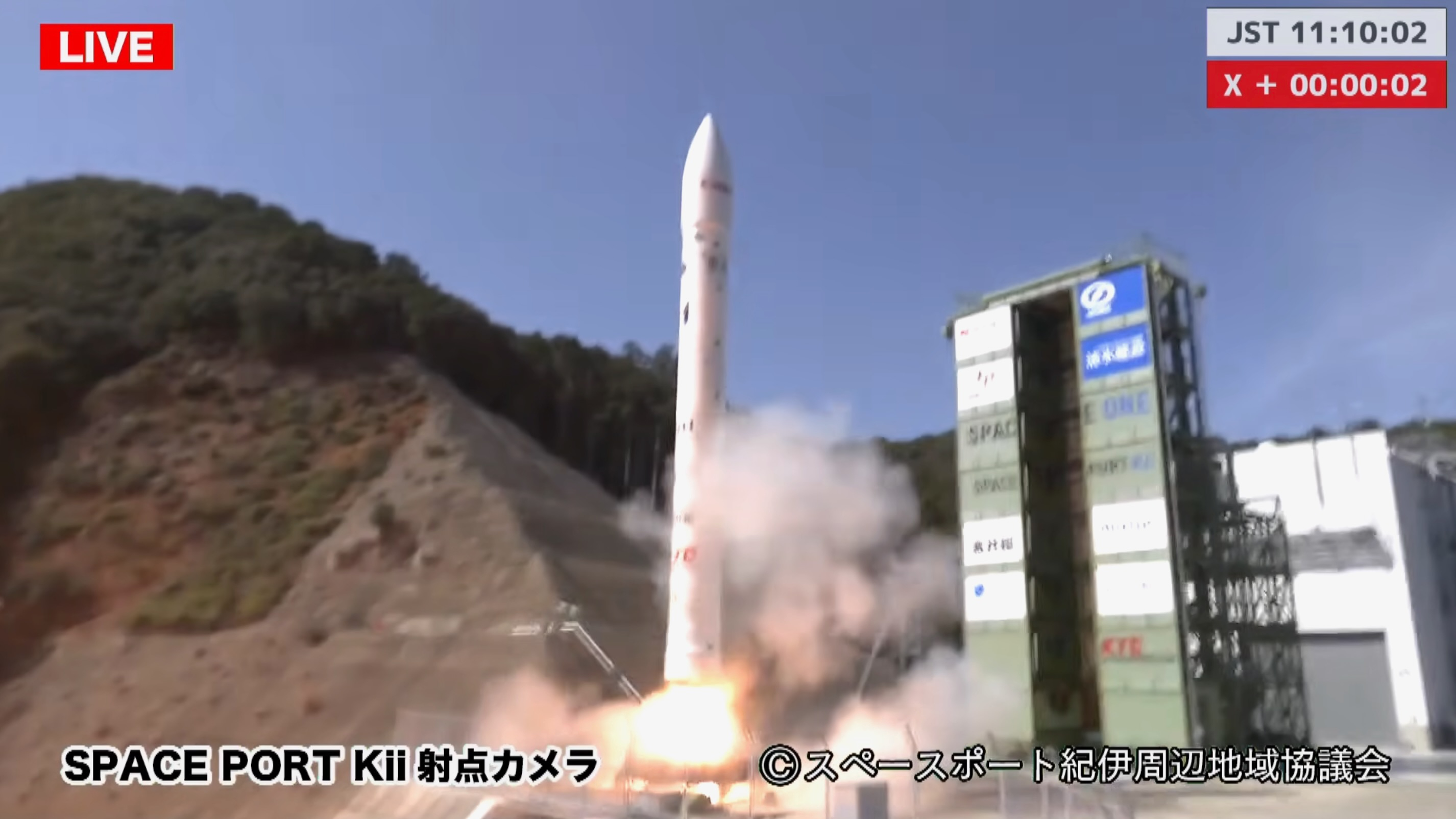
Stoke Space selected for the U.S. Space Force’s $5.6B NSSL program
Stoke Space has been selected by the U.S. Space Force for its National Security Space Launch (NSSL) Phase 3 Lane 1 program. This initiative aims to enhance the Space Force's capabilities in delivering national security payloads. The contract is valued at $5.6B, marking a significant step for Stoke Space in the competitive launch services market.

Stoke Space Names Retired U.S. Space Force Lt. Gen. John E. Shaw to Board of Directors, Paul Croci as Chief Financial Officer
Stoke Space has appointed retired U.S. Space Force Lt. Gen. John E. Shaw to its Board of Directors, enhancing its leadership team. Additionally, Paul Croci has been named Chief Financial Officer, bringing financial expertise to the company. These appointments aim to strengthen Stoke Space's mission of developing 100% reusable rockets for future space endeavors.