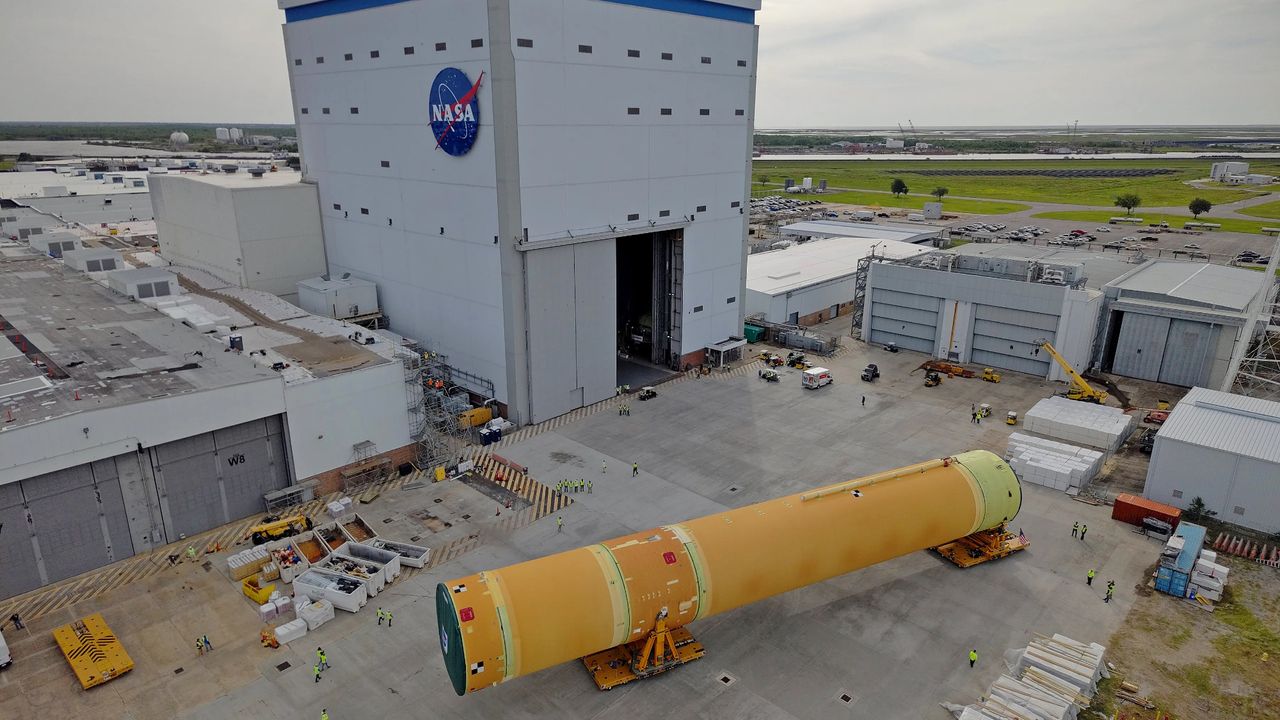
NASA rolls out Artemis 3 SLS rocket's huge core stage to gear up for 2027 launch (photo)
NASA rolled out the core stage of the Space Launch System (SLS) rocket for the Artemis 3 mission on April 20, 2026, from Michoud Assembly Facility to the Pegasus barge. This milestone advances preparations for the targeted mid-2027 launch, which will involve testing rendezvous operations with Orion and private lunar landers, including SpaceX's Starship and Blue Origin's Blue Moon.
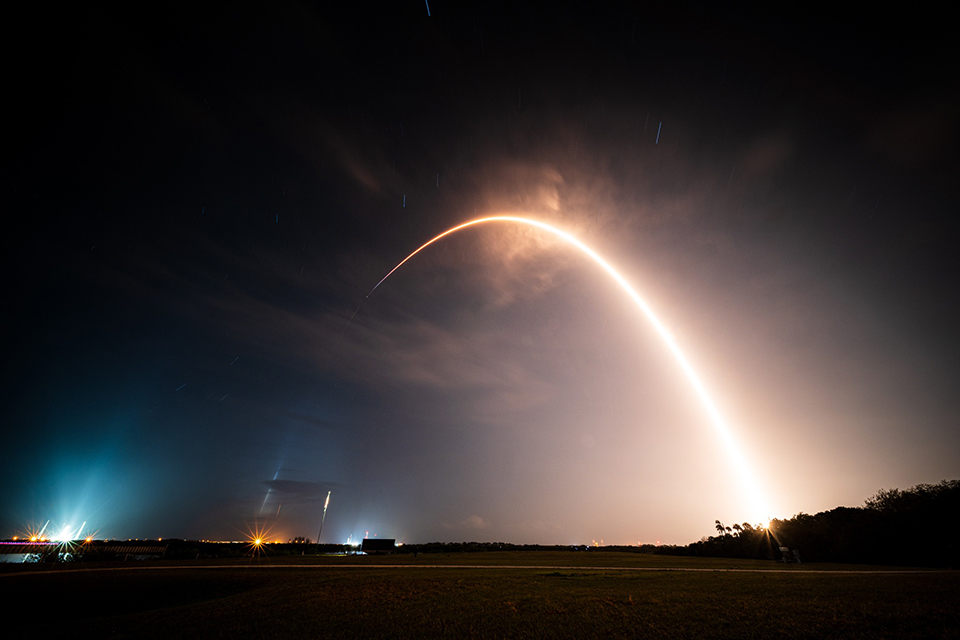
USSF Finalizes GPS III Constellation with Successful SV-10 Deployment
United States Space Force successfully deployed the final Global Positioning System III satellite, SV-10, on April 21, 2026, via a SpaceX Falcon 9 rocket. This launch completes the initial ten-satellite phase, enhancing the constellation's resilience and accuracy. SV-10 features innovative technologies, including a 3D-printed omni antenna and a digital rubidium atomic clock, paving the way for the upcoming GPS IIIF series.
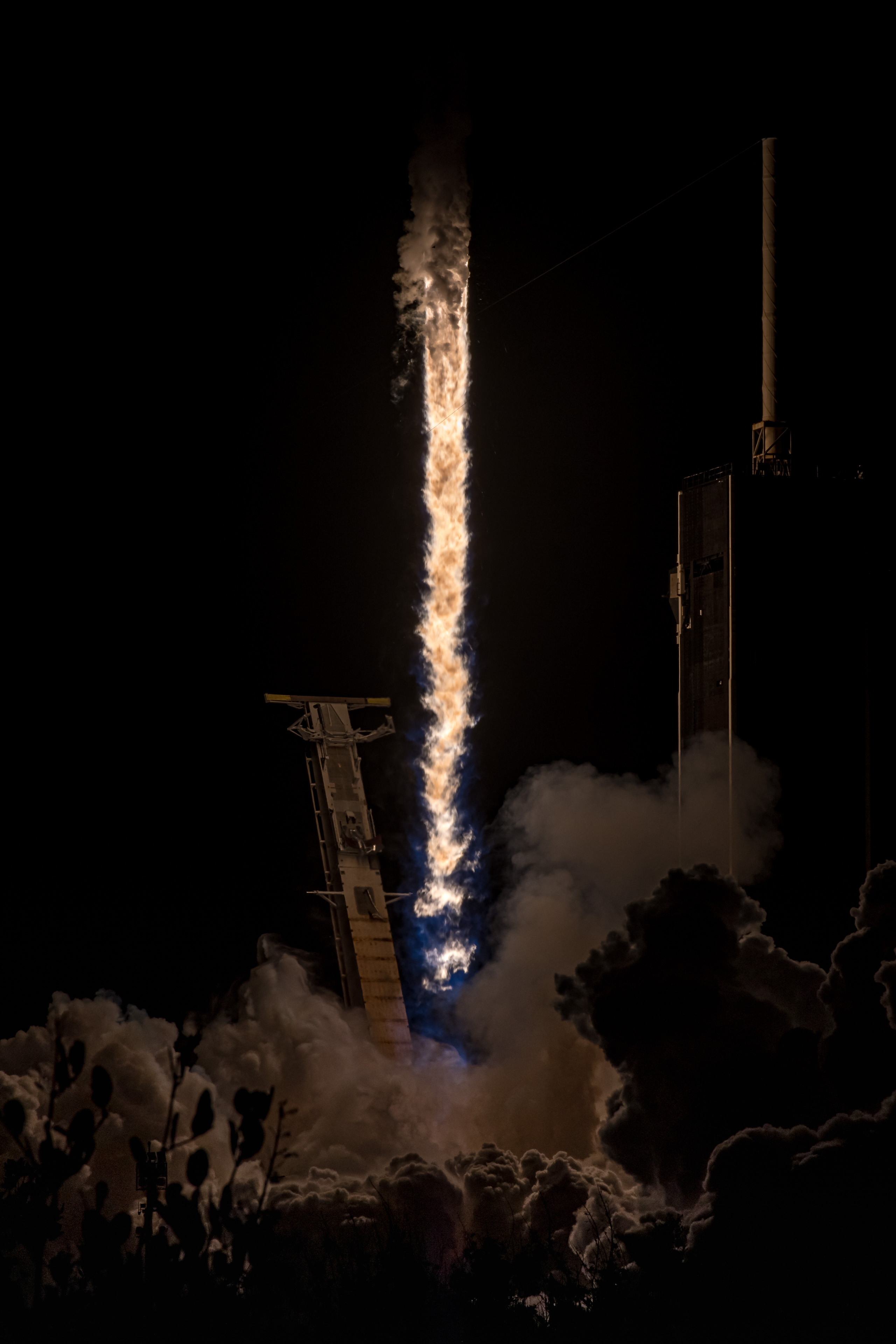
Two launches by SpaceX
SpaceX completed two launches on April 20 and 21, 2026. The first launch deployed 25 Starlink satellites using Falcon 9, marking its first stage's 8th flight. The second launch delivered a GPS satellite for the Space Force, with the first stage completing its 7th flight. This shift from ULA to SpaceX marked the fastest contract-to-launch timeline for the Space Force.

Starlink struggling for approval on South Africa, India
Starlink faces significant regulatory hurdles in South Africa and India, with Elon Musk criticizing BEE laws as discriminatory. In South Africa, Starlink's operations are stalled due to ownership regulations, while in India, its FDI application is on hold amid national security concerns. Gwynne Shotwell and SpaceX executives are actively engaging with Indian officials to advance their broadband initiatives.
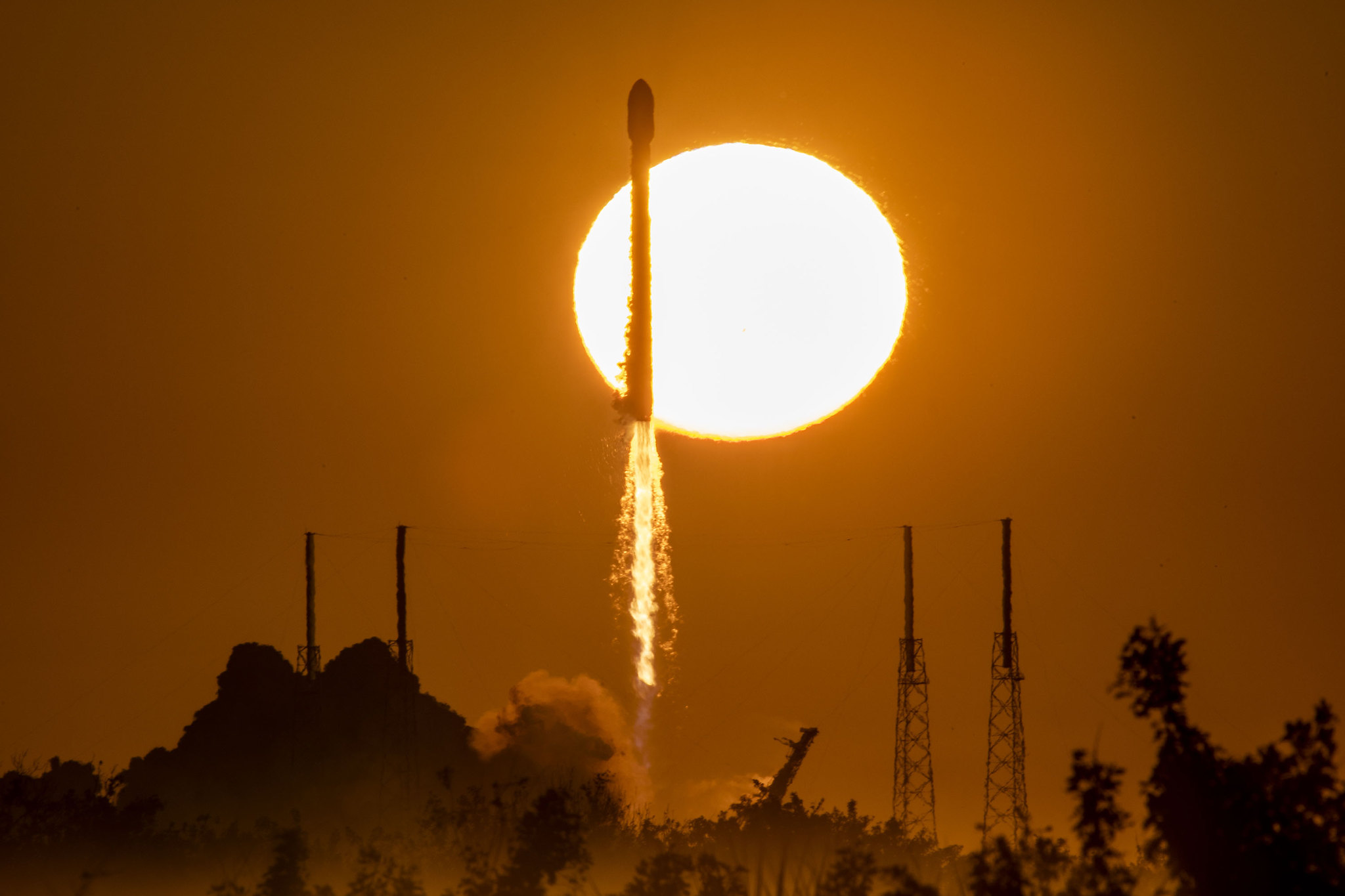
Live coverage: SpaceX to launch final GPS III satellite for the U.S. Space Force
SpaceX's Falcon 9 rocket is set to launch the final GPS III satellite, designated Space Vehicle 10 (SV10), for the U.S. Space Force on April 20, 2026. Liftoff from Cape Canaveral is scheduled for 2:53:25 a.m. EDT. This mission utilizes booster B1095, marking its seventh flight, and aims for recovery on the drone ship 'Just Read the Instructions.'

Launch Preview: GPS, Progress, and Starlink missions to launch during busy week
Falcon 9 is set to launch GPS III SV10 on April 21, 2026, at 2:53 AM EDT, marking the final satellite of the first-generation GPS III contract. This mission features a Tesat-Spacecom SCOT80 optical communications terminal for a laser communications demonstration. Additionally, Falcon 9 will deploy 25 Starlink v2 Mini satellites on April 22, 2026, enhancing SSO coverage.
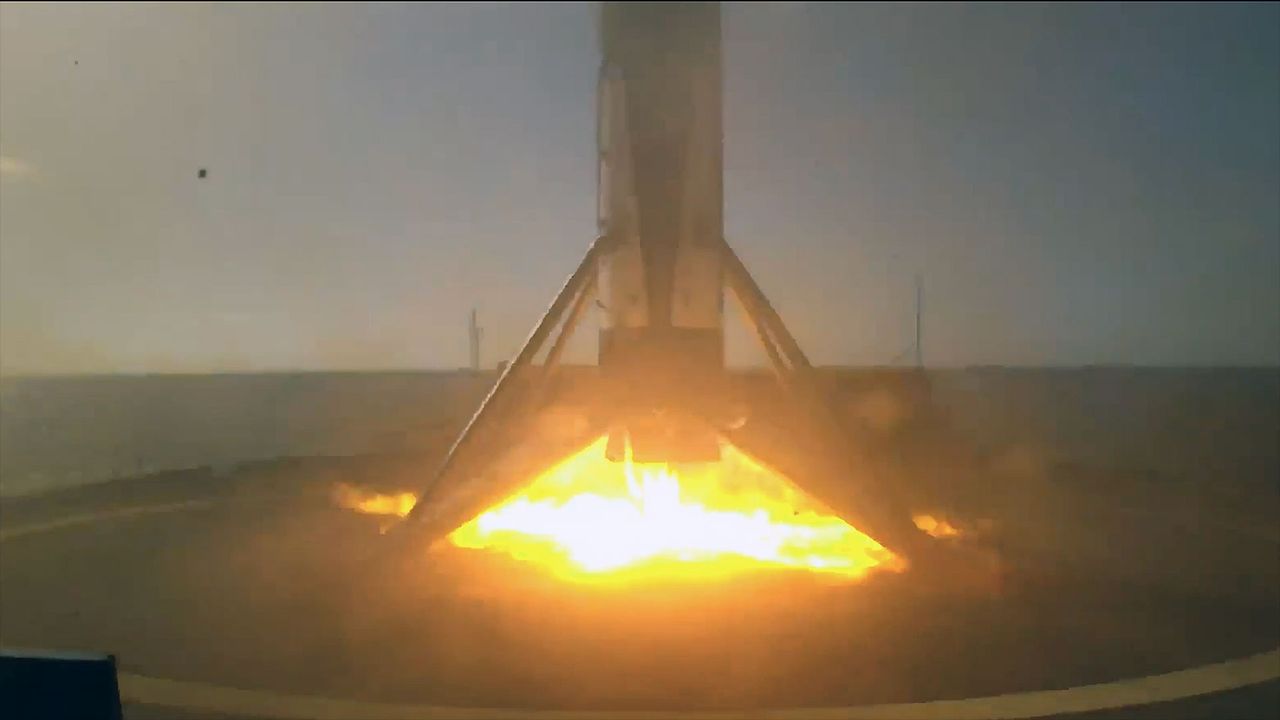
600 rocket landings! SpaceX notches another milestone during Sunday Starlink launch (video)
SpaceX achieved its 600th successful rocket landing with the recovery of Falcon 9 booster B1097 after deploying 25 Starlink satellites into low Earth orbit on April 19, 2026. This milestone marks the eighth landing for this booster and the 47th Falcon 9 launch of the year, contributing to over 10,275 satellites in the constellation.
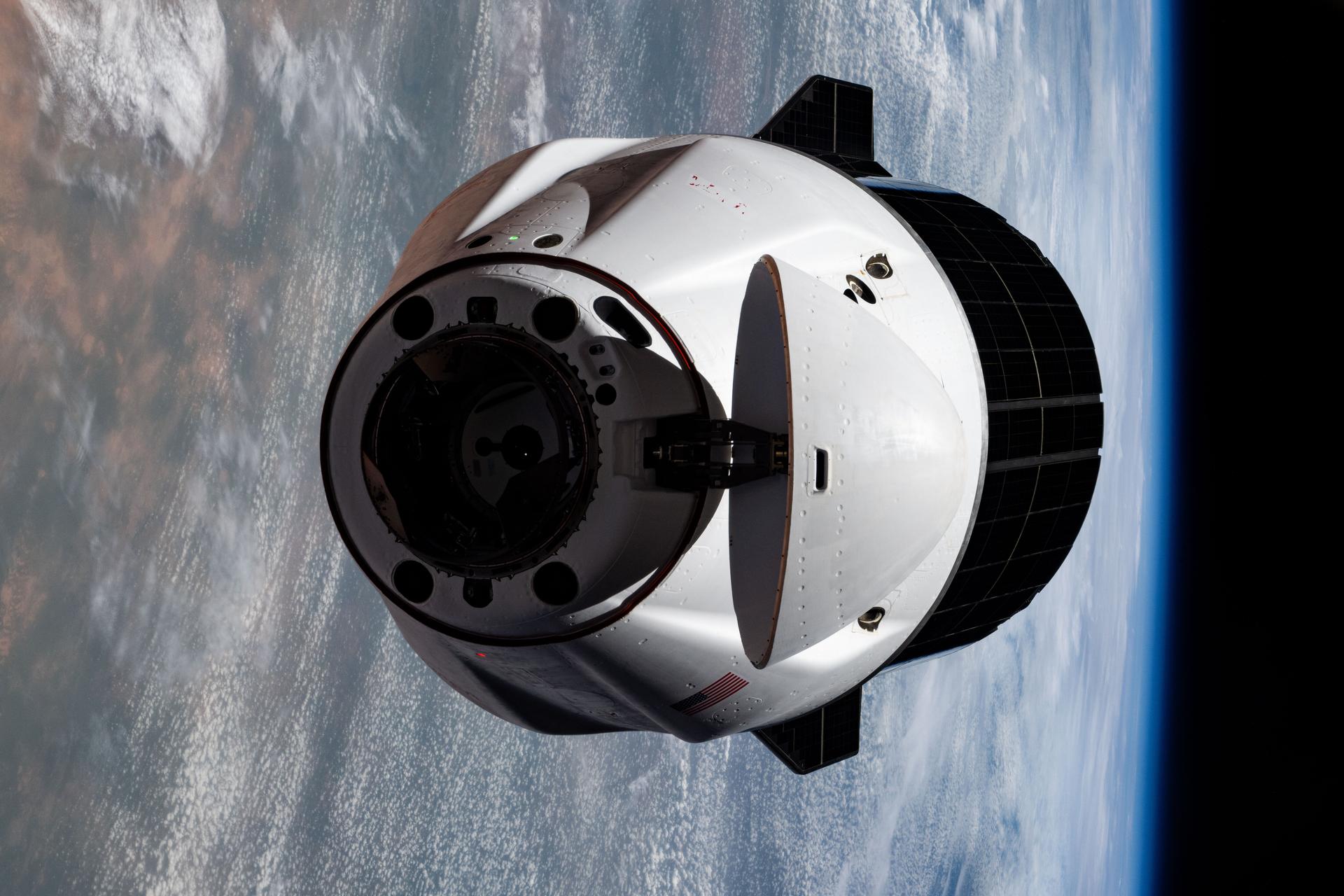
NASA Invites Media to SpaceX’s 34th Resupply Launch to Space Station
NASA has invited media to cover SpaceX's 34th Commercial Resupply Services mission, targeting launch no earlier than May 12, 2026. The Falcon 9 rocket will deliver over 5,000 pounds of science, supplies, and hardware to the International Space Station. This mission includes experiments on microgravity effects and new treatments for osteoporosis, enhancing research capabilities in space.

In the wake of Artemis 2, America needs to consider the ‘why’ of its government space program
SpaceX's innovations in space flight technology have sparked debate over the Artemis program's value, with critics arguing for a shift in funding towards commercial ventures. However, the government’s role remains crucial in establishing infrastructure and reducing risks for future missions. The $10.08 billion allocated for Artemis 4 and 5 underscores the ongoing commitment to human space exploration despite public skepticism.

China ramps up satellite production capacity amid constellation ambitions
China is rapidly expanding its satellite manufacturing capacity, aiming for 7,360 satellites annually across 55 factories. Despite this, only 371 satellites were launched in 2025, reflecting significant bottlenecks in launch capabilities and uncertain demand. The push supports the Guowang and Qianfan megaconstellations, which plan for a total of 28,000 satellites, indicating ambitious long-term goals.
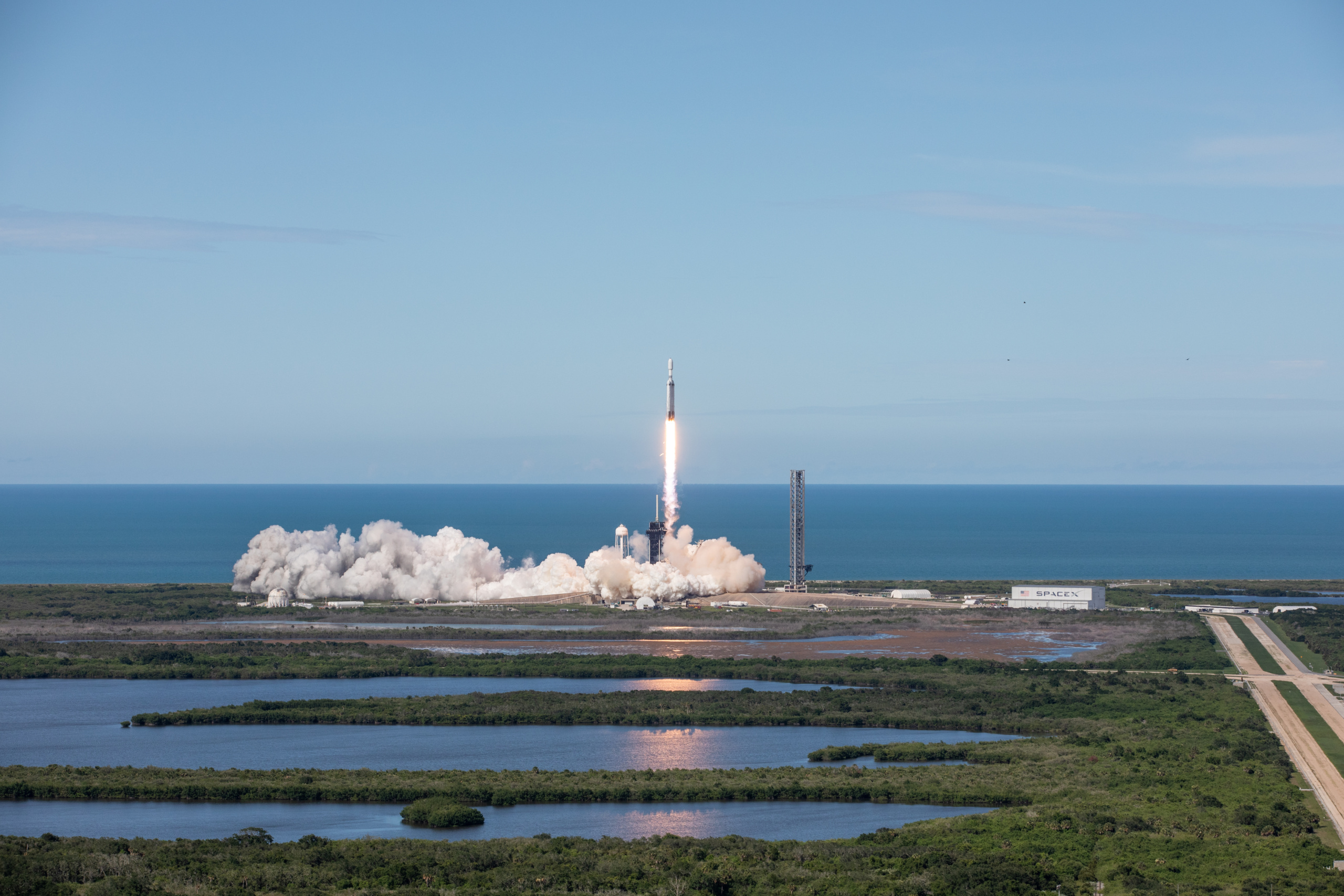
SpaceX Won A Mars Mission That Might Get Cancelled
NASA selected SpaceX's Falcon Heavy to potentially launch the Rosalind Franklin rover to Mars by late 2028 for a reported $175.7M. However, the White House's FY2027 budget proposal suggests canceling NASA's participation in the mission, putting its future in jeopardy. This marks NASA's second attempt at an ExoMars partnership after previous cancellations due to budget constraints.

Impressive Starlink deployment rate
SpaceX has launched and deployed 4,207 Starlink satellites in 469 days, significantly outpacing Amazon Leo, which plans a constellation of 3,232 satellites. Amazon faces challenges meeting FCC obligations for its Gen 1 deadline due to delays from launch providers like Arianespace and Blue Origin. The FCC has authorized a second-generation constellation with extended deployment deadlines.

Space Force weighs Vulcan flights without solid boosters
U.S. Space Force is evaluating the potential for Vulcan flights without solid rocket boosters under investigation, according to Lt. Gen. Philip Garrant. This adjustment could allow lower-energy missions to proceed while SpaceX handles critical national security launches. The situation impacts future National Security Space Launch contracts, emphasizing the need for a third launch provider amid current supply constraints.
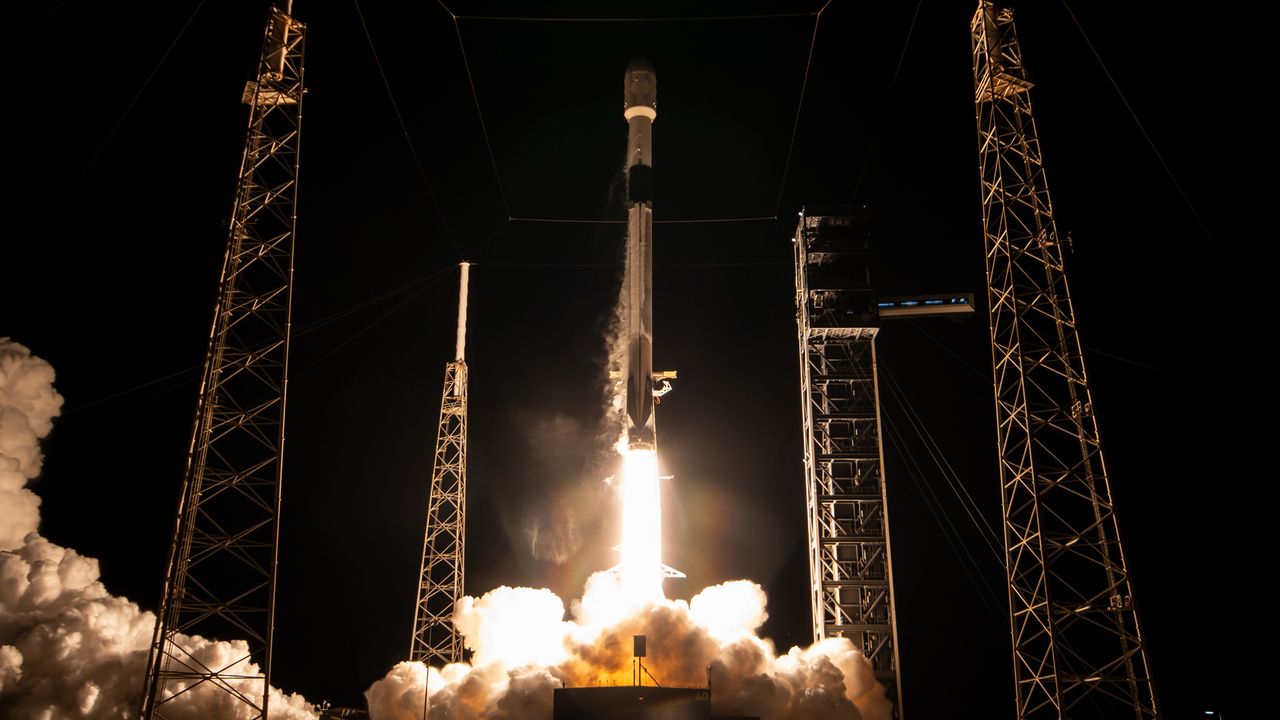
Watch SpaceX launch advanced GPS satellite for US Space Force early on April 20
SpaceX's Falcon 9 is set to launch the GPS III SV10 satellite for the U.S. Space Force on April 20, 2026, at 2:57 a.m. EDT. This mission marks the final satellite in the GPS III series, enhancing positional accuracy and jam resistance. The Falcon 9's first stage will return to Earth, marking its seventh flight.
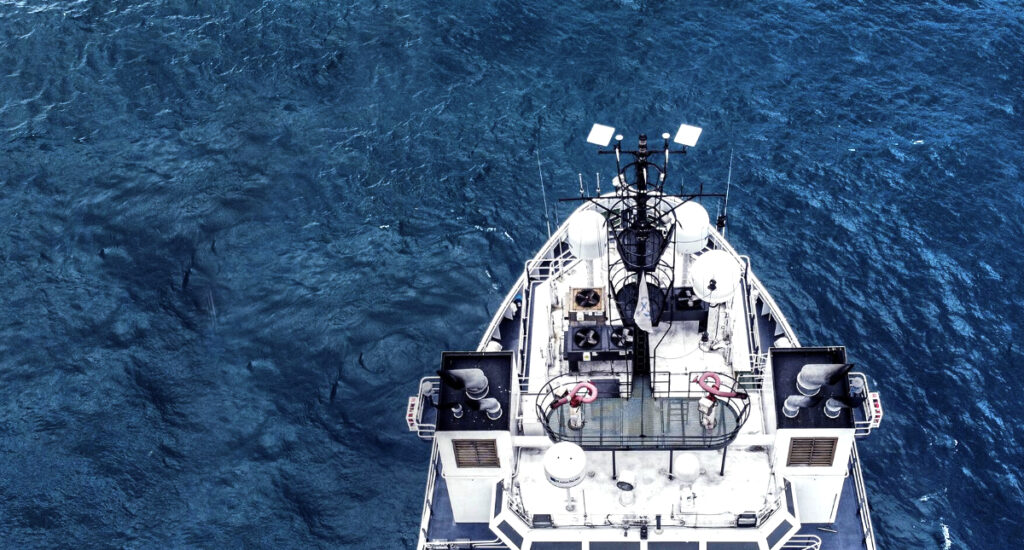
Starlink Outages Disrupt Navy Drone Tests as Pentagon Dependency Grows
Starlink outages have disrupted U.S. Navy unmanned surface vessel operations, causing significant concerns over the military's reliance on a single commercial provider. Following an $11.6 billion acquisition of Globalstar by Amazon, the Pentagon is exploring hybrid architectures to mitigate risks. Meanwhile, SpaceX is reportedly pursuing a $2 trillion IPO amid rising strategic importance in satellite communications.

Amazon+Globalstar. Turbocharging the industry
Amazon's $11.6 billion acquisition of Globalstar is set to close in 2027, granting access to its 24-satellite constellation and valuable spectrum assets. This move positions Amazon to enhance Direct-to-Device (D2D) services, potentially disrupting traditional telecom models. Analysts predict significant market impacts, with implications for competitors like SpaceX and AST SpaceMobile in the evolving D2D landscape.
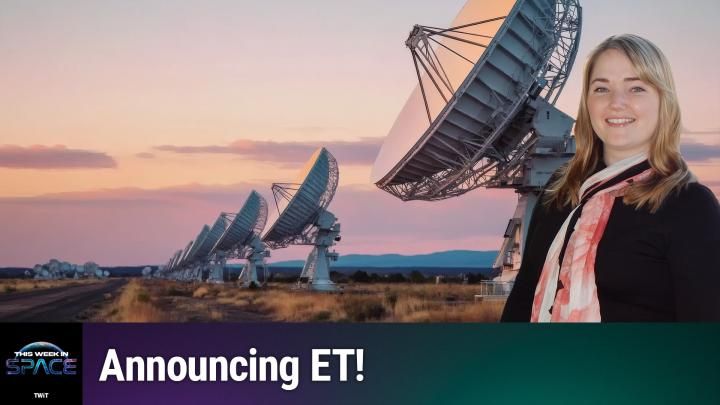
This Week In Space podcast: Episode 206 — I Want to Believe
Episode 206 of This Week In Space features Dr. Brianne Suldovsky discussing the implications of discovering alien life. The conversation explores communication challenges in an era of institutional mistrust. Additionally, the episode highlights SpaceX's advancements, including the Falcon 9 model rocket available for purchase. Tune in for insights on extraterrestrial life and space exploration.
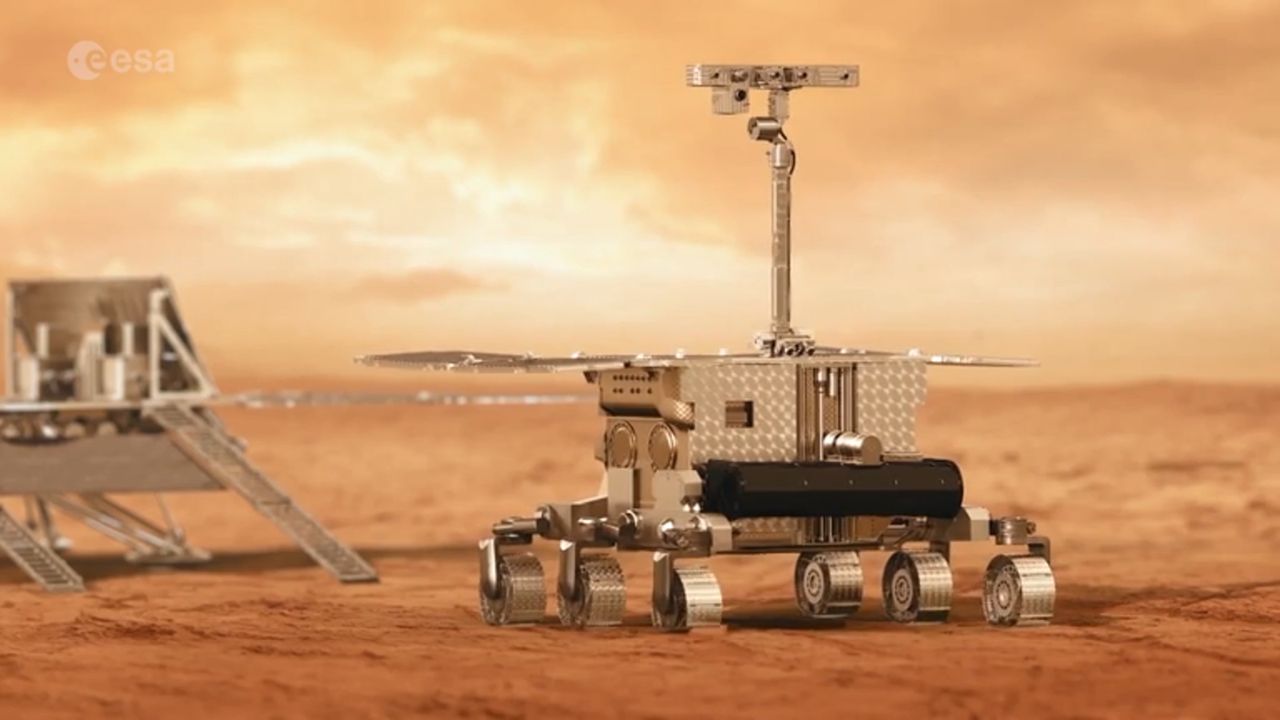
This life-hunting rover may be SpaceX's 1st-ever Mars launch
SpaceX has secured its first Mars launch with NASA selecting its Falcon Heavy rocket to deploy the Rosalind Franklin rover in late 2028. This mission, part of the ExoMars program, aims to search for signs of life on Mars. NASA will provide crucial support, including a propulsion system and specialized instruments for the rover's scientific objectives.
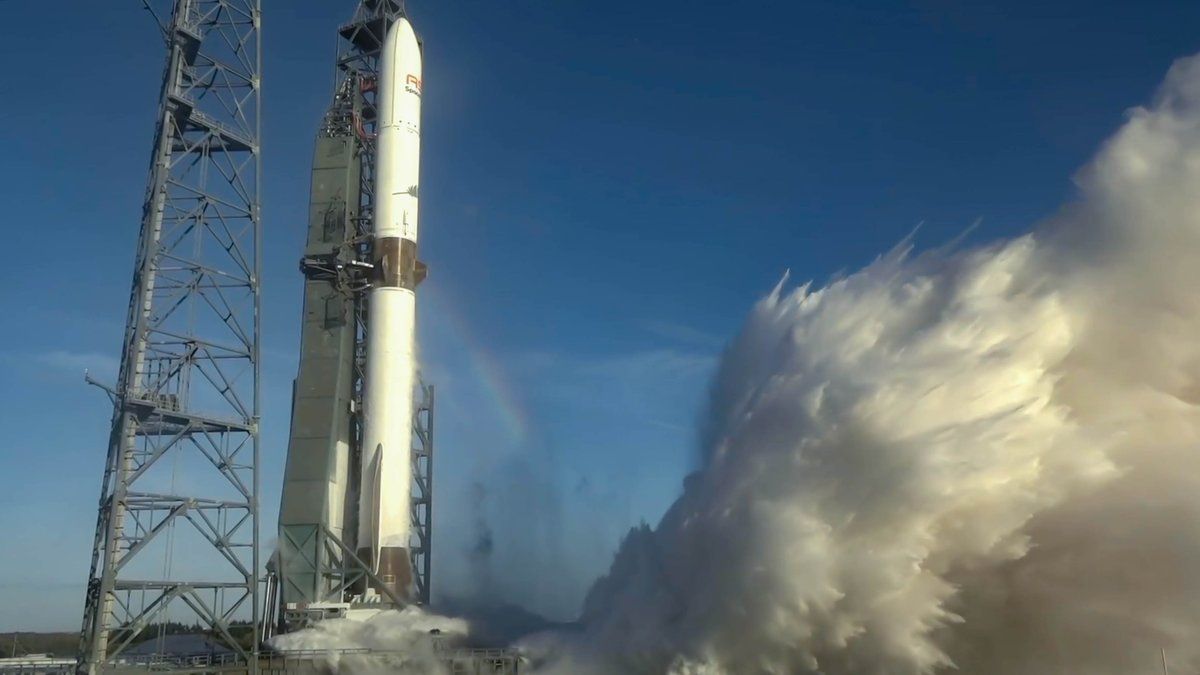
Watch live: Blue Origin reusing New Glenn rocket stage for 1st time on April 19 launch
Blue Origin's New Glenn rocket is set to launch for the third time on April 19, 2026, utilizing a previously flown first-stage booster. The NG-3 mission will deploy the BlueBird 7 satellite into LEO. This milestone aims to enhance Blue Origin's reusability capabilities, positioning it against SpaceX's established rockets like Falcon 9.
Live coverage: SpaceX attempts 600th Falcon booster landing amid West Coast Starlink mission
SpaceX is set to achieve its 600th Falcon booster landing during the Starlink 17-22 mission on March 13, 2026. The Falcon 9 rocket, utilizing booster B1097 for its seventh flight, will deploy 25 satellites into LEO. Liftoff from Vandenberg Space Force Base is scheduled for 7:33:40 a.m. PDT, with landing on drone ship OCISLY expected shortly after.
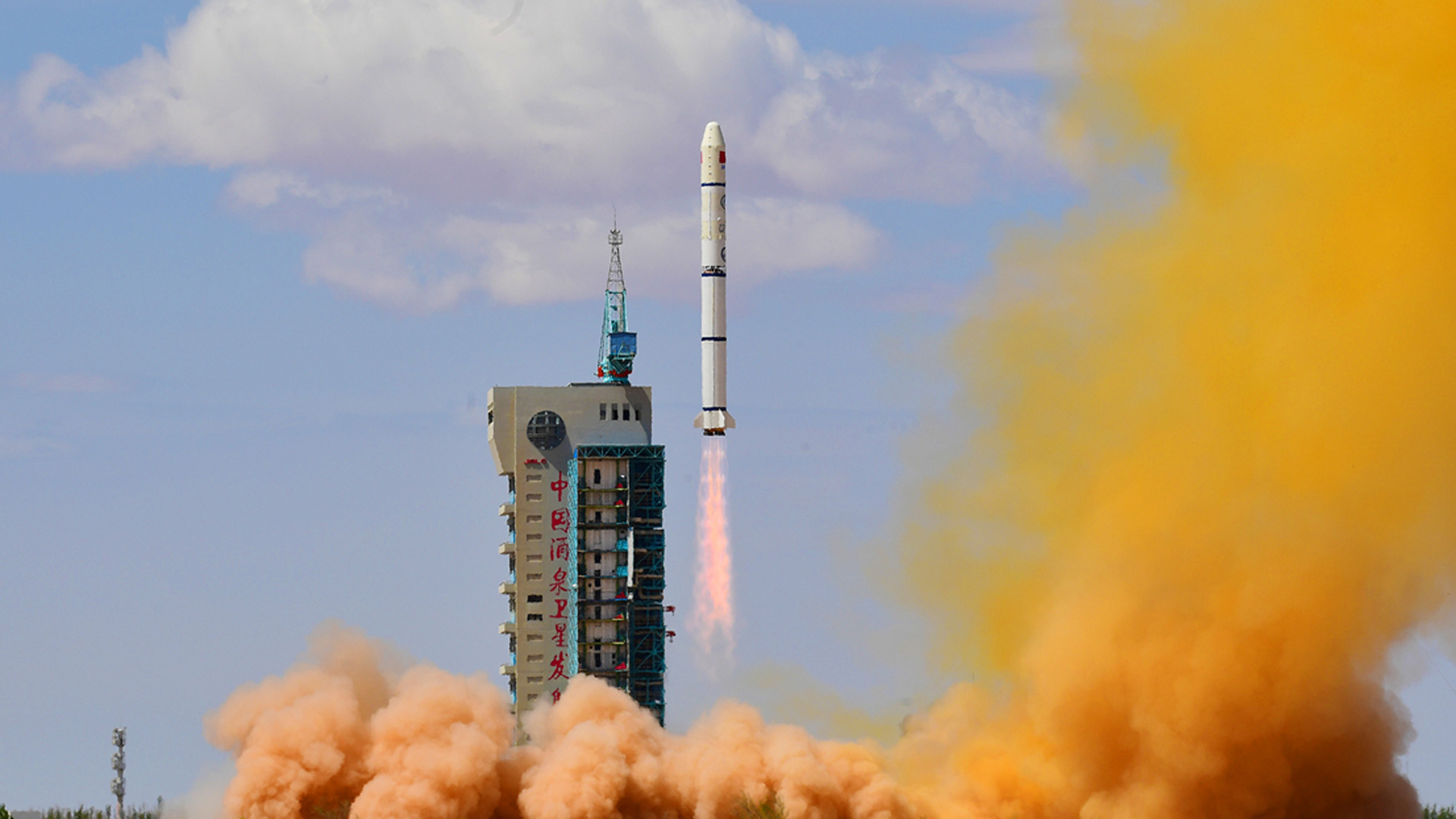
Two launches since yesterday, by Russia and China
Russia and China each completed launches on April 17, 2026. Russia's Soyuz-2 rocket deployed a classified military payload involving multiple spacecraft from Plesetsk, with debris falling into the ocean. China's Long March 4C launched a greenhouse gas detection satellite from Jiuquan, but details on the rocket's lower stages remain undisclosed. SpaceX leads with 46 launches this year.
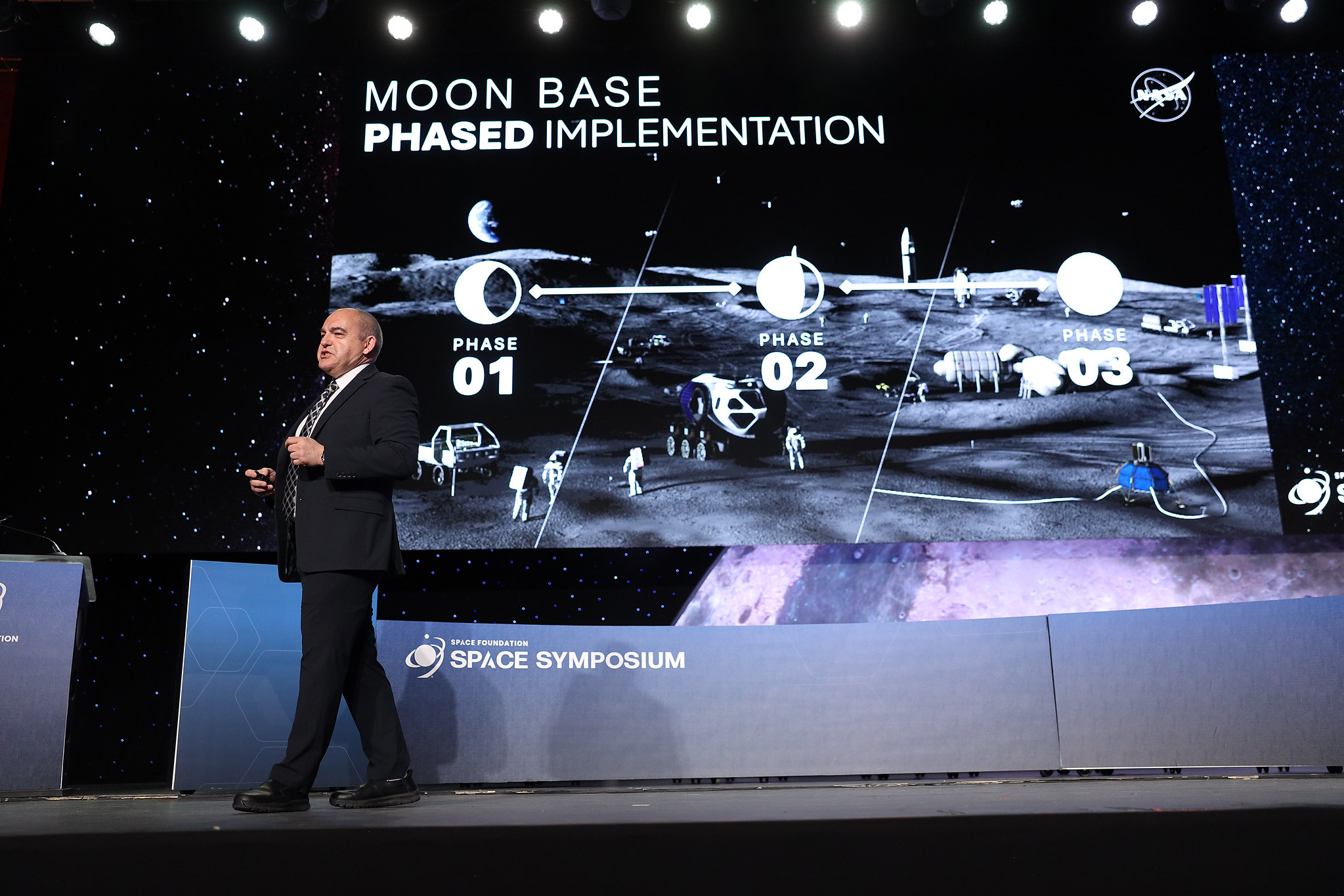
Industry panel: Moon base essentials include transportation, surface power
NASA's lunar base program requires reliable transportation, communication relays, and surface power, as discussed by industry leaders at the Space Symposium. Nick Cummings, from SpaceX, emphasized the need for regular and affordable lunar transport. Jacqueline Cortese of Blue Origin highlighted the necessity for diverse access methods, while Tim Crain from Intuitive Machines stressed the importance of a lunar communication constellation.
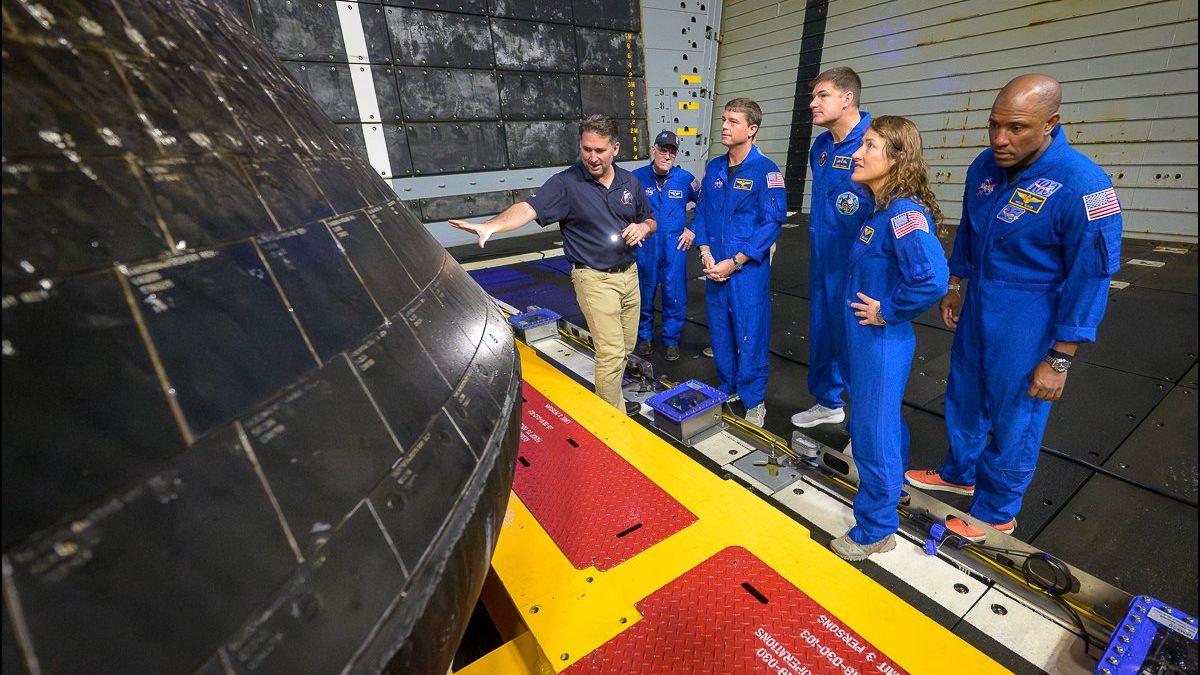
Artemis 2's heat shield seems to have aced its trial by fire
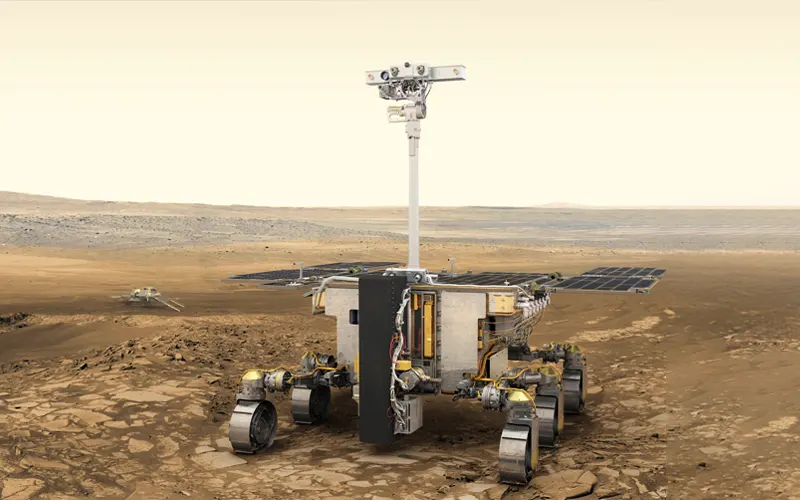
ESA’s Mars Rover to Launch Aboard SpaceX Falcon Heavy in 2028
NASA has selected a SpaceX Falcon Heavy to launch the Rosalind Franklin Mars rover for the European Space Agency no earlier than late 2028. This decision follows a partnership agreement from May 2024, with ESA independently developing the mission after cutting ties with Roscosmos. ESA awarded a €522 million contract to Thales Alenia Space on April 9, 2024, for mission elements.
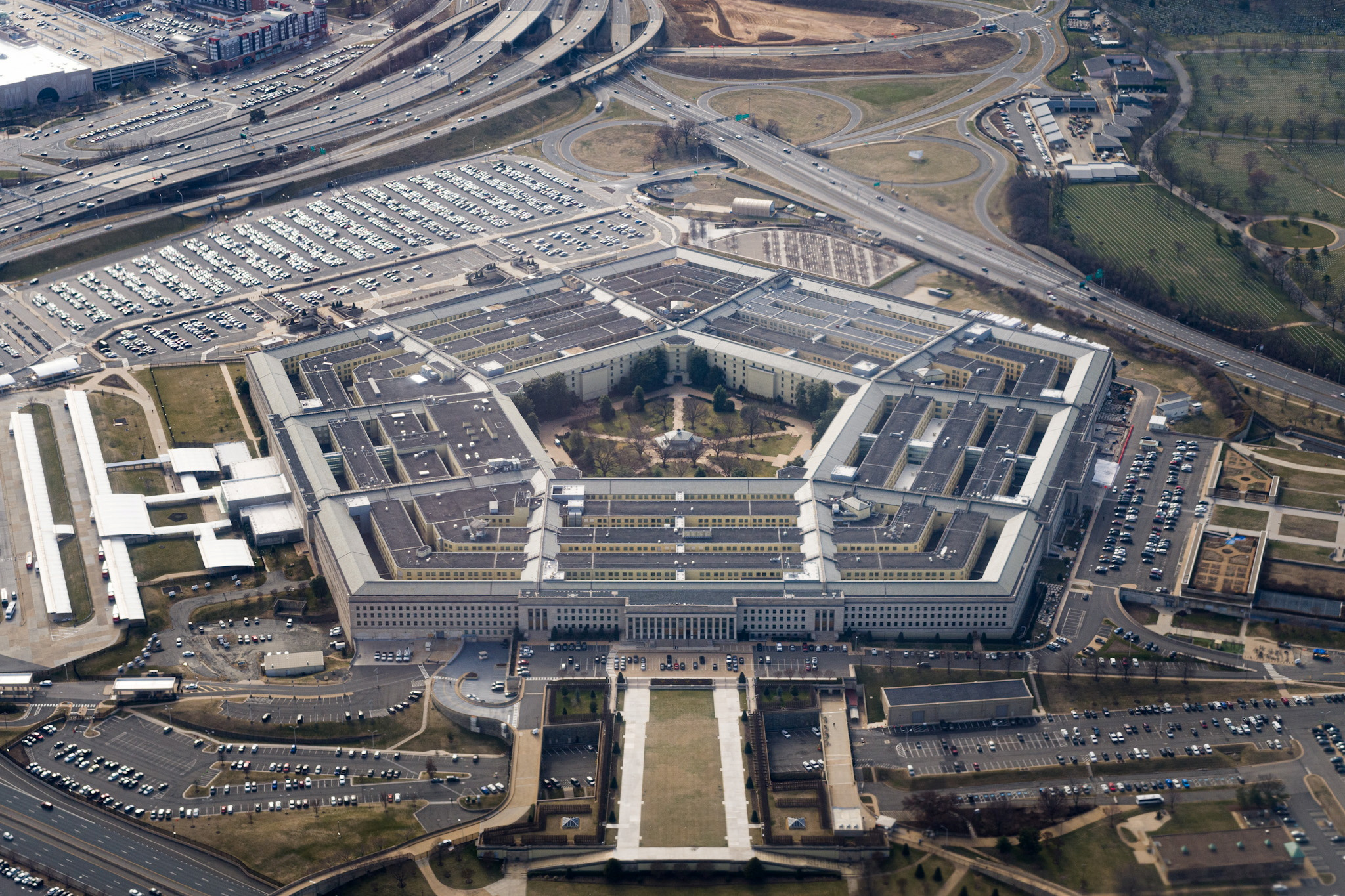
Starlink outage hit drone tests, exposing Pentagon’s growing reliance on SpaceX
SpaceX's Starlink experienced a global outage last August, disrupting U.S. Navy unmanned surface vessel operations off California. This incident underscores the Pentagon's increasing dependence on SpaceX for critical communications. The outage halted drone tests, raising concerns about the reliability of commercial satellite networks for military applications, particularly in operational scenarios requiring continuous connectivity and situational awareness.
Starlink outage hit drone tests, exposing Pentagon’s growing reliance on SpaceX
SpaceX's Starlink experienced a global outage last August, disrupting U.S. Navy tests of unmanned vessels and exposing vulnerabilities in military reliance on commercial satellite communications. The incident halted operations for nearly an hour, raising concerns among lawmakers about dependence on a single provider for critical national security capabilities. Despite competition, SpaceX maintains a dominant position in low-earth orbit communications.

Vast unveils a proposed docking port more than 3x larger than standard space station ports
Vast unveiled its proposed Large Docking Adapter, designed to exceed standard space station ports by over three times in width. Announced at the 41st Space Symposium, this adapter aims to support larger modules and crewed vehicles, with an open-source interface planned for May 2026 to foster industry collaboration. The design encourages SpaceX to adopt it for Starship integration.
Voyager wins slot to fly tourist mission to ISS in 2028
Voyager Technologies has secured a slot for the VOYG-1 tourist mission to the ISS in 2028, expected to last 14 days. This mission will involve training with NASA and international partners. Voyager leads the consortium developing Starlab, which will launch on SpaceX's Starship. Other commercial stations like Axiom and Vast also plan ISS missions.
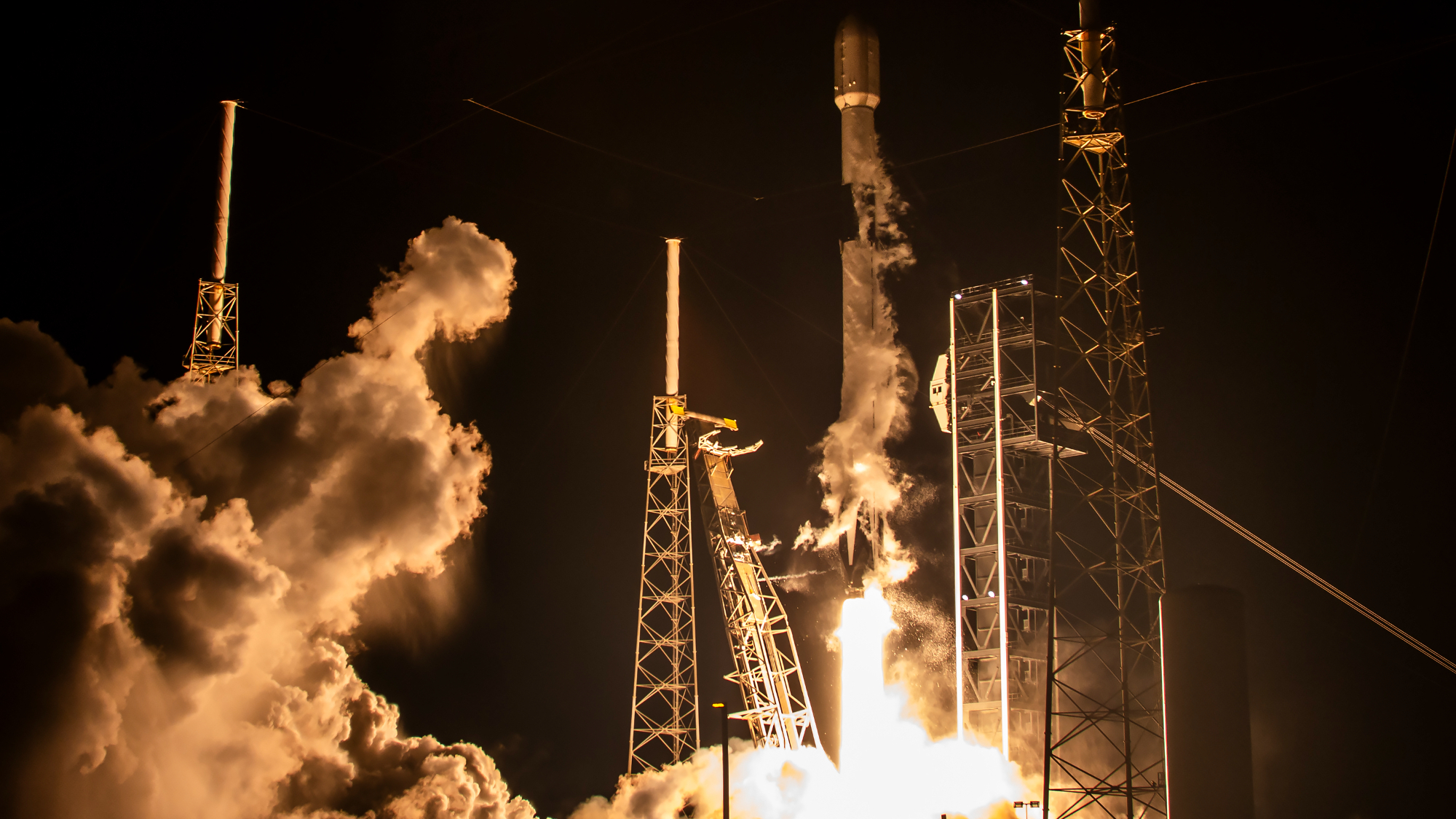
Live Coverage: West Coast SpaceX Falcon 9 mission to launch 25 Starlink satellites
SpaceX's Falcon 9 is set to launch the Starlink 17-27 mission, deploying 25 satellites. Liftoff will occur from Space Launch Complex 4 East at 9:29:49 p.m. PDT. This mission continues the expansion of the Starlink constellation, enhancing global broadband coverage. The launch is part of SpaceX's ongoing efforts to provide reliable internet services worldwide.
Isaacman ‘gaining confidence’ both landers will participate in Artemis III
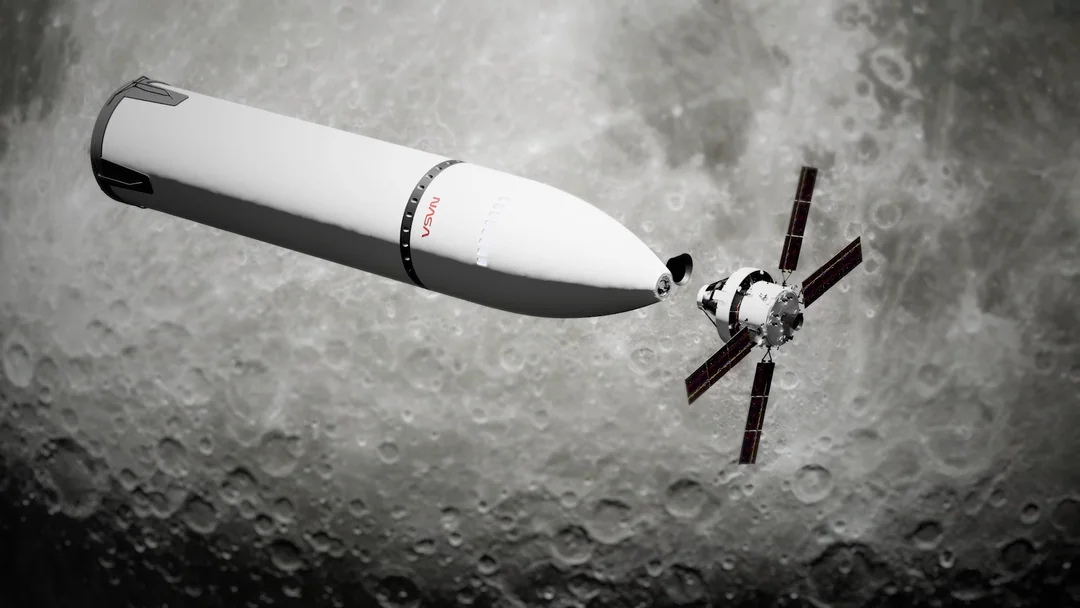
NASA is increasingly optimistic that both lunar lander providers, SpaceX and Blue Origin, will participate in the Artemis III test next year. Administrator Jared Isaacman expressed growing confidence during a recent interview. The test will involve an Orion crew capsule practicing rendezvous and docking with the landers, aiming for two lunar landings in 2028.
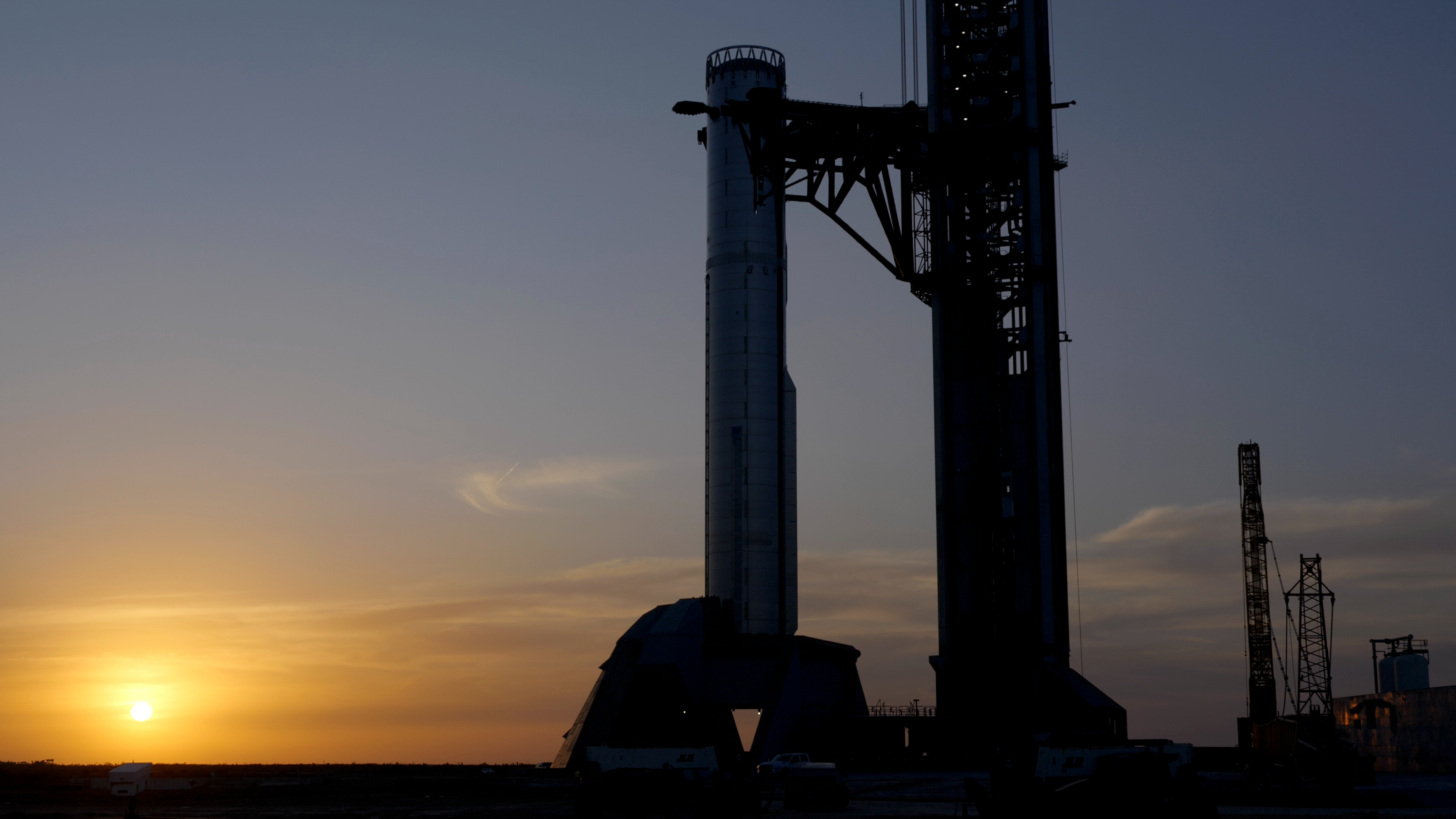
Live coverage: SpaceX to launch 1,000th Starlink satellite of 2026 on Falcon 9 rocket from Cape Canaveral
SpaceX's Starlink 10-24 mission will deploy 29 additional satellites to the Starlink constellation, marking the 1,000th satellite launch of 2026. Liftoff is set for 5:33:10 a.m. EDT from pad 40 at Cape Canaveral Space Force Station. This mission continues the expansion of the low Earth orbit network, enhancing global broadband coverage.
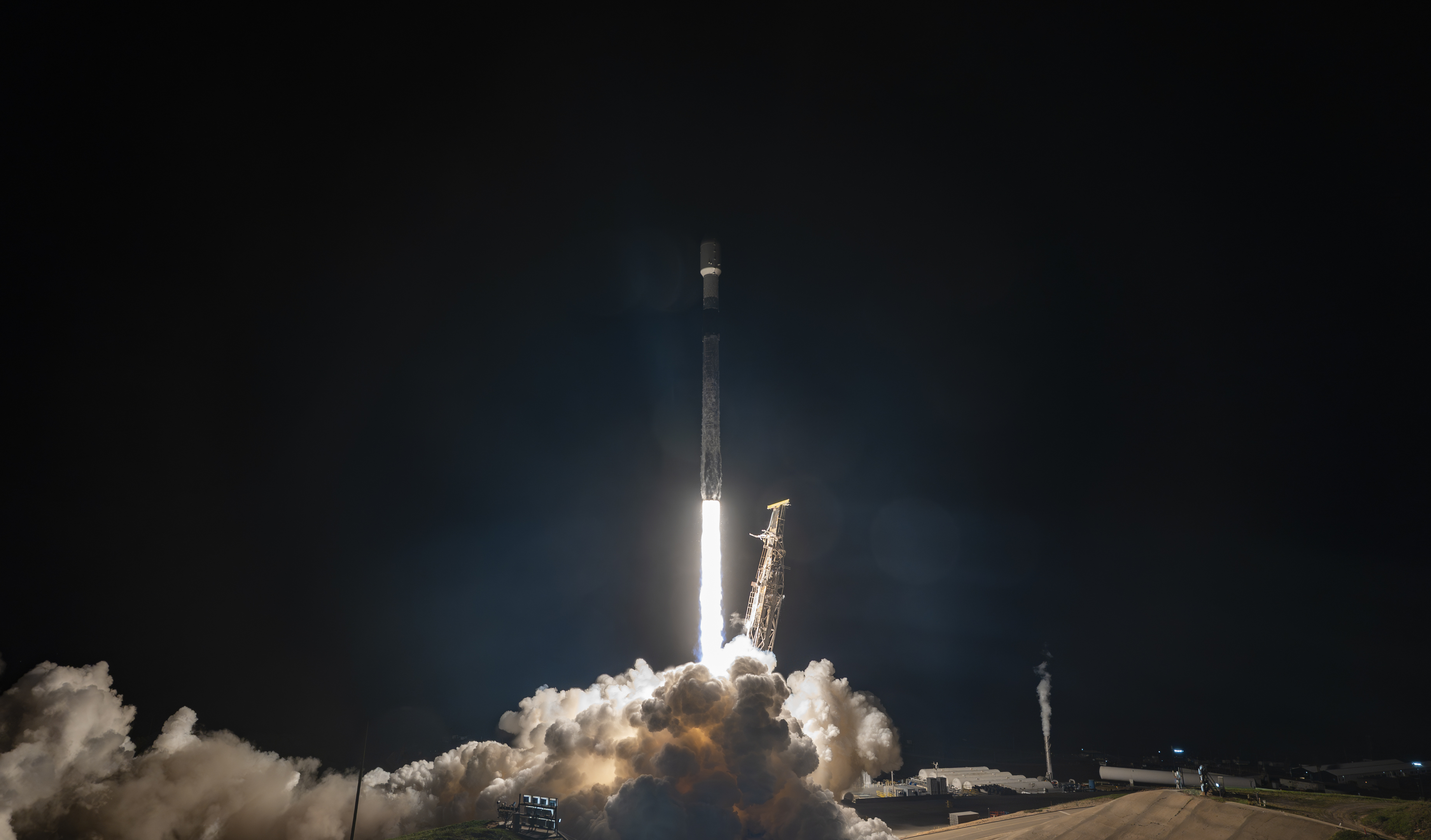
Space Station captures, berths Cygnus XL ’S.S. Steven R. Nagel’ cargo spacecraft
SpaceX's Falcon 9 successfully launched the Cygnus XL S.S. Steven R. Nagel cargo spacecraft from Cape Canaveral on April 11. The spacecraft was captured by the ISS's Canadarm2 on April 13 at 12:19 pm CT, facilitating resupply operations. This mission underscores the ongoing collaboration between commercial launch providers and NASA for ISS logistics and support.

“SpaceX and the biggest IPO in history”
Chris Forrester discusses Elon Musk's plans for an Initial Public Offering (IPO), highlighting its potential to be the largest in history. The article reflects on the implications for SpaceX and its future endeavors, particularly in the context of the commercial space sector. The focus remains on financial aspects rather than specific technical developments or missions.

Falcon 9 launches Cygnus cargo spacecraft to the ISS
Falcon 9 launched the NG-24 Cygnus XL spacecraft on April 11, deploying it into low Earth orbit for Northrop Grumman's ISS resupply mission. The spacecraft, carrying 5,000 kg of cargo, is scheduled to arrive at the ISS on April 13. This mission continues Northrop's reliance on Falcon 9 following the retirement of its Antares 230+ rocket.

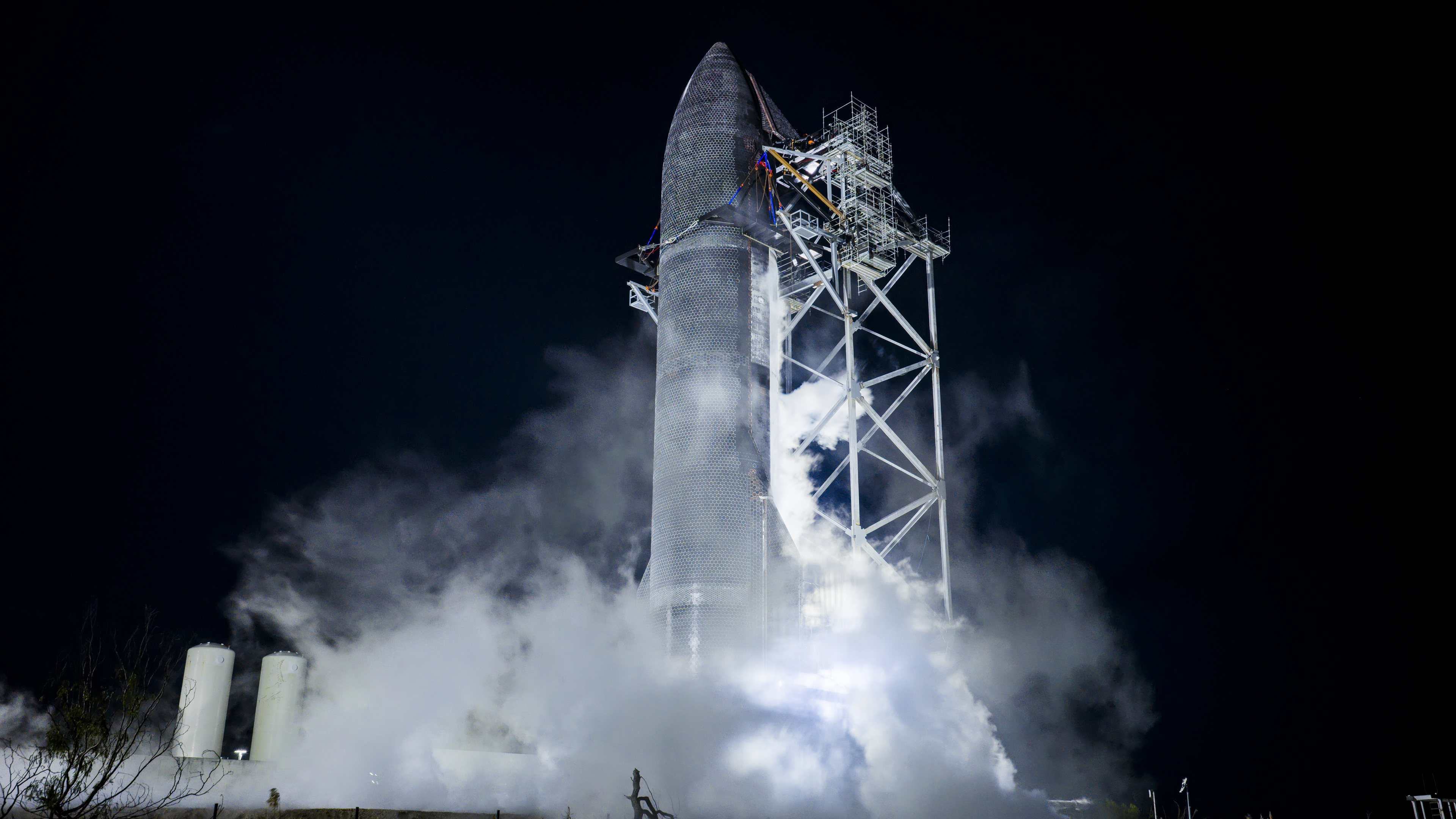
SpaceX continues refinements at Starbase Pad 2 ahead of Booster 19 return
SpaceX is enhancing operations at Pad 2 in Starbase in anticipation of the return of Booster 19. These refinements are critical for optimizing the pad's readiness for upcoming missions. The focus remains on ensuring all systems are operational and efficient, aligning with the company's ongoing commitment to reusability and rapid turnaround times for its launch vehicles.
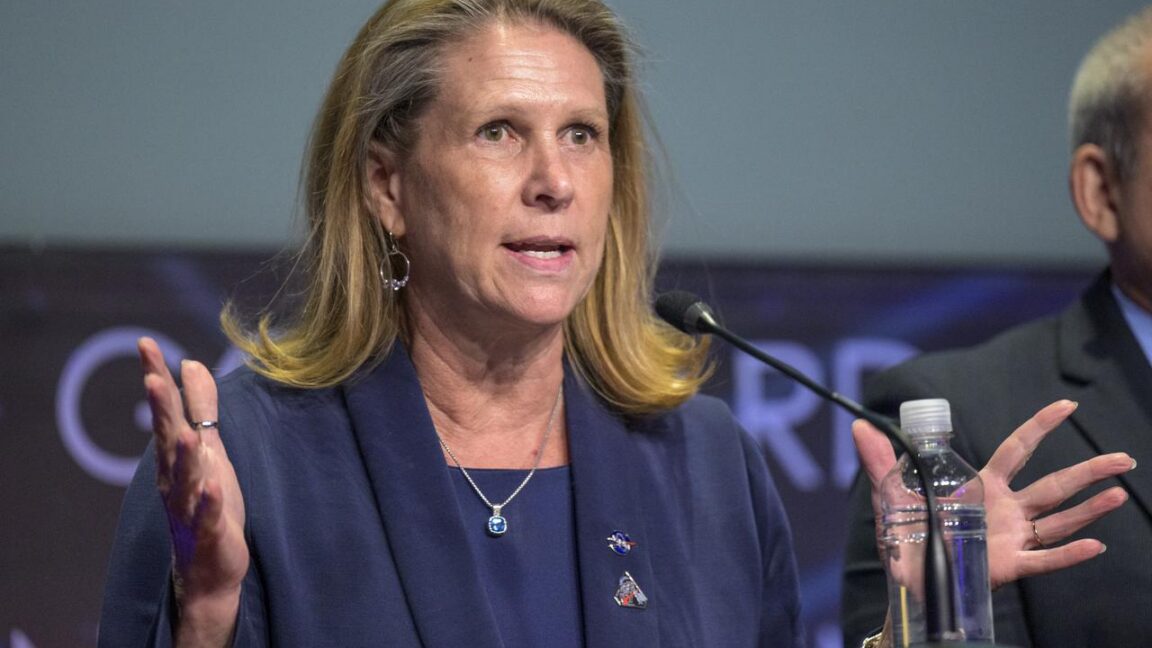
NASA's Moon ship and rocket seem to be working well, so what about the landers?
NASA's lunar program shows promising progress with Blue Origin and SpaceX demonstrating commitment to lander development. Lori Glaze emphasized the importance of collaboration in achieving mission objectives. As the lunar landers are crucial for upcoming Artemis missions, their successful integration with the SLS and Orion systems will be vital for sustained lunar exploration efforts.
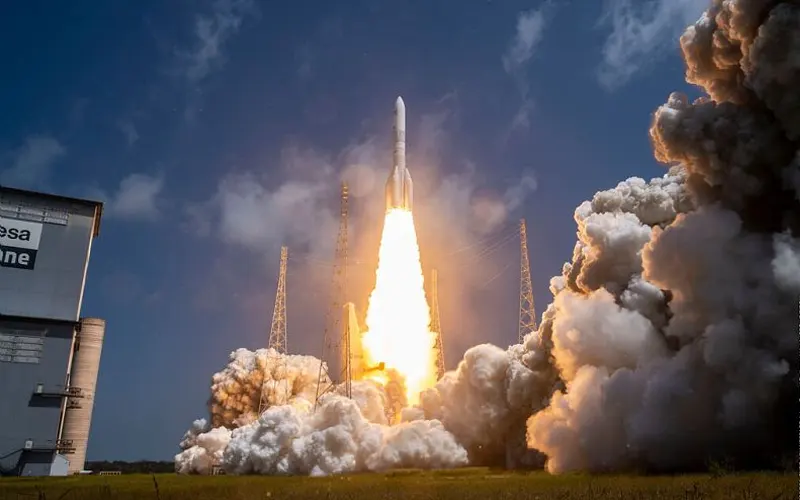
SpaceX Files FCC Complaint Over Ariane 64 Amazon LEO Launch
SpaceX filed a complaint with the FCC alleging that Arianespace and Amazon launched 32 satellites into an unauthorized higher orbit during a February Ariane 64 mission. Amazon expressed surprise at SpaceX's lack of prior objections regarding the launch. The complaint raises concerns over regulatory compliance and orbital management in the competitive LEO satellite market.

Scottish space companies pioneer next-generation satellite communications with SpaceX launch
SpaceX launched three satellites from Spire Global and AAC Clyde Space aboard the Transporter-16 mission, advancing UK capabilities in laser communications. Funded by the UK Space Agency through the Pioneer Programme, these satellites will enhance decision-making in agriculture and environmental management. The UK plans to invest over £600 million in satellite communications R&D in the coming years.

Ignition, not yet liftoff, of NASA’s ambitious Artemis Moonbase plans | Moon Monday #268
NASA announced plans for a $30 billion Moonbase under the Artemis program, aiming for completion within a decade. The Gateway program is paused, with its power module repurposed for the Space Reactor-1 mission to Mars in 2028. This shift allows SpaceX and Blue Origin to develop crewed landers without Gateway's orbit constraints, improving lunar landing prospects.
SpaceX launches 119 payloads on smallsat rideshare mission from California
SpaceX's Transporter-16 mission successfully launched 119 payloads via Falcon 9 from Vandenberg Space Force Base. This marks the 21st mission in the smallsat rideshare program, enhancing the company's capabilities in deploying multiple small satellites simultaneously. Liftoff occurred at 4:02 a.m. PDT, demonstrating continued operational efficiency in the rideshare segment of the launch market.
SpaceX launches batch of Starlink satellites from the West Coast
SpaceX successfully launched the Starlink 17-17 mission from Vandenberg Space Force Base, deploying a batch of satellites. Liftoff occurred at 4:03 p.m. PDT, marking another step in the expansion of the Starlink constellation. This mission continues to enhance global broadband coverage, contributing to the growing demand for satellite internet services in various regions worldwide.