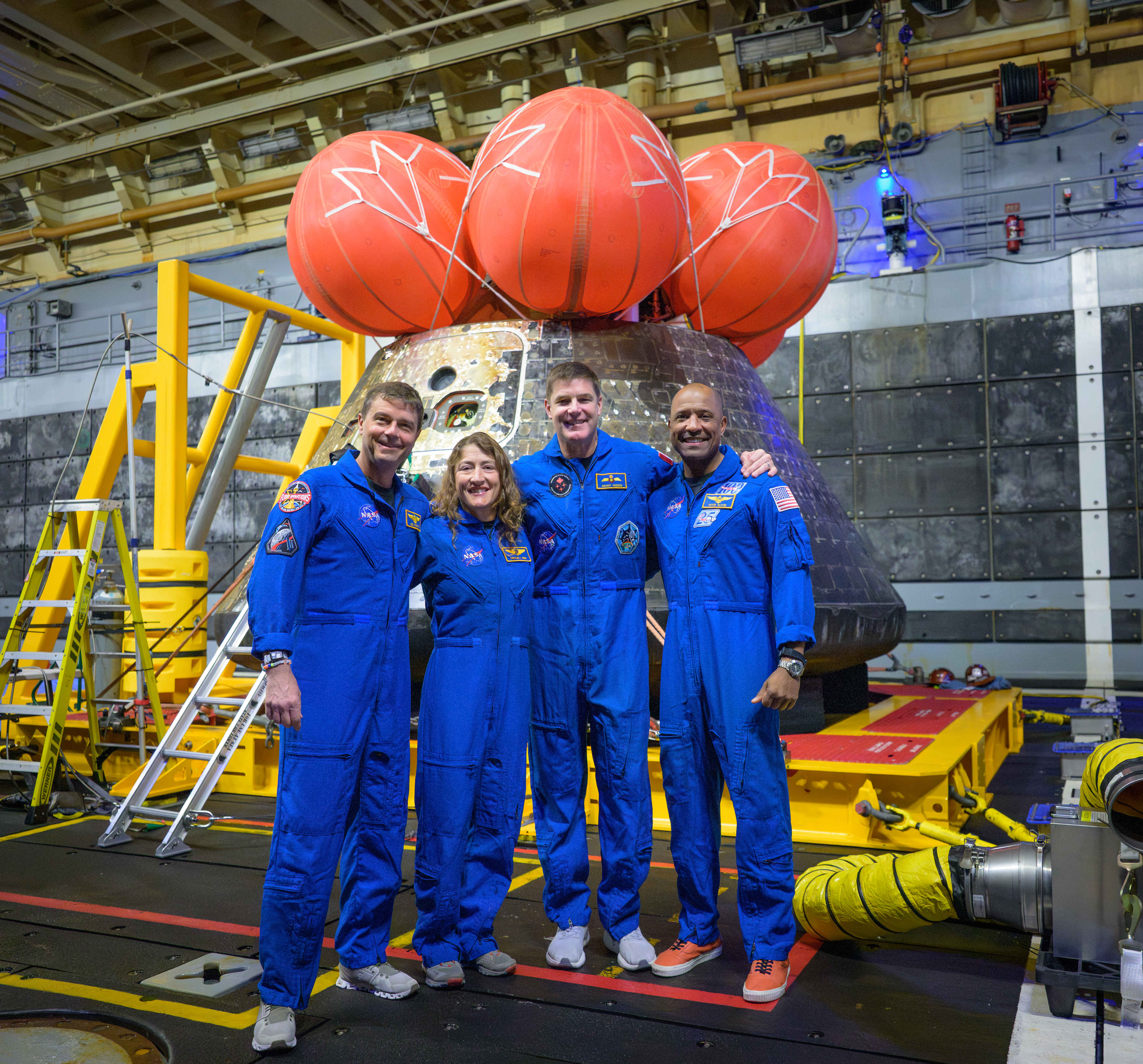
What Are Ames’ Contributions to Artemis II?
NASA's Ames Research Center significantly contributed to Artemis II, enhancing the Orion spacecraft's heat shield and aerothermal simulations. The mission, launched on April 1, 2026, marked the first crewed lunar flight in over 50 years, with astronauts Reid Wiseman, Victor Glover, Christina Koch, and Jeremy Hansen aboard. Key innovations included 3D-MAT compression pads and advanced modeling tools for safer reentry.
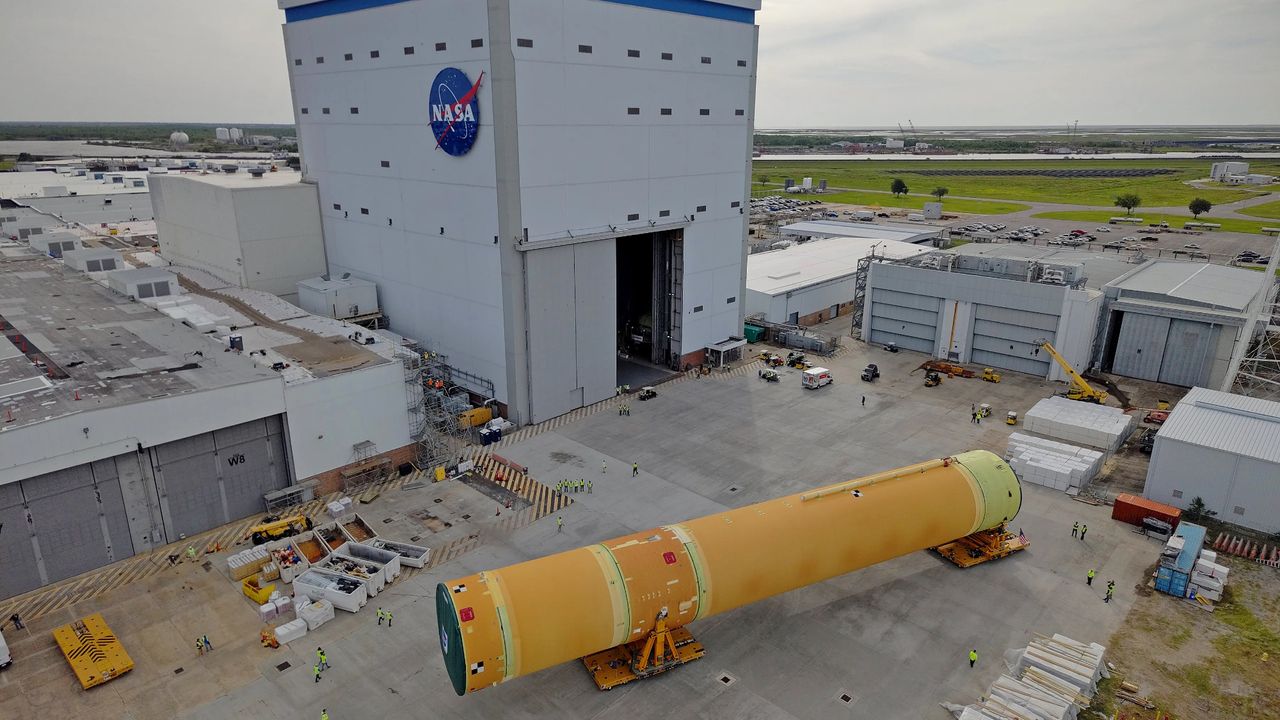
NASA rolls out Artemis 3 SLS rocket's huge core stage to gear up for 2027 launch (photo)
NASA rolled out the core stage of the Space Launch System (SLS) rocket for the Artemis 3 mission on April 20, 2026, from Michoud Assembly Facility to the Pegasus barge. This milestone advances preparations for the targeted mid-2027 launch, which will involve testing rendezvous operations with Orion and private lunar landers, including SpaceX's Starship and Blue Origin's Blue Moon.
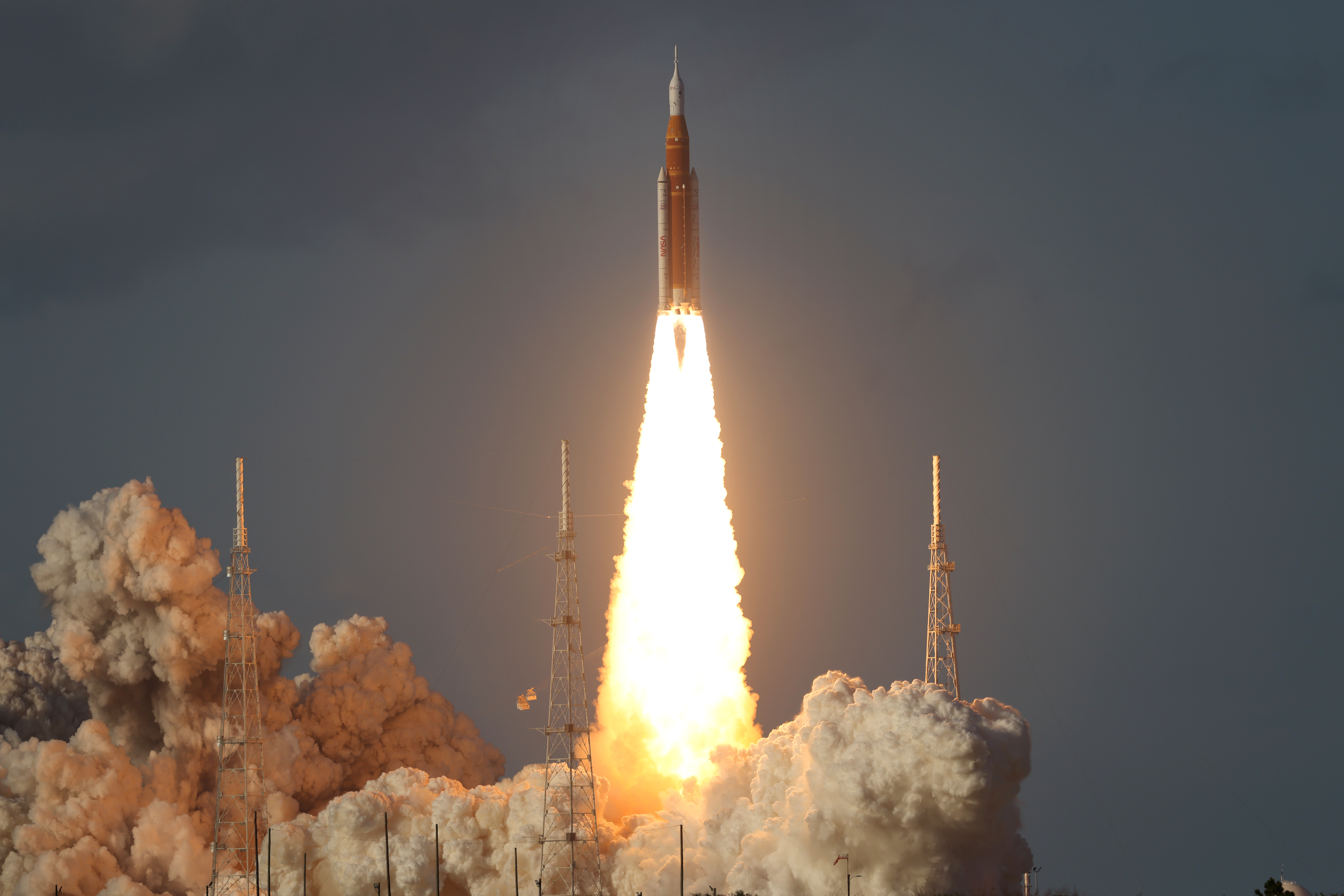
NASA on Track for Future Missions with Initial Artemis II Assessments
NASA's Orion spacecraft successfully completed its Artemis II mission, splashing down on April 10, 2026, after a 694,481-mile journey. Engineers are analyzing performance data from the SLS rocket and launch systems. Initial assessments indicate the heat shield performed well, with reduced char loss compared to Artemis I, and the crew module will undergo further inspections at Kennedy Space Center.

NASA Rolls Out Artemis III Moon Rocket Core Stage
NASA rolled out the core stage of the SLS rocket for the Artemis III mission on April 20, 2026, transporting it from the Michoud Assembly Facility to the Pegasus barge. This stage, measuring 212 feet tall, will provide over 2 million pounds of thrust using four RS-25 engines, crucial for the crewed lunar landing planned for 2027.

NASA's Moon ship and rocket seem to be working well, so what about the landers?
NASA's lunar program shows promising progress with Blue Origin and SpaceX demonstrating commitment to lander development. Lori Glaze emphasized the importance of collaboration in achieving mission objectives. As the lunar landers are crucial for upcoming Artemis missions, their successful integration with the SLS and Orion systems will be vital for sustained lunar exploration efforts.
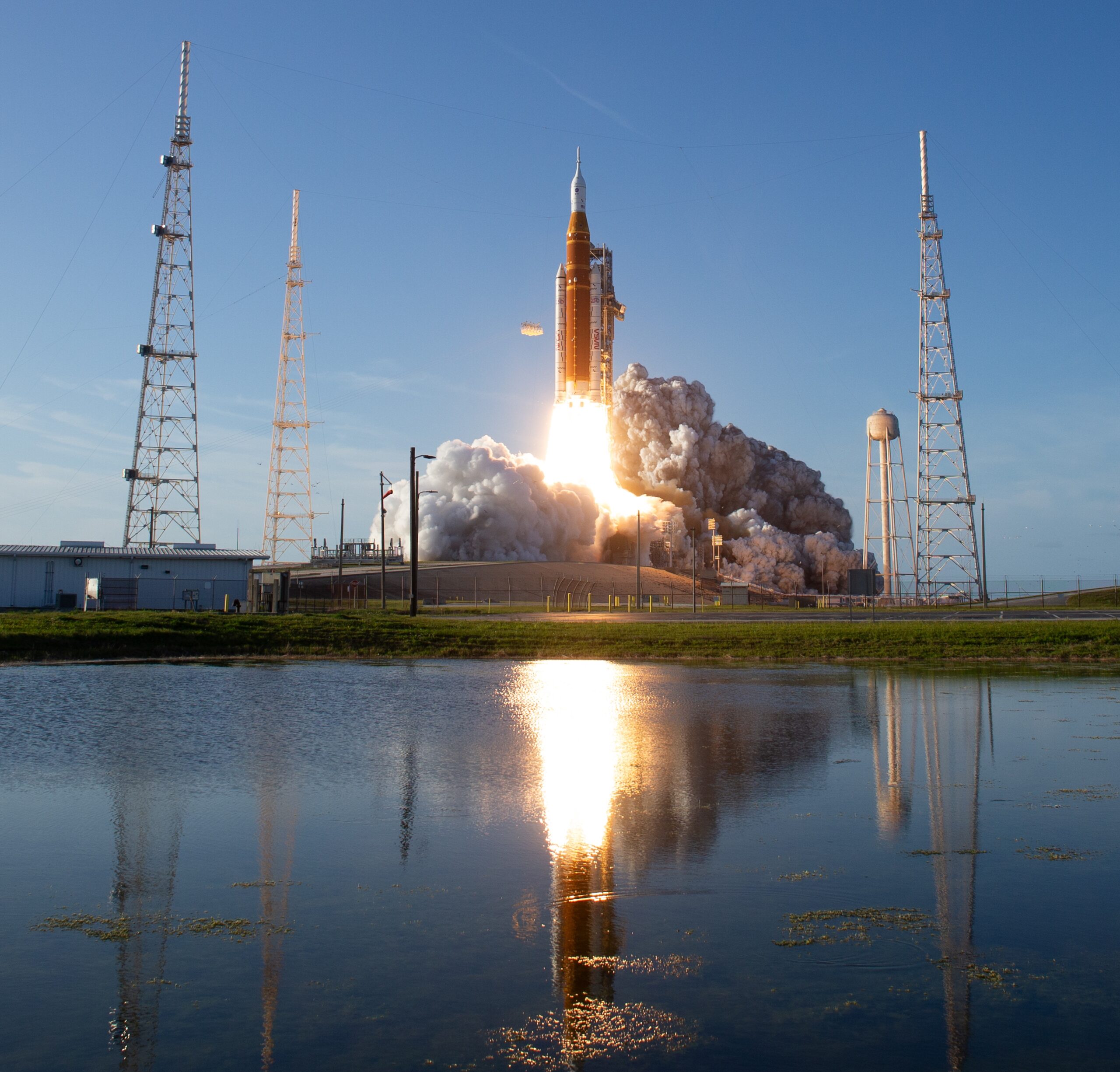
Witnessing lift off of first humans to venture to the Moon since 1972
NASA’s Artemis II mission successfully launched on April 1, 2026, carrying four astronauts aboard the SLS rocket from Kennedy Space Center. This historic flight marks the first crewed lunar mission since 1972, featuring Jeremy Hansen, Christina Koch, and Victor Glover. The mission includes a 10-day journey around the Moon, showcasing significant milestones for space exploration.
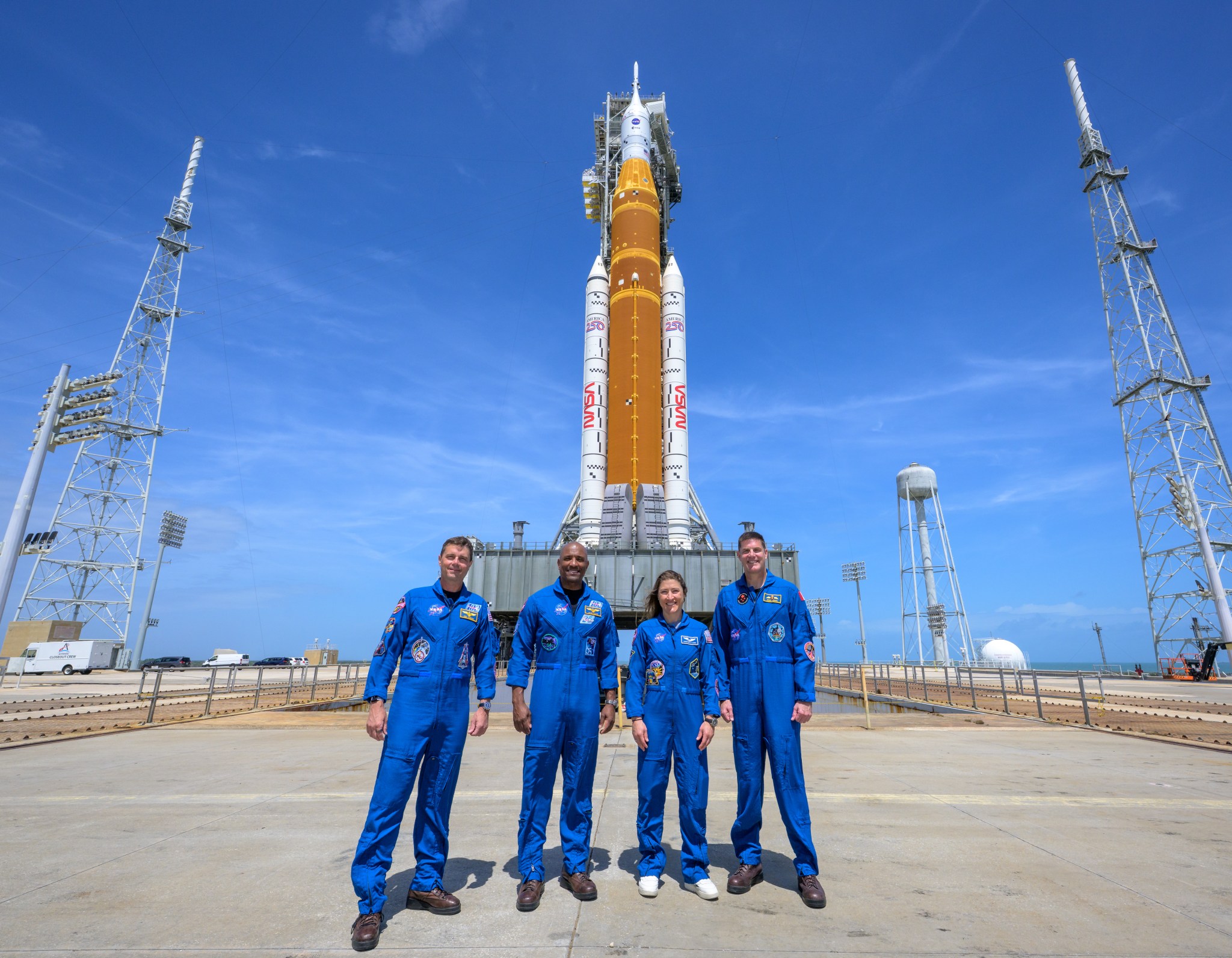
Artemis 2 crew blasts off on historic moon mission
Artemis II crew, comprising three men and one woman, launched aboard the SLS rocket, marking a significant step towards establishing a lunar base. This mission aims to facilitate future lunar landings and enhance human presence on the Moon. The SLS remains the most powerful operational rocket, showcasing advanced capabilities for deep space exploration.

Meet the Crew of Artemis II
NASA's Artemis II crew, including Reid Wiseman, Christina Koch, Victor Glover, and Jeremy Hansen, will embark on a 10-day lunar mission aboard the Orion spacecraft atop the Space Launch System (SLS) rocket. This mission will validate deep space systems and pave the way for future lunar surface exploration, including landing the first woman and person of color on the Moon.
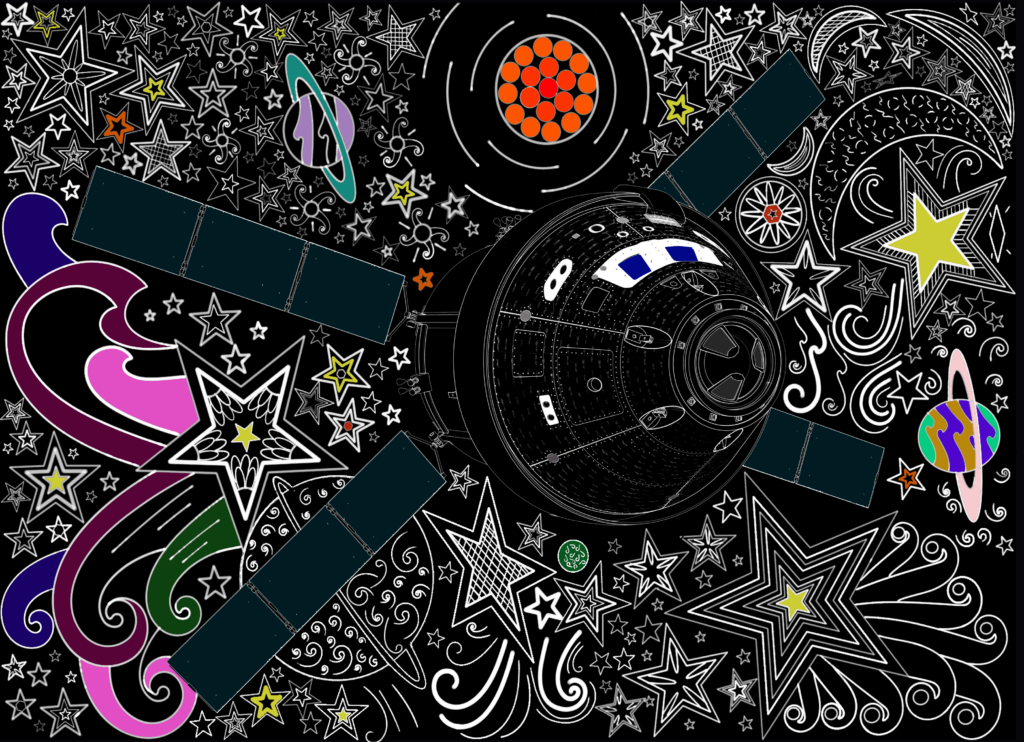
Artemis II Fun Activities
NASA’s Artemis II mission is set to launch as early as April 1, 2026, marking humanity's return to lunar orbit since 1972. Activities for youth include building models of the Orion spacecraft and SLS rocket, alongside drawing guides. The Orion Crew Survival System suit ensures astronaut safety during missions, while the Lunar Terrain Vehicle enhances exploration capabilities.
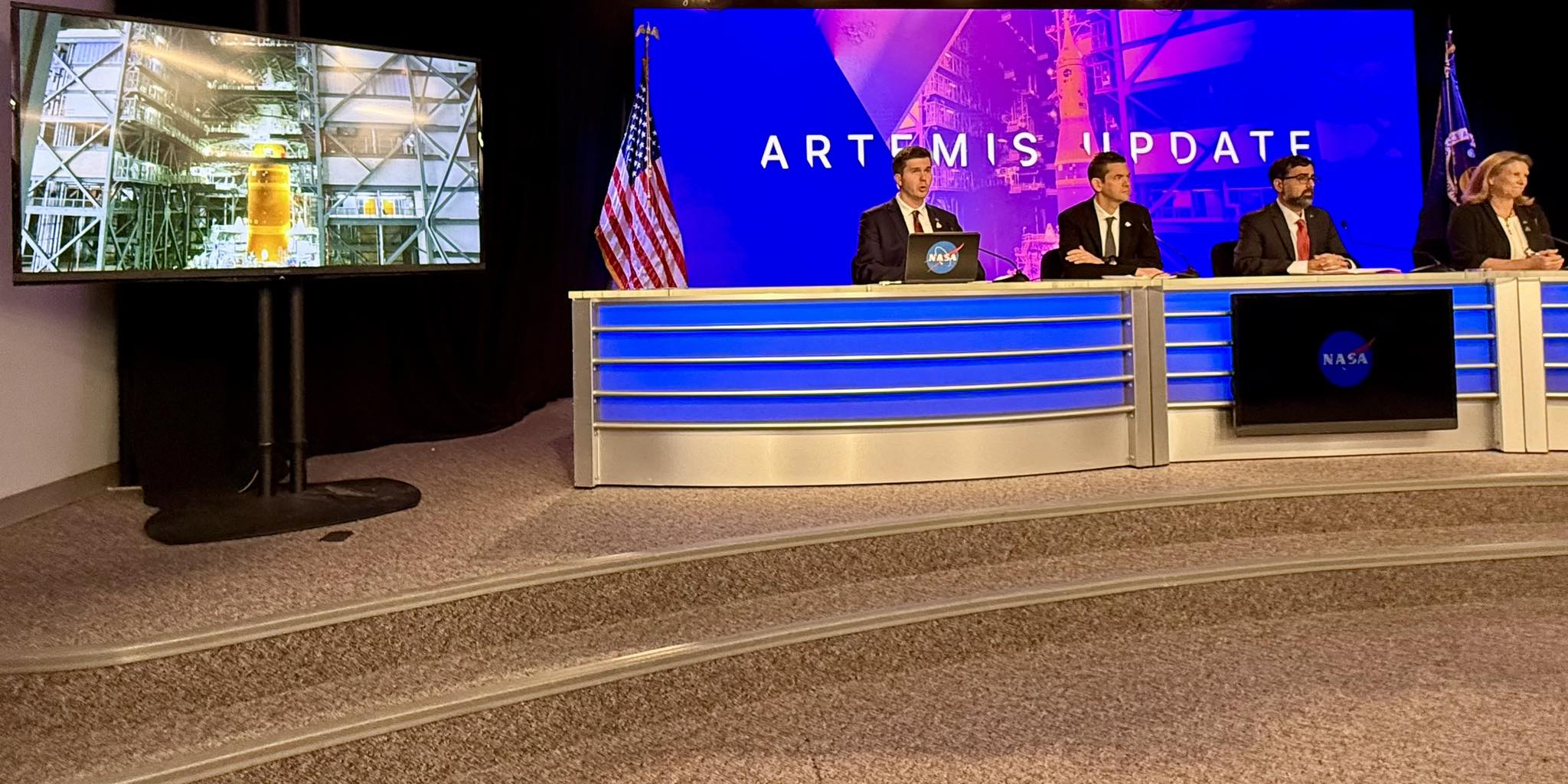
NASA announces major changes to Artemis lunar mission plans
NASA Administrator Jared Isaacman announced significant changes to the Artemis lunar mission during a press conference on February 27, 2026. The revised plan includes increasing the flight cadence of the SLS and Orion rockets, adding a test flight, and modifying Artemis III to focus on lunar lander docking in Earth orbit, with missions IV and V planned for 2028.