NASA at SXSW: Johnson Director Vanessa Wyche on Why Artemis Changes Everything
NASA's Artemis program, articulated by Vanessa Wyche, aims to revolutionize human spaceflight by establishing a sustainable lunar presence as a precursor to Mars missions. Wyche emphasized international partnerships and the role of the International Space Station in developing critical technologies. The strategy integrates commercial collaboration to enhance capabilities from low Earth orbit to deep space exploration.
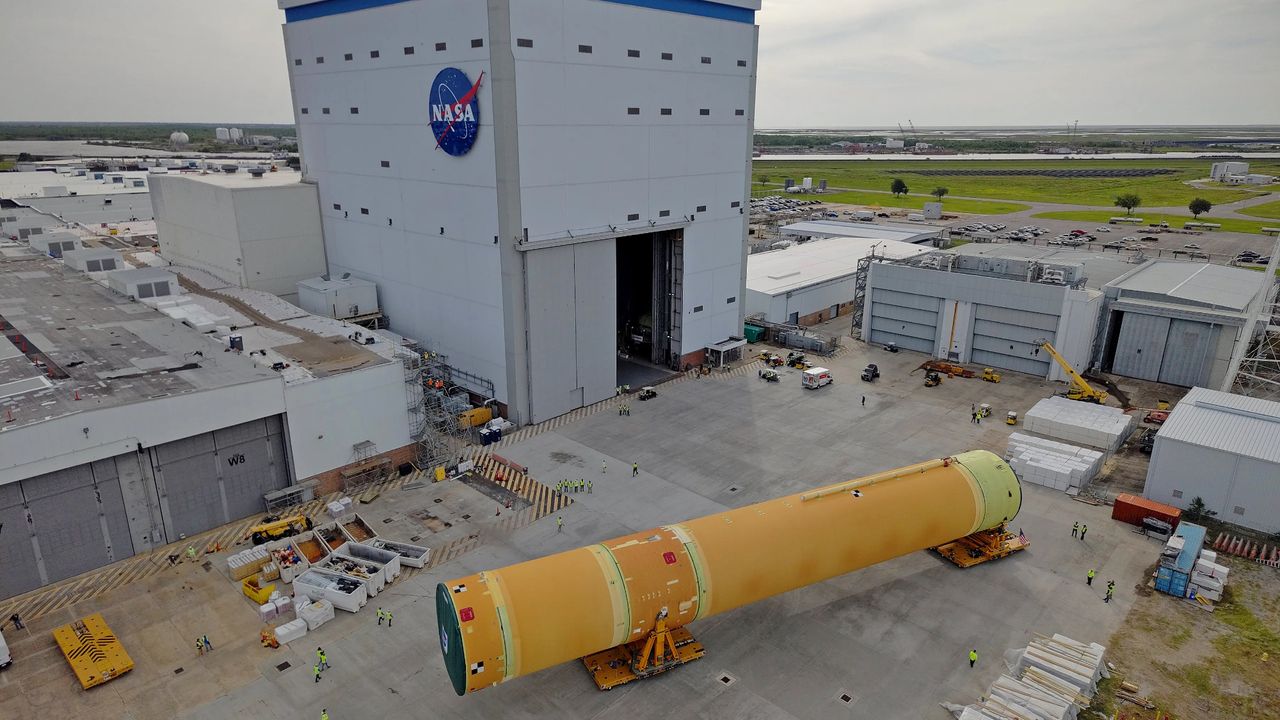
NASA rolls out Artemis 3 SLS rocket's huge core stage to gear up for 2027 launch (photo)
NASA rolled out the core stage of the Space Launch System (SLS) rocket for the Artemis 3 mission on April 20, 2026, from Michoud Assembly Facility to the Pegasus barge. This milestone advances preparations for the targeted mid-2027 launch, which will involve testing rendezvous operations with Orion and private lunar landers, including SpaceX's Starship and Blue Origin's Blue Moon.

The Spacesuit Gap: Why Artemis III’s 2028 Landing Date Is Already Slipping
NASA's next-generation spacesuits for Artemis lunar missions may not be ready until 2031, contradicting public confidence in a 2028 lunar landing. The Office of Inspector General report highlights a failed contracting strategy, reducing competition to a sole-source arrangement with Axiom Space. Delays in development raise concerns about meeting the original schedule for lunar surface missions.

Artemis spacesuit development risks further delays
NASA's inspector general warns that new spacesuits for Artemis lunar missions and the ISS may not be ready until after 2030. The report criticizes the xEVAS program's commercial approach, citing technical risks and poor performance by Collins Aerospace. Axiom Space continues development, but delays could push demonstrations to 2031, conflicting with optimistic timelines for upcoming missions.
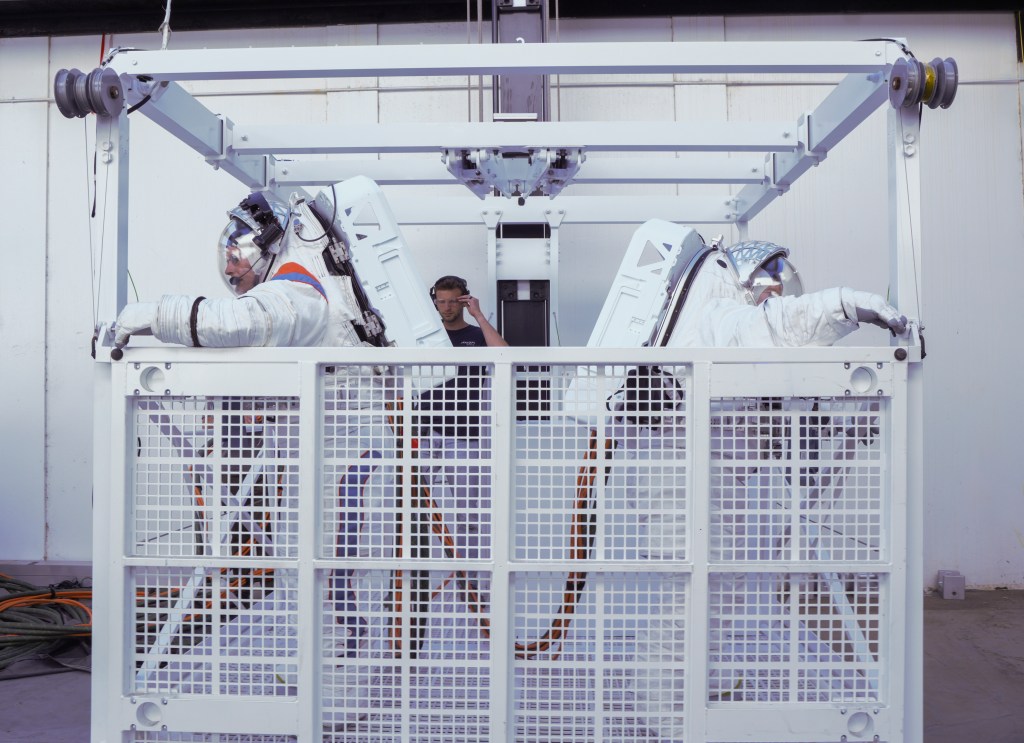
NASA’s IG: With only Axiom building NASA’s future spacesuits, the agency’s lunar program faces great scheduling risk
NASA's inspector general warns that the lunar program faces significant scheduling risks due to reliance on Axiom as the sole contractor for new spacesuits. The report highlights potential delays if Axiom fails to meet requirements, necessitating continued use of outdated EMU suits. Alternative options exist, but standardization issues complicate future suit development for the Artemis program.
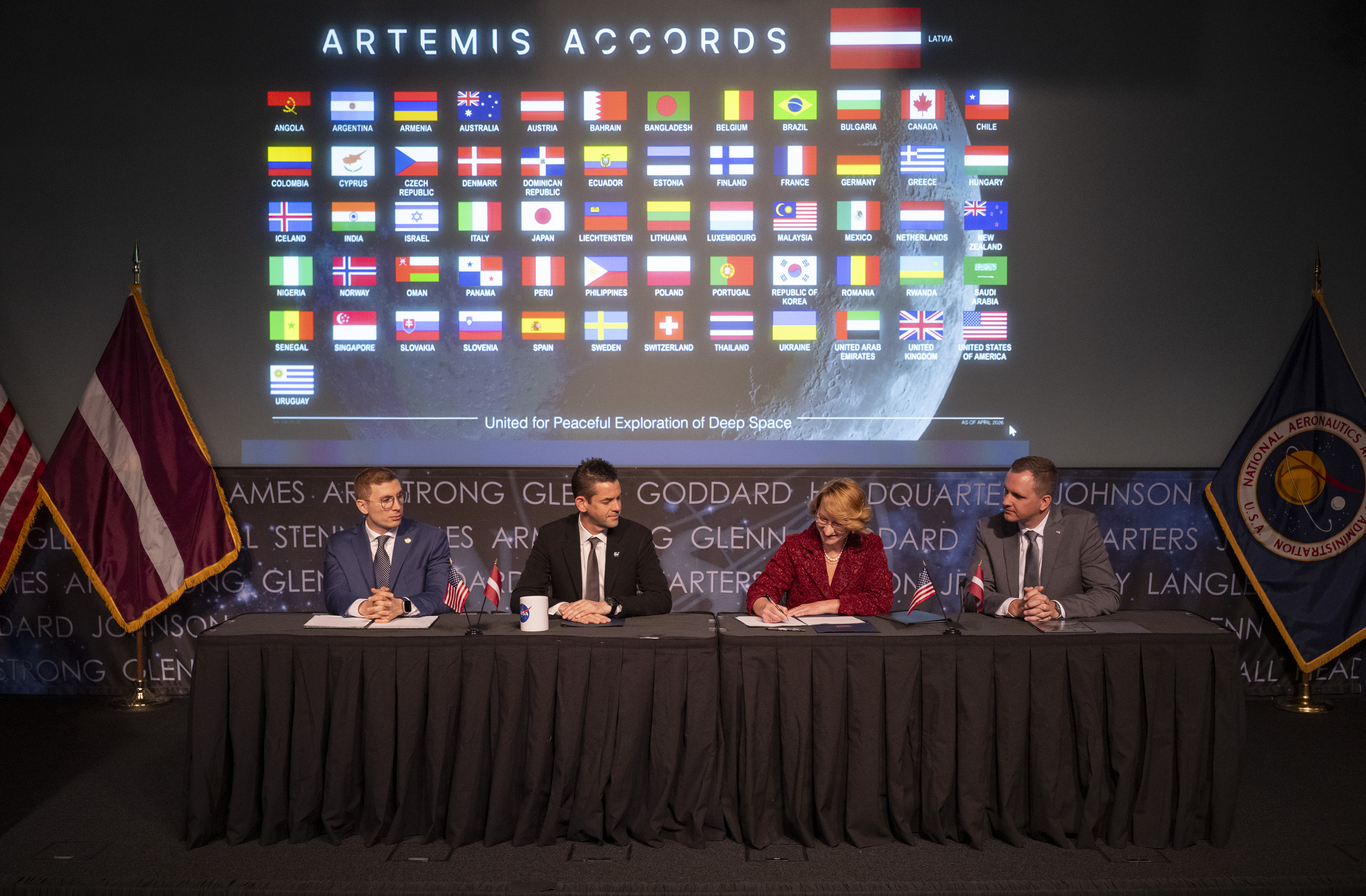
NASA Welcomes Latvia as Newest Artemis Accords Signatory
Latvia signed the Artemis Accords on April 20, 2026, becoming the 62nd nation to commit to responsible space exploration. The signing ceremony, hosted by NASA at its headquarters, featured Jared Isaacman and Dace Melbārde. This partnership enhances international cooperation and aims to establish a sustainable lunar presence, fostering future collaboration in space activities under the Artemis framework.

In the wake of Artemis 2, America needs to consider the ‘why’ of its government space program
SpaceX's innovations in space flight technology have sparked debate over the Artemis program's value, with critics arguing for a shift in funding towards commercial ventures. However, the government’s role remains crucial in establishing infrastructure and reducing risks for future missions. The $10.08 billion allocated for Artemis 4 and 5 underscores the ongoing commitment to human space exploration despite public skepticism.
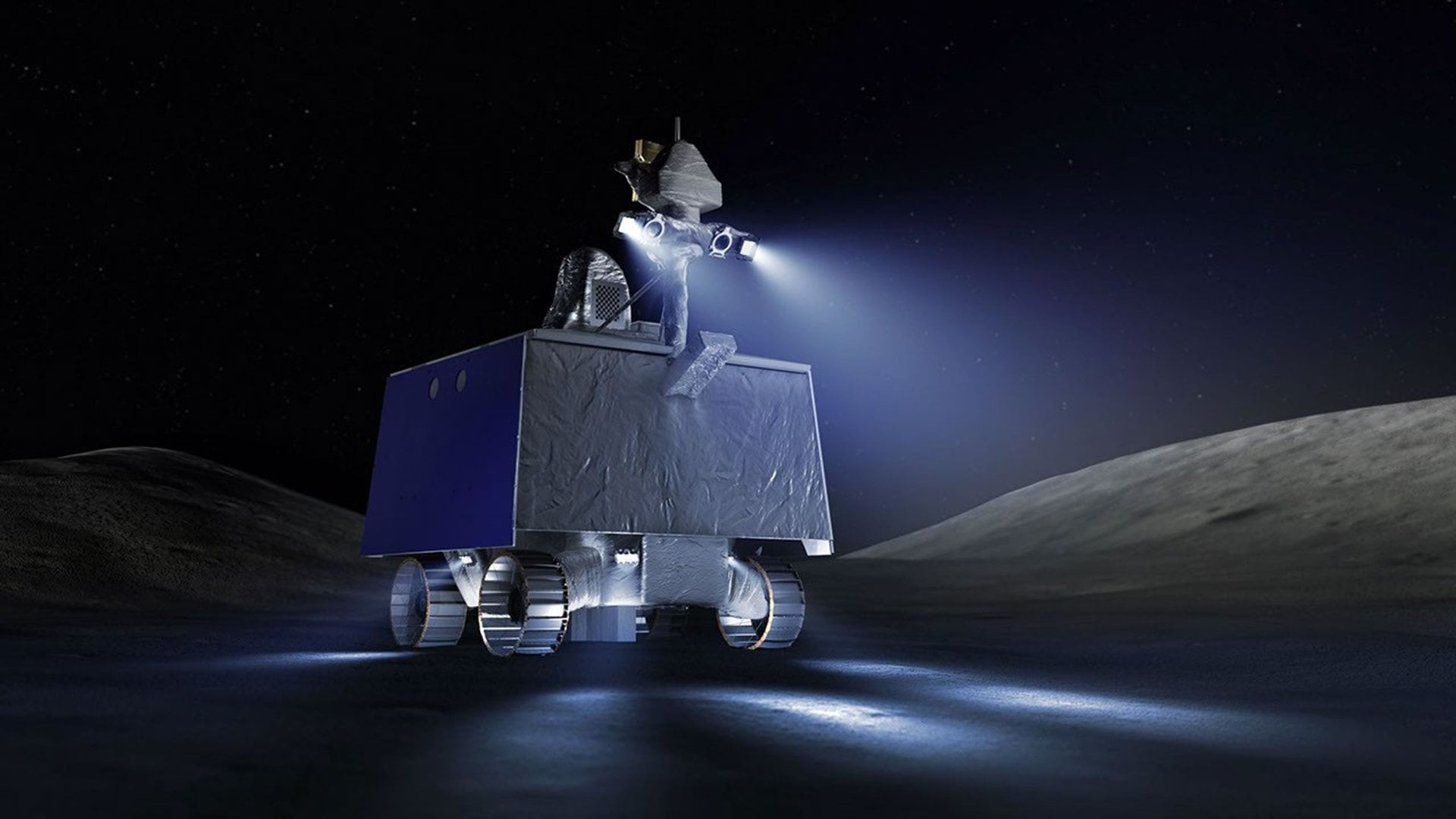
"Immature" Lunar Soil Could Be Suitable for Roadways on the Moon
NASA's Artemis Program and ESA's Moon Village aim to establish a sustainable lunar presence. Research by Vanesa Muñiz Lloréns and Michael Lucas indicates that
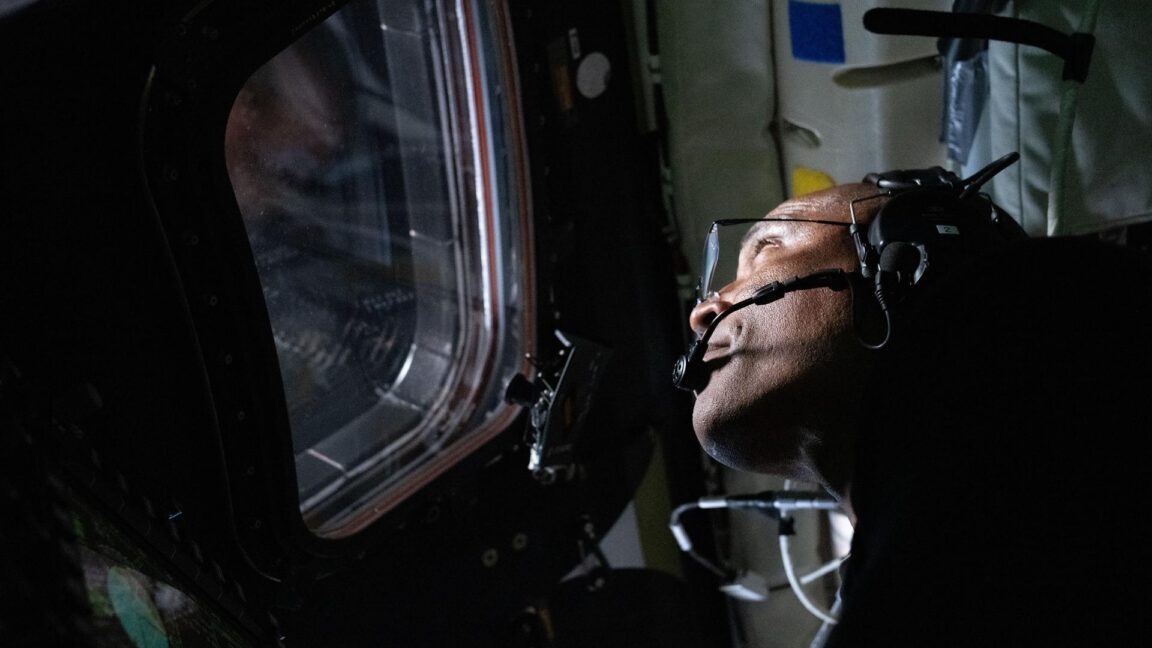
Artemis II pilot talks about what it was really like to fly and land in Orion
Victor Glover discussed his experience piloting Orion during the Artemis II mission, emphasizing the spacecraft's superior handling compared to simulations. Glover highlighted the importance of test piloting for future missions, noting that successful rendezvous and docking operations will be crucial for Artemis III and IV. He expressed confidence in the spacecraft's capabilities and the teams behind its development.
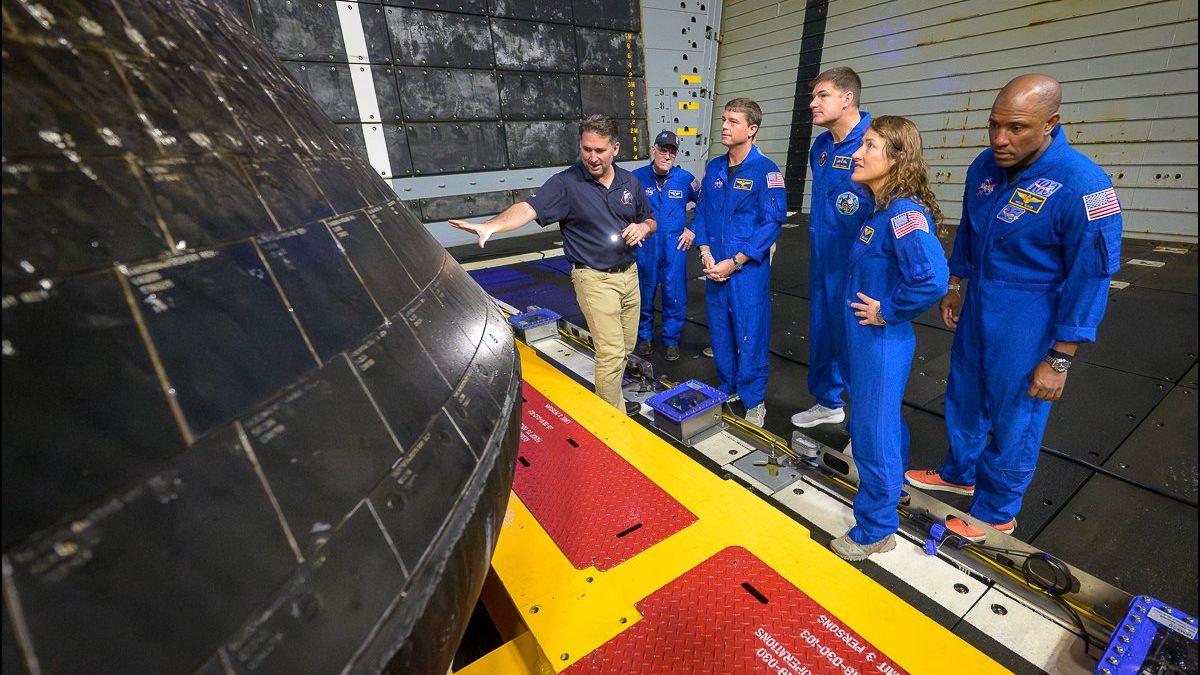
Artemis 2's heat shield seems to have aced its trial by fire
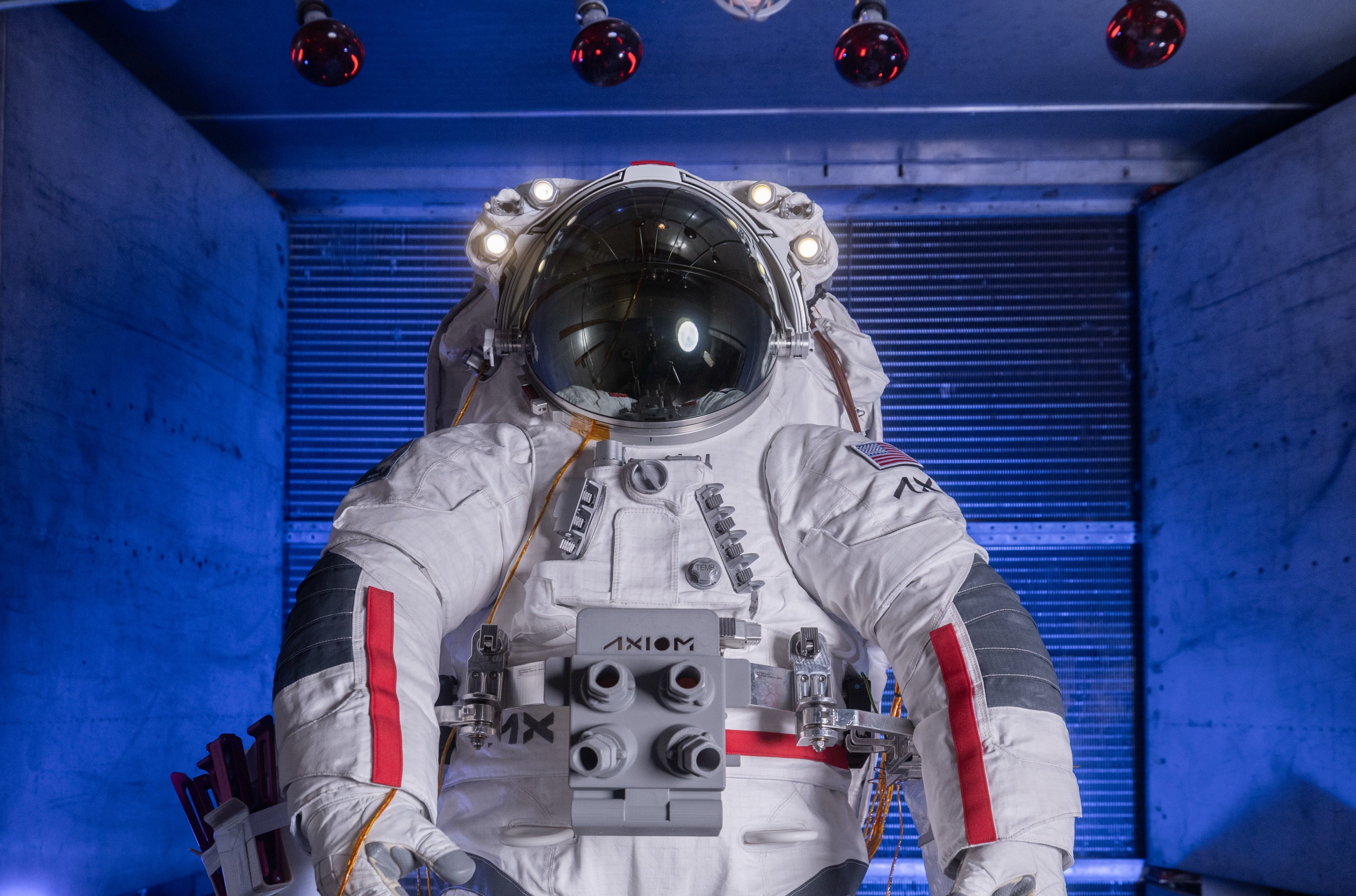
Axiom Space’s Suit Set to Fly in 2027
Axiom Space announced its space suit is set for an in-space test in 2026, with potential deployment on Artemis III or the ISS. The suit features specialized boots for lunar and station environments. CEO Jonathan Cirtain emphasized the responsibility of being NASA's sole suit provider amid increasing competition. Partnerships include Prada and Gu Energy Labs for design and astronaut nutrition.
Latvia to sign Artemis Accords
Latvia will sign the Artemis Accords on April 20, 2026, becoming the 62nd nation to join this American space alliance. The signing ceremony will take place at NASA Headquarters, hosted by NASA Administrator Jared Isaacman. This event marks the inclusion of all three Baltic states in the Artemis initiative, reflecting geopolitical shifts in the region.
Landing astronauts on the moon 'is absolutely doable, and it's doable soon,' NASA's Artemis 2 commander says
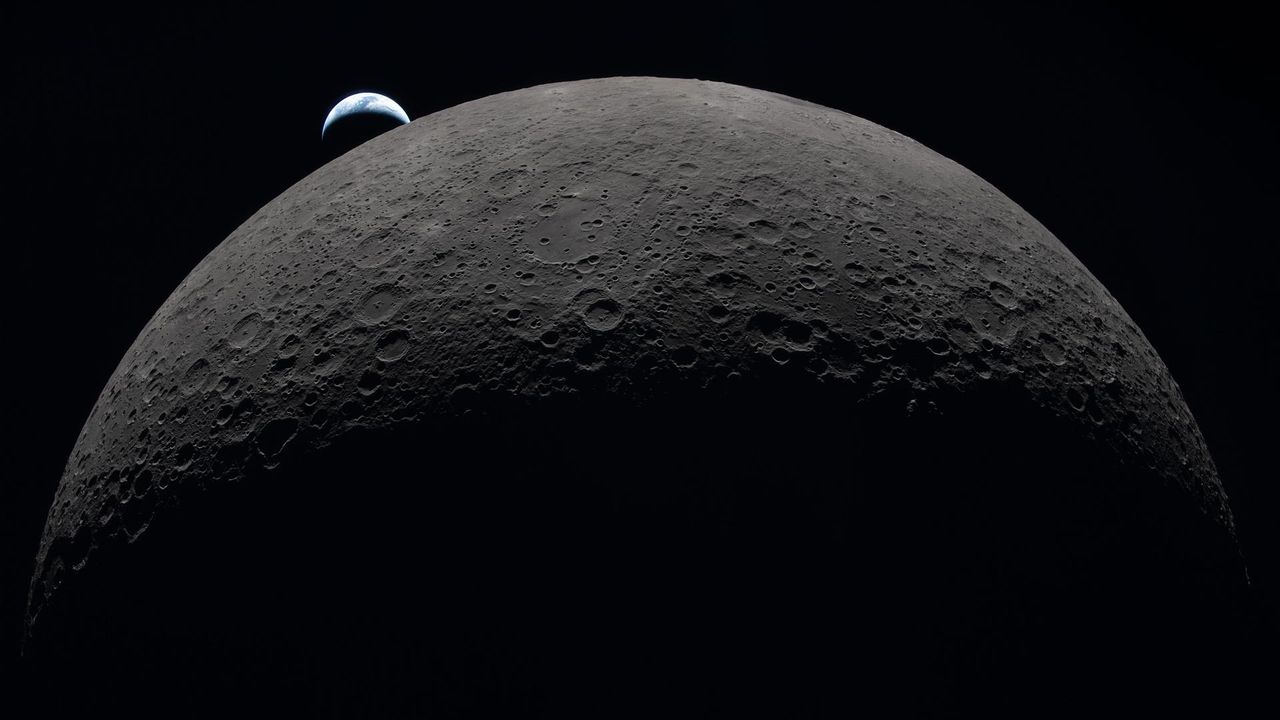
NASA's Artemis 2 mission successfully demonstrated the Orion spacecraft's life support systems, completing a 10-day journey around the moon. Astronauts Reid Wiseman, Victor Glover, Christina Koch, and Jeremy Hansen reported positive performance, indicating readiness for future missions. The next mission, Artemis 3, is set for mid-2027, with potential lunar landings planned for 2028.
'That was a wonderful toilet': Artemis 2 commander defends mission's lunar loo
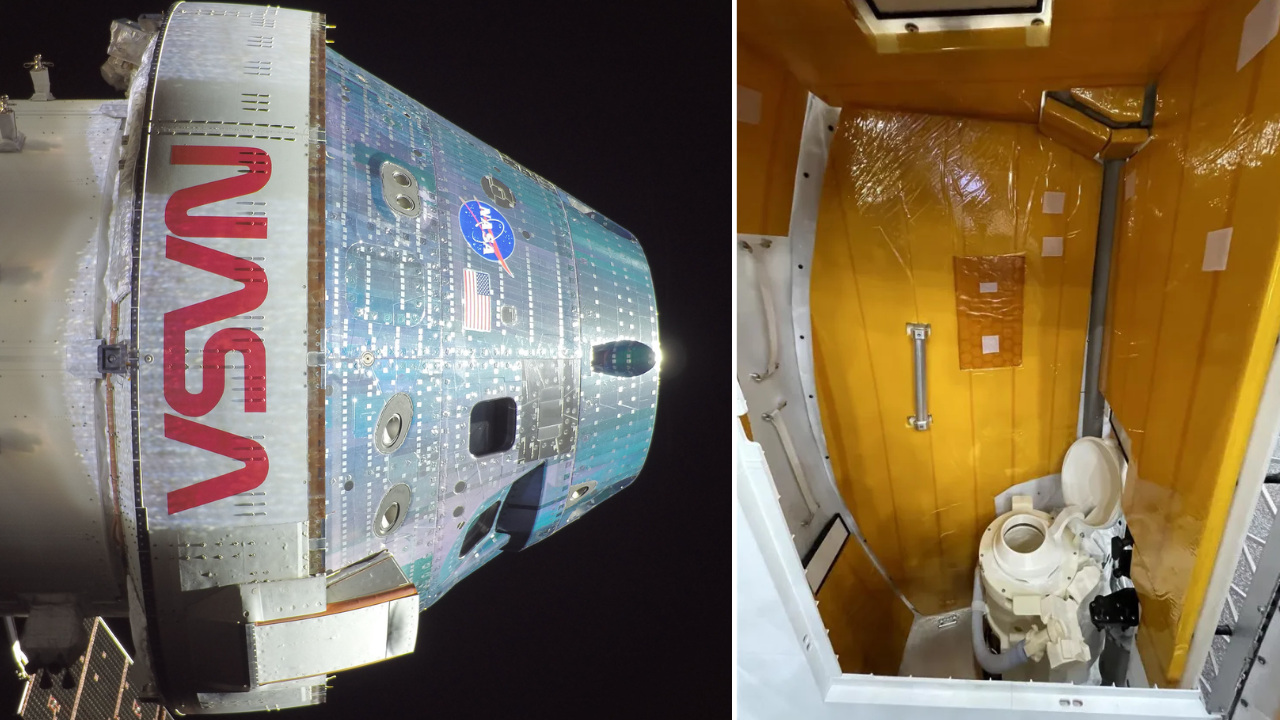
Artemis 2 commander Reid Wiseman defended the mission's space toilet, stating it functioned well despite some clogging issues. The toilet, a compact version from the International Space Station, faced vent line blockages during the mission. Wiseman praised the engineering team, emphasizing the toilet's advancements over previous lunar missions, where astronauts relied on handheld bags for waste disposal.
NASA Invites Media to Latvia Artemis Accords Signing Ceremony
NASA will host a signing ceremony for the Artemis Accords with the Republic of Latvia on April 20, 2026, at 9 a.m. EDT. Jared Isaacman, NASA Administrator, will welcome Latvian officials, including Dace Melbārde. This event marks Latvia as the 62nd country to join the accords, enhancing international cooperation in lunar exploration and activities.
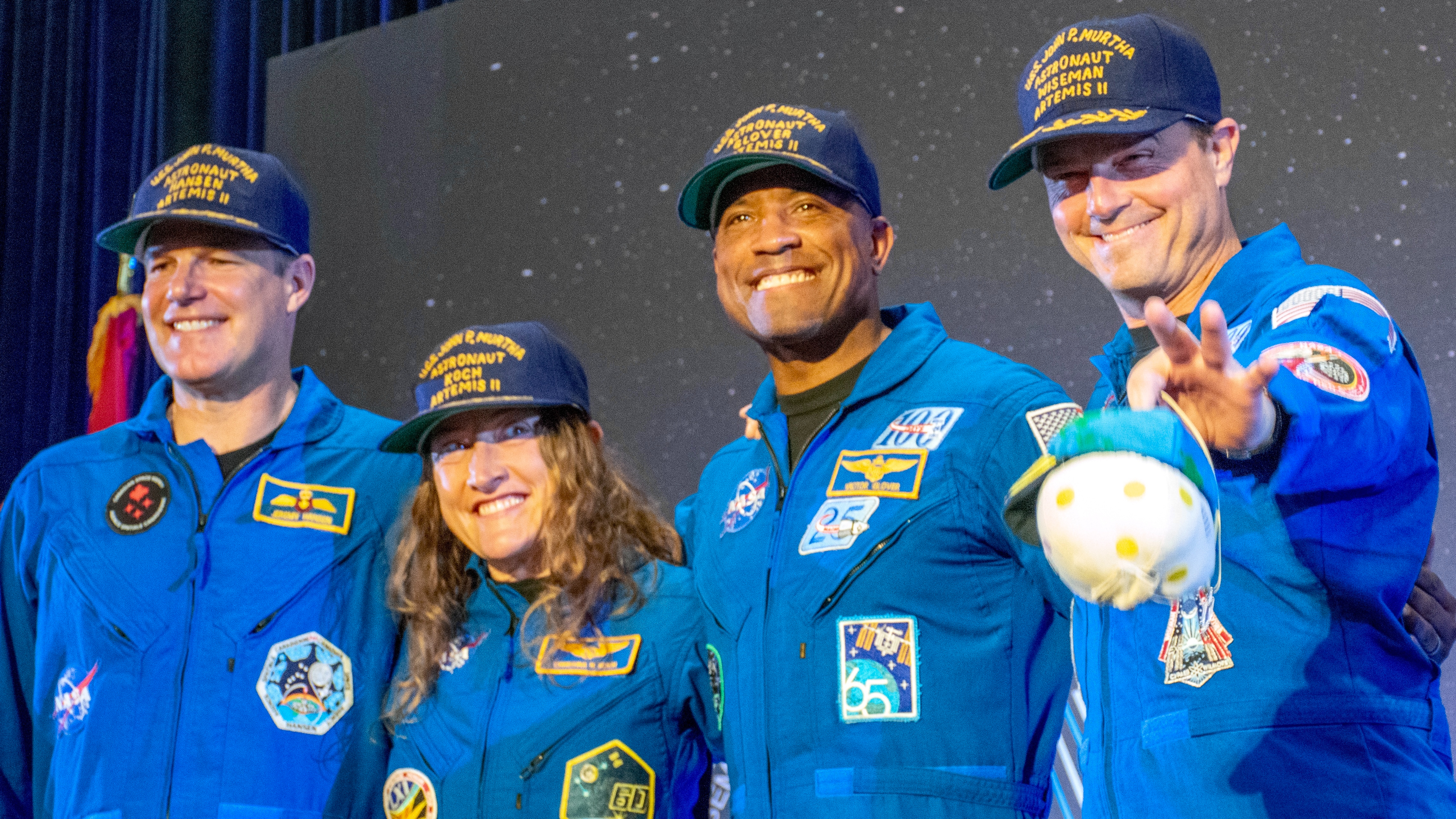
Space Symposium 2026 – Houston 2029 – Connecting the Americas to the Artemis Generation
Artemis 2 aims to inspire global interest in space exploration, with Houston 2029 potentially serving as a pivotal event for the next generation. This initiative seeks to connect the Americas to the Artemis program, fostering collaboration and engagement in the evolving space landscape. The focus is on inclusivity and expanding participation in space endeavors.
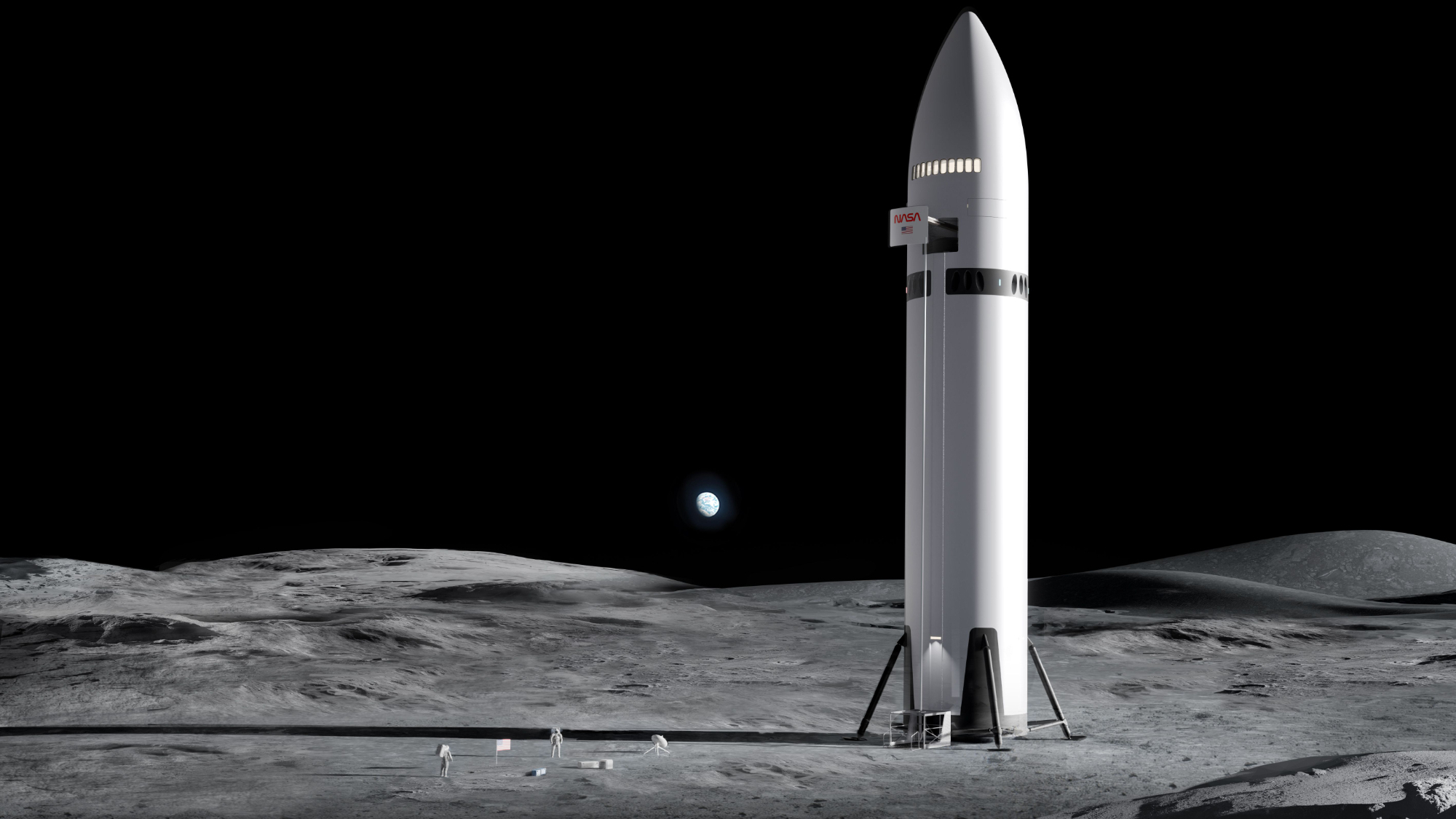
#SpaceWatchGl Opinion: Europe at the Moon: Partner, Passenger, or Power?
Gilles Rabin argues that while Artemis may incorporate European hardware, it lacks a cohesive European strategy. The U.S. is advancing independently, leaving Europe at a crossroads: continue as a subcontractor or assert itself as a significant space power. This situation highlights the need for a unified approach to lunar exploration and international collaboration.

I Am Artemis: Rebekah Tolatovicz
Rebekah Tolatovicz, a mechanical technician lead for Lockheed Martin, plays a crucial role in building and testing the Orion spacecraft at NASA's Kennedy Space Center. Her work supports the Artemis program, including the recent Artemis II mission. Tolatovicz emphasizes the importance of every task, mentoring newcomers and contributing to NASA's historic lunar exploration efforts.

2026 NSTA Hyperwall Schedule
NASA will showcase its Hyperwall at the NSTA conference from April 16-18, 2026, featuring storytelling sessions by experts. Topics include the Artemis Mission, the NISAR Satellite Mission, and educational programs like the NASA Solar System Ambassador Program. Attendees can engage with various presentations aimed at enhancing science education and utilizing NASA resources in classrooms.
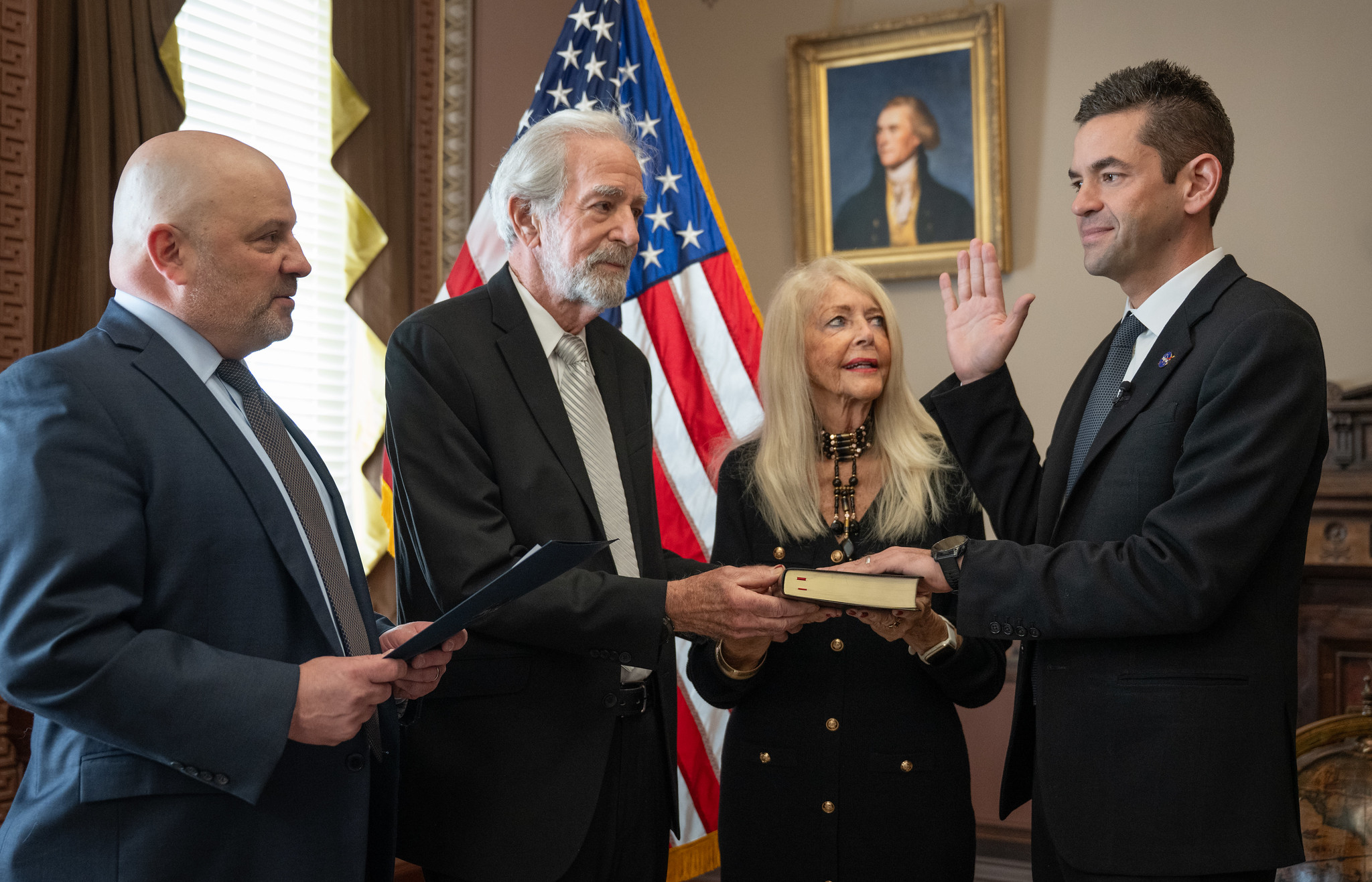
NASA Administrator Jared Isaacman On Artemis, Budget, And Establishing a Lasting Space Vision
Jared Isaacman, NASA Administrator, emphasized the importance of financial modeling in shaping the agency's budget for Artemis. He noted the enthusiasm of the scientific community but questioned their experience in budget execution. Isaacman's insights highlight the need for a sustainable financial strategy to support long-term space exploration goals and ensure effective resource allocation.

Ship 39 and Booster 19 Roll out for Static Fire Testing
Artemis program preparations advance as Ship 39 and Booster 19 roll out for static fire testing. This critical phase follows the successful return of the Orion spacecraft, marking a significant milestone in the ongoing development of NASA's lunar exploration efforts. The testing will validate the performance of the integrated systems ahead of future missions.
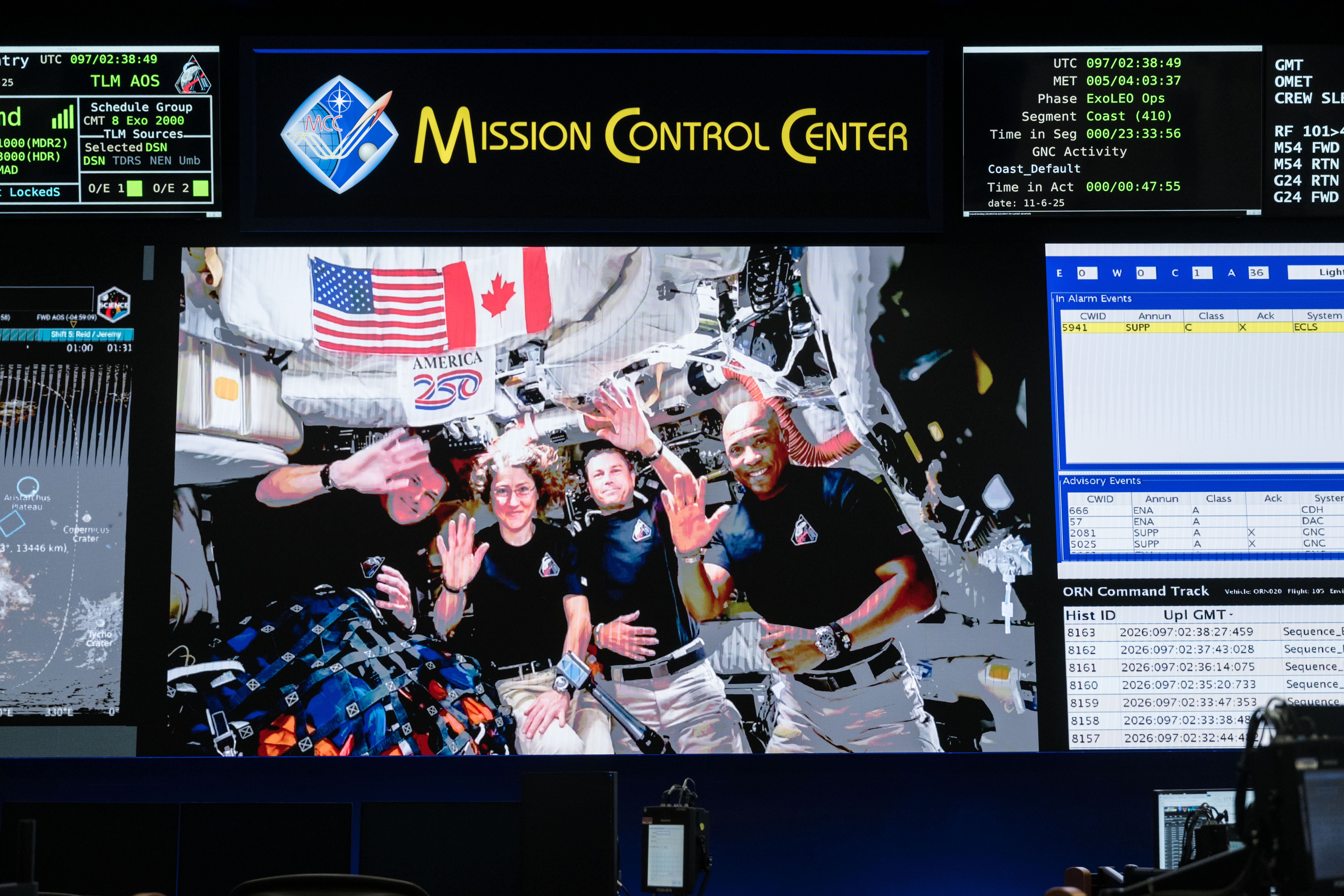
Artemis II Flight Day 10: Crew Sets for Final Burn, Splashdown
Artemis II crew, including NASA astronauts Christina Koch, Reid Wiseman, and Victor Glover, along with Jeremy Hansen from the Canadian Space Agency, prepared for their final burn and splashdown on April 10, 2026. Splashdown is targeted for 8:07 p.m. EDT off San Diego after a 694,481-mile journey, marking a significant milestone in lunar exploration.
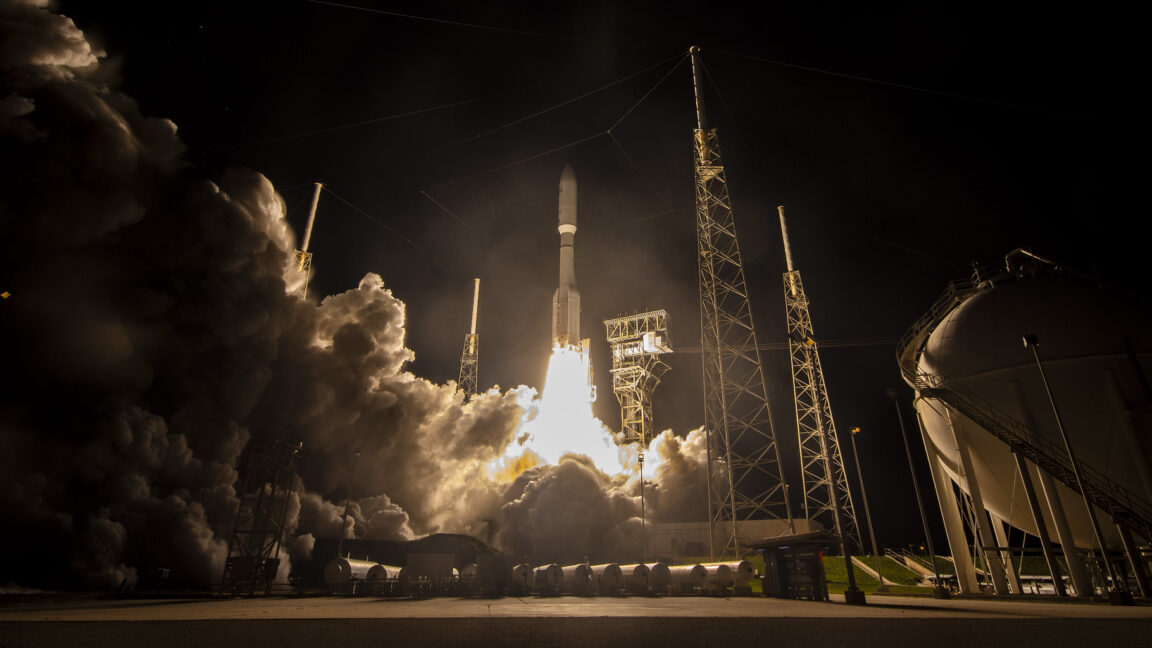
Rocket Report: Chinese version of Falcon 9 fails; Artemis depends on rapid heavy lift
Chinese version of Falcon 9 reportedly failed during its latest launch attempt, raising concerns about its reliability. Meanwhile, Artemis program's success hinges on the rapid development of heavy lift capabilities to ensure timely lunar missions. The strategic importance of reliable access to space continues to grow as nations prioritize their space agendas.
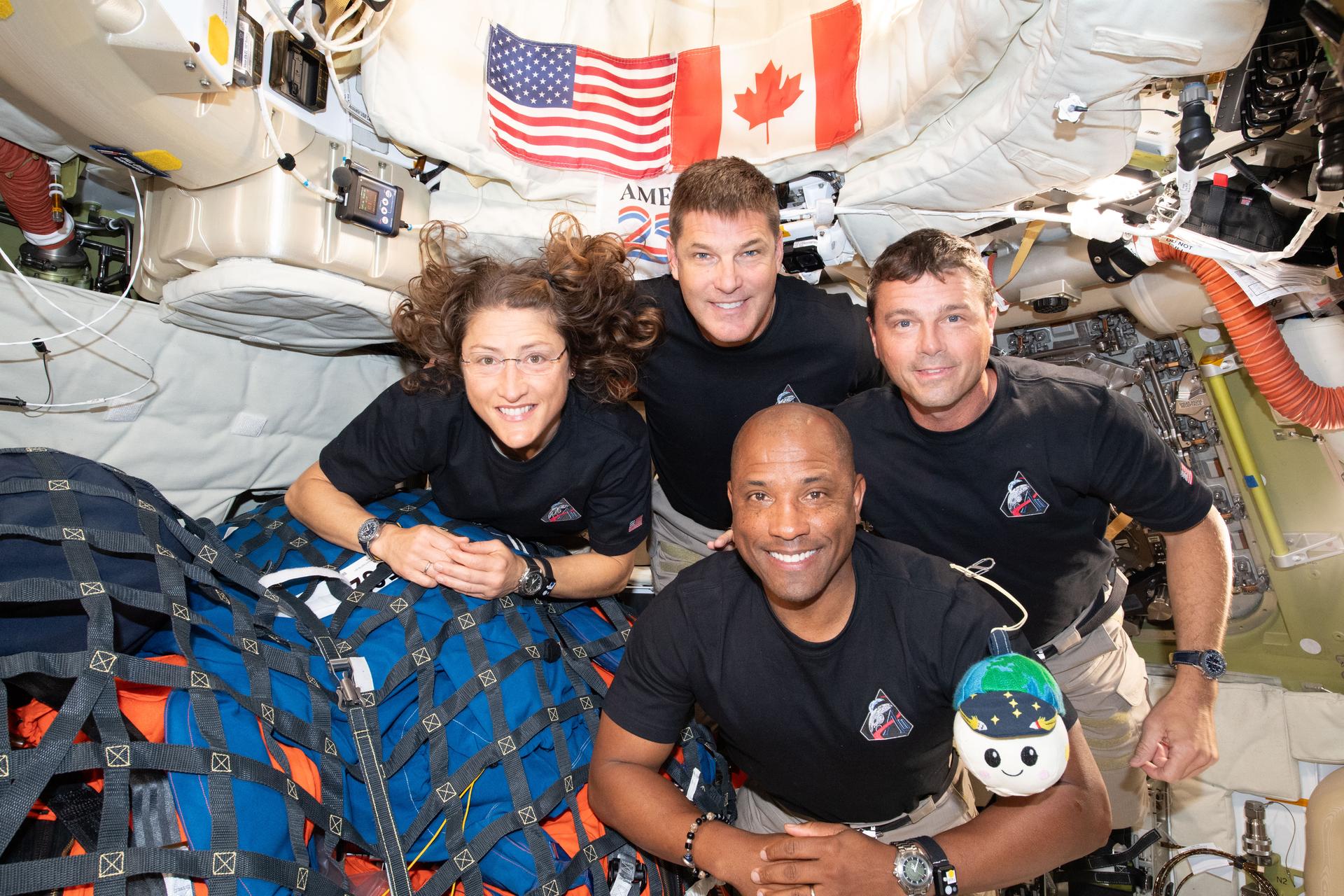
Artemis II Flight Day 8: Crew Conducts Key Tests on Return to Earth
Artemis II crew members Christina Koch, Reid Wiseman, Victor Glover, and Jeremy Hansen conducted key tests aboard the Orion spacecraft, including orthostatic intolerance garment evaluations and manual piloting demonstrations. Following their lunar flyby, they are preparing for splashdown on April 10, 2026, off the coast of San Diego, ensuring all systems are ready for re-entry.
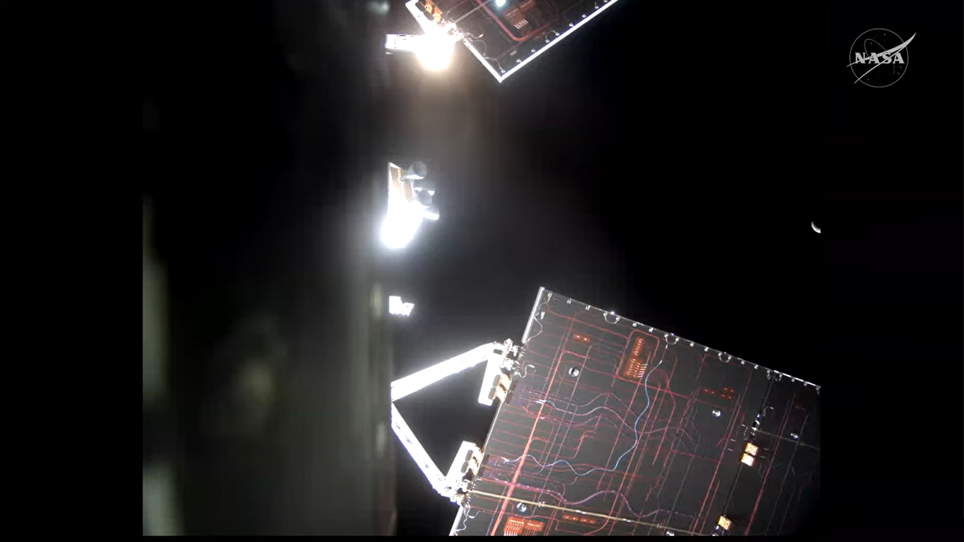
Artemis II Flight Day 7: First Return Correction Burn Complete
NASA's Orion spacecraft, named Integrity, successfully completed its first return correction burn on Flight Day 7, igniting thrusters for 15 seconds at 8:03 p.m. EDT, achieving a velocity change of 1.6 feet-per-second. Christina Koch and Jeremy Hansen monitored the spacecraft's systems, while the crew prepares for upcoming flight test objectives and return tasks on April 8.

Artemis II Flight Day 7: Crew Makes Long‑Distance Call, Begins Return
NASA's Artemis II crew, including astronauts Reid Wiseman, Victor Glover, Christina Koch, and Jeremy Hansen, began their return journey after a lunar flyby on April 6, 2026. They will exit the Moon's gravity at 1:23 p.m. EDT, followed by a call with ISS astronauts at 2:40 p.m. and a trajectory correction burn at 9:03 p.m.
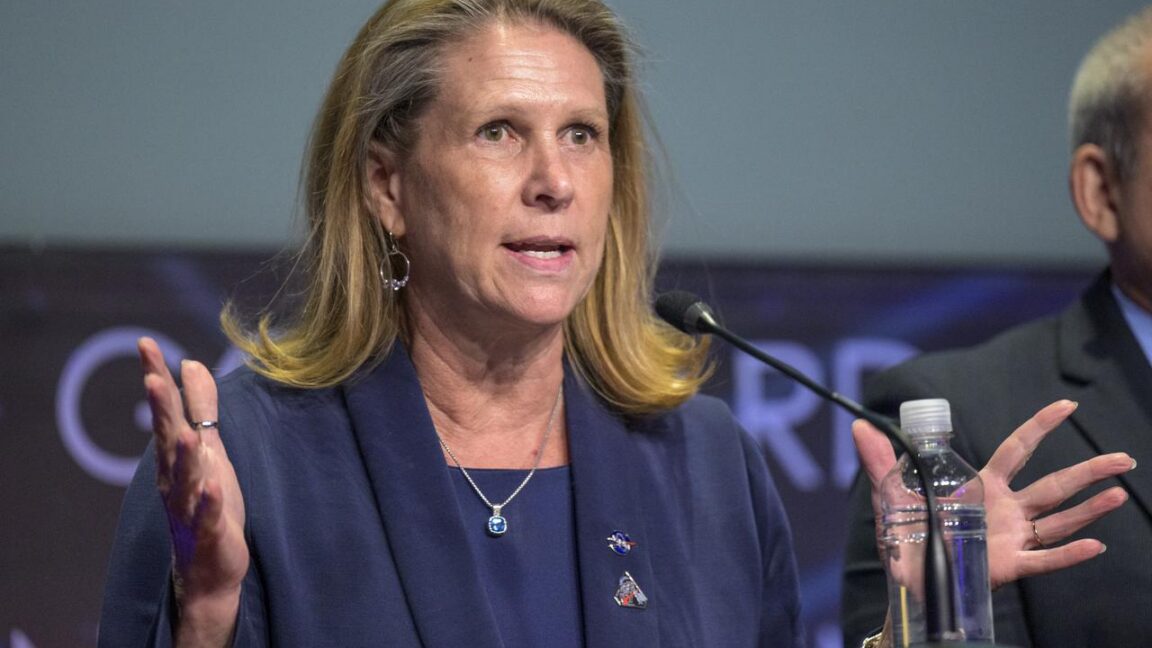
NASA's Moon ship and rocket seem to be working well, so what about the landers?
NASA's lunar program shows promising progress with Blue Origin and SpaceX demonstrating commitment to lander development. Lori Glaze emphasized the importance of collaboration in achieving mission objectives. As the lunar landers are crucial for upcoming Artemis missions, their successful integration with the SLS and Orion systems will be vital for sustained lunar exploration efforts.

Artemis astronauts send down Easter message, prep for lunar fly around Monday
Artemis II astronauts transmitted Easter greetings while approaching the Moon, observing unexpected surface details. This flyby will provide critical data for lunar exploration, with a planned pass over the far side scheduled for Monday evening. The mission's insights will enhance scientific understanding and prepare for future lunar operations, marking a significant milestone in NASA's Artemis program.
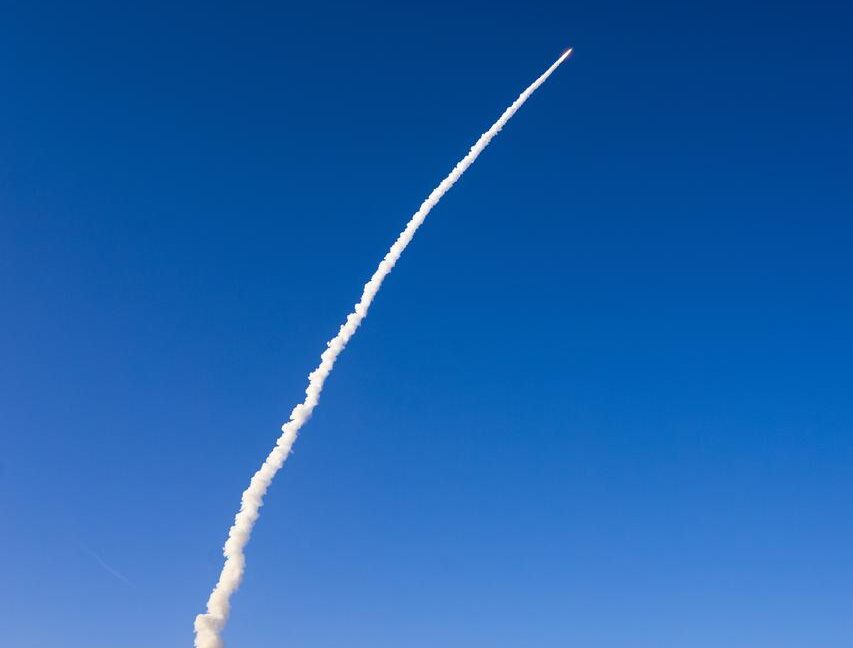
Four astronauts are now inexorably bound for the Moon
Four astronauts are now bound for the Moon, marking a significant milestone in lunar exploration. This mission is part of the ongoing Artemis program, which aims to return humans to the lunar surface. The crew's selection reflects NASA's commitment to advancing human spaceflight capabilities and preparing for future missions beyond the Moon.

Ignition, not yet liftoff, of NASA’s ambitious Artemis Moonbase plans | Moon Monday #268
NASA announced plans for a $30 billion Moonbase under the Artemis program, aiming for completion within a decade. The Gateway program is paused, with its power module repurposed for the Space Reactor-1 mission to Mars in 2028. This shift allows SpaceX and Blue Origin to develop crewed landers without Gateway's orbit constraints, improving lunar landing prospects.
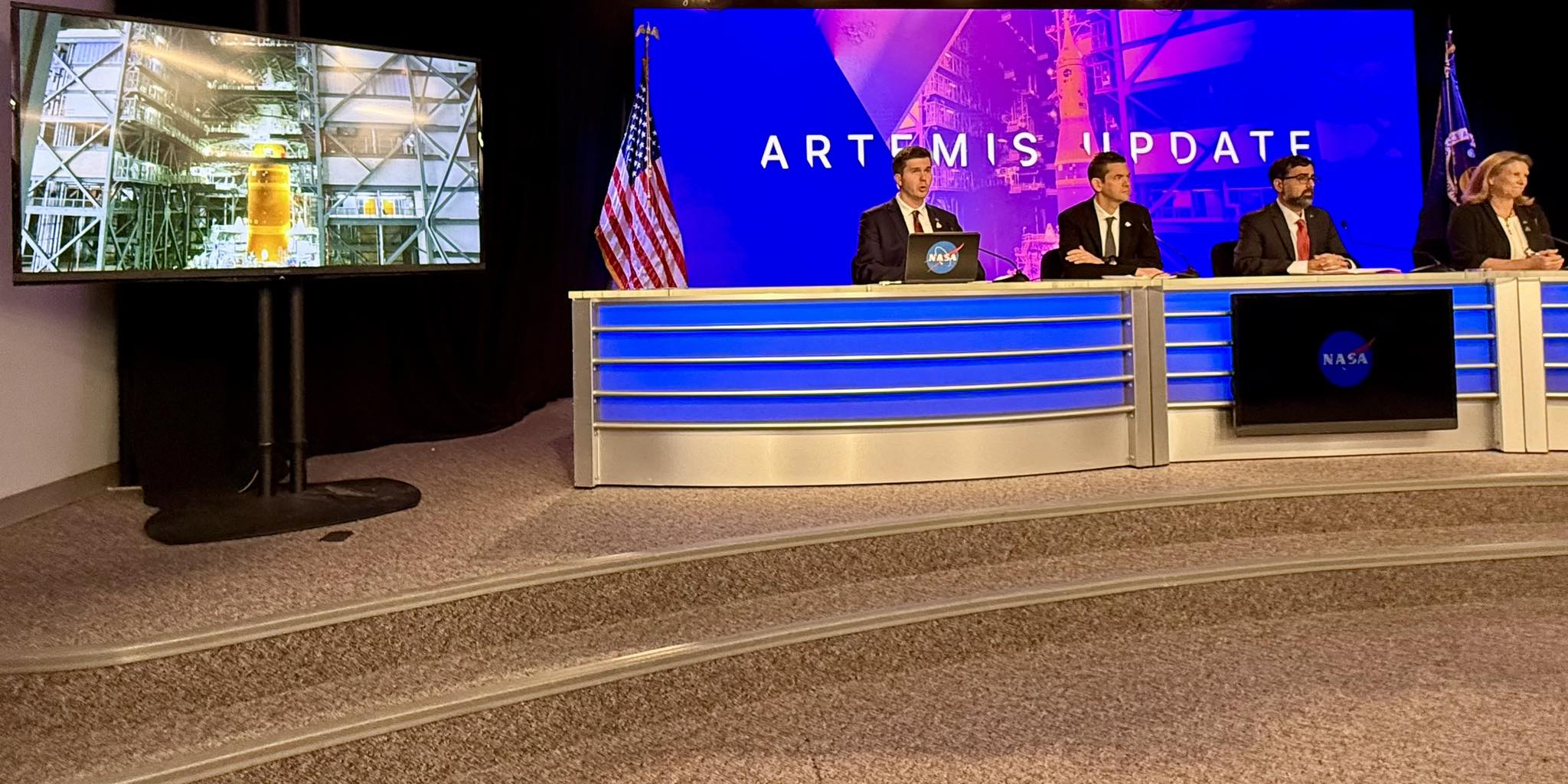
NASA announces major changes to Artemis lunar mission plans
NASA Administrator Jared Isaacman announced significant changes to Project Artemis during a news conference on February 27, 2026. The agency plans to increase the SLS and Orion flight cadence, adding a test flight to enhance reliability. Artemis III will now focus on docking with a commercial lunar lander, with missions IV and V planned for 2028 and beyond.

More NASA Science Received During Earth Orbit, Firefly Begins Lunar Transit Phase
Firefly’s Blue Ghost spacecraft successfully completed a Trans Lunar Injection on February 8, 2025, initiating a four-day transit to the Moon. It carries NASA payloads, including the Lunar Magnetotelluric Sounder and Lunar PlanetVac, which are operational and ready for lunar surface operations. The mission aims to enhance understanding of lunar conditions for future Artemis missions.