NASA
agency ActiveUnited States civil space agency. Operator of Artemis, ISS programmatic lead, CLPS buyer.
Events · 50
- mission2024-04-01Artemis II mission targets launch in April 2024
- funding2023-11-17$180MNASA requests $180M for USDV technology development
- mission2023-02-27NASA announces Artemis program overhaul
- policy2023-02-27NASA announces Artemis program revisions
- milestone2023-02-25SLS and Orion rollback for seal replacement
- funding$1BNASA requests $1 billion for U.S. Deorbit Vehicle
People · 65
Articles · 24
view in feed →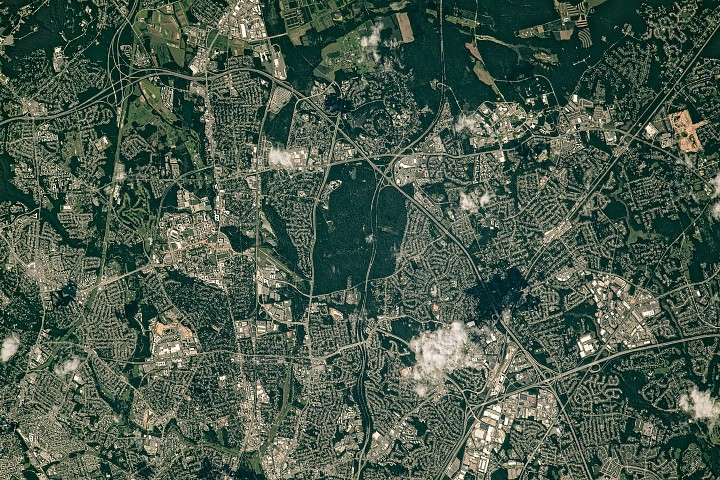
Belts of Green in the Washington Suburbs
NASA Earth Observatory's image captures green spaces along the Capital Beltway in Maryland, showcasing Greenbelt Park and the historic district. The photo, taken from the ISS on July 30, 2023, highlights the region's lush vegetation and planned communities from the New Deal era. The Goddard Space Flight Center is also visible, emphasizing the area's significance.
Artemis II Mission Milestones: An Image and Video Recap
NASA's Artemis II launched on April 1, 2026, marking the first crewed flight of the Orion spacecraft. Astronauts Reid Wiseman, Victor Glover, Christina Koch, and Jeremy Hansen splashed down on April 10 after a 252,756-mile journey, setting a record for human space travel distance. The mission aims to advance lunar exploration and prepare for Mars.
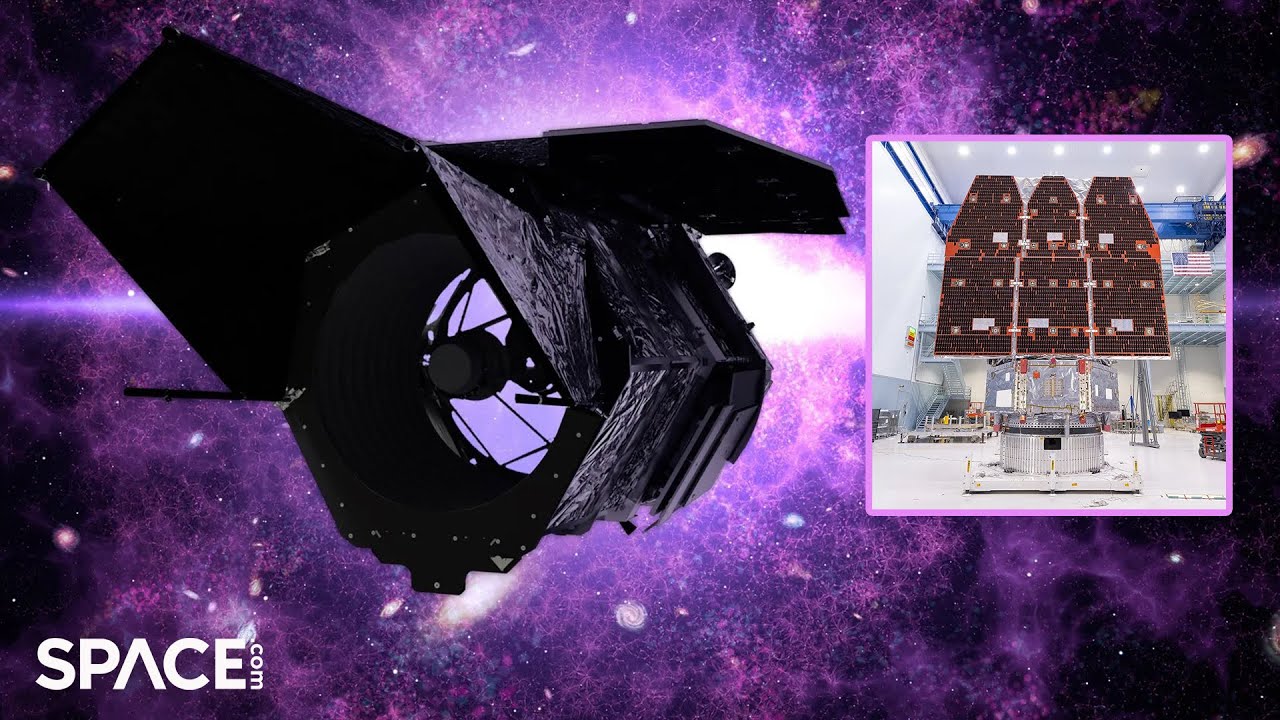
Roman Space Telescope Launching in September
NASA announced that the Nancy Grace Roman Space Telescope will launch in September 2026, ahead of schedule and under budget. SpaceX's Falcon Heavy will deploy it to the Sun-Earth L-2 Lagrange point. Roman aims to discover tens of thousands of planets and billions of galaxies over its five-year mission, complementing the James Webb Space Telescope.
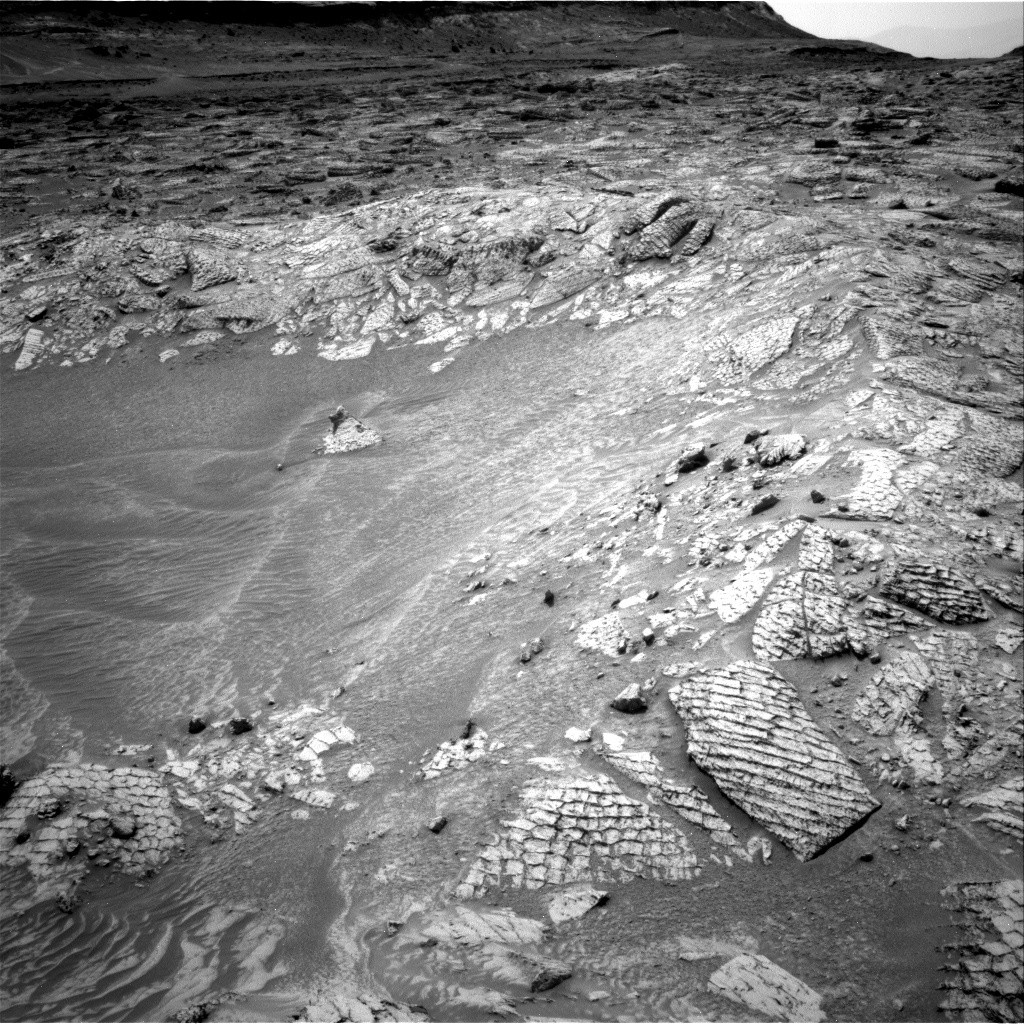
Curiosity Blog, Sols 4867-4872: Sand Fill In Antofagasta Crater and Finding Our Next Drill Target
NASA's Curiosity rover examined the Antofagasta crater, revealing a sandy fill that obscured deeper rock layers. The team opted against drilling due to high risks of getting stuck. Instead, they planned imaging and geochemical analysis of polygon-bearing rocks. The next drill target, “Atacama,” was identified for further study, aiming to gather new data on Martian geology.
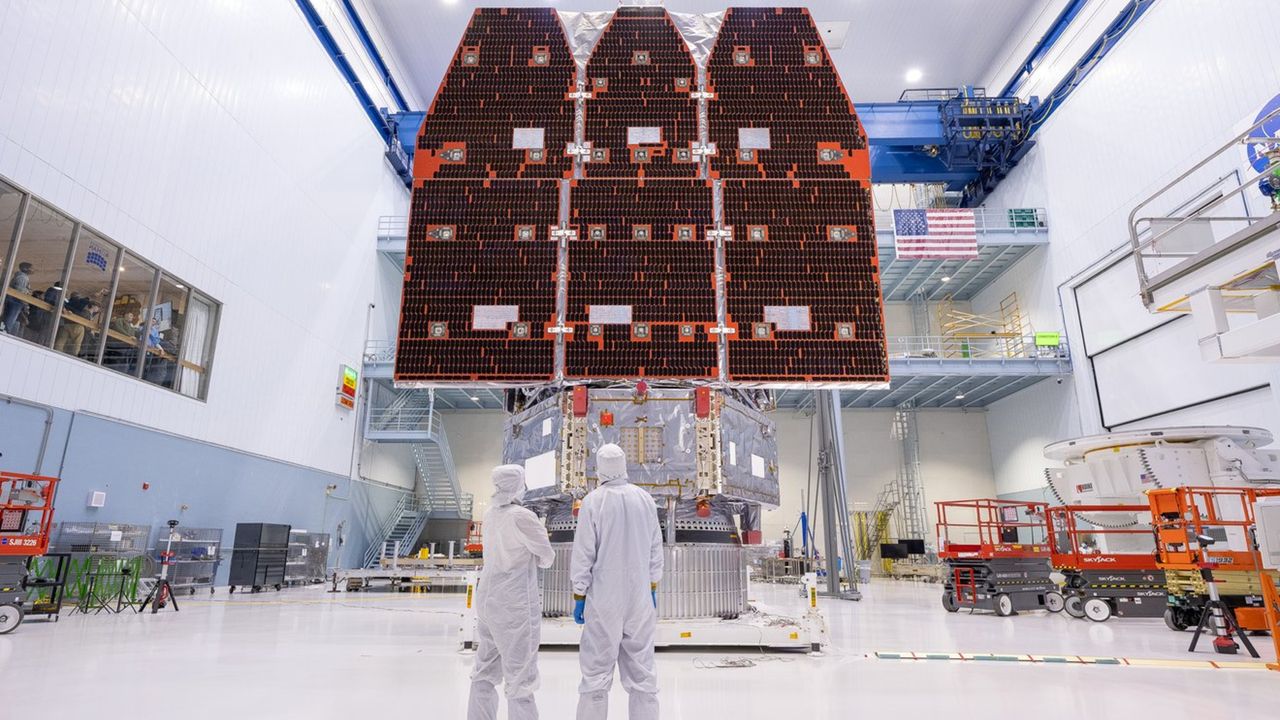
The Nancy Grace Roman Space Telescope, NASA's next great observatory, is finally complete
NASA's Nancy Grace Roman Space Telescope has completed final integration at Goddard Space Flight Center on November 25, 2025. Projected to launch in September 2026, it features a 2.4-meter mirror and can capture images 100 times larger than Hubble. Roman will generate 500 terabytes of data annually, enhancing our understanding of the universe's mysteries.

NASA and Axiom react to OIG Report on delays in Next-Generation Spacesuit Program
NASA and Axiom Space have responded to an OIG report highlighting significant delays in the Next-Generation Spacesuit Program, jeopardizing the 2028 Artemis lunar landing and ISS operations. The report reveals reliance on Axiom as the sole provider, with suit demonstrations now pushed to late-2027, risking further delays that could extend to 2031, impacting critical lunar capabilities.
NASA Invites Media to Jordan Artemis Accords Signing Ceremony
NASA will host a signing ceremony for the Artemis Accords with the Hashemite Kingdom of Jordan on April 23, 2026. Jared Isaacman, NASA Administrator, will welcome Ambassador Dina Kawar and Ruth Perry from the U.S. Department of State. This event marks Jordan as the 63rd country to join the accords, promoting safe lunar exploration principles.
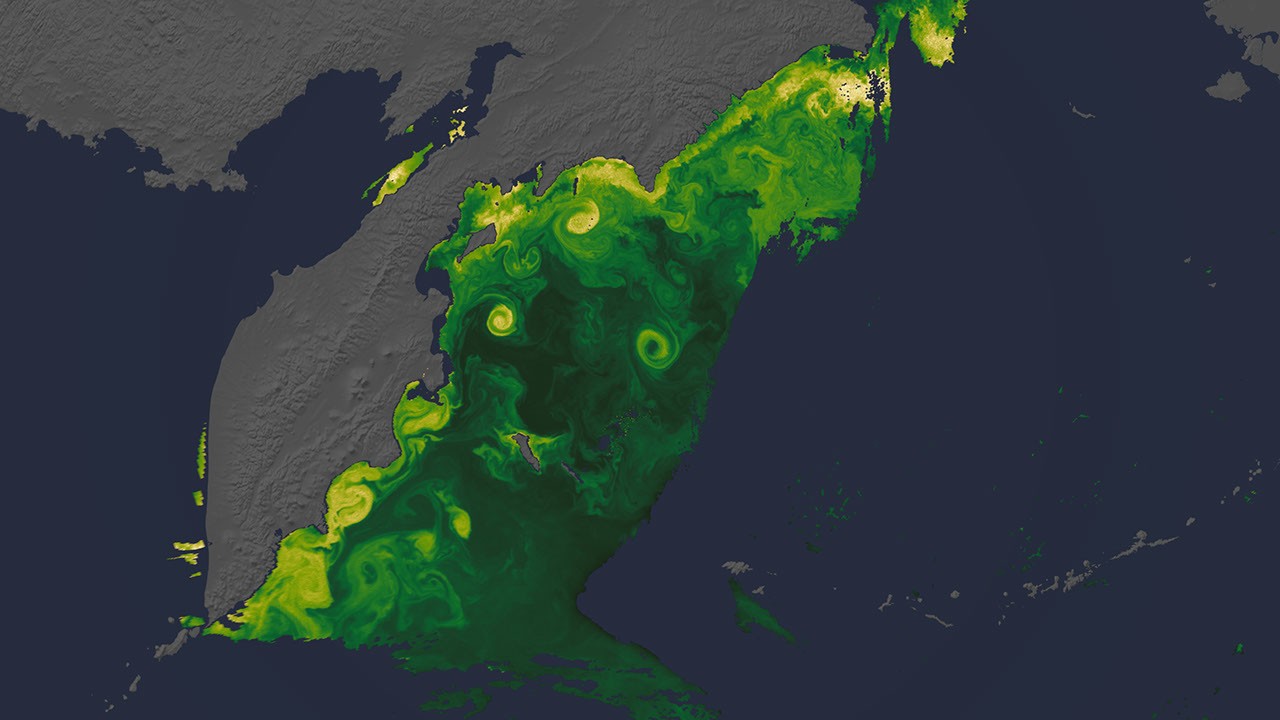
New NASA Views of Earth, From (S)PACE
NASA's Artemis II mission released stunning images of Earth, showcasing auroras and city lights against the backdrop of space. The PACE satellite, launched in February 2024, monitors ocean, atmosphere, and land surfaces, tracking aerosols and harmful algal blooms. Its Ocean Color Instrument provides critical data on environmental changes, aiding in disaster response and ecological monitoring.
NASA Invests in Small Businesses Innovating for Space and Earth
NASA announced over 30 small business awards totaling approximately $16.3 million through its SBIR and STTR programs, aimed at developing innovative technologies for space and Earth. Selected firms will receive funding for projects including advanced propulsion, in-space manufacturing, and weather tracking systems, enhancing capabilities for lunar and Mars exploration while improving life on Earth.
NASA at SXSW: Johnson Director Vanessa Wyche on Why Artemis Changes Everything
NASA's Artemis program, articulated by Vanessa Wyche, aims to revolutionize human spaceflight by establishing a sustainable lunar presence as a precursor to Mars missions. Wyche emphasized international partnerships and the role of the International Space Station in developing critical technologies. The strategy integrates commercial collaboration to enhance capabilities from low Earth orbit to deep space exploration.