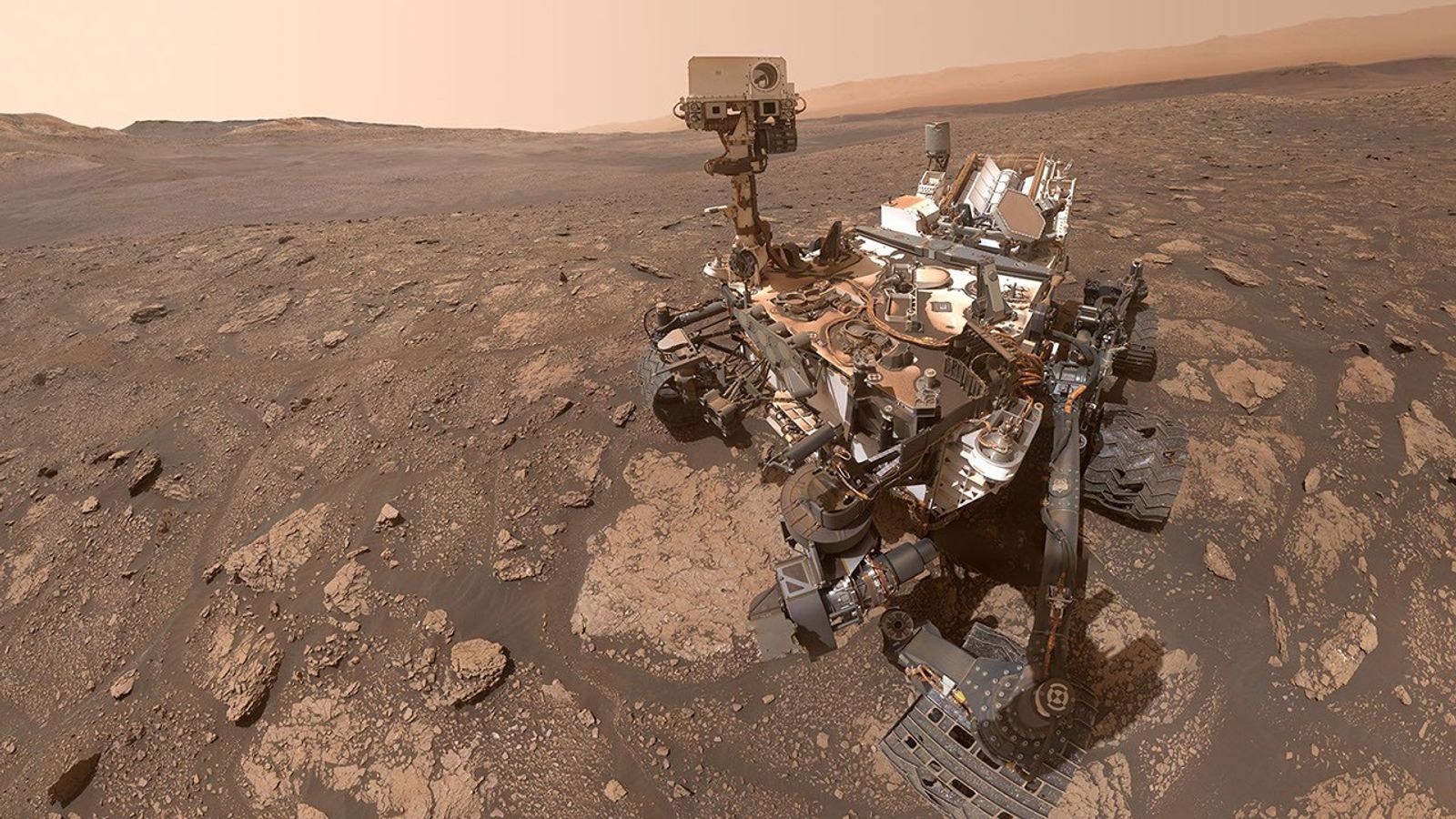
NASA’s Curiosity Finds Organic Molecules Never Seen Before on Mars
NASA's Curiosity rover identified 21 carbon-containing organic molecules in a rock sample, with seven detected for the first time on Mars. Notable findings include a nitrogen heterocycle and benzothiophene, enhancing the understanding of Martian chemistry. These discoveries support the hypothesis that ancient Mars had conditions favorable for life, as detailed in a paper published in Nature Communications.

NASA’s Curiosity Finds Organic Molecules Never Seen Before on Mars
NASA’s Curiosity rover has discovered the most diverse collection of organic molecules on Mars, including seven never before detected. The findings, detailed in a Nature Communications paper, suggest ancient Mars had the right chemistry to support life. Notably, a nitrogen heterocycle was identified, a precursor to RNA and DNA, enhancing the potential for past life on Mars.
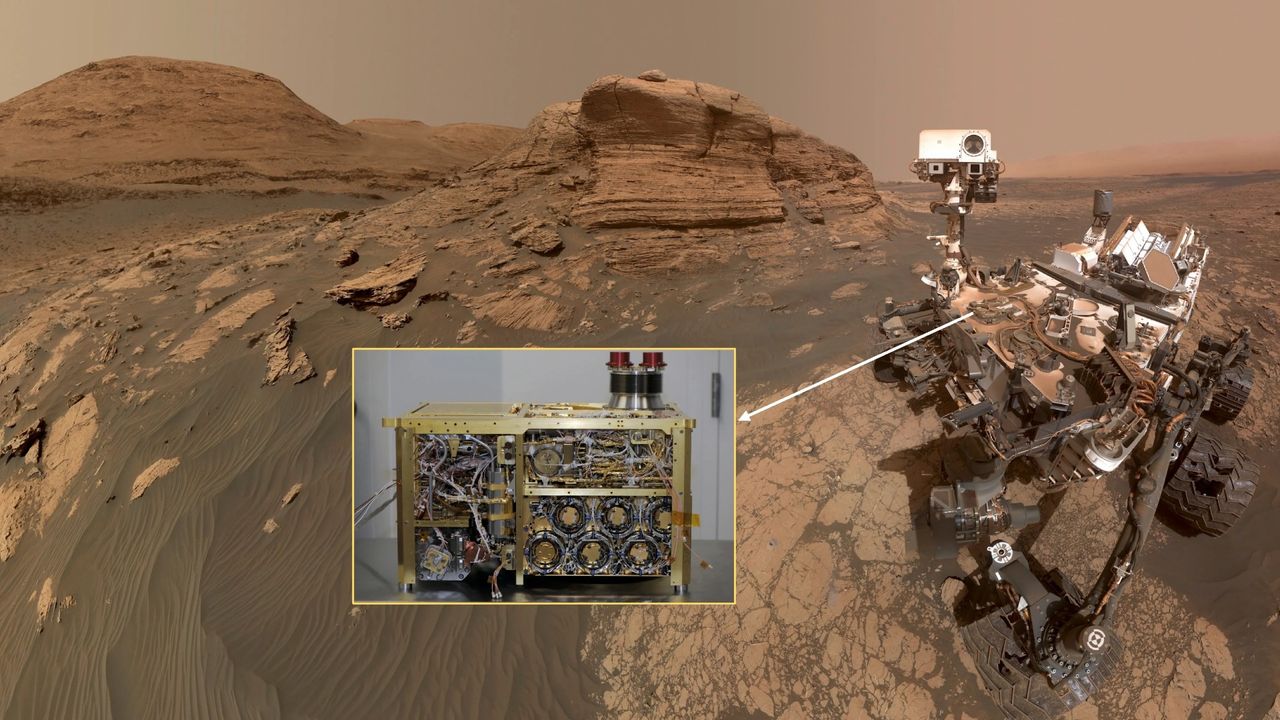
NASA's Curiosity rover finds building blocks of life on Mars. Scientists aren't sure how they got there
NASA's Curiosity rover has discovered a diverse array of organic molecules on Mars, marking the first use of tetramethylammonium hydroxide (TMAH) in a chemical experiment on another planet. This finding suggests potential building blocks for life, although the origins—biological or geological—remain uncertain. The study was led by Amy Williams from the University of Florida.
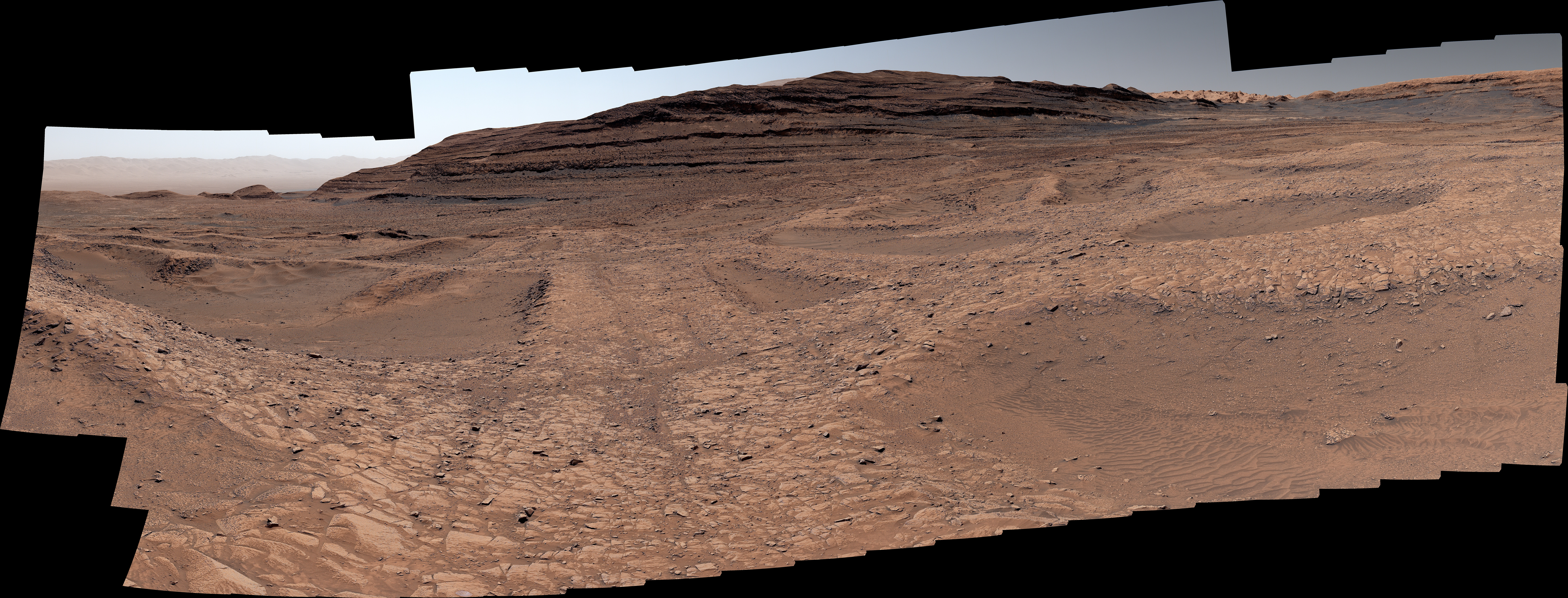
NASA’s Curiosity Rover Sees Martian ‘Spiderwebs’ Up Close
NASA’s Curiosity rover has explored Martian boxwork formations, revealing ancient groundwater flow patterns that suggest microbial life could have survived longer than previously thought. Captured images on August 21, 2025, show these formations resembling spiderwebs. The rover's findings include fractures and nodules, indicating past water activity, raising questions about Mars' climatic history and potential for life.