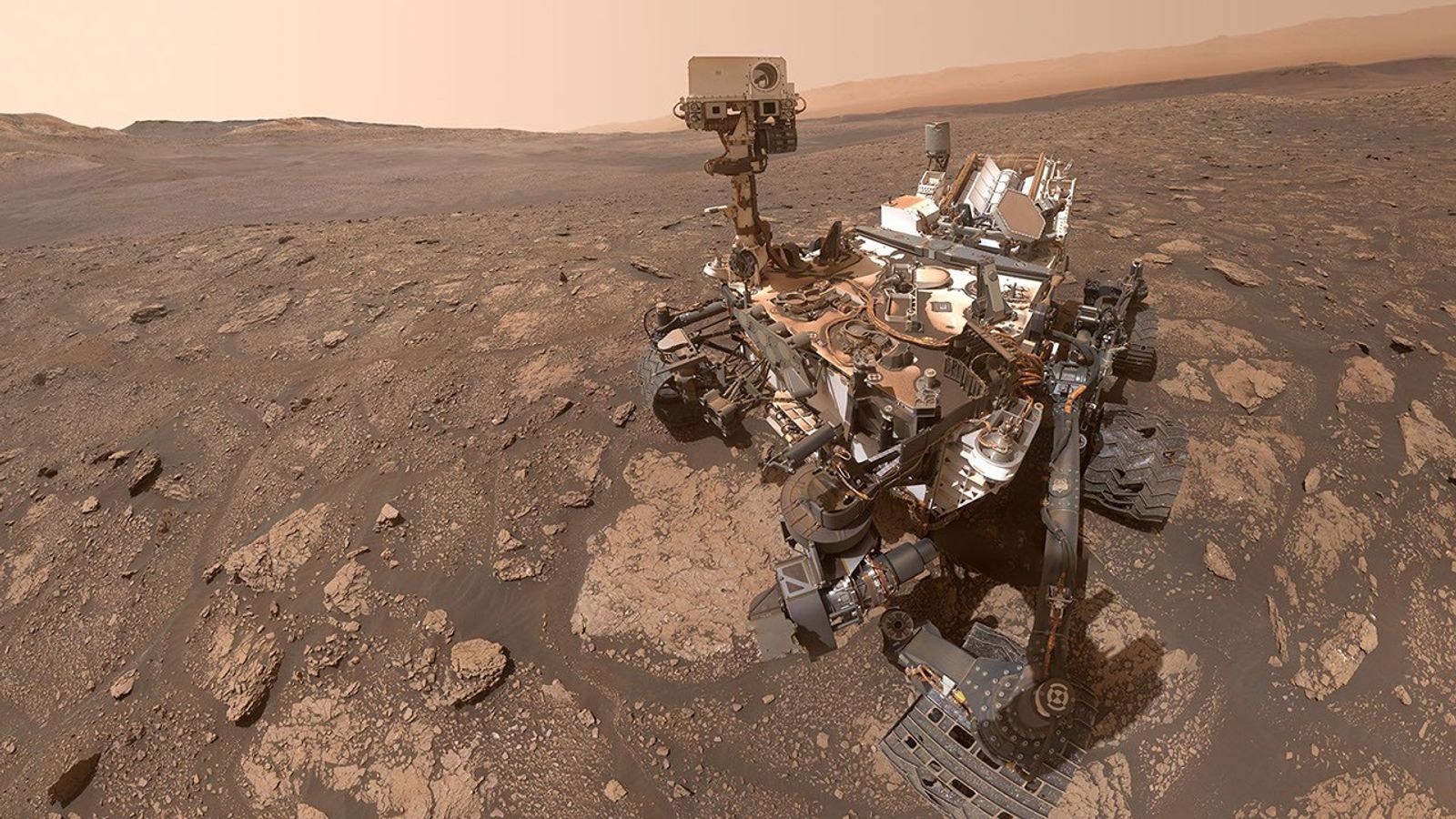
NASA’s Curiosity Finds Organic Molecules Never Seen Before on Mars
NASA's Curiosity rover identified 21 carbon-containing organic molecules in a rock sample, with seven detected for the first time on Mars. Notable findings include a nitrogen heterocycle and benzothiophene, enhancing the understanding of Martian chemistry. These discoveries support the hypothesis that ancient Mars had conditions favorable for life, as detailed in a paper published in Nature Communications.
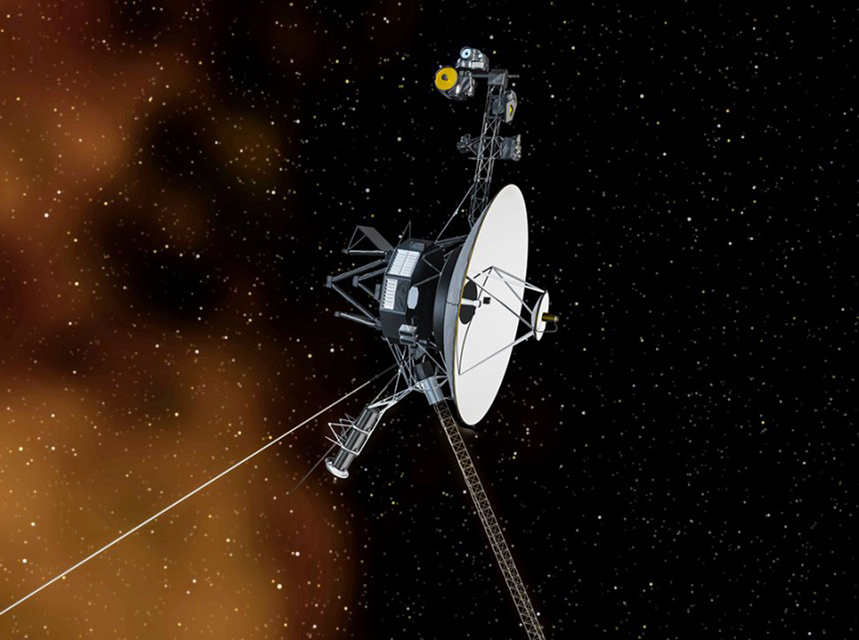
NASA Shuts Off Instrument on Voyager 1 to Extend Interstellar Mission
NASA engineers at Jet Propulsion Laboratory deactivated the Low-energy Charged Particles (LECP) instrument on Voyager 1 on April 17, 2026, to conserve power. This decision follows a power drop during a maneuver, ensuring continued operation of the Magnetometer and Plasma Wave Subsystem. The shutdown extends the mission's capabilities into the 2030s, with a planned power management strategy called the Big Bang.

Engineers shut down another instrument on Voyager-1
NASA engineers at Jet Propulsion Laboratory shut down the Low-energy Charged Particles experiment on Voyager 1 on April 17, 2026, due to declining power. This decision follows a pre-established plan to extend the spacecraft's operational life. Voyager 1 now has three active instruments, with hopes to last until 2027, marking its fiftieth anniversary in space.
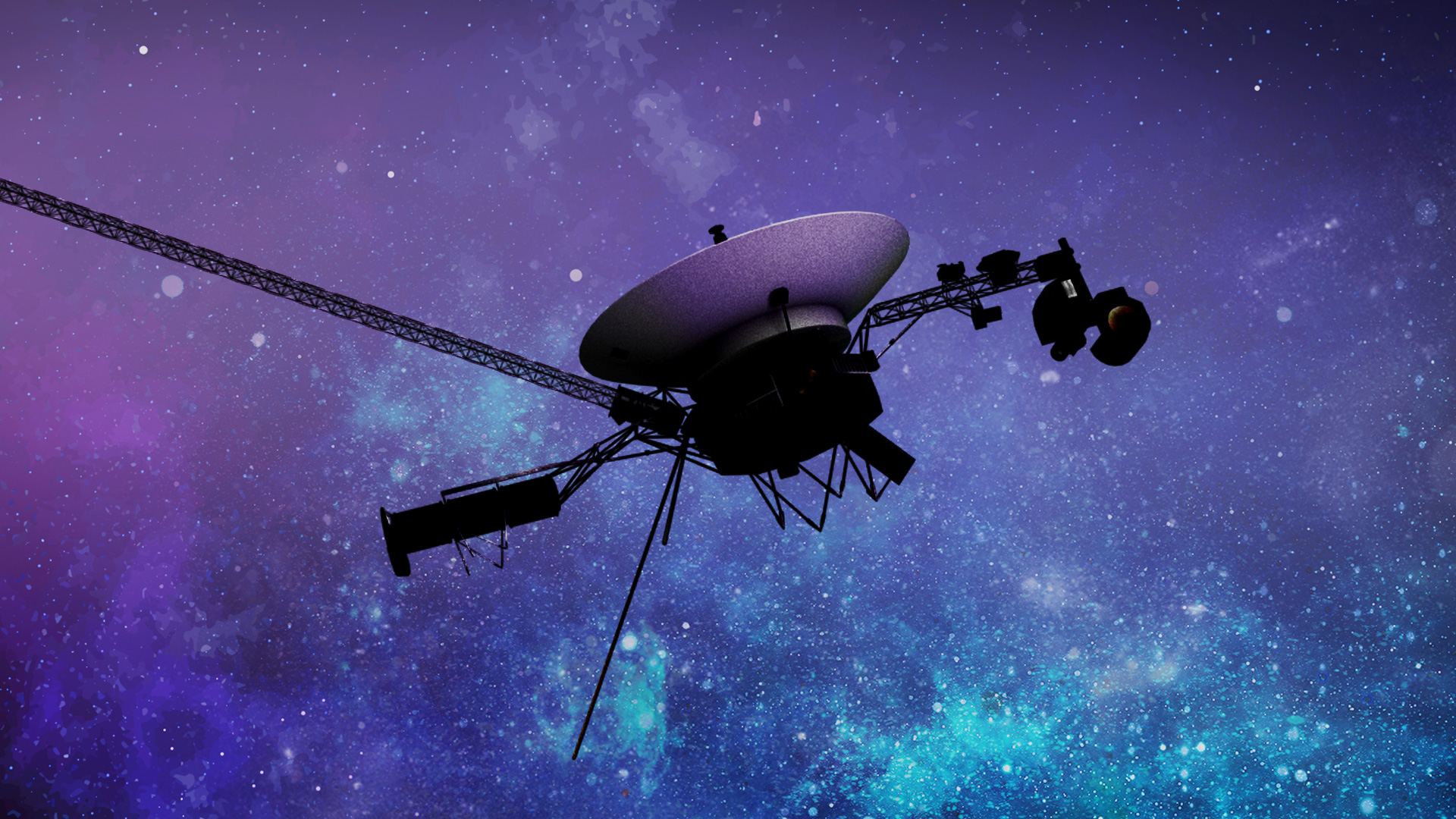
NASA Shuts Off Instrument on Voyager 1 to Keep Spacecraft Operating
NASA engineers at Jet Propulsion Laboratory (JPL) commanded the shutdown of the Low-energy Charged Particles (LECP) experiment on Voyager 1 on April 17 to conserve power. This decision follows a pre-established plan to maintain mission operations, having already deactivated seven of ten instruments. The LECP has provided critical interstellar data since Voyager 1's 1977 launch.
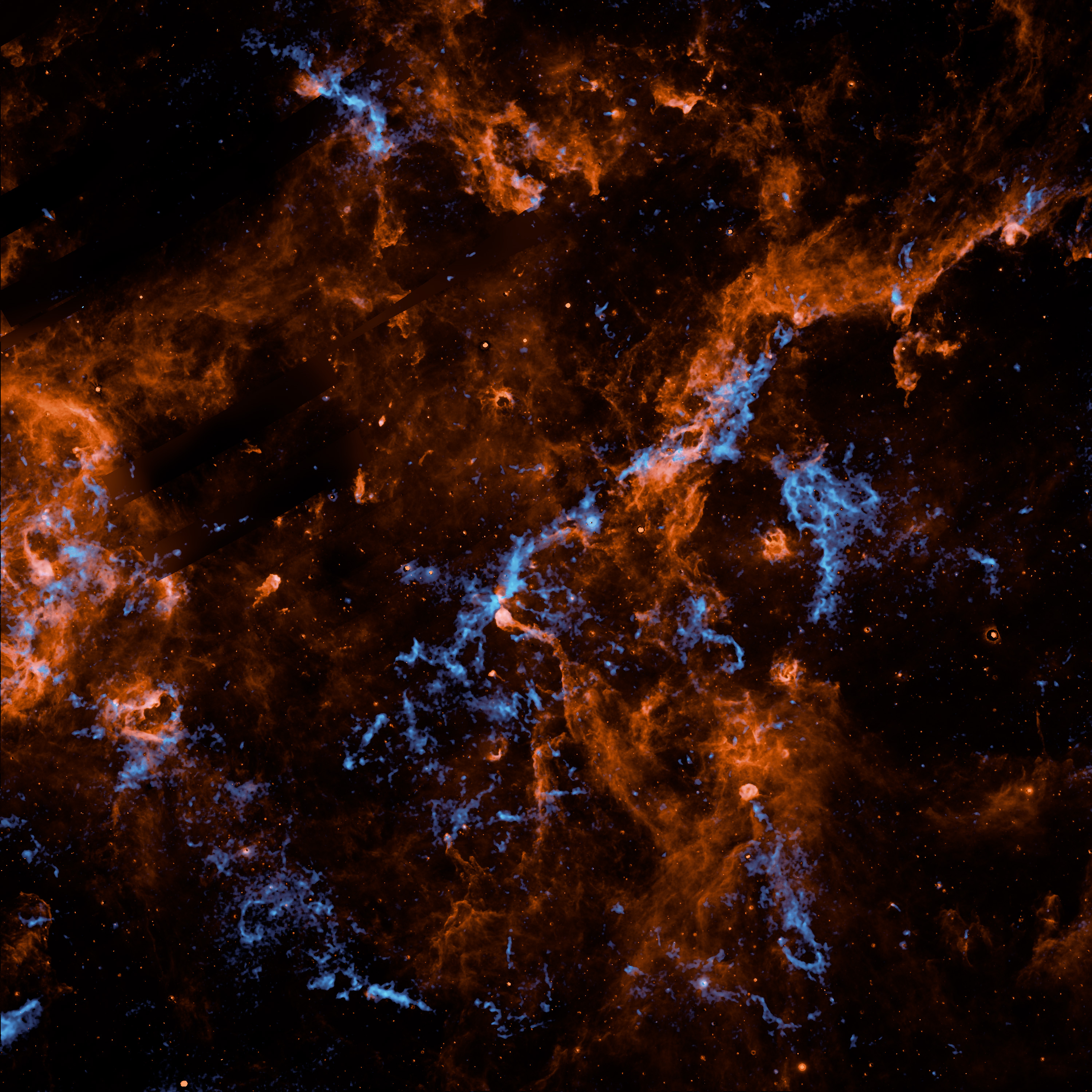
NASA’s SPHEREx Observatory Maps Interstellar Ice in Milky Way
NASA’s SPHEREx Observatory has successfully mapped interstellar ice in the Milky Way, revealing chemical signatures of water ice and polycyclic aromatic hydrocarbons in Cygnus X, a star-forming region. This observation, released on April 15, 2026, supports SPHEREx’s goal to identify vital ice molecules that contribute to the development of life across the universe.
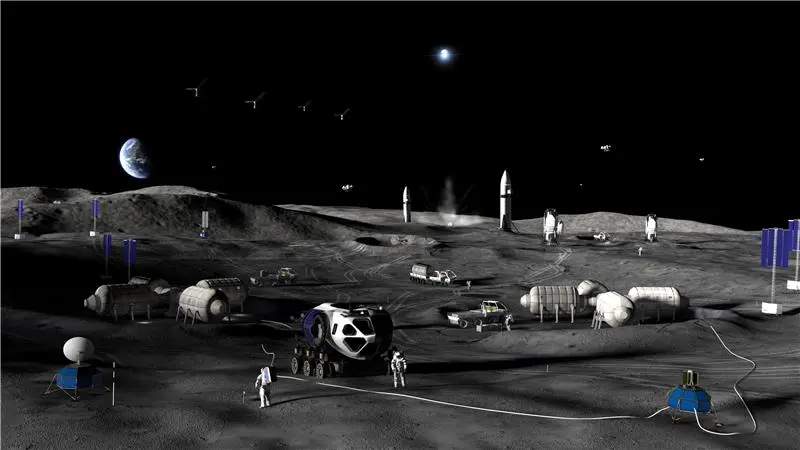
NASA Unveils Initiatives to Achieve America’s National Space Policy
NASA announced initiatives at its “Ignition” event aimed at fulfilling President Donald J. Trump’s National Space Policy. Key actions include establishing a Moon Base, enhancing U.S. presence in low Earth orbit, and advancing nuclear power and propulsion technologies. The Jet Propulsion Laboratory will support these efforts, emphasizing the urgency and opportunity for transformative science and discovery.
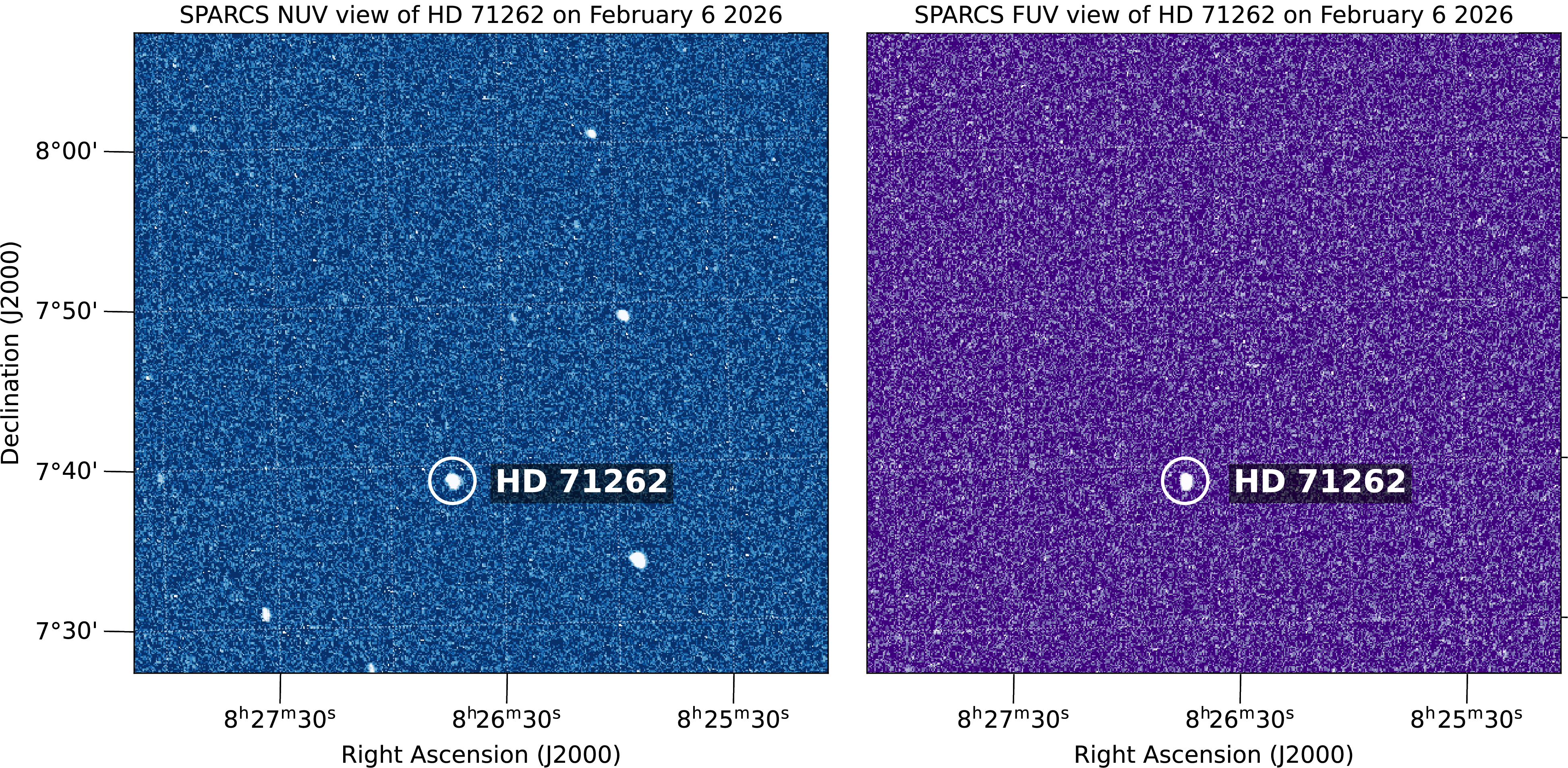
Tiny NASA Spacecraft Delivers Exoplanet Mission’s First Images
NASA’s SPARCS spacecraft has successfully delivered its first ultraviolet images, marking a critical milestone for the mission. Launched on January 11, SPARCS will monitor low-mass stars to assess their habitability potential. Principal Investigator Evgenya Shkolnik emphasized the significance of these images, confirming the instruments are ready for full science operations over the mission's one-year duration.
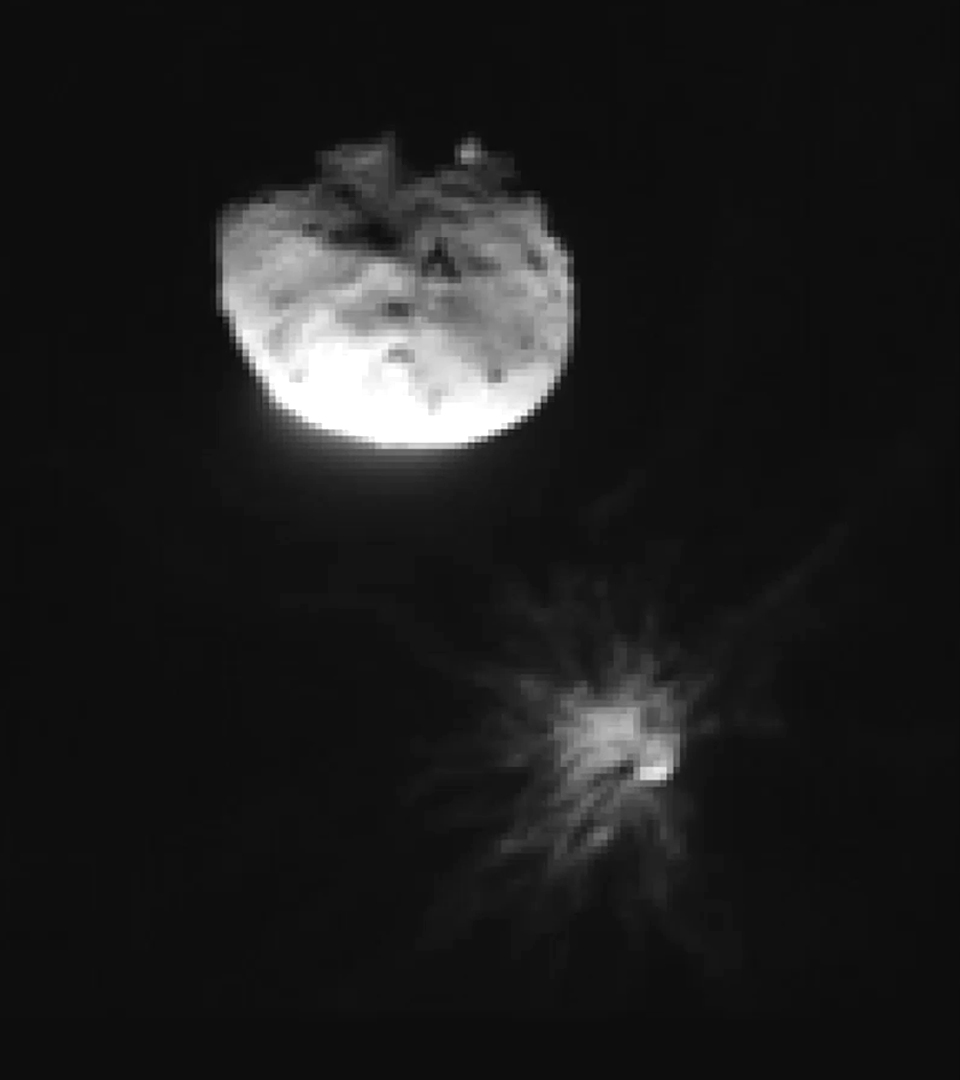
NASA’s DART Mission Changed Orbit of Asteroid Didymos Around Sun
NASA’s DART spacecraft impacted the asteroid moonlet Dimorphos in September 2022, altering both its orbit and that of its larger companion, Didymos, around the Sun. This marked the first measurable change in a celestial body's path due to human intervention. The impact demonstrated kinetic impact as a viable planetary defense technique against hazardous asteroids in the future.