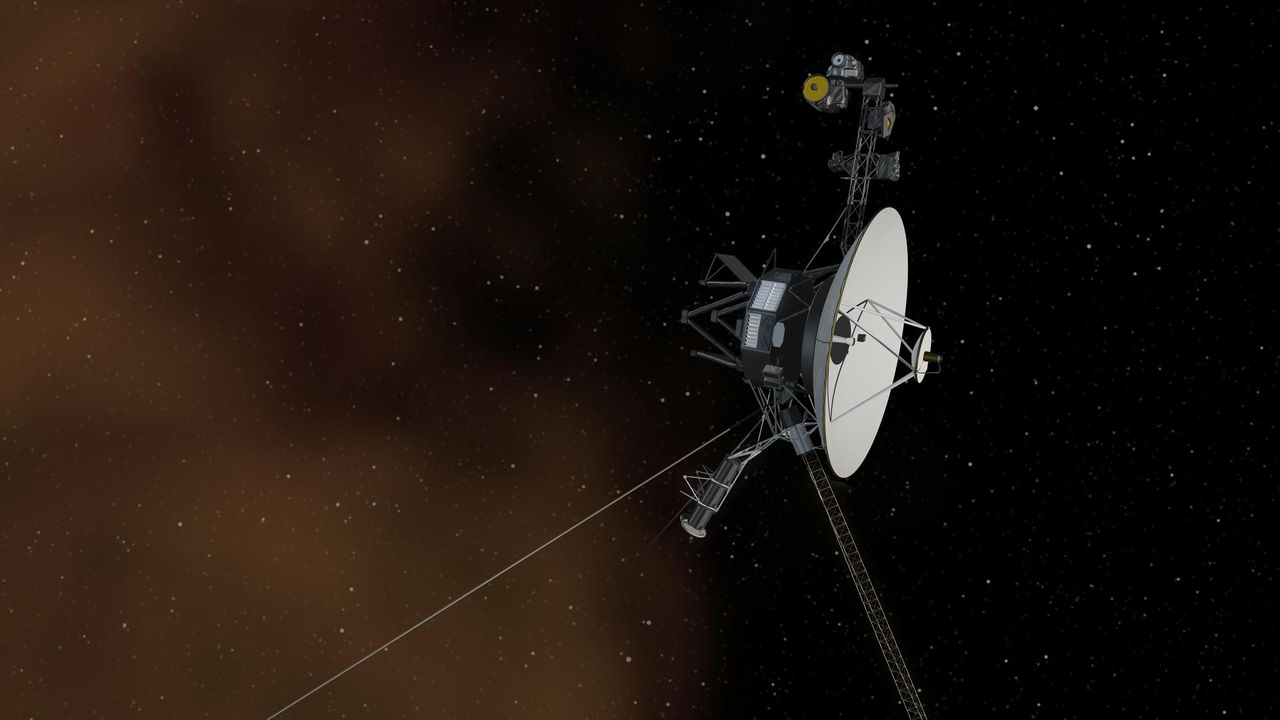
NASA shuts down Voyager 1 instrument to keep probe exploring interstellar space
NASA engineers have shut down the Low-energy Charged Particles experiment (LECP) on Voyager 1 to conserve power for continued exploration of interstellar space. This decision, made on April 17, follows years of planning to prioritize instrument shutdowns. Voyager 1, launched in 1977, remains the most distant human-made object, over 15 billion miles from Earth.
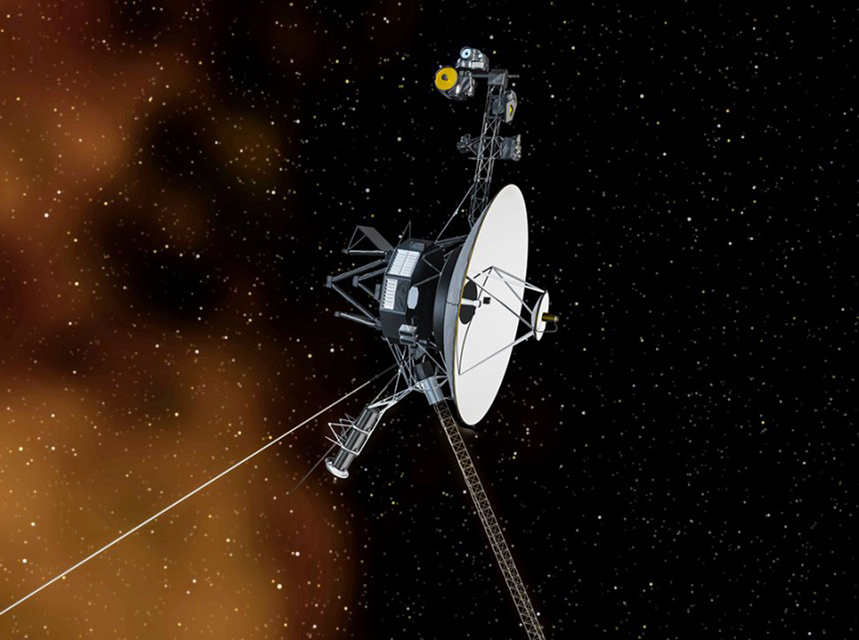
NASA Shuts Off Instrument on Voyager 1 to Extend Interstellar Mission
NASA engineers at Jet Propulsion Laboratory deactivated the Low-energy Charged Particles (LECP) instrument on Voyager 1 on April 17, 2026, to conserve power. This decision follows a power drop during a maneuver, ensuring continued operation of the Magnetometer and Plasma Wave Subsystem. The shutdown extends the mission's capabilities into the 2030s, with a planned power management strategy called the Big Bang.

Engineers shut down another instrument on Voyager-1
NASA engineers at Jet Propulsion Laboratory shut down the Low-energy Charged Particles experiment on Voyager 1 on April 17, 2026, due to declining power. This decision follows a pre-established plan to extend the spacecraft's operational life. Voyager 1 now has three active instruments, with hopes to last until 2027, marking its fiftieth anniversary in space.
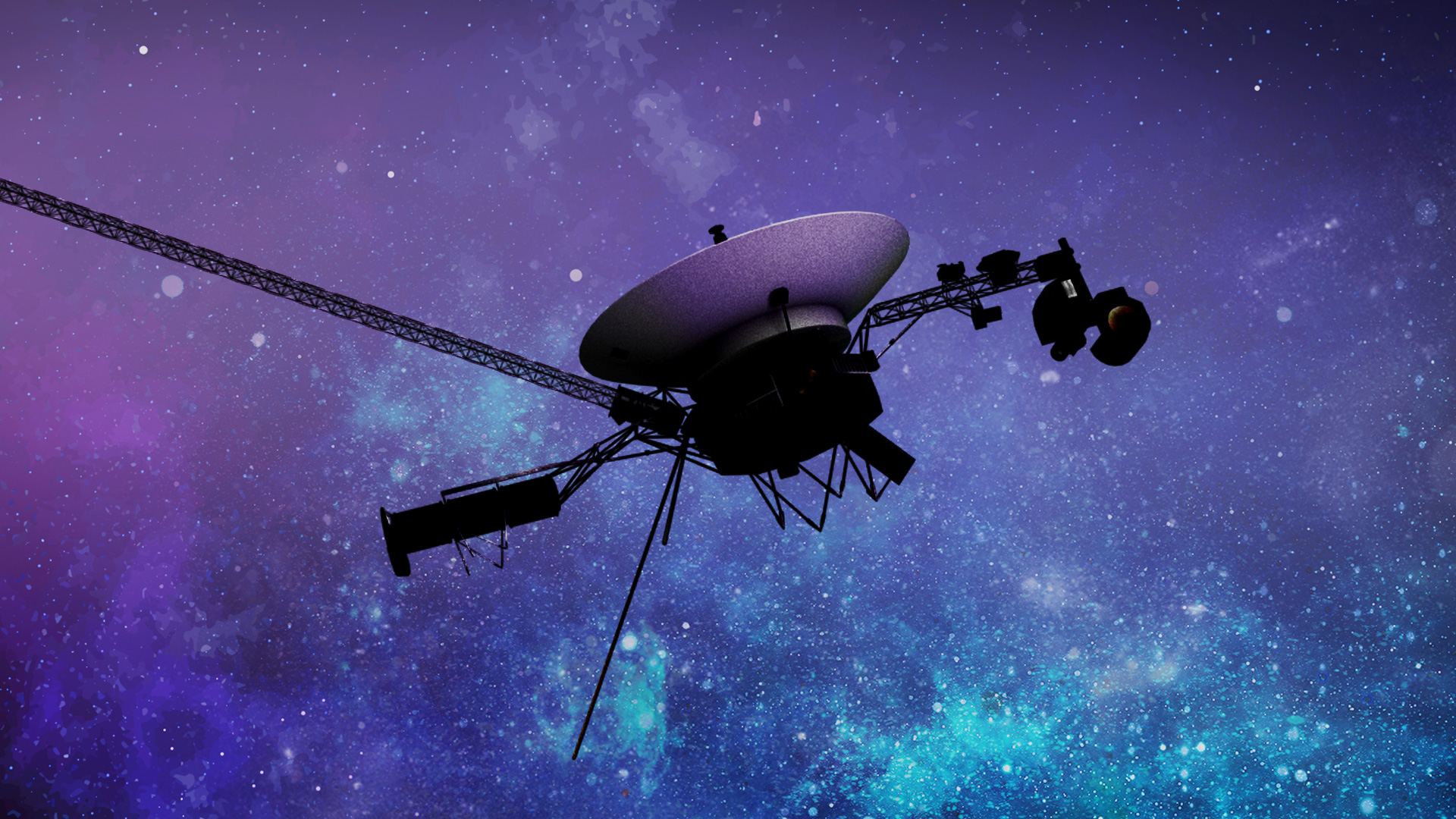
NASA Shuts Off Instrument on Voyager 1 to Keep Spacecraft Operating
NASA engineers at Jet Propulsion Laboratory (JPL) commanded the shutdown of the Low-energy Charged Particles (LECP) experiment on Voyager 1 on April 17 to conserve power. This decision follows a pre-established plan to maintain mission operations, having already deactivated seven of ten instruments. The LECP has provided critical interstellar data since Voyager 1's 1977 launch.