
NASA and Axiom react to OIG Report on delays in Next-Generation Spacesuit Program
NASA and Axiom Space have responded to an OIG report highlighting significant delays in the Next-Generation Spacesuit Program, jeopardizing the 2028 Artemis lunar landing and ISS operations. The report reveals reliance on Axiom as the sole provider, with suit demonstrations now pushed to late-2027, risking further delays that could extend to 2031, impacting critical lunar capabilities.

The Spacesuit Gap: Why Artemis III’s 2028 Landing Date Is Already Slipping
NASA's next-generation spacesuits for Artemis lunar missions may not be ready until 2031, contradicting public confidence in a 2028 lunar landing. The Office of Inspector General report highlights a failed contracting strategy, reducing competition to a sole-source arrangement with Axiom Space. Delays in development raise concerns about meeting the original schedule for lunar surface missions.
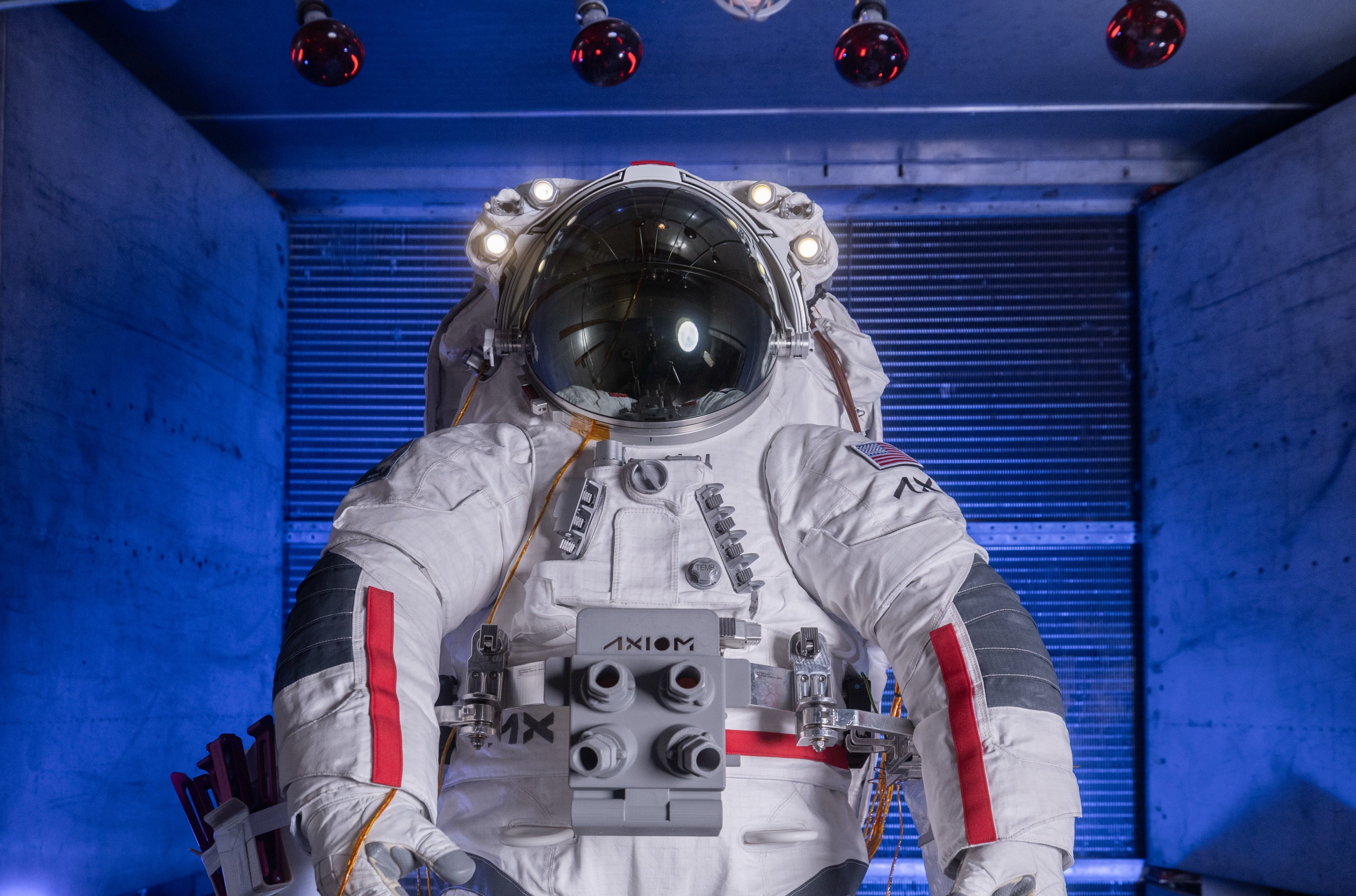
NASA’s 2028 Moon Landing Has A Spacesuit Problem, New Report Says
NASA's 2028 Moon landing is jeopardized by spacesuit development delays, as reported by the Office of the Inspector General. Axiom Space remains the sole vendor after Collins Aerospace withdrew. Axiom secured $350M in financing for suit development, co-led by Type One Ventures and Qatar Investment Authority. Future interoperability standards are recommended for Artemis vehicles and suits.

Artemis spacesuit development risks further delays
NASA's inspector general warns that new spacesuits for Artemis lunar missions and the ISS may not be ready until after 2030. The report criticizes the xEVAS program's commercial approach, citing technical risks and poor performance by Collins Aerospace. Axiom Space continues development, but delays could push demonstrations to 2031, conflicting with optimistic timelines for upcoming missions.
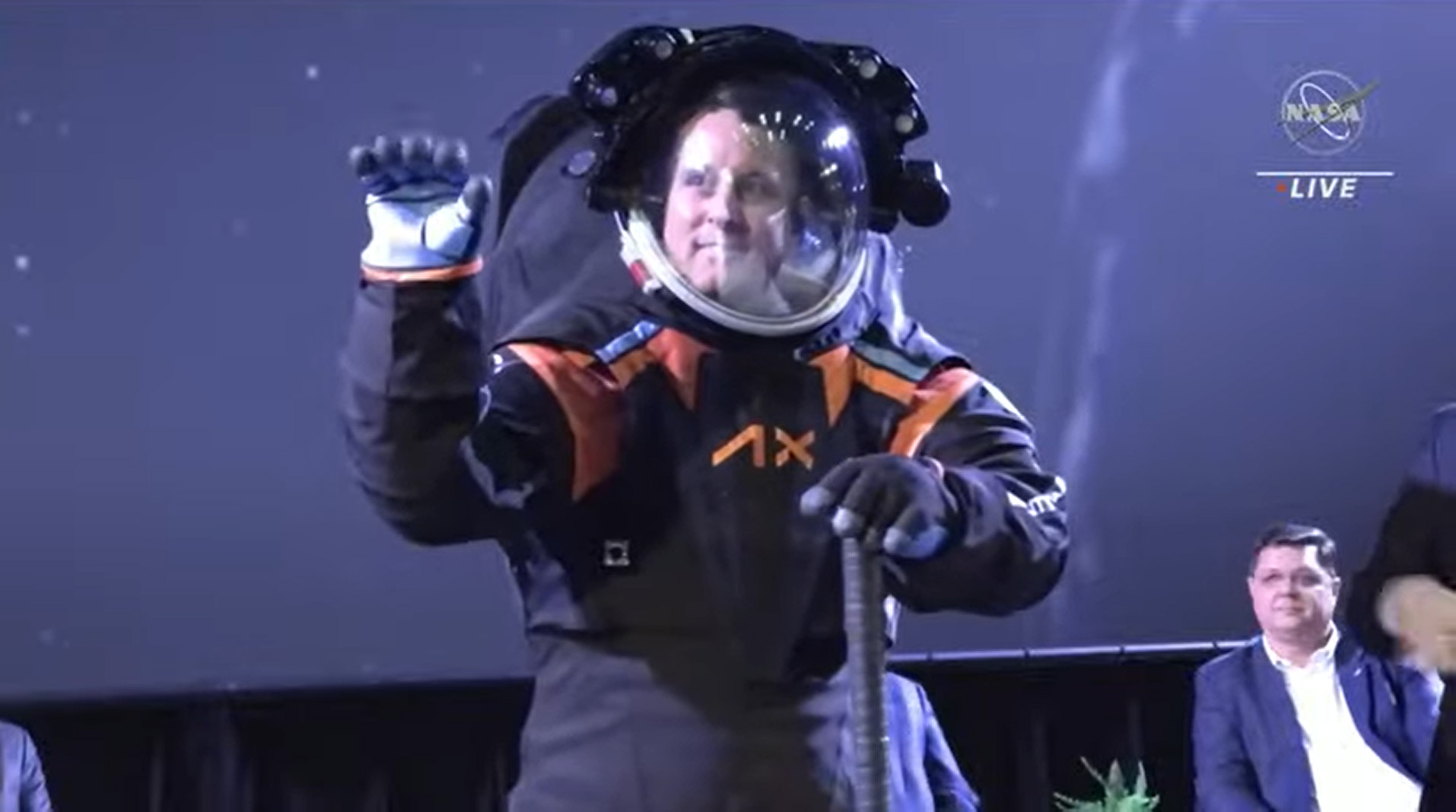
NASA IG Raises More Questions About Readiness for Human Lunar Landings
NASA's Office of Inspector General raised concerns about the feasibility of landing humans on the Moon by 2028, citing delays in the Human Landing Systems and spacesuit readiness. Axiom Space is developing lunar suits, having secured $350 million in financing. The report indicates potential delays until 2031 for both lunar and ISS suits, impacting Artemis III timelines.
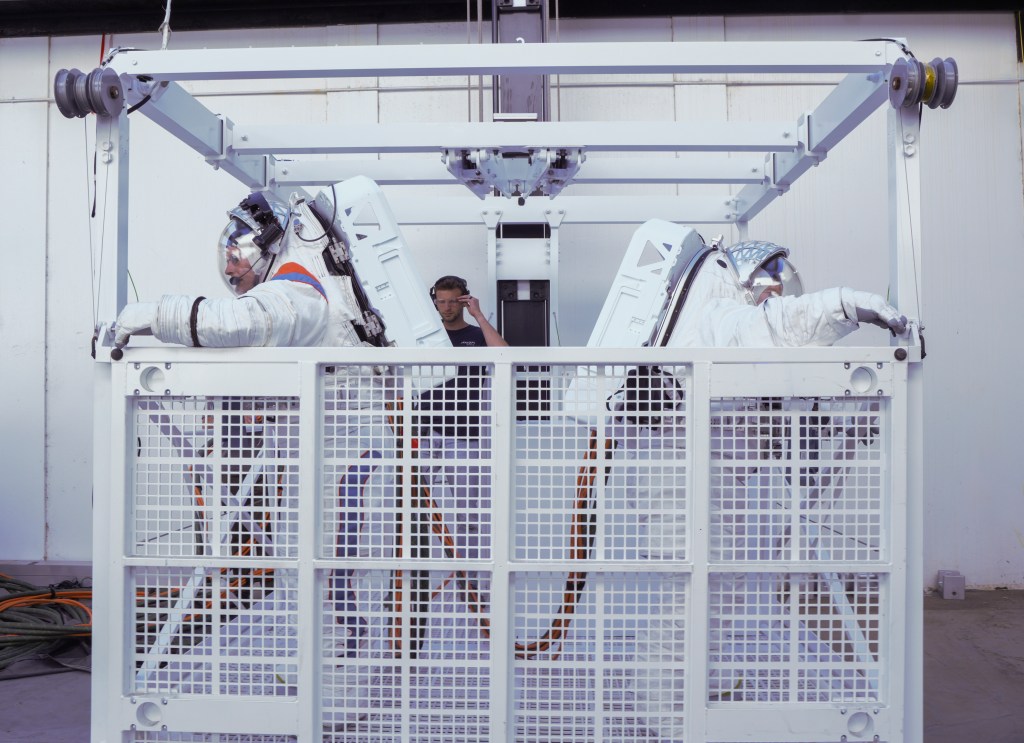
NASA’s IG: With only Axiom building NASA’s future spacesuits, the agency’s lunar program faces great scheduling risk
NASA's inspector general warns that the lunar program faces significant scheduling risks due to reliance on Axiom as the sole contractor for new spacesuits. The report highlights potential delays if Axiom fails to meet requirements, necessitating continued use of outdated EMU suits. Alternative options exist, but standardization issues complicate future suit development for the Artemis program.

The space station startups: NASA’s new space station plan is mistaken
NASA's new space station plan faces strong opposition from Axiom Space, Vast, and Starlab Space executives. They argue that the market can sustain independent stations by 2030, countering NASA's belief of insufficient demand. Max Haot of Vast emphasized their readiness, while Jonathan Cirtain of Axiom highlighted revenue from private missions. Axiom has raised $450M in funding, while Vast has secured over $1B.
Axiom Space’s Suit Set to Fly in 2027
Axiom Space announced its space suit is set for an in-space test in 2026, with potential deployment on Artemis III or the ISS. The suit features specialized boots for lunar and station environments. CEO Jonathan Cirtain emphasized the responsibility of being NASA's sole suit provider amid increasing competition. Partnerships include Prada and Gu Energy Labs for design and astronaut nutrition.
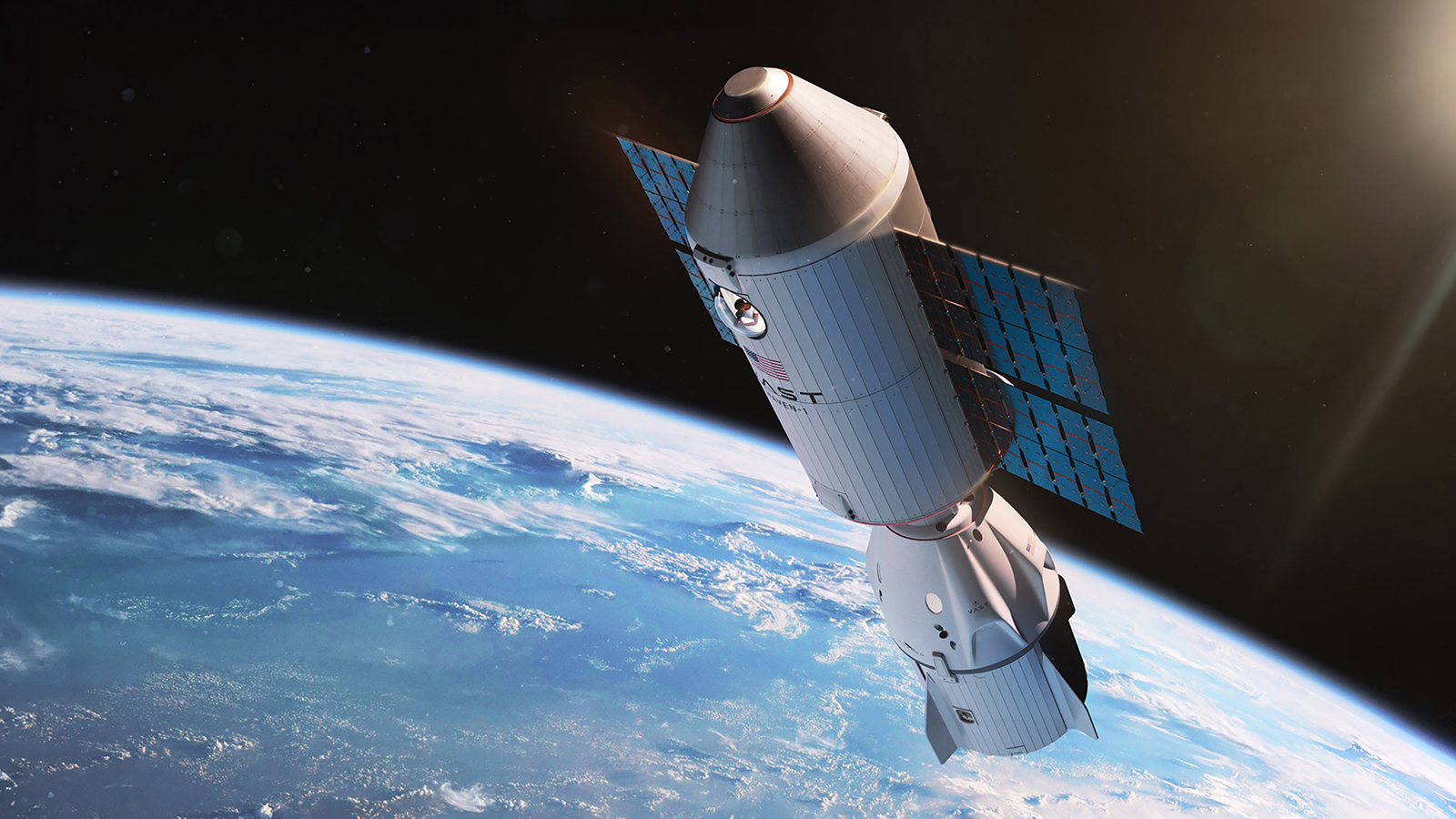
Commercial station builders counter NASA’s assessment of LEO market
Vast's CEO Max Haot and executives from Axiom Space and Starlab Space countered NASA's claim of an undeveloped commercial LEO market, asserting profitability by 2030. They highlighted revenue from private astronaut missions and payloads, with Axiom planning to operate its station by 2028. Their responses to NASA's feedback request included 390 pages of analysis supporting their position.
Voyager Technologies Wins Its First Private ISS Mission
Voyager Technologies secured its inaugural private mission to the ISS, marking a significant entry into the competitive landscape previously dominated by Axiom Space. With NASA's initial five PAMs awarded exclusively to Axiom, the emergence of new players in 2026 indicates a shifting market dynamic. This development highlights the growing interest in commercial ISS operations.
Voyager wins slot to fly tourist mission to ISS in 2028
Voyager Technologies has secured a slot for the VOYG-1 tourist mission to the ISS in 2028, expected to last 14 days. This mission will involve training with NASA and international partners. Voyager leads the consortium developing Starlab, which will launch on SpaceX's Starship. Other commercial stations like Axiom and Vast also plan ISS missions.
Isaacman ‘gaining confidence’ both landers will participate in Artemis III
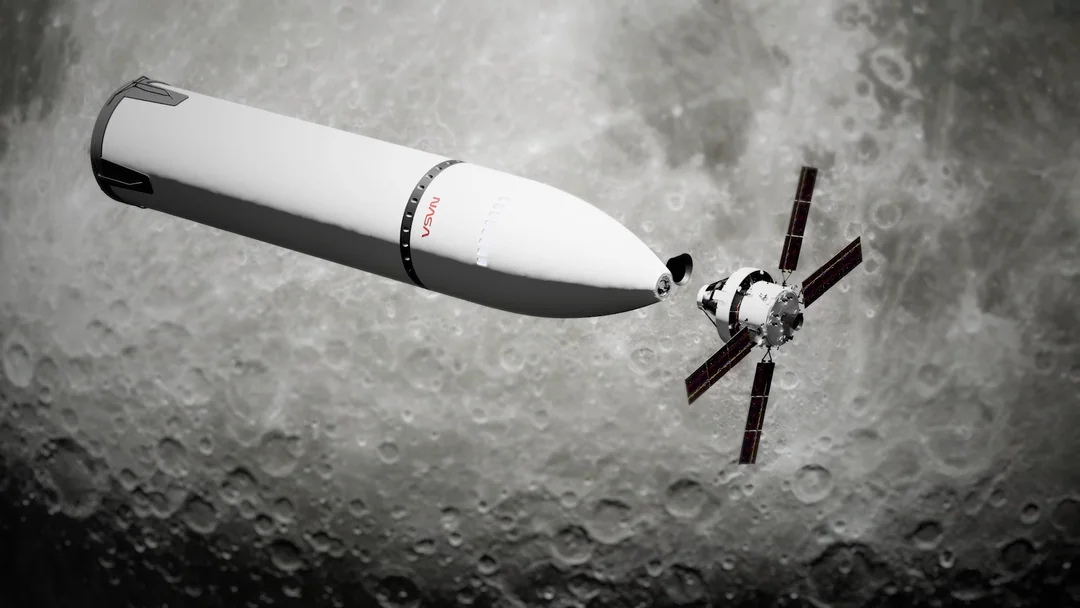
NASA is increasingly optimistic that both lunar lander providers, SpaceX and Blue Origin, will participate in the Artemis III test next year. Administrator Jared Isaacman expressed growing confidence during a recent interview. The test will involve an Orion crew capsule practicing rendezvous and docking with the landers, aiming for two lunar landings in 2028.