Artemis Accords
program ActiveNASA crewed lunar-return programme.
Events · 2
Articles · 24
view in feed →
NASA and Axiom react to OIG Report on delays in Next-Generation Spacesuit Program
NASA and Axiom Space have responded to an OIG report highlighting significant delays in the Next-Generation Spacesuit Program, jeopardizing the 2028 Artemis lunar landing and ISS operations. The report reveals reliance on Axiom as the sole provider, with suit demonstrations now pushed to late-2027, risking further delays that could extend to 2031, impacting critical lunar capabilities.

NASA Invites Media to Jordan Artemis Accords Signing Ceremony
NASA will host a signing ceremony for the Artemis Accords with the Hashemite Kingdom of Jordan on April 23, 2026. Jared Isaacman, NASA Administrator, will welcome Ambassador Dina Kawar and Ruth Perry from the U.S. Department of State. This event marks Jordan as the 63rd country to join the accords, promoting safe lunar exploration principles.

NASA at SXSW: Johnson Director Vanessa Wyche on Why Artemis Changes Everything
NASA's Artemis program, articulated by Vanessa Wyche, aims to revolutionize human spaceflight by establishing a sustainable lunar presence as a precursor to Mars missions. Wyche emphasized international partnerships and the role of the International Space Station in developing critical technologies. The strategy integrates commercial collaboration to enhance capabilities from low Earth orbit to deep space exploration.
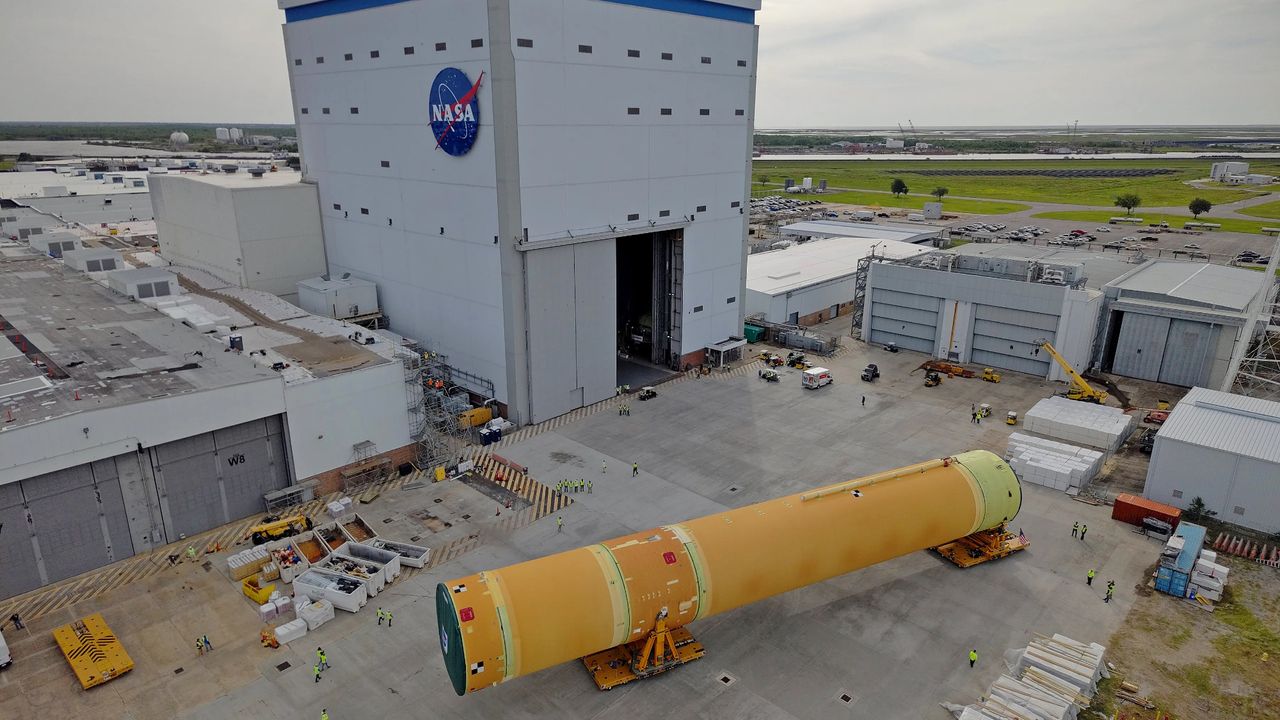
NASA rolls out Artemis 3 SLS rocket's huge core stage to gear up for 2027 launch (photo)
NASA rolled out the core stage of the Space Launch System (SLS) rocket for the Artemis 3 mission on April 20, 2026, from Michoud Assembly Facility to the Pegasus barge. This milestone advances preparations for the targeted mid-2027 launch, which will involve testing rendezvous operations with Orion and private lunar landers, including SpaceX's Starship and Blue Origin's Blue Moon.

The Spacesuit Gap: Why Artemis III’s 2028 Landing Date Is Already Slipping
NASA's next-generation spacesuits for Artemis lunar missions may not be ready until 2031, contradicting public confidence in a 2028 lunar landing. The Office of Inspector General report highlights a failed contracting strategy, reducing competition to a sole-source arrangement with Axiom Space. Delays in development raise concerns about meeting the original schedule for lunar surface missions.

Artemis spacesuit development risks further delays
NASA's inspector general warns that new spacesuits for Artemis lunar missions and the ISS may not be ready until after 2030. The report criticizes the xEVAS program's commercial approach, citing technical risks and poor performance by Collins Aerospace. Axiom Space continues development, but delays could push demonstrations to 2031, conflicting with optimistic timelines for upcoming missions.
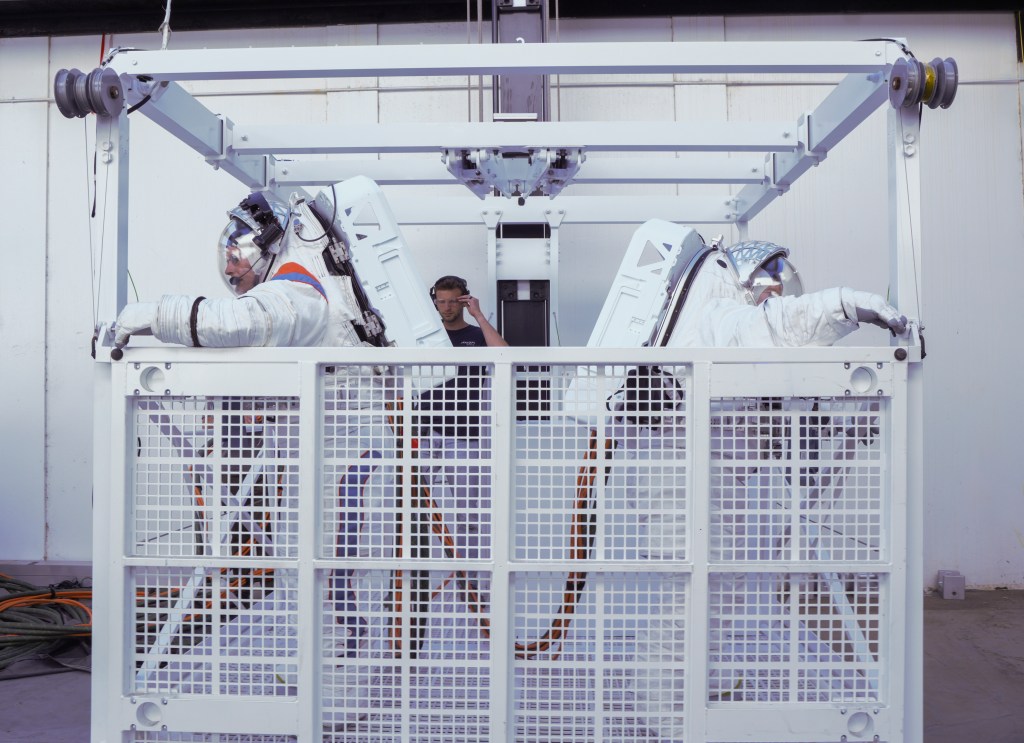
NASA’s IG: With only Axiom building NASA’s future spacesuits, the agency’s lunar program faces great scheduling risk
NASA's inspector general warns that the lunar program faces significant scheduling risks due to reliance on Axiom as the sole contractor for new spacesuits. The report highlights potential delays if Axiom fails to meet requirements, necessitating continued use of outdated EMU suits. Alternative options exist, but standardization issues complicate future suit development for the Artemis program.
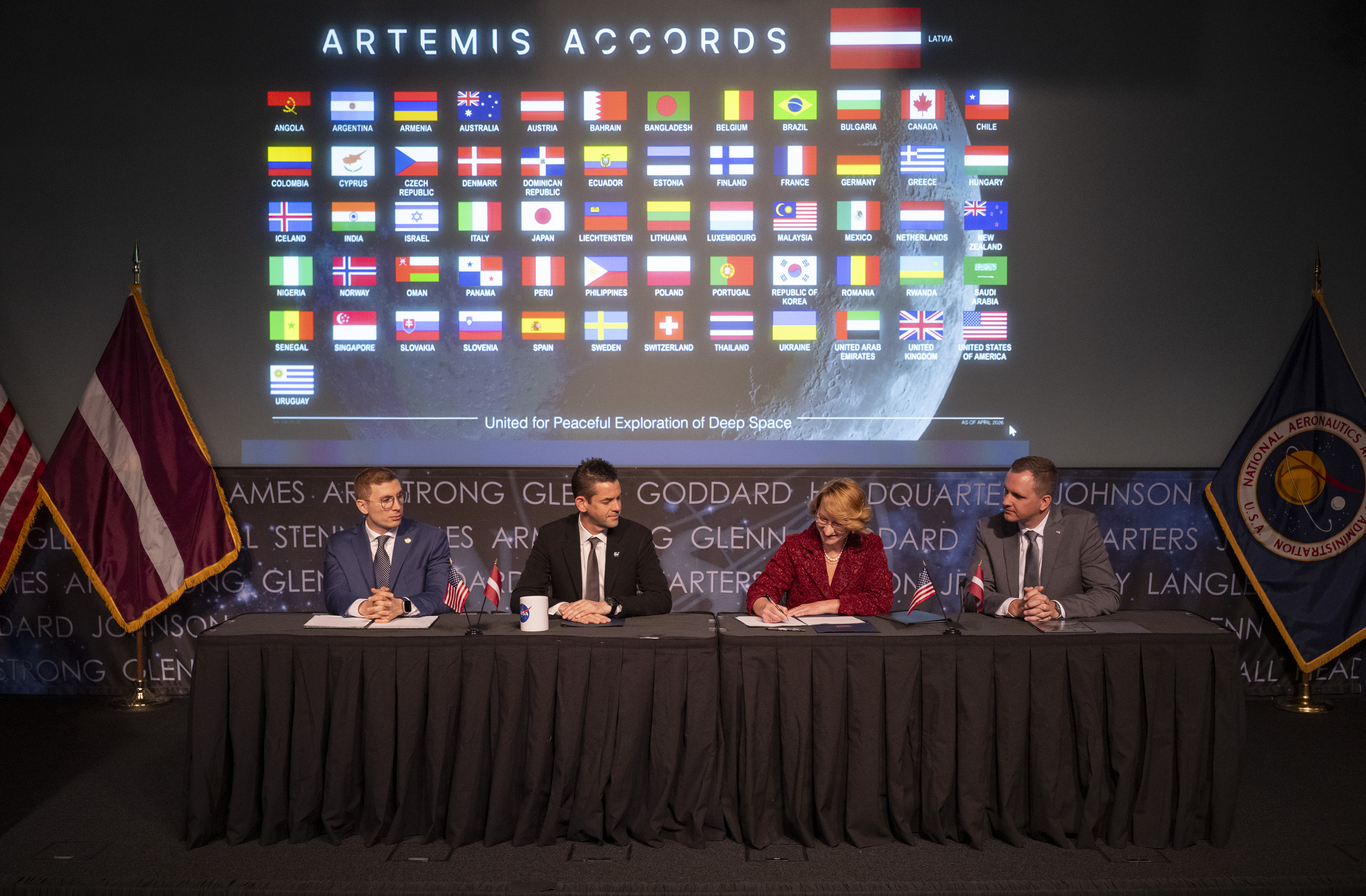
NASA Welcomes Latvia as Newest Artemis Accords Signatory
Latvia signed the Artemis Accords on April 20, 2026, becoming the 62nd nation to commit to responsible space exploration. The signing ceremony, hosted by NASA at its headquarters, featured Jared Isaacman and Dace Melbārde. This partnership enhances international cooperation and aims to establish a sustainable lunar presence, fostering future collaboration in space activities under the Artemis framework.

In the wake of Artemis 2, America needs to consider the ‘why’ of its government space program
SpaceX's innovations in space flight technology have sparked debate over the Artemis program's value, with critics arguing for a shift in funding towards commercial ventures. However, the government’s role remains crucial in establishing infrastructure and reducing risks for future missions. The $10.08 billion allocated for Artemis 4 and 5 underscores the ongoing commitment to human space exploration despite public skepticism.
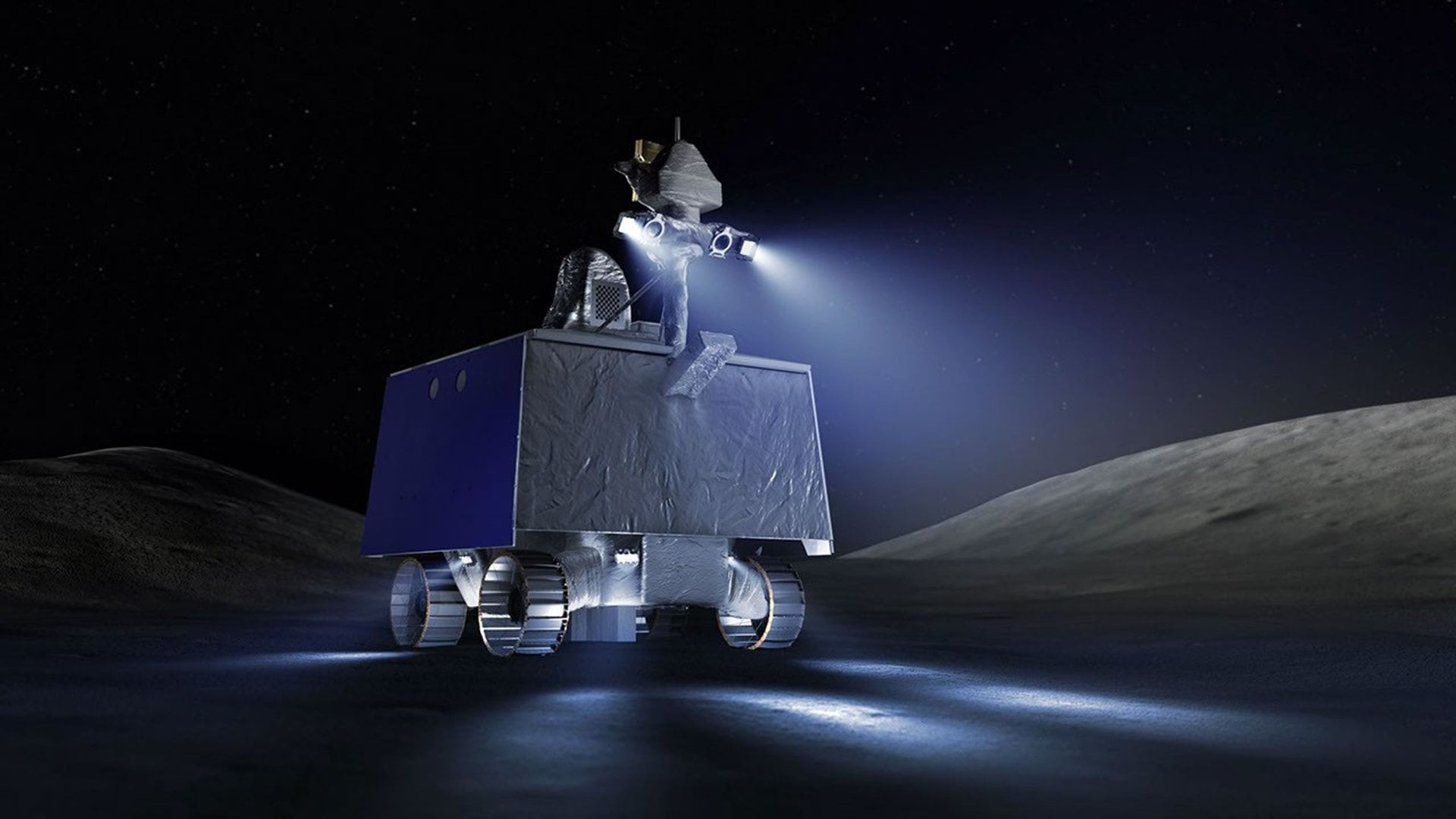
"Immature" Lunar Soil Could Be Suitable for Roadways on the Moon
NASA's Artemis Program and ESA's Moon Village aim to establish a sustainable lunar presence. Research by Vanesa Muñiz Lloréns and Michael Lucas indicates that