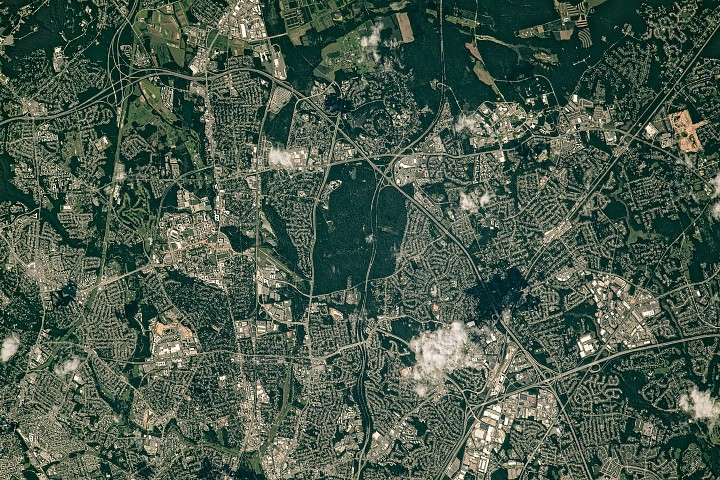
Belts of Green in the Washington Suburbs
NASA Earth Observatory's image captures green spaces along the Capital Beltway in Maryland, showcasing Greenbelt Park and the historic district. The photo, taken from the ISS on July 30, 2023, highlights the region's lush vegetation and planned communities from the New Deal era. The Goddard Space Flight Center is also visible, emphasizing the area's significance.
NASA at SXSW: Johnson Director Vanessa Wyche on Why Artemis Changes Everything
NASA's Artemis program, articulated by Vanessa Wyche, aims to revolutionize human spaceflight by establishing a sustainable lunar presence as a precursor to Mars missions. Wyche emphasized international partnerships and the role of the International Space Station in developing critical technologies. The strategy integrates commercial collaboration to enhance capabilities from low Earth orbit to deep space exploration.
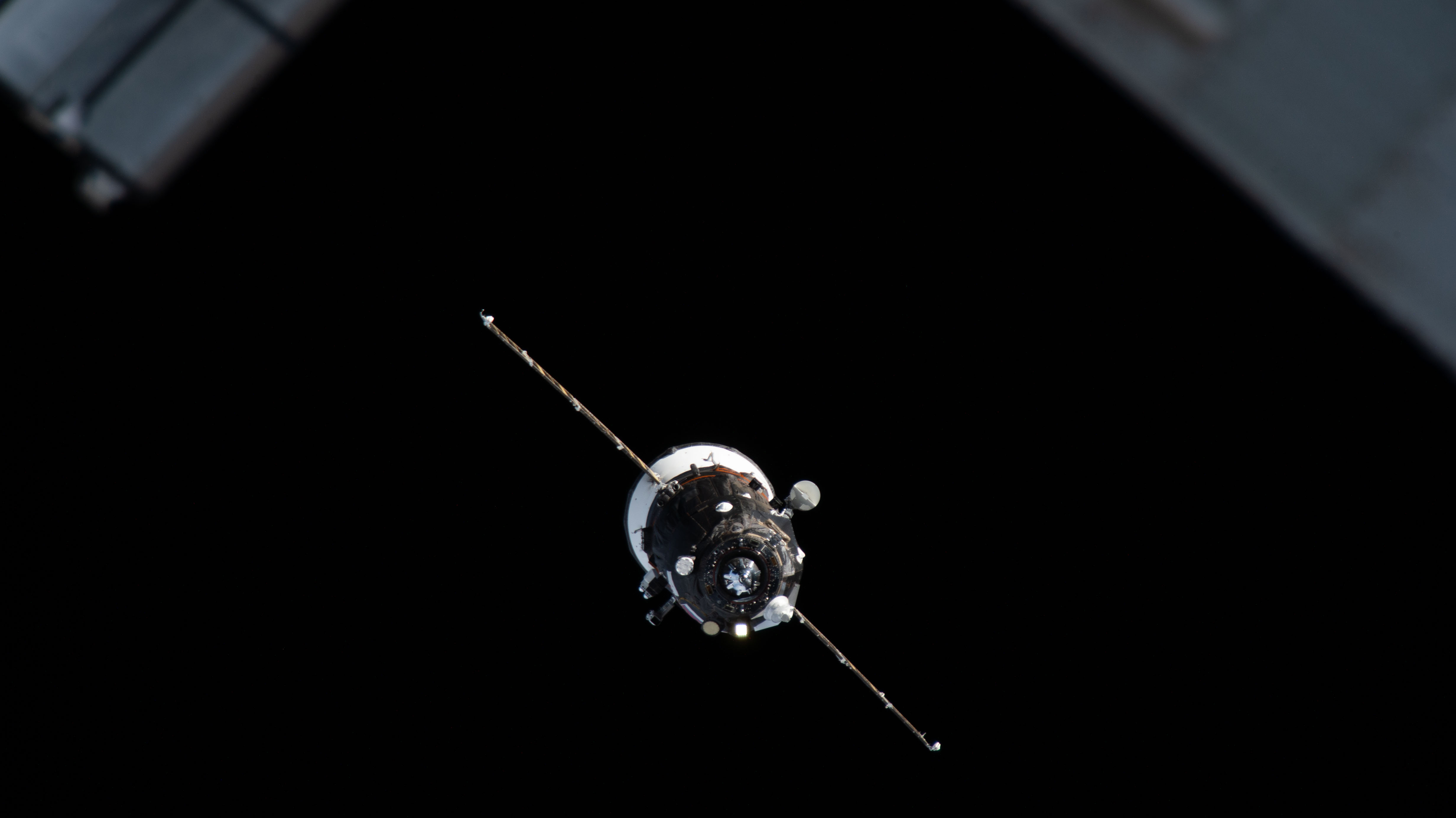
NASA to Cover Progress 95 Spacecraft Launch, Docking
NASA will provide live coverage of the Progress 95 spacecraft launch on April 25, 2026, at 6:21 p.m. EDT from Baikonur Cosmodrome. The uncrewed spacecraft will carry three tons of supplies to the International Space Station. It will dock autonomously on April 27, remaining attached for seven months before re-entering Earth's atmosphere to dispose of trash.
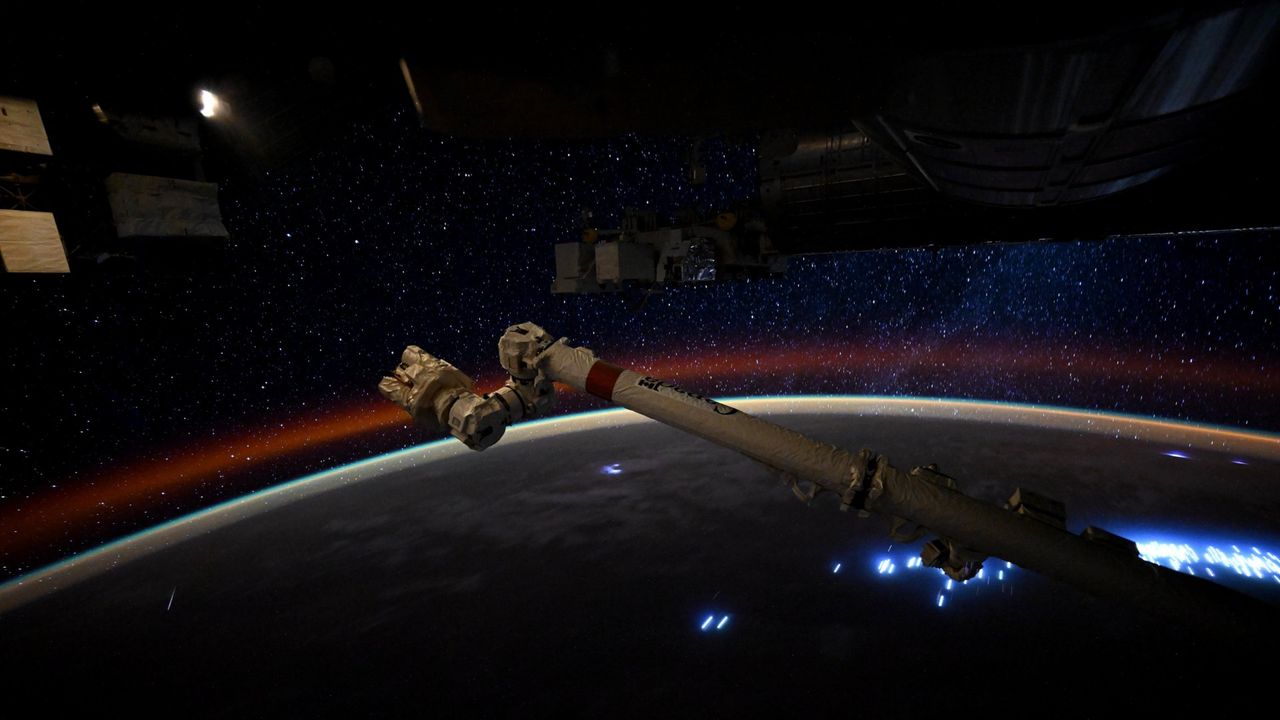
Astronauts photograph Lyrid meteor shower from ISS | Space photo of the day for April 21, 2026
NASA astronaut Jessica Meir photographed the Lyrid meteor shower from the International Space Station (ISS) on April 20, 2026. The shower peaks overnight from April 21 to April 22, producing 15 to 20 meteors per hour. Meir's image highlights Earth's thin atmosphere and the stunning view of meteors streaking through it, showcasing a unique perspective from space.
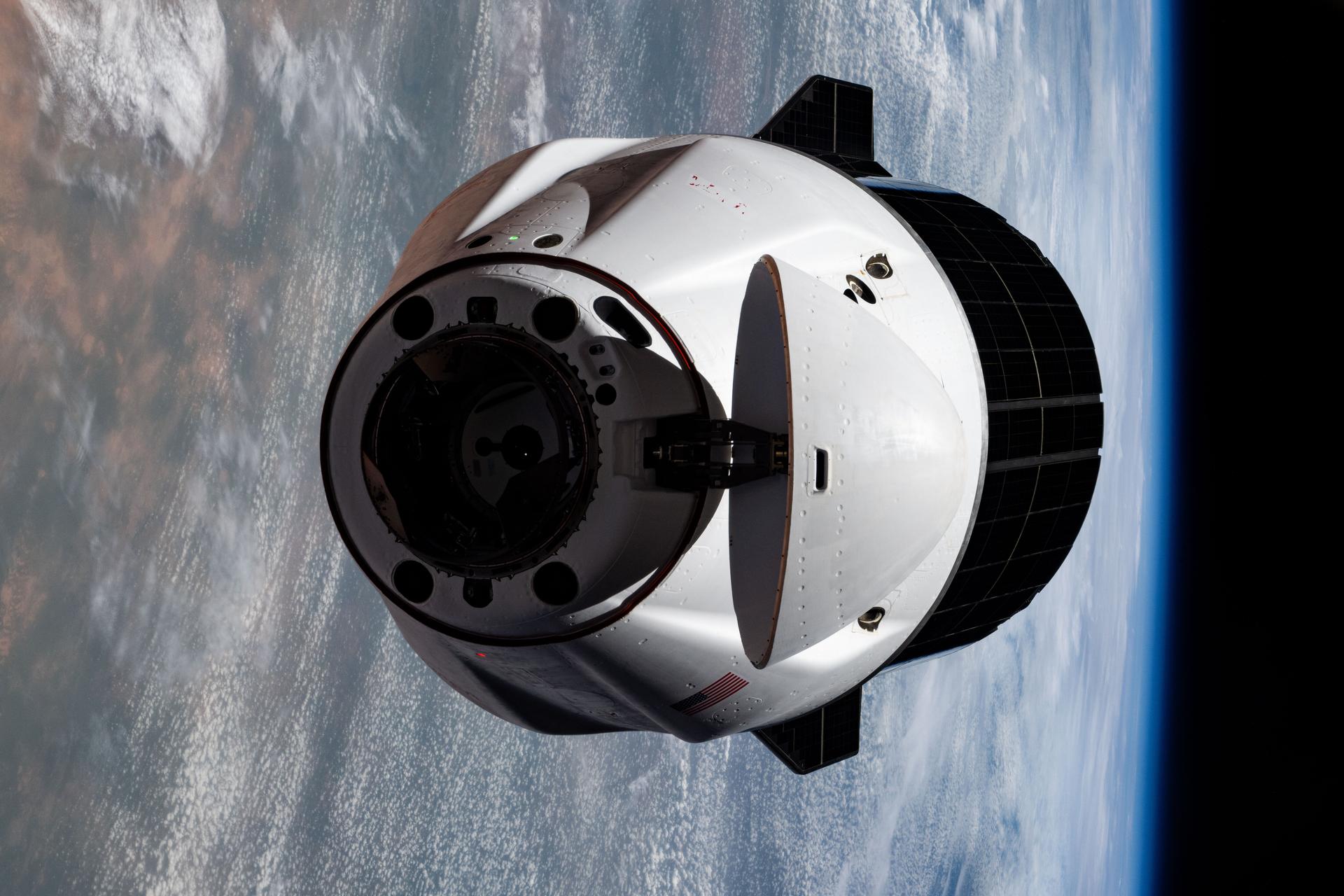
NASA Invites Media to SpaceX’s 34th Resupply Launch to Space Station
NASA has invited media to cover SpaceX's 34th Commercial Resupply Services mission, targeting launch no earlier than May 12, 2026. The Falcon 9 rocket will deliver over 5,000 pounds of science, supplies, and hardware to the International Space Station. This mission includes experiments on microgravity effects and new treatments for osteoporosis, enhancing research capabilities in space.
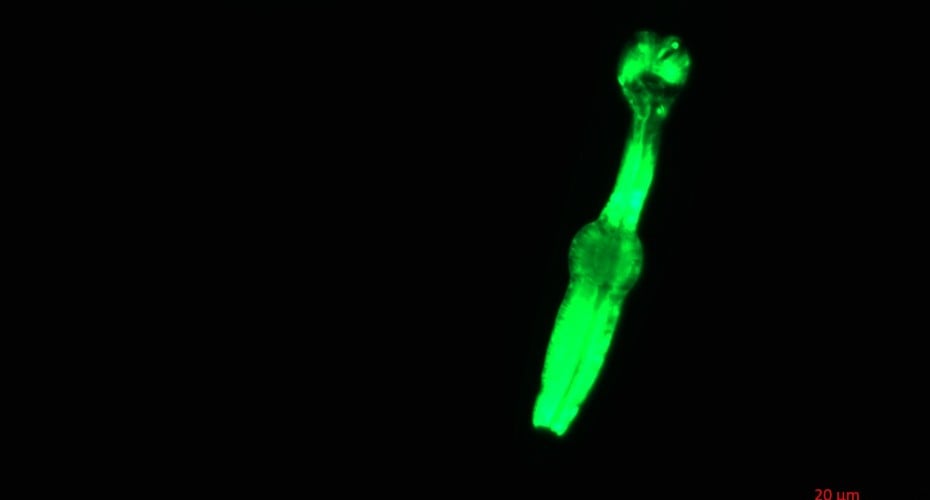
To Survive Deep Space, Astronauts May Owe a Debt to Microscopic Worms
C. elegans nematode worms launched aboard NASA's Northrop Grumman CRS-24 mission on April 11, 2026, to the International Space Station (ISS) for the Fluorescent Deep Space Petri-Pods project. Funded by the UK Space Agency, these worms will endure microgravity and cosmic radiation for 15 weeks, aiding research on biological adaptation in space environments.

Expedition 74 sees vehicle departures and a spacewalk during March
Expedition 74 conducted multiple vehicle departures and a spacewalk during March, enhancing operational efficiency aboard the International Space Station. The crew's activities included routine maintenance and scientific experiments, contributing to ongoing research in microgravity. These operations are critical for sustaining long-term human presence in low Earth orbit and advancing international collaboration in space exploration.
NASA Selects Voyager for Seventh Private Mission to Space Station
NASA has selected Voyager Technologies for the seventh private astronaut mission to the International Space Station, named VOYG-1, targeting a launch no earlier than 2028. This mission will last up to 14 days, with Voyager proposing four crew members for NASA's review. The partnership aims to enhance commercial space capabilities and support future deep space exploration efforts.

Space Worms! UK scientists launch microscopic crew into orbit to support future Moon missions
UK Space Agency funded a pioneering experiment launching C. elegans nematode worms to the International Space Station aboard NASA's Northrop Grumman CRS-24 Mission. This project, led by the University of Exeter and engineered by the University of Leicester, aims to study biological responses to microgravity, supporting future Moon missions and astronaut health during long-duration space travel.