To Survive Deep Space, Astronauts May Owe a Debt to Microscopic Worms
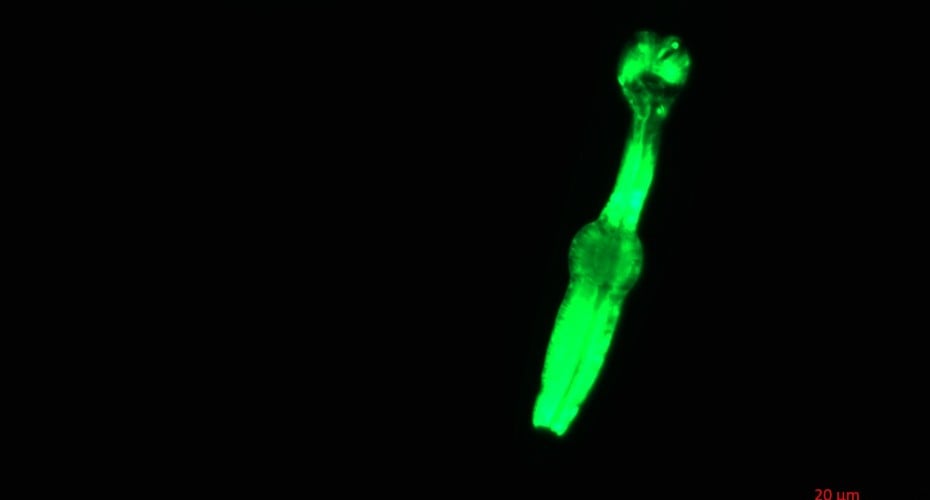
C. elegans nematode worms launched aboard NASA's Northrop Grumman CRS-24 mission on April 11, 2026, to the International Space Station (ISS) for the Fluorescent Deep Space Petri-Pods project. Funded by the UK Space Agency, these worms will endure microgravity and cosmic radiation for 15 weeks, aiding research on biological adaptation in space environments.

Notice: UK National Delegate support for ESA ARTES Invitations to Tender
UK Space Agency supports ESA's ARTES Invitations to Tender, offering up to 100% funding for early technology development. UK organizations must obtain approval from the UK Space Agency before submitting proposals to ESA. The application process includes registration, proposal submission, and funding authorization. The program remains open until further notice, facilitating innovation in the space sector.
Space Worms! UK scientists launch microscopic crew into orbit to support future Moon missions
UK Space Agency funded a pioneering experiment launching C. elegans nematode worms to the International Space Station aboard NASA's Northrop Grumman CRS-24 Mission. This project, led by the University of Exeter and engineered by the University of Leicester, aims to study biological responses to microgravity, supporting future Moon missions and astronaut health during long-duration space travel.
Transparency data: UK Space Agency Register of Board Members’ Interests
UK Space Agency's Register of Board Members’ Interests details private interests declared by board members, including directorships and outside employment. The register reflects interests during the Agency's operation as an executive agency, which merged into the Department for Science, Innovation and Technology (DSIT) on April 1, 2026, closing on March 31, 2026.
Guidance: C-LEO Programme
UK Space Agency's Connectivity in Low-Earth Orbit (C-LEO) programme will allocate up to £160 million over six years to support UK companies and researchers in developing advanced satellite communications technology. This initiative aims to enhance the UK's competitiveness in the evolving global LEO constellation market, fostering interconnected networks that serve billions globally.
Guidance: Advanced Research in Telecommunications Systems Programme (ARTES)
UK Space Agency subscribed £141.4M to the ARTES programme at the ESA Council of Ministers in November 2025. This funding aims to bolster UK industry in developing next-generation satellite communications products and services. The ARTES programme focuses on research and development for commercial telecommunications, enhancing capabilities within the European space sector and fostering innovation.
Scottish space companies pioneer next-generation satellite communications with SpaceX launch
SpaceX launched three satellites from Spire Global and AAC Clyde Space aboard the Transporter-16 mission, advancing UK capabilities in laser communications. Funded by the UK Space Agency through the Pioneer Programme, these satellites will enhance decision-making in agriculture and environmental management. The UK plans to invest over £600 million in satellite communications R&D in the coming years.