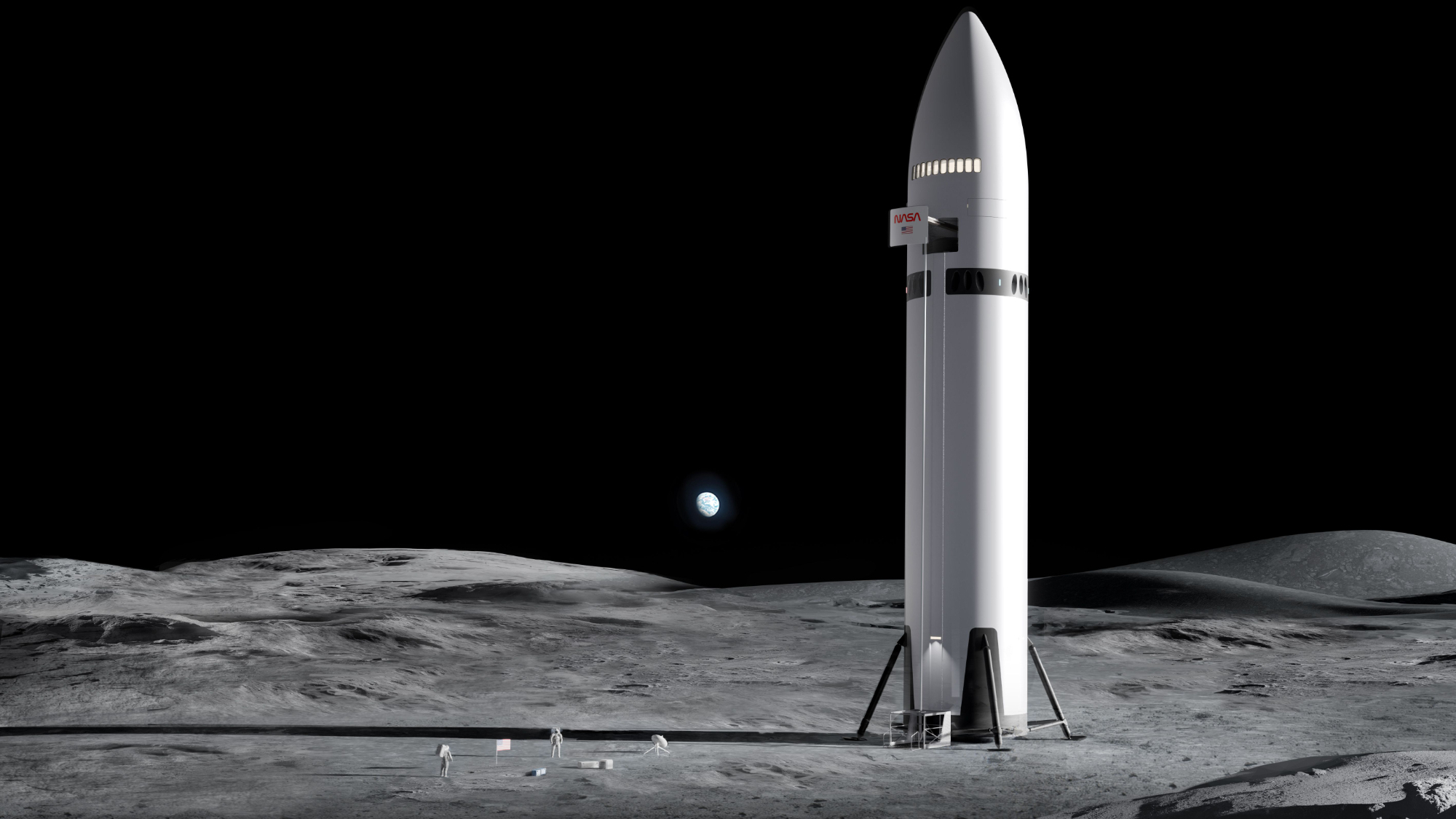
#SpaceWatchGl Opinion: Europe at the Moon: Partner, Passenger, or Power?
Gilles Rabin argues that while Artemis may incorporate European hardware, it lacks a cohesive European strategy. The U.S. is advancing independently, leaving Europe at a crossroads: continue as a subcontractor or assert itself as a significant space power. This situation highlights the need for a unified approach to lunar exploration and international collaboration.

Ensign-Bickford Hardware Supports Successful Artemis II Lunar Mission
Ensign-Bickford Aerospace & Defense confirmed successful operation of its separation and initiation hardware during NASA's Artemis II mission. This critical hardware played a vital role in ensuring mission success, marking a significant milestone in lunar exploration. The mission concluded on April 13, 2026, demonstrating the reliability of EBAD's systems in demanding space environments.
Space Symposium 2026 – Morning Show 12th April – Artemis 2 Reflections from Breckenridge
Torsten Kriening and Yvette Gonzalez from SpaceWatch.Global broadcast live from Breckenridge, reflecting on Artemis 2 during the Space Symposium 2026. The mobile studio operates at over 3,000 meters altitude, en route from Denver to Colorado Springs. This event highlights key discussions and insights related to the Artemis program and its implications for future lunar exploration.
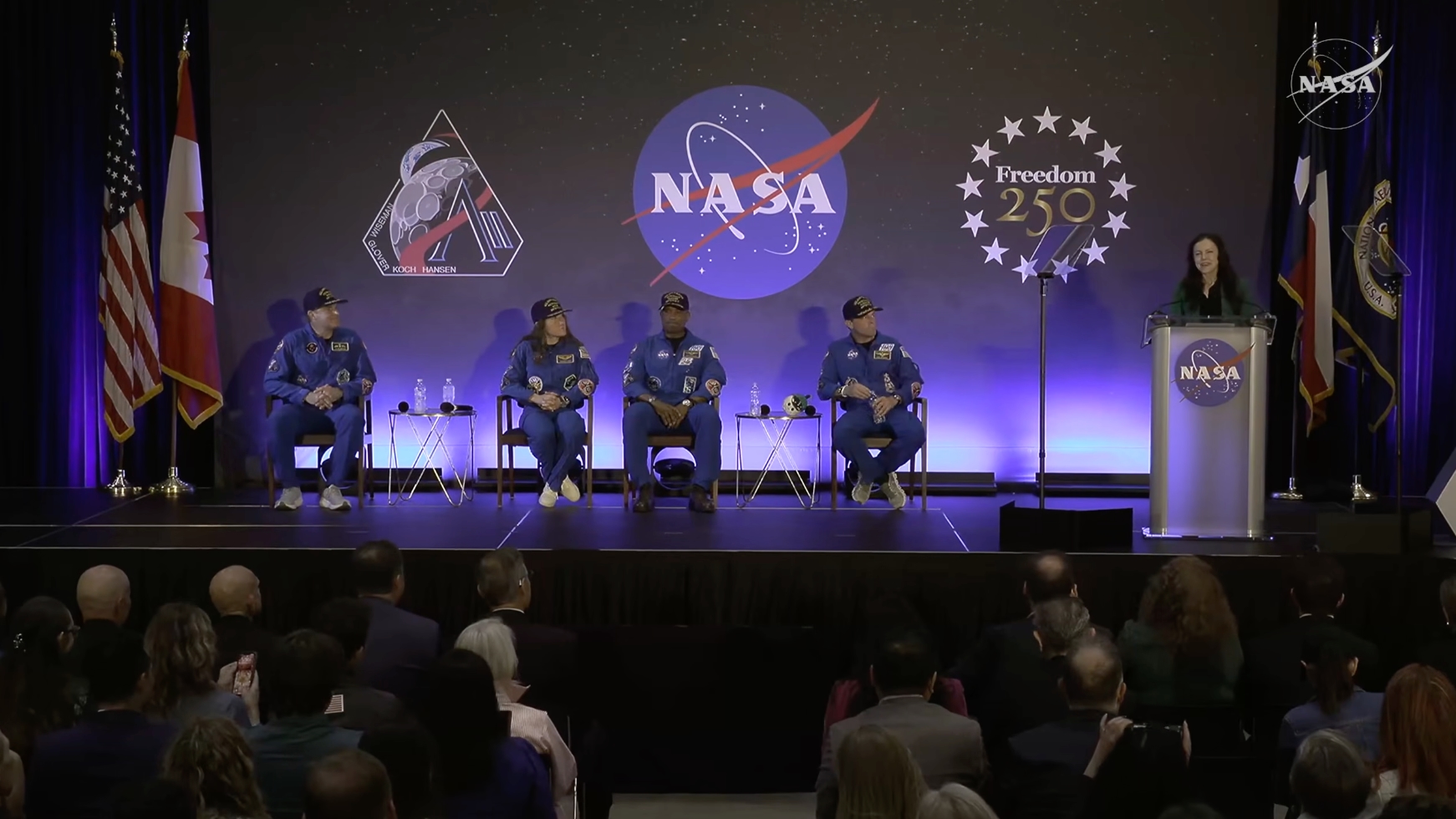
Artemis 2 crew returns to Houston, passing the baton
NASA's Artemis 2 crew, comprising astronauts Reid Wiseman, Victor Glover, Christina Koch, and Jeremy Hansen from the Canadian Space Agency, returned to Houston less than 24 hours post-splashdown in the Pacific Ocean. This marks a significant milestone in the Artemis program, transitioning responsibilities as the mission prepares for future lunar exploration endeavors and crew training activities.

NASA Cheers First Successful Moon Mission Since 1972
NASA's Artemis II crew successfully completed a 9-day lunar mission, marking the agency's first crewed Moon mission since 1972. Administrator Jared Isaacman celebrated the crew's return aboard the recovery ship USS John P. Murtha, highlighting the mission's significance for future lunar exploration. This achievement underscores NASA's commitment to sustainable lunar operations and crewed spaceflight.
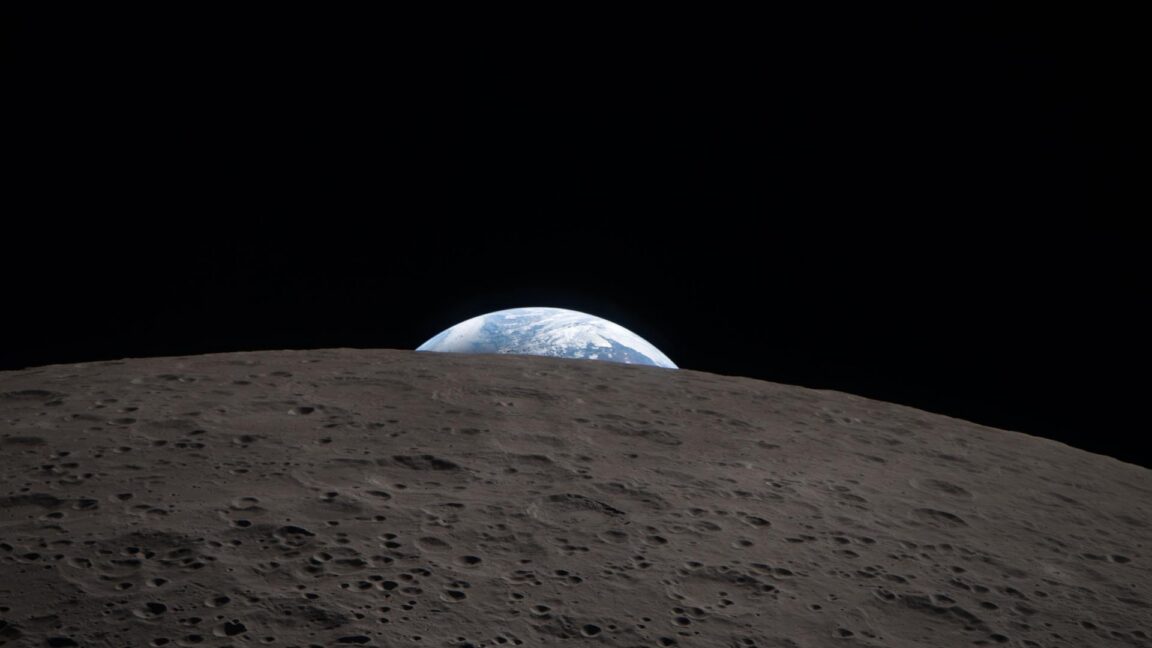
The Artemis II mission has ended. Where does NASA go from here?
The Artemis II mission has concluded, prompting discussions on NASA's future direction. Emphasis is placed on the challenges and opportunities that lie ahead, as the agency prepares for subsequent phases of lunar exploration and potential Mars missions. Strategic planning and resource allocation will be critical in shaping the next steps for NASA's ambitious exploration agenda.

Artemis II closing in on Earth return
Artemis II is nearing its Earth return after a historic 10-day mission, marking the farthest humans have traveled from Earth. This mission demonstrates critical capabilities for future lunar exploration and paves the way for subsequent Artemis missions. The successful completion of this mission is a significant milestone in NASA's lunar exploration strategy and human spaceflight program.
Artemis II Getting Ready For Splashdown Tomorrow
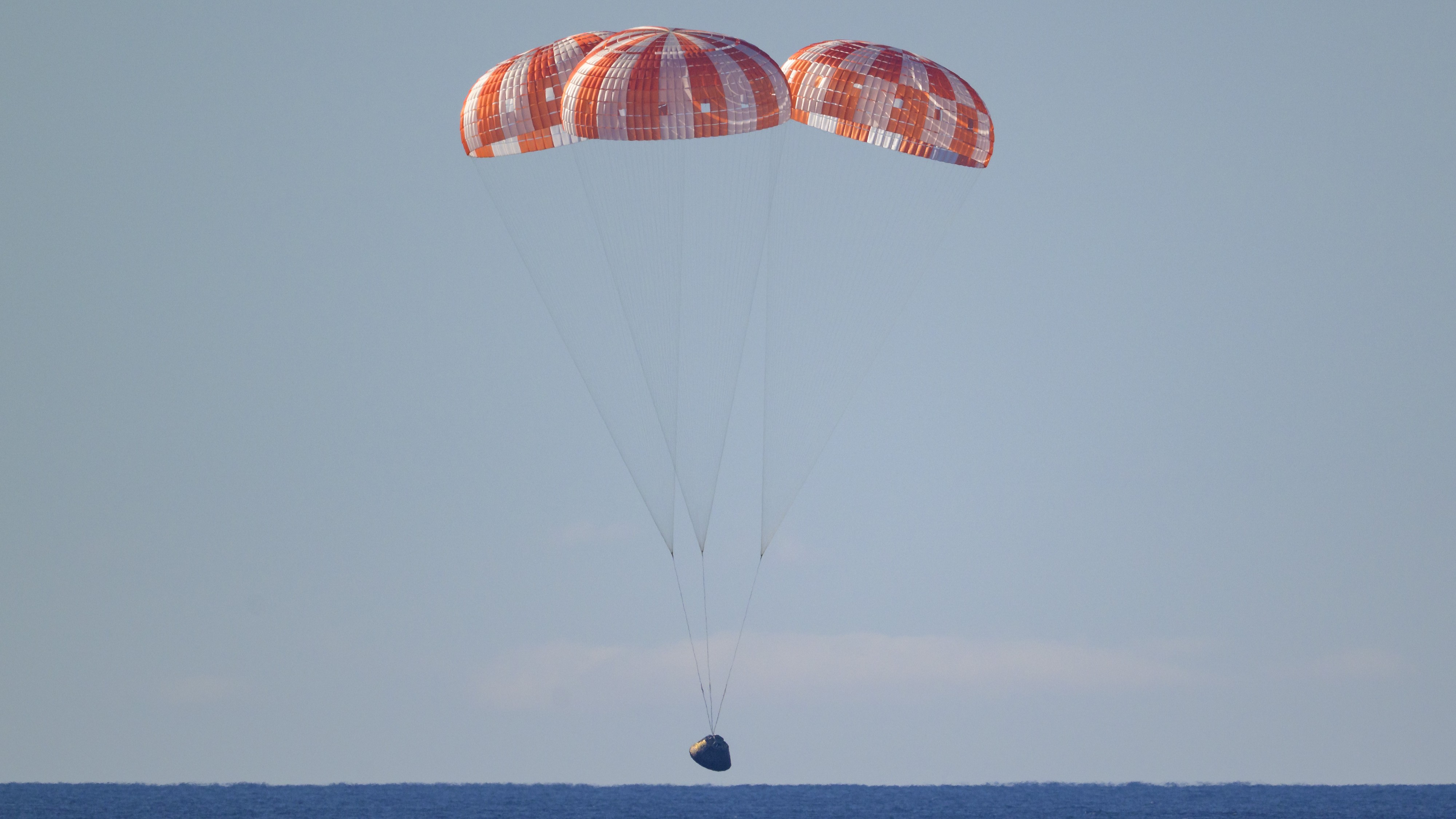
Artemis II's crew is preparing the Orion capsule for reentry, scheduled for splashdown off San Diego at 8:07 pm ET. NASA Associate Administrator Amit is overseeing final configurations to ensure a safe return. This mission marks a significant milestone in lunar exploration, demonstrating capabilities for future crewed missions to the Moon and beyond.
Stunning Images, A Chat with Friends — Another Great Day for Artemis II
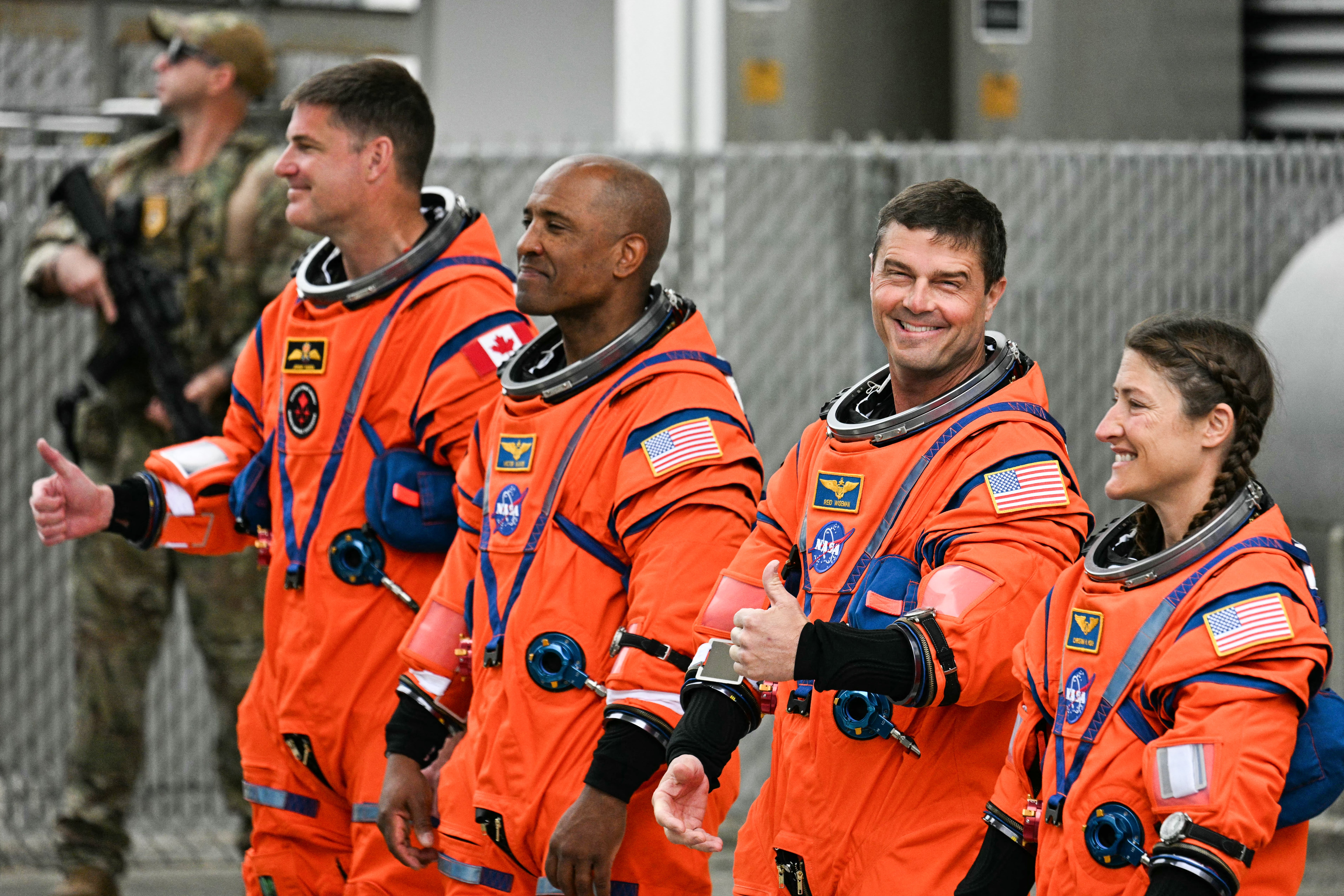
Artemis II crew has completed their lunar swing and is returning to Earth, capturing stunning images of the Moon and Earth during the mission. The downlink of these images showcases the mission's success and highlights the capabilities of the crewed spacecraft. This marks a significant milestone in NASA's lunar exploration efforts.

Artemis II Swings Around the Moon, Begins Trip Home with White House Congratulations
Artemis II astronauts achieved a historic milestone, setting a record for the farthest distance from Earth during their lunar flyby. As they commence their return journey, the White House extended congratulations for this significant achievement in human space exploration. This mission underscores the ongoing commitment to lunar exploration and future crewed missions to the Moon and beyond.

President Trump Prioritizes Lunar Exploration Amidst Funding Cuts in NASA’s FY2027 Budget Request
White House proposed a $5.6B budget cut for NASA in FY2027, emphasizing lunar surface infrastructure and establishing a permanent American presence on the Moon. This strategic shift aims to prioritize lunar exploration despite overall funding reductions, reflecting a commitment to long-term goals in space exploration amidst fiscal constraints. The focus remains on sustainable lunar operations.

Day 5 Artemis II Update: Suits Tested, 30 Lunar Targets Locked – Crew Set for Monday’s Historic Flyby
Artemis II crew finalized spacesuit testing, secured 30 lunar observation targets, and performed the initial trajectory correction burn on Flight Day 5. The upcoming flyby will prominently feature the Orientale basin, a 600-mile-wide impact structure, marking its first visibility to human eyes. This mission represents a significant milestone in lunar exploration and crewed spaceflight capabilities.

Artemis astronauts send down Easter message, prep for lunar fly around Monday
Artemis II astronauts transmitted Easter greetings while approaching the Moon, observing unexpected surface details. This flyby will provide critical data for lunar exploration, with a planned pass over the far side scheduled for Monday evening. The mission's insights will enhance scientific understanding and prepare for future lunar operations, marking a significant milestone in NASA's Artemis program.

Orion Spacecraft Races Toward Historic Lunar Flyby in Artemis II Mission
NASA's Artemis II mission progresses as the Orion spacecraft approaches a historic lunar flyby. This mid-flight phase is critical for validating systems and ensuring crew safety. The mission marks a significant step in lunar exploration, paving the way for future Artemis missions aimed at sustainable lunar presence and eventual Mars exploration. Key systems are under evaluation.
Why is NASA bothering to go back to the Moon if we've already been there?
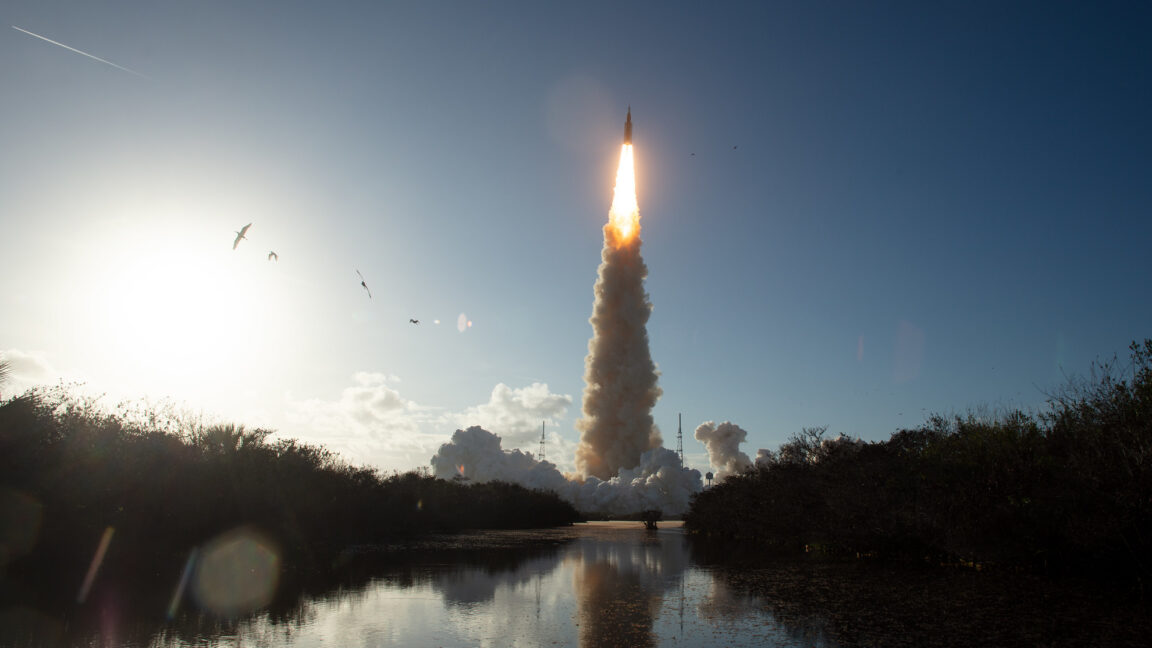
NASA has struggled to deal with the widespread sentiment that NASA has 'been there, done that.'