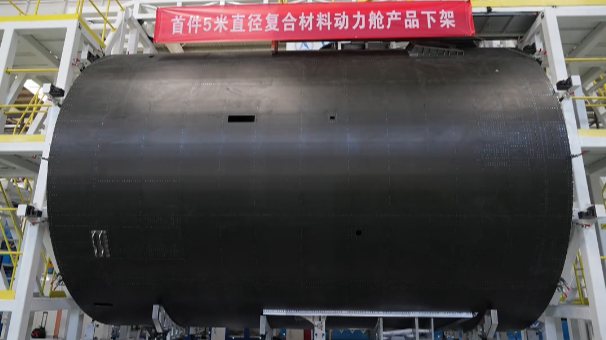
China Unveils a Massive 5-Meter Composite Module for its Next-Generation Reusable Rocket
China Aerospace and Technology Corporation (CASC) unveiled its first reusable five-meter-wide composite propulsion module on April 11th, marking a significant advancement in China's aerospace sector. The module, designed for the Long March 10, incorporates over 60% composite materials and can withstand axial loads of up to 1,000 metric tons, enhancing payload capacity for future missions.

US Army wants doctrine for landing helicopters on Arctic ice
U.S. Army's Engineering Research and Development Center (ERDC) is developing doctrine for landing helicopters on ice, expanding operational zones by 20-25%. A recent test with a CH-47 Chinook on 21 inches of ice challenges outdated standards requiring 31 inches. This research, initiated by Jenna Williams, aims to enhance cold weather operations amid increasing Arctic tensions with China and Russia.

China ramps up satellite production capacity amid constellation ambitions
China is rapidly expanding its satellite manufacturing capacity, aiming for 7,360 satellites annually across 55 factories. Despite this, only 371 satellites were launched in 2025, reflecting significant bottlenecks in launch capabilities and uncertain demand. The push supports the Guowang and Qianfan megaconstellations, which plan for a total of 28,000 satellites, indicating ambitious long-term goals.
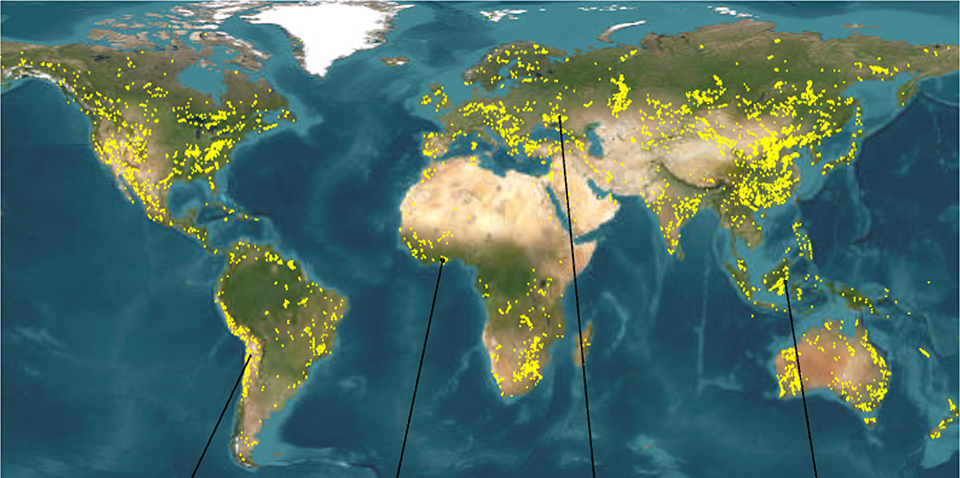
Geographic Hotspots: Where Demand Is Accelerating
China and India are emerging as leaders in the Asia-Pacific satellite sector, projected to capture a 26.5% market share by mid-2026. Vodafone partnered with Amazon Leo for satellite backhaul in Africa, while Orange collaborates with AST SpaceMobile and Eutelsat for D2D services. The Arctic Corridor's satellite market is expected to reach $2.77 billion by 2026.
Geographic Hotspots: Where Demand Is Accelerating
China and India are leading the Asia-Pacific satellite market, projected to capture 26.5% by 2026. In Africa, Vodafone partners with Amazon Leo for satellite backhaul, addressing a 64% usage gap. The Arctic Corridor is projected to reach $2.77 billion by 2026, driven by increased maritime traffic and the need for high-latitude connectivity.
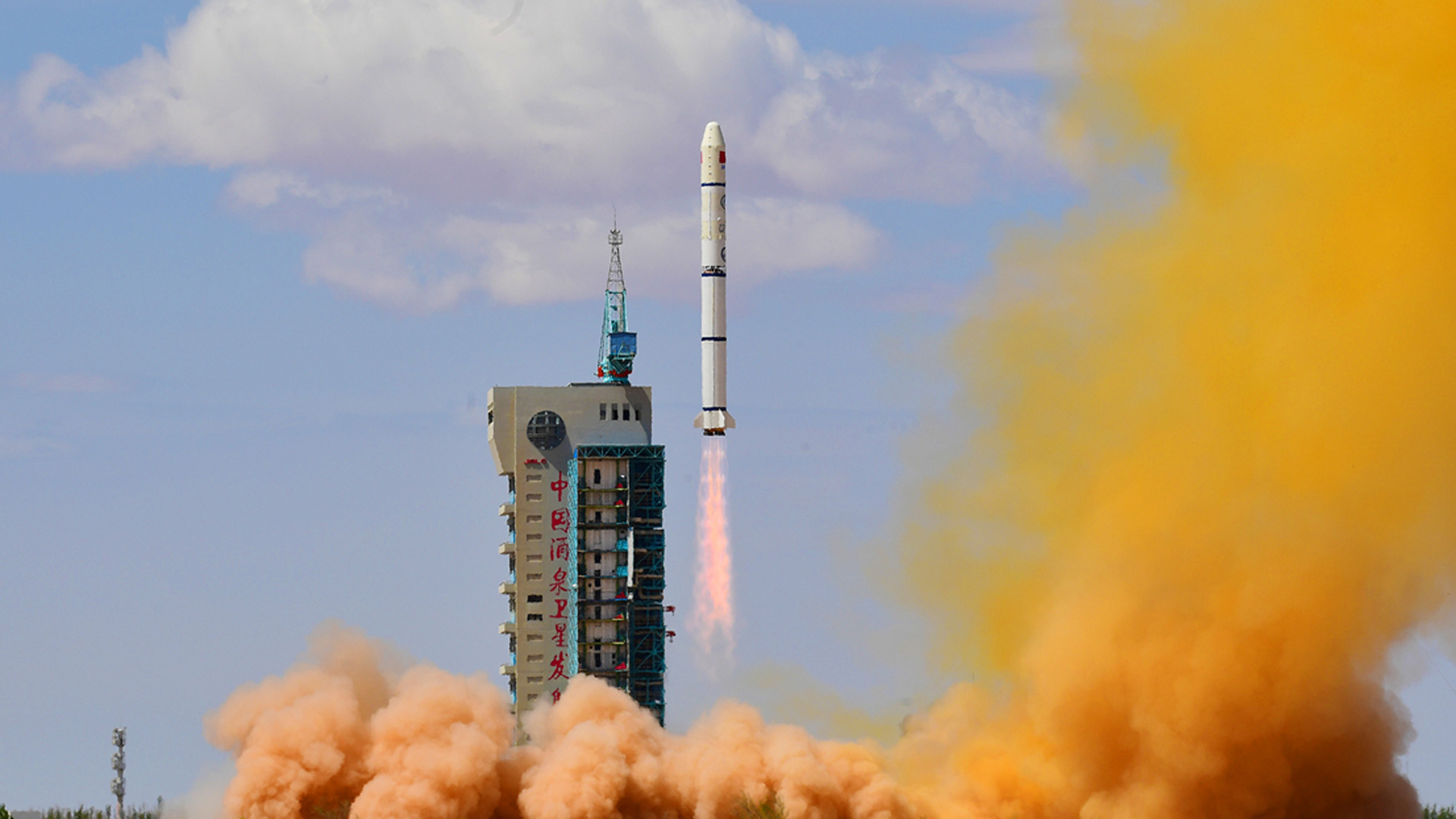
Two launches since yesterday, by Russia and China
Russia and China each completed launches on April 17, 2026. Russia's Soyuz-2 rocket deployed a classified military payload involving multiple spacecraft from Plesetsk, with debris falling into the ocean. China's Long March 4C launched a greenhouse gas detection satellite from Jiuquan, but details on the rocket's lower stages remain undisclosed. SpaceX leads with 46 launches this year.
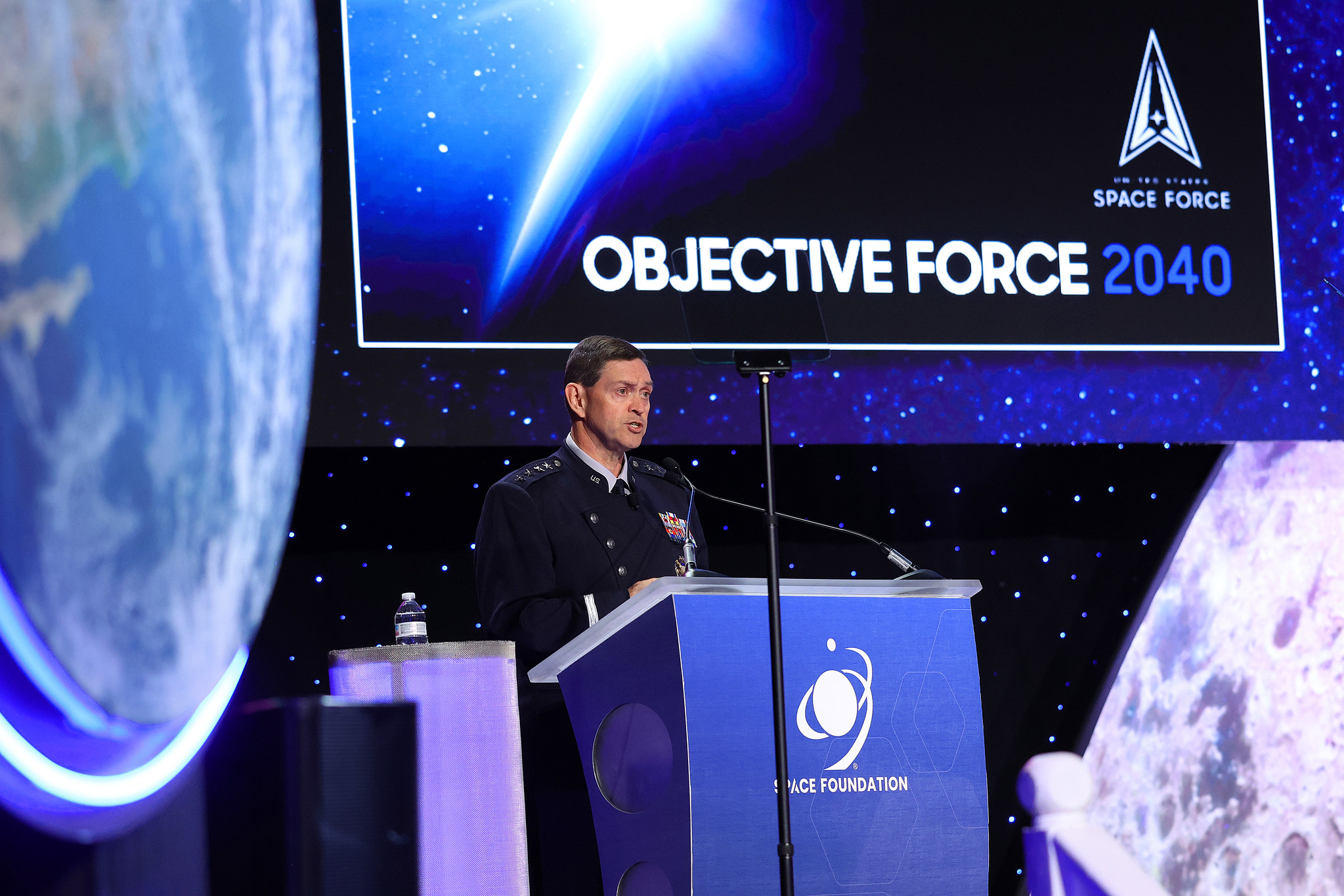
Space Force releases two documents focused on 2040 planning
U.S. Space Force released two documents: Future Operating Environment 2040 and Objective Force 2040. Gen. B. Chance Saltzman emphasized the need for adaptation against evolving threats, particularly from China. The documents outline future capabilities, mission objectives, and a framework for personnel and infrastructure growth, aiming to align priorities and stimulate discussion within the defense community.
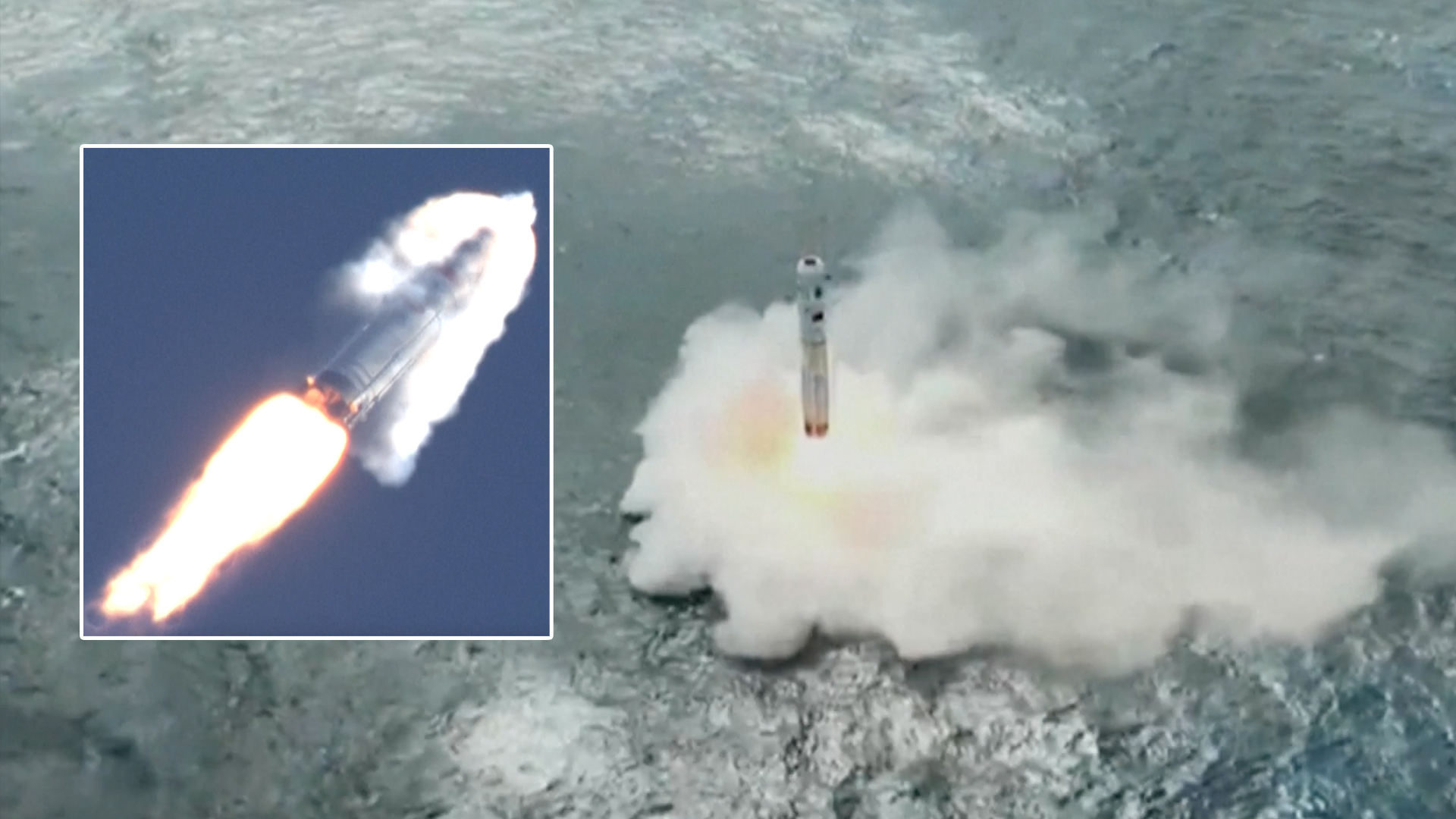
Fueling test suggests imminent debut of China’s reusable Long March 10B rocket
China has completed a wet dress rehearsal for the Long March 10B, indicating a potential launch within weeks. This reusable rocket aims to enhance China's launch capabilities, reflecting advancements in its space program. The successful fueling test is a critical step towards operational readiness, signaling increased competition in the global launch market for reusable vehicles.
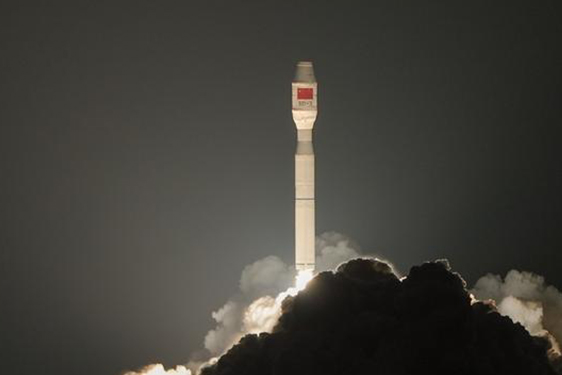
China Accelerates Orbital Internet Deployment with Successful Smart Dragon-3 Sea Launch
China successfully deployed a satellite internet technology test payload via Smart Dragon-3 on April 11, enhancing its sovereign LEO communications infrastructure. This mission underscores China's commitment to advancing its orbital internet capabilities, positioning itself competitively in the global space communications landscape. The test payload aims to validate technologies for future commercial applications in satellite broadband services.

China conducts pair of Long March launches for Thousand Sails and Guowang megaconstellations
China conducted two successful Long March launches, deploying satellites for the Thousand Sails and Guowang megaconstellations. The Long March 8 launched 18 satellites for Thousand Sails on April 7, while the Long March 6A followed with five satellites for Guowang on April 8. Guowang aims for 400 satellites by 2027, part of China's broader space strategy.
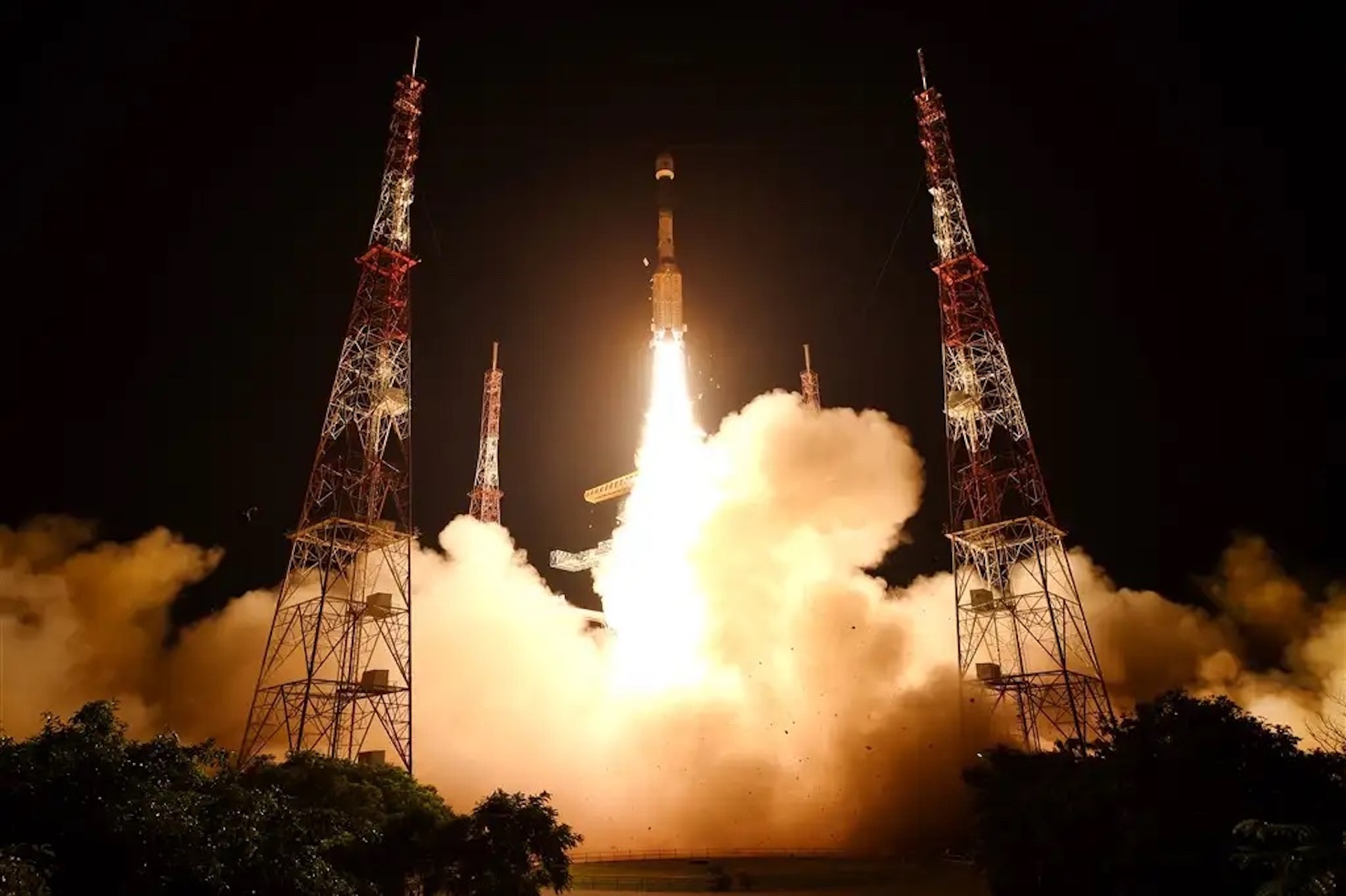
India’s rockets will not meet its civil space and strategic launch manifest even at peak performance
ISRO's current launch capacity is insufficient to meet its civil and strategic payload manifest by 2030, even with upgrades. Over the past decade, India has achieved 51 launches, averaging five per year, compared to China and the US, which have significantly higher launch rates. The LVM3 and other vehicles face challenges that hinder India's ambitions in space access.

Agentic AI: the future of space warfare
Agentic AI represents a transformative shift in space warfare, enabling autonomous decision-making at machine speed. As China advances with its Three-Body Computing Constellation and Star-Compute Program, the U.S. Space Force must invest in AI infrastructure to maintain superiority. This technology will enhance satellite management, threat detection, and operational responses in real-time, ensuring effective human-machine collaboration.
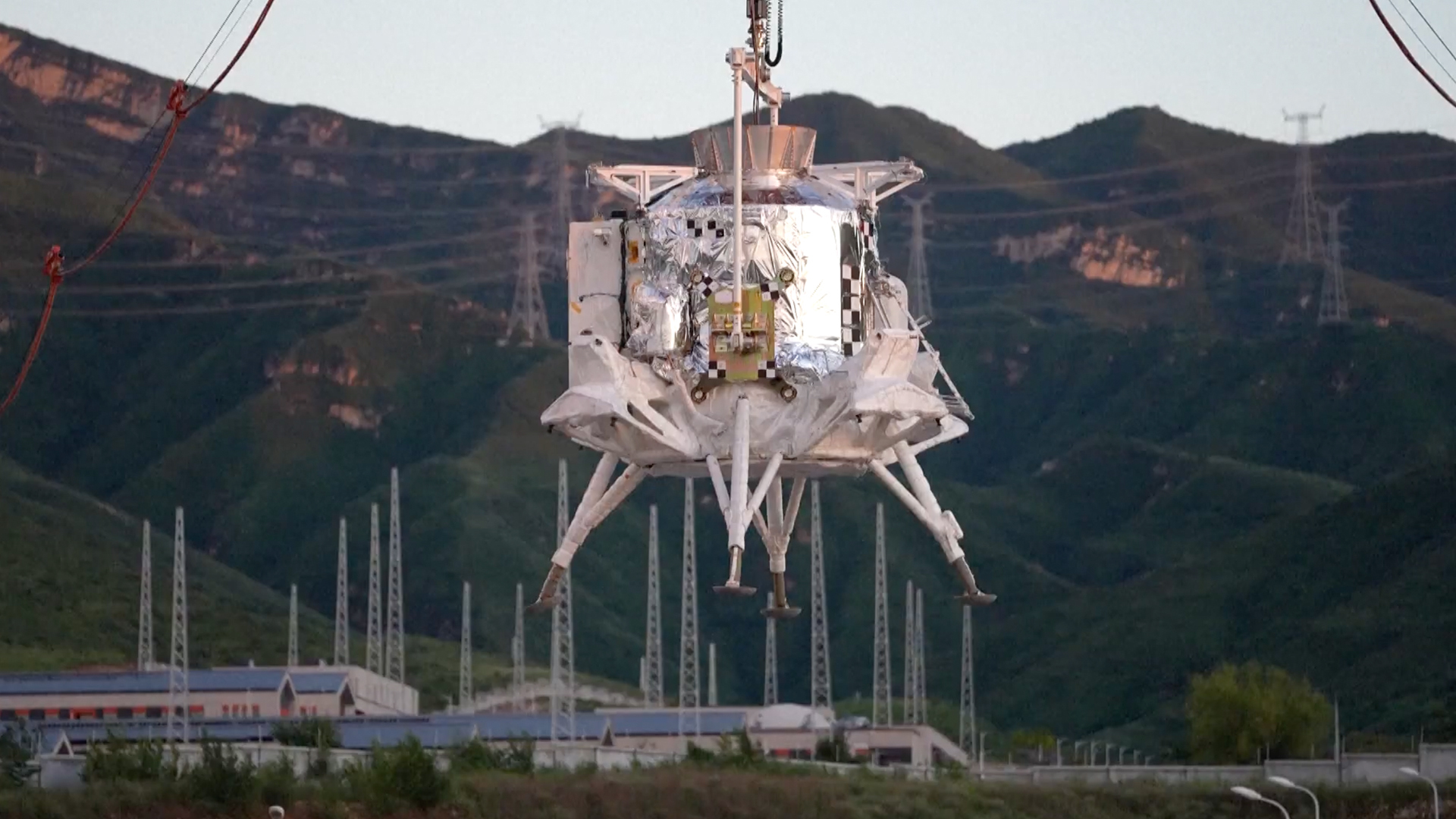
China surfaces details of spacecraft to land humans on Luna by 2030 | Moon Monday #267
China's Lanyue lunar lander, weighing approximately 26,000 kilograms, is designed for crewed Moon missions by 2030. It features a heavy propulsion module for descent and landing. Training for taikonauts includes manual control simulations. A successful test in August 2025 demonstrated coordination between engines and thrusters, ensuring safety and adaptability during potential mission abort scenarios.
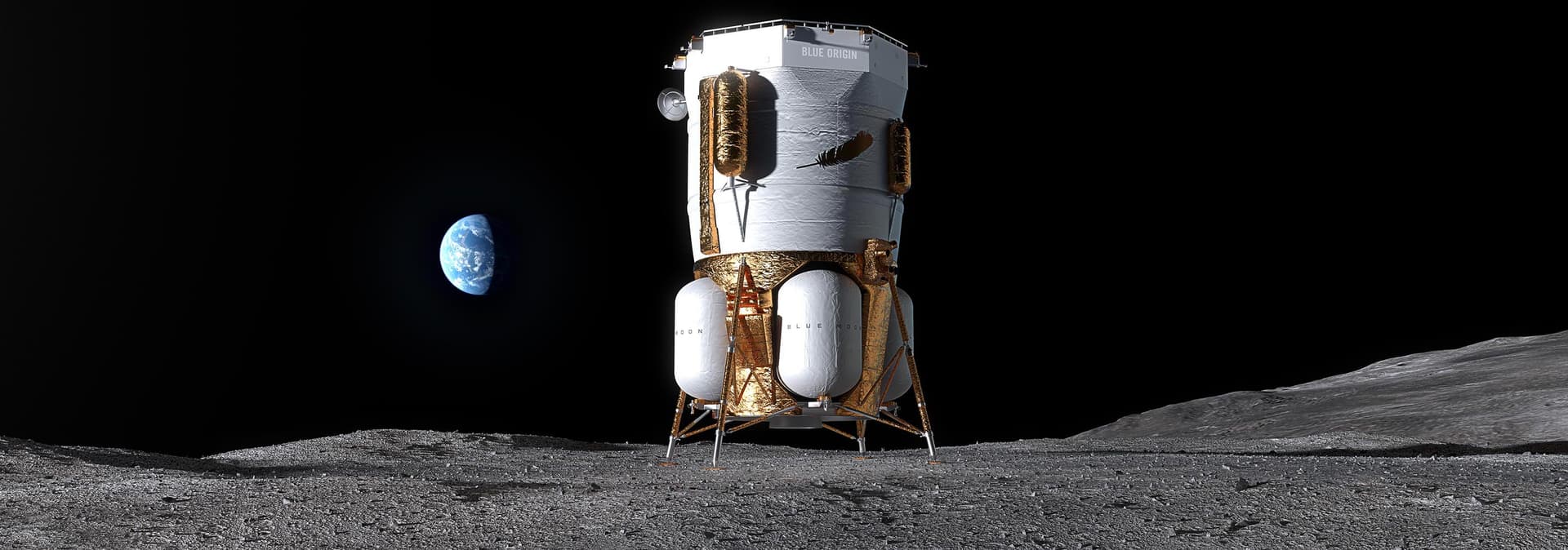
2026 is poised to be an exciting year for space exploration
NASA’s Artemis II mission will send astronauts around the Moon in 2026, marking humanity's return since 1972. Concurrently, Blue Origin’s Blue Moon MK1 will test a cargo lander for lunar missions. The Nancy Grace Roman Space Telescope aims to launch by fall 2026, mapping galaxies and exoplanets, while ESA’s PLATO mission will search for rocky planets in December 2026.