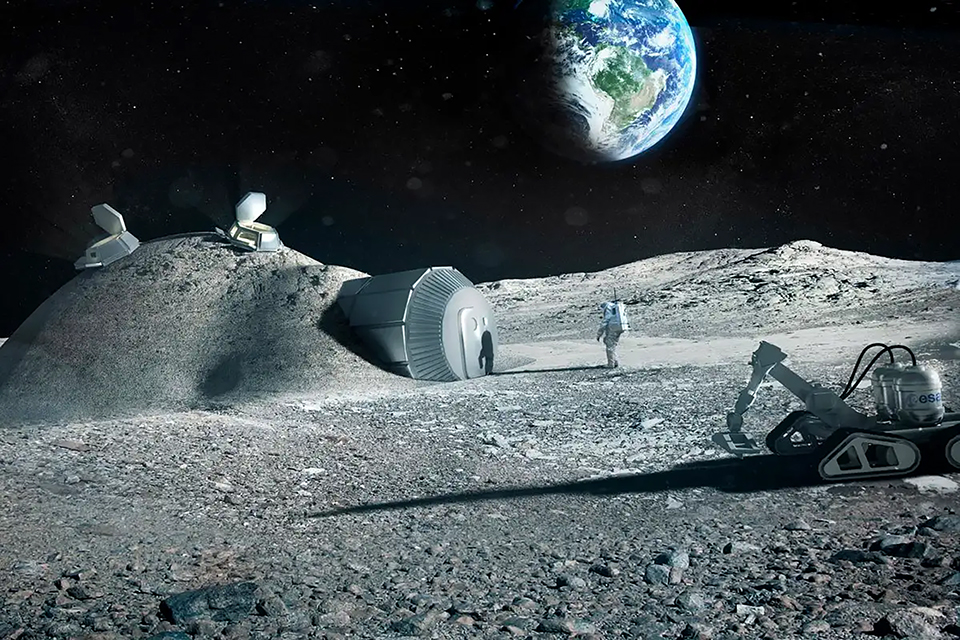
NASA Shifts Focus to Permanent Lunar Base and Nuclear Propulsion
NASA's Administrator Jared Isaacman announced a strategic shift towards establishing a permanent lunar base and advancing nuclear propulsion technologies during his keynote at the 41st Space Symposium. This pivot aims to enhance America's capabilities in deep space exploration, focusing on sustainable lunar operations and innovative propulsion systems to support future missions beyond the Moon.
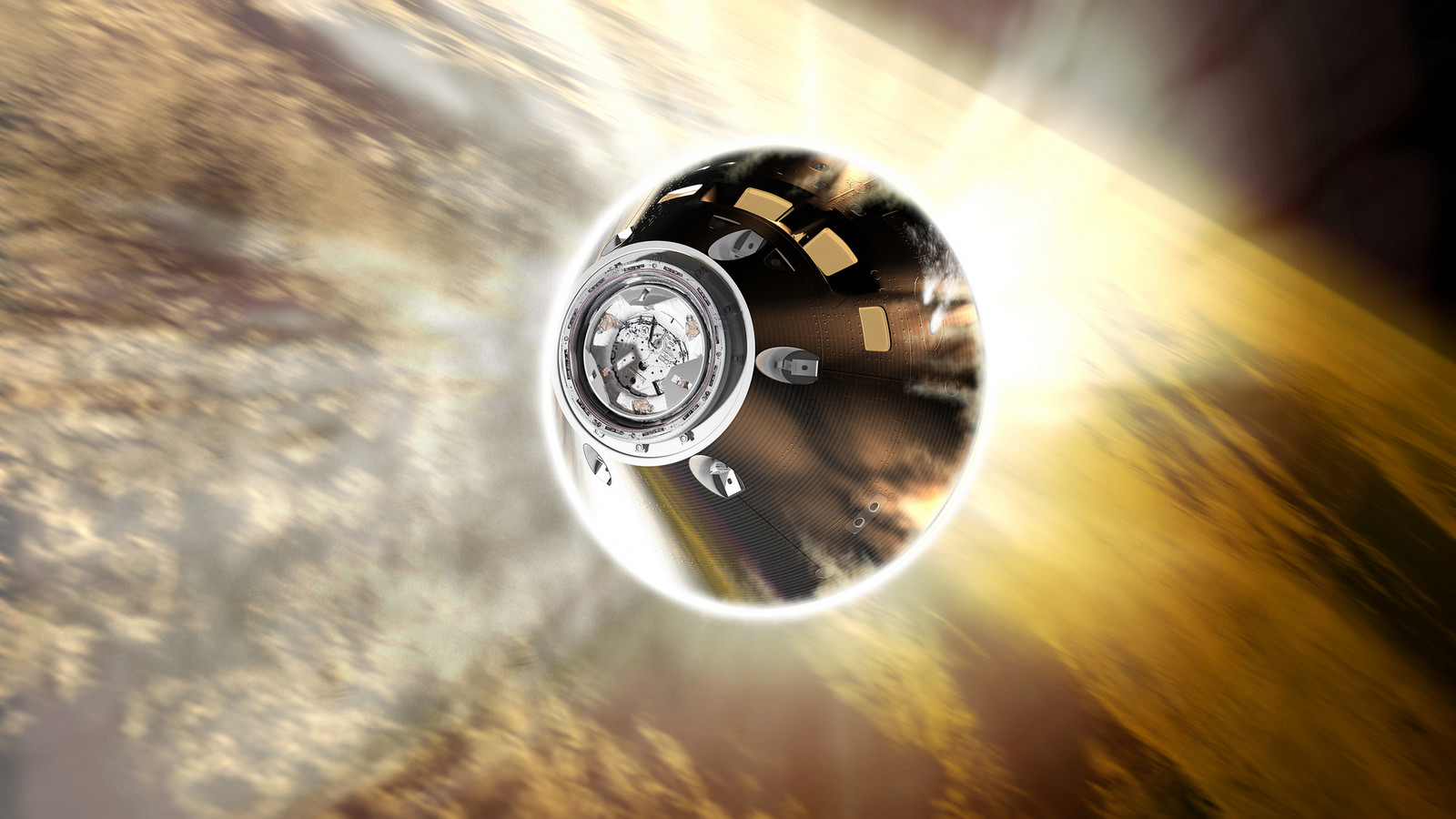
Artemis II Day 10: Orion Returns to Earth, Completing First Crewed Lunar Mission in Over 50 Years
NASA's Artemis II mission concluded on 10 April as the Orion spacecraft successfully returned its crew to Earth, marking the first human mission to the vicinity of the Moon since 1972. This milestone signifies a pivotal moment in NASA's strategy for deep space exploration and paves the way for future lunar and Martian endeavors in the Artemis program.

China debuts new launchers, tests orbital servicing and outlines future deep-space missions
CAS Space and Space Pioneer debuted new commercial launchers, enhancing China's launch capabilities. Concurrently, they tested orbital servicing technologies, marking a significant step towards future deep-space missions. These developments reflect China's growing commercial space sector and its ambitions for advanced orbital operations, positioning it competitively in the global aerospace landscape. The focus on servicing indicates a strategic shift in mission architecture.
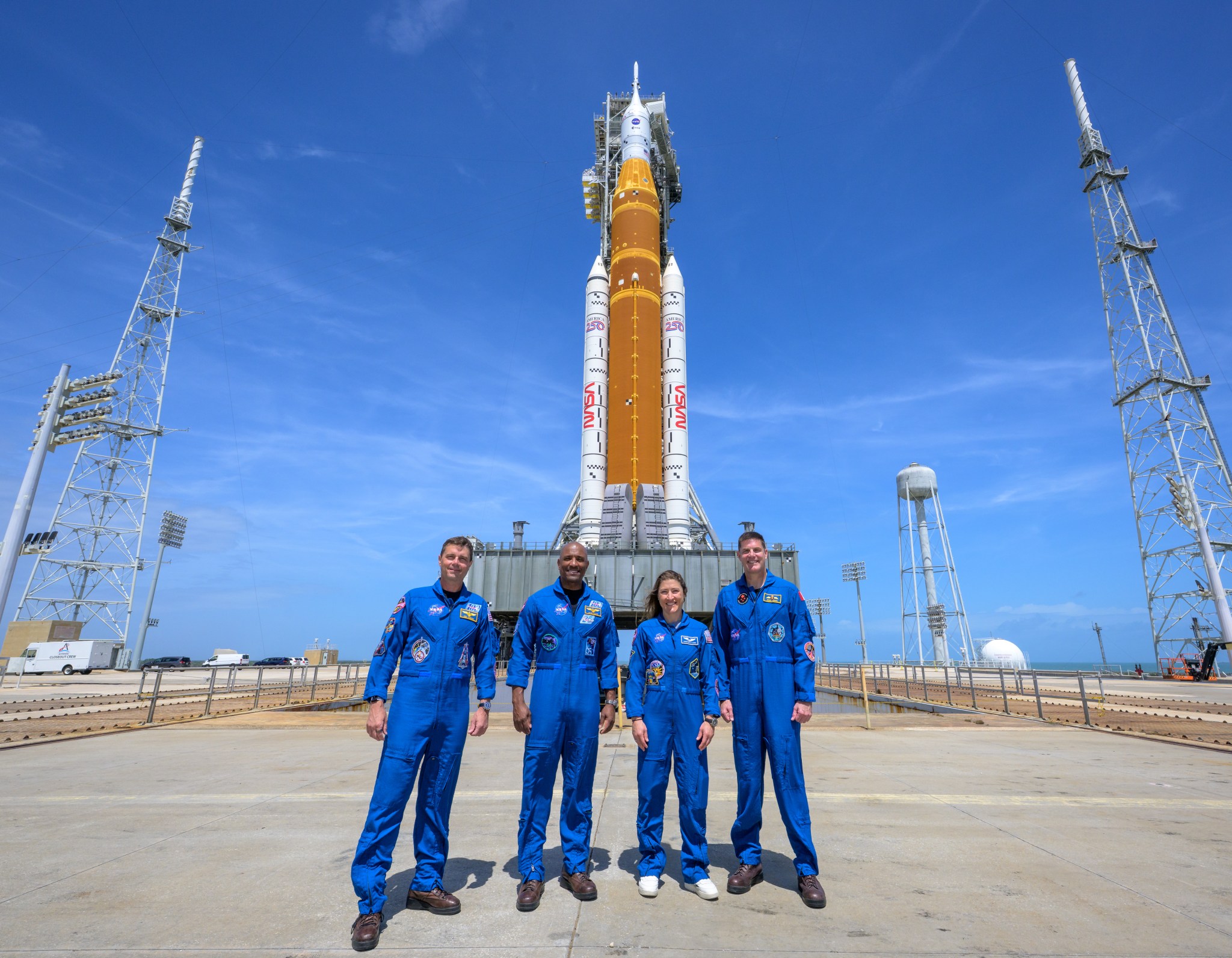
Artemis 2 crew blasts off on historic moon mission
Artemis II crew, comprising three men and one woman, launched aboard the SLS rocket, marking a significant step towards establishing a lunar base. This mission aims to facilitate future lunar landings and enhance human presence on the Moon. The SLS remains the most powerful operational rocket, showcasing advanced capabilities for deep space exploration.