Artemis Accords
program ActiveFirst crewed Artemis mission — lunar free-return.
Artemis II will carry four astronauts on a 10-day mission around the Moon, marking the first crewed lunar flyby in over 50 years. This mission will validate the Orion spacecraft's systems and crew operations, building on the uncrewed Artemis I flight test. It aims to demonstrate capabilities needed for future deep space missions and pave the way for sustained lunar exploration.
Events · 6
People · 5
Articles · 24
view in feed →Artemis II Mission Milestones: An Image and Video Recap
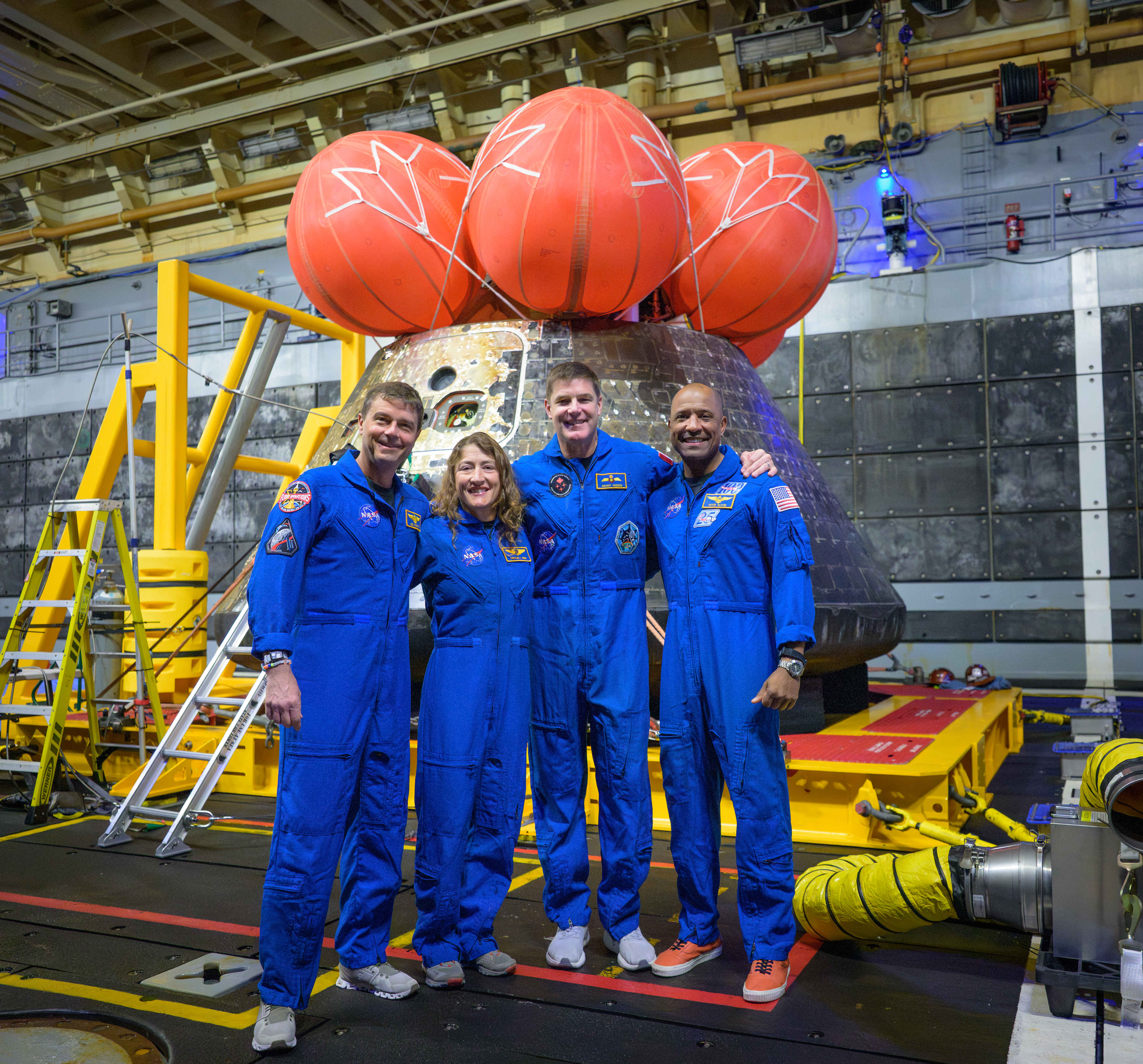
NASA's Artemis II launched on April 1, 2026, marking the first crewed flight of the Orion spacecraft. Astronauts Reid Wiseman, Victor Glover, Christina Koch, and Jeremy Hansen splashed down on April 10 after a 252,756-mile journey, setting a record for human space travel distance. The mission aims to advance lunar exploration and prepare for Mars.
What Are Ames’ Contributions to Artemis II?
NASA's Ames Research Center significantly contributed to Artemis II, enhancing the Orion spacecraft's heat shield and aerothermal simulations. The mission, launched on April 1, 2026, marked the first crewed lunar flight in over 50 years, with astronauts Reid Wiseman, Victor Glover, Christina Koch, and Jeremy Hansen aboard. Key innovations included 3D-MAT compression pads and advanced modeling tools for safer reentry.
NASA on Track for Future Missions with Initial Artemis II Assessments
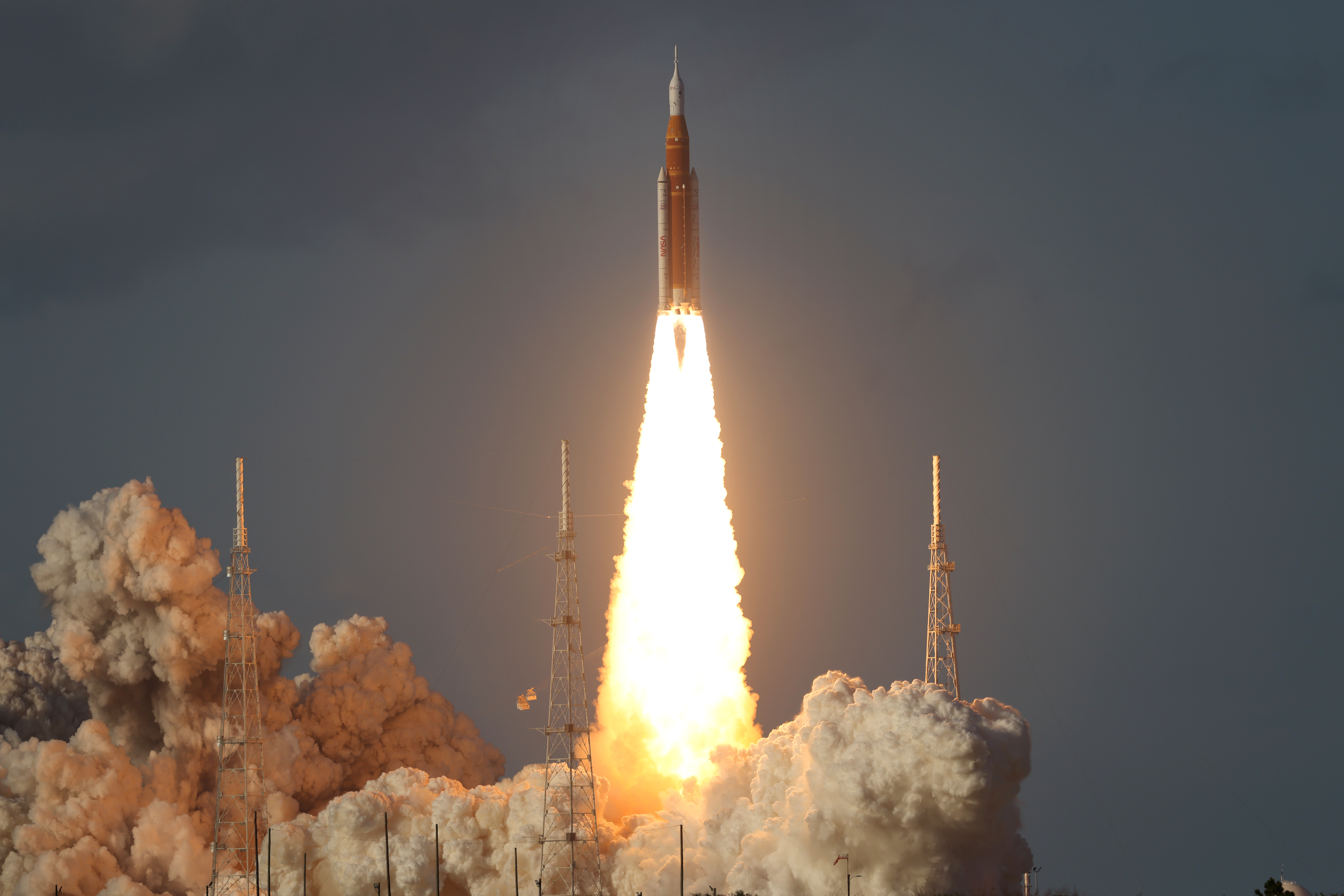
NASA's Orion spacecraft successfully completed its Artemis II mission, splashing down on April 10, 2026, after a 694,481-mile journey. Engineers are analyzing performance data from the SLS rocket and launch systems. Initial assessments indicate the heat shield performed well, with reduced char loss compared to Artemis I, and the crew module will undergo further inspections at Kennedy Space Center.

Latvia joins the Artemis Accords
Latvia has officially signed the Artemis Accords at a ceremony on April 20, becoming the 62nd country to join this multilateral framework aimed at fostering cooperation in NASA's lunar exploration initiatives. Minister Dace Melbārde emphasized the commitment to responsible space exploration, while Jānis Beķeris highlighted new opportunities for Latvian scientists and entrepreneurs in the global space economy.

Did NASA’s Artemis II mission really do lunar science or go to the Moon for all humanity?
NASA's Artemis II mission, while celebrated, has been misrepresented regarding its lunar science contributions. Official statements claim it aids in selecting future landing sites, yet the mission only performed a brief flyby, lacking sufficient time or proximity for meaningful observations. In contrast, the Lunar Reconnaissance Orbiter has been mapping the Moon for over 15 years, providing extensive data.
A peek at the far side of the moon | Space photo of the day for April 20, 2026
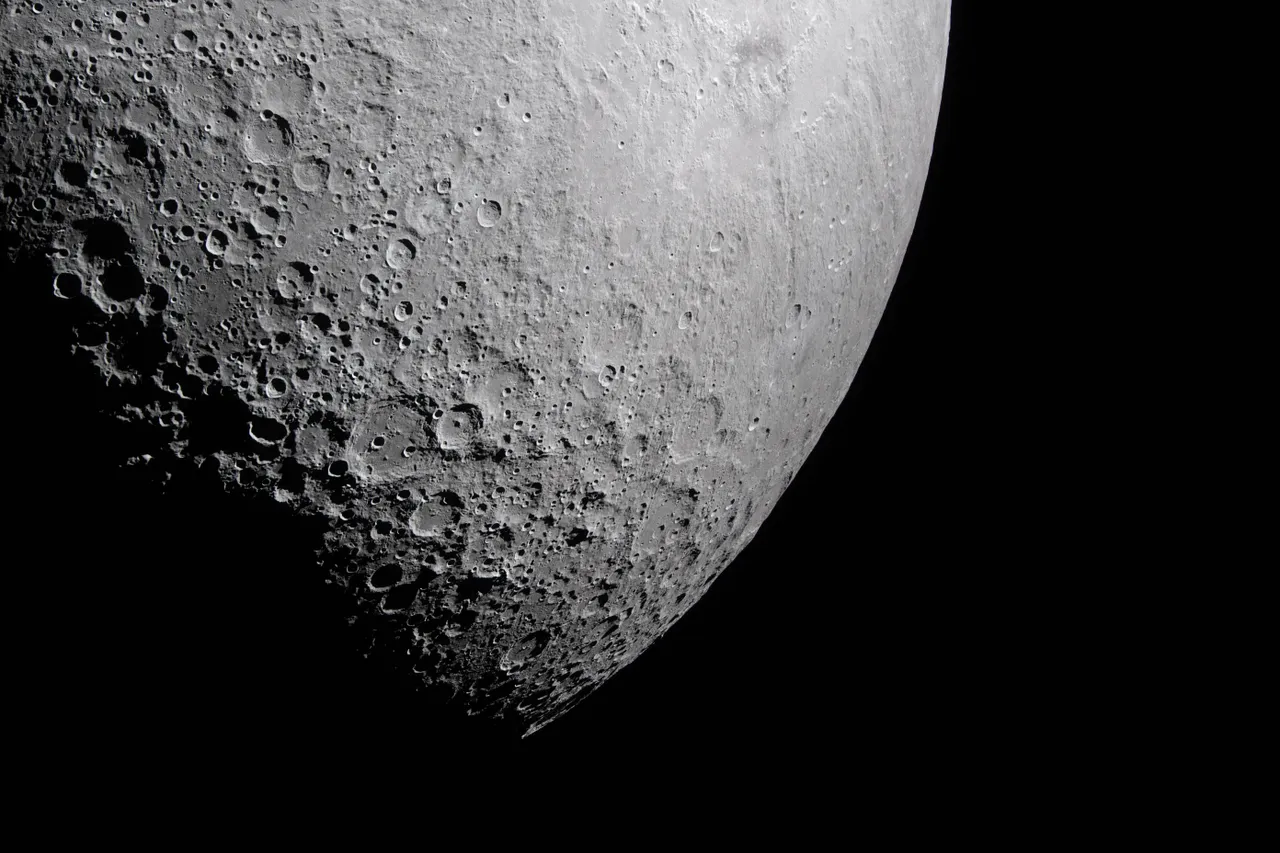
NASA's Artemis 2 mission captured a stunning image of the moon's far side on April 6, 2026. The Orion spacecraft, carrying four astronauts, flew 252,756 miles from Earth, marking humanity's farthest journey from home. This mission is the first crewed lunar flight since Apollo 17 in 1972, showcasing the moon's hidden side during a 40-minute communication blackout.

Space Symposium 2026 – Canada’s Space Commander – Launch Investment & Defending Commercial Assets
Christopher Horner, Commander of the 3 Canadian Space Division, discussed the importance of Artemis 2 and Canada's efforts to establish sovereign launch capabilities at Space Symposium 2026. He emphasized the increasing need to protect commercial space assets amid evolving threats, highlighting the strategic implications for Canada's role in the global space landscape and the defense of its interests.

Space Symposium 2026 – €35B Space Avalanche – Doubling Markets & Killing Bureaucracy
Torsten Kriening engaged with Walter Pelzer, Director General of the German Space Agency at DLR, during the Space Symposium 2026. They discussed Germany's pivotal role in Artemis 2, the swift growth of the European space market, and emphasized the necessity for innovative approaches to overcome bureaucratic hurdles and enhance collaboration within the space sector.
Artemis 2 and Tiangong space station astronauts set record for farthest distance between humans
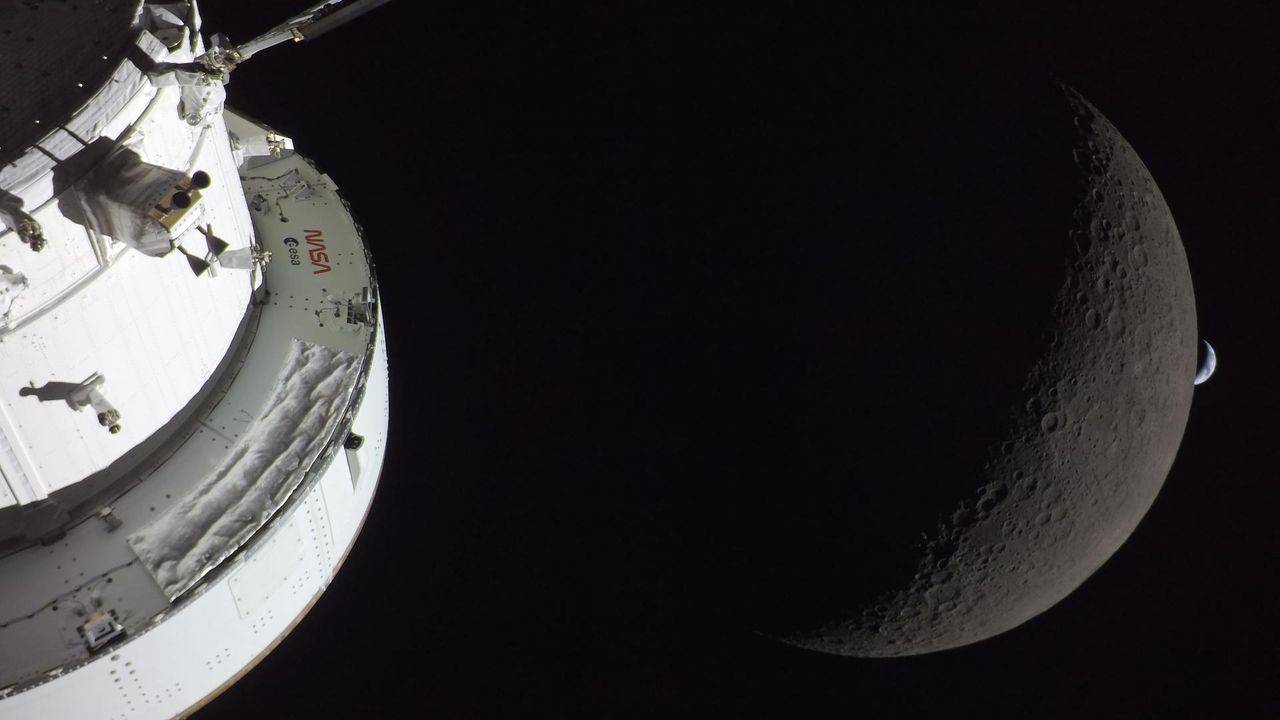
Artemis 2 astronauts aboard the Orion spacecraft achieved a record distance of 260,754 miles (419,643 km) from the Tiangong space station on April 6, 2026. This surpassed the previous record set during the Apollo 13 mission. Astrophysicist Jonathan McDowell calculated these distances, marking a significant milestone in human space exploration and the spread of civilization beyond Earth.
NASA Artemis II Human Research Data Methodology Challenge
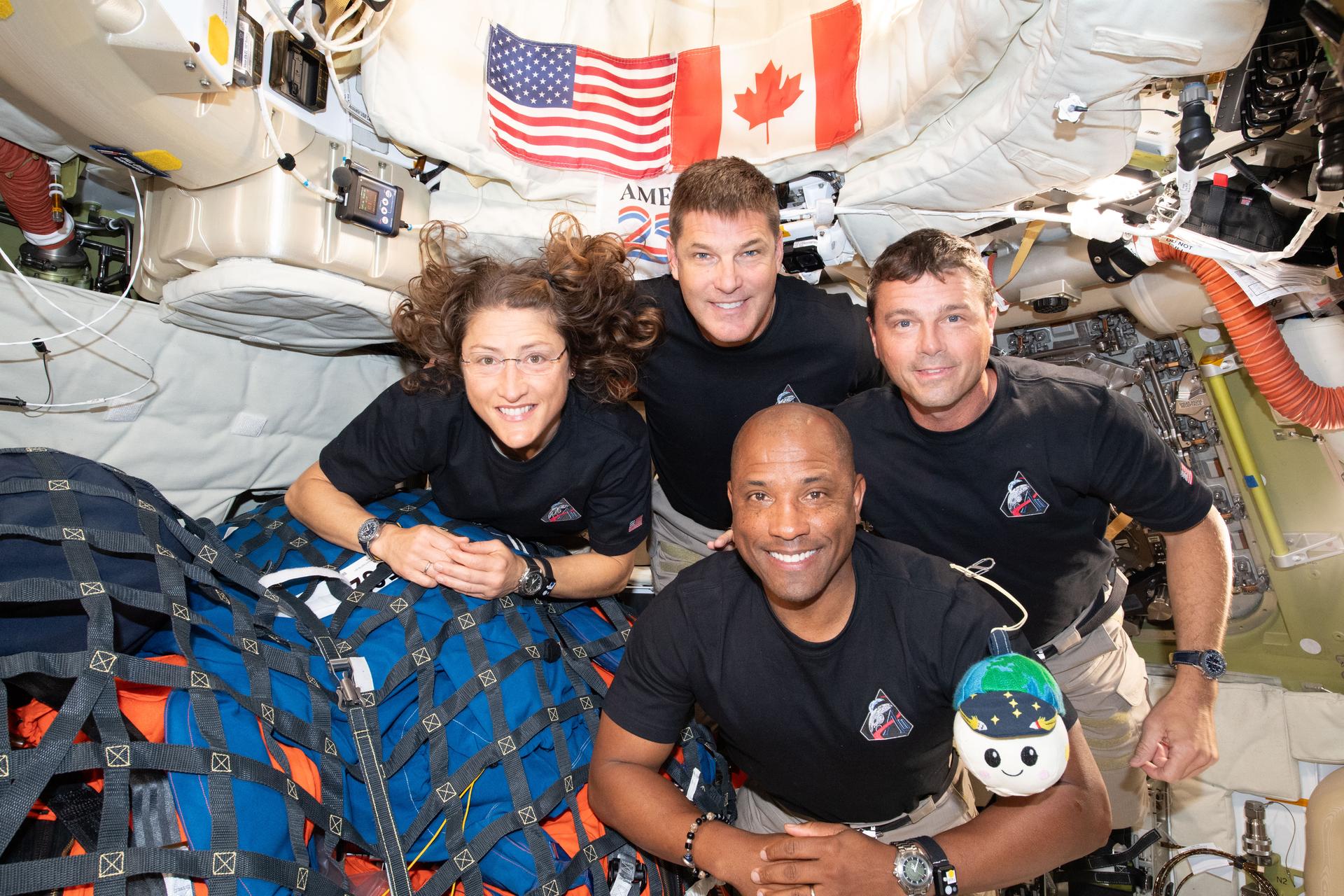
NASA's Artemis II crew, including Christina Koch, Reid Wiseman, Victor Glover, and Jeremy Hansen, returned from a lunar mission on April 7, 2026. The mission provided critical data for NASA's Human Research Program, focusing on astronaut health in deep space. A challenge with a $25,000 prize seeks innovative methodologies to analyze this unique dataset from the mission.