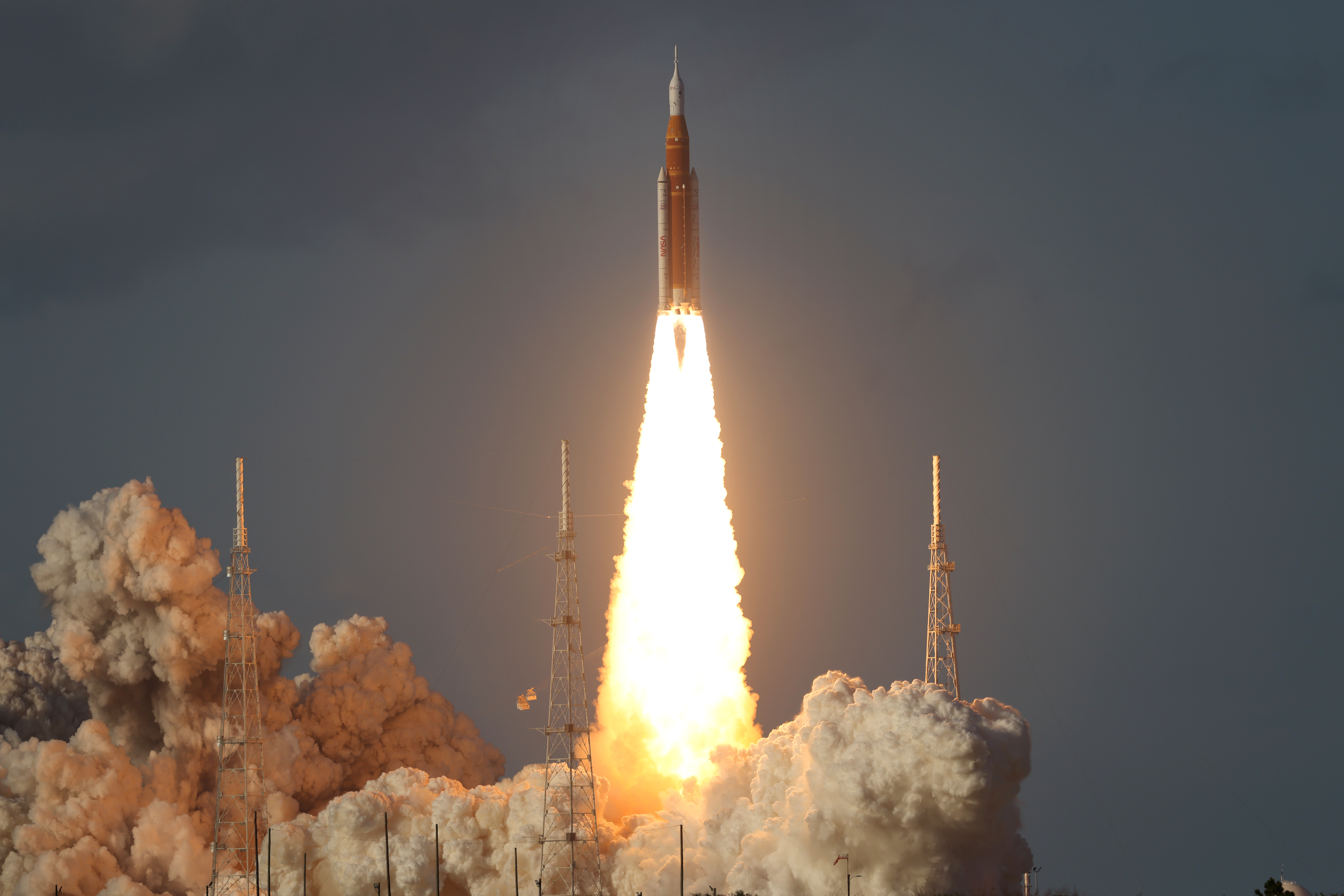
NASA on Track for Future Missions with Initial Artemis II Assessments
NASA's Orion spacecraft successfully completed its Artemis II mission, splashing down on April 10, 2026, after a 694,481-mile journey. Engineers are analyzing performance data from the SLS rocket and launch systems. Initial assessments indicate the heat shield performed well, with reduced char loss compared to Artemis I, and the crew module will undergo further inspections at Kennedy Space Center.

Space Symposium 2026 – Canada’s Space Commander – Launch Investment & Defending Commercial Assets
Christopher Horner, Commander of the 3 Canadian Space Division, discussed the importance of Artemis 2 and Canada's efforts to establish sovereign launch capabilities at Space Symposium 2026. He emphasized the increasing need to protect commercial space assets amid evolving threats, highlighting the strategic implications for Canada's role in the global space landscape and the defense of its interests.

ESA and Canada Sign Agreement on the Exchange of Classified Information around Strategic Space Domains
European Space Agency and Canada have formalized a General Security of Information Agreement (GSOIA), establishing a legally binding framework for the exchange of classified information. This agreement aims to enhance collaboration in strategic domains, including space-based surveillance, disaster response, and security-related technologies, thereby fostering closer ties between the two entities in critical space initiatives.
The space agencies of Canada and Europe agree to exchange classified information
Canadian Space Agency and European Space Agency signed a General Security of Information Agreement (GSOIA) on April 14, 2026, at the 41st Space Symposium. This legally binding framework enables the secure exchange of classified information, enhancing collaboration in space-based surveillance and dual-use technologies. The agreement reflects Canada's commitment to ESA, including a recent $500M funding pledge for projects.
Canada and the European Space Agency sign security agreement
Canadian Space Agency (CSA) and European Space Agency (ESA) have formalized a General Security of Information Agreement (GSOIA). This agreement establishes a legal framework for the secure exchange of classified information between the two agencies, enhancing collaboration on various projects. The GSOIA is a crucial step in strengthening international partnerships in space exploration and technology development.

Canada, South Korea deepen ties with space cooperation agreement
Canadian Space Agency (CSA) and Korea AeroSpace Administration (KASA) formalized a strategic industrial alliance through a Memorandum of Understanding (MOU). The agreement was signed by CSA President Lisa Campbell and KASA Administrator Taeseog Oh during the 41st Space Symposium held in Colorado Springs. This collaboration aims to enhance bilateral cooperation in space exploration and technology development.

SmallSat Europe Speaker Focus: Martin Langer, OroraTech
Greece signed a €20 million contract with OroraTech in 2025 for a national wildfire early warning system utilizing commercial satellite data. The Canadian Space Agency awarded a Can$72 million contract to Spire Global and OroraTech for the WildFireSat mission, set to launch in 2029, enhancing fire detection capabilities through thermal infrared imaging from low Earth orbit.
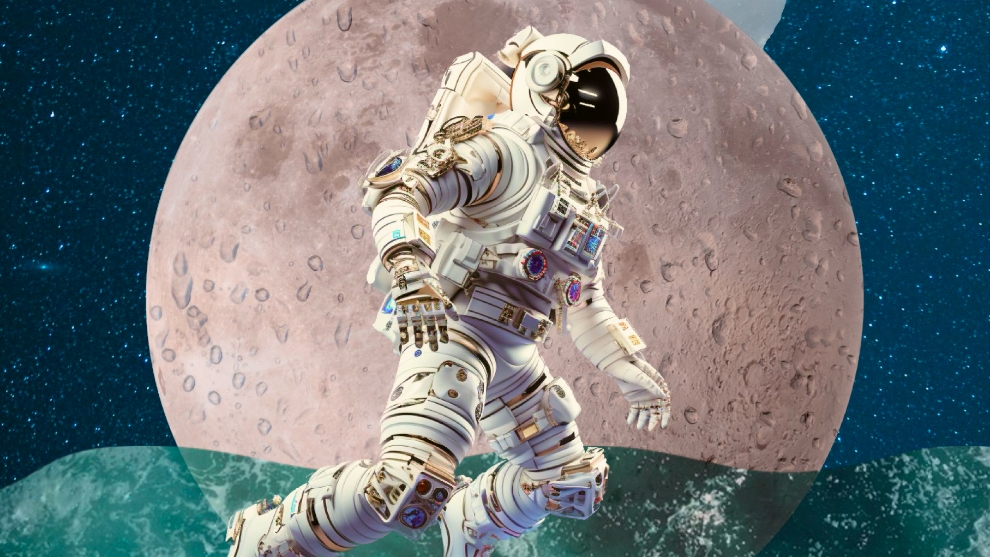
Canadian Strategic Missions Corporation awarded $400K in Aqualunar Challenge
Canadian Strategic Missions Corporation received a $400,000 grand prize from the Canadian Space Agency (CSA) as part of the Aqualunar Challenge. This initiative, in collaboration with the Privy Council Office’s Impact Canada Initiative, aims to foster innovative solutions for lunar exploration. CSMC's achievement highlights the growing support for Canadian contributions to space technology development.
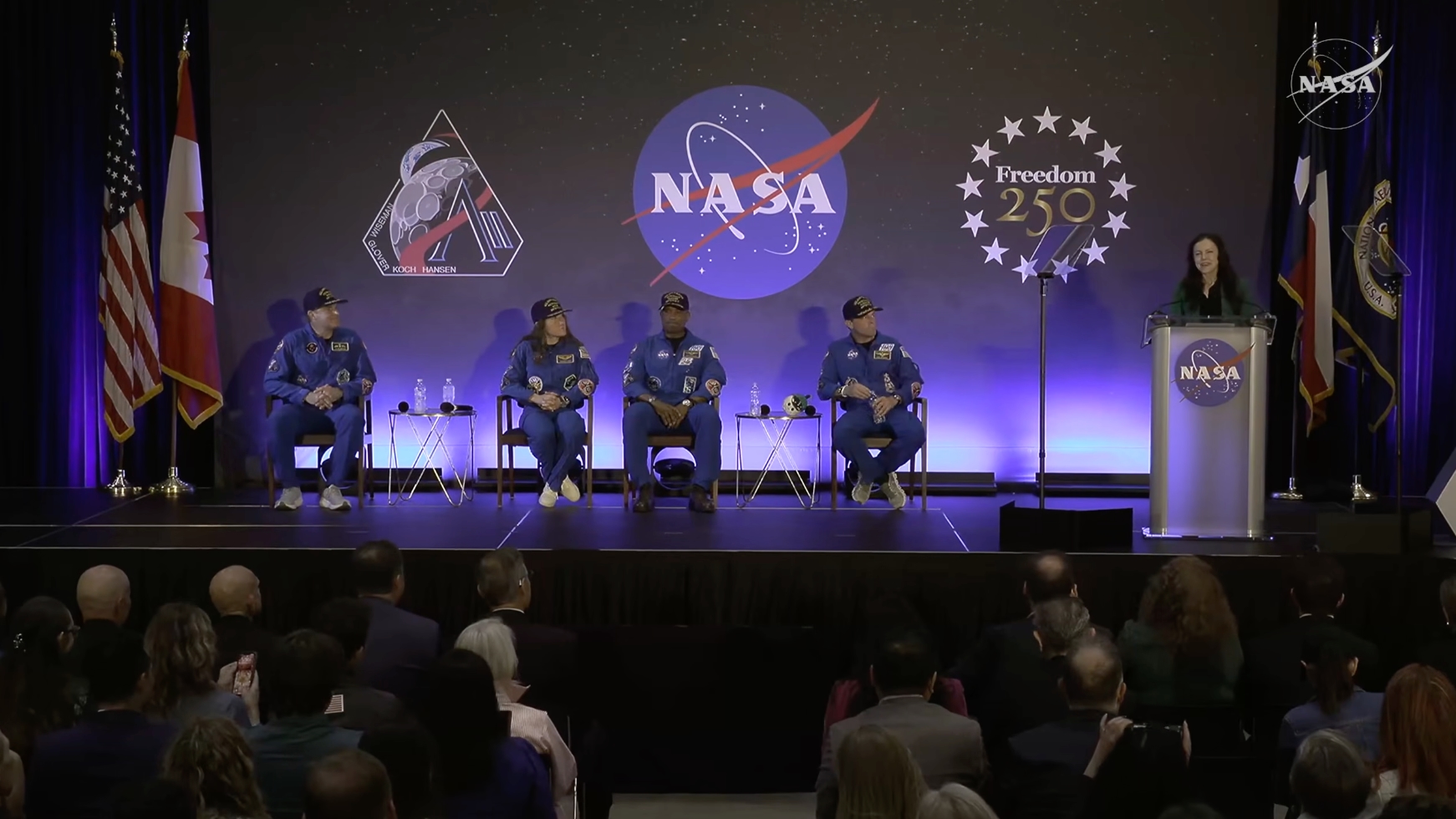
Artemis 2 crew returns to Houston, passing the baton
NASA's Artemis 2 crew, comprising astronauts Reid Wiseman, Victor Glover, Christina Koch, and Jeremy Hansen from the Canadian Space Agency, returned to Houston less than 24 hours post-splashdown in the Pacific Ocean. This marks a significant milestone in the Artemis program, transitioning responsibilities as the mission prepares for future lunar exploration endeavors and crew training activities.
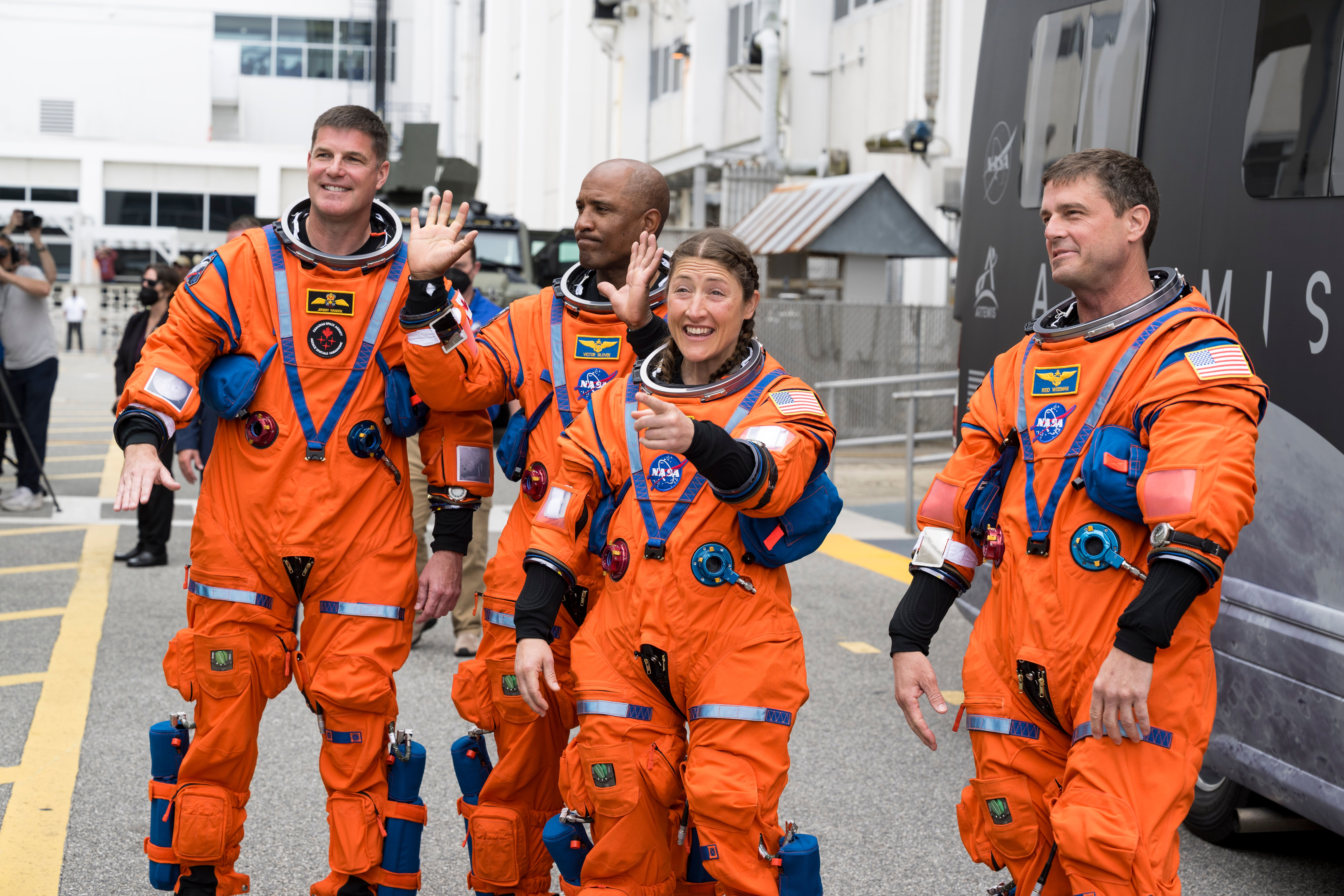
They’re Home! Artemis II is Back on Earth
NASA's Artemis II crew, including astronauts Reid Wiseman, Victor Glover, and Christina Koch, successfully returned to Earth after completing the first lunar flyby since 1972. This mission marks a significant milestone in lunar exploration, showcasing advancements in crewed spaceflight and international collaboration with the Canadian Space Agency. The mission's success sets the stage for future lunar endeavors.
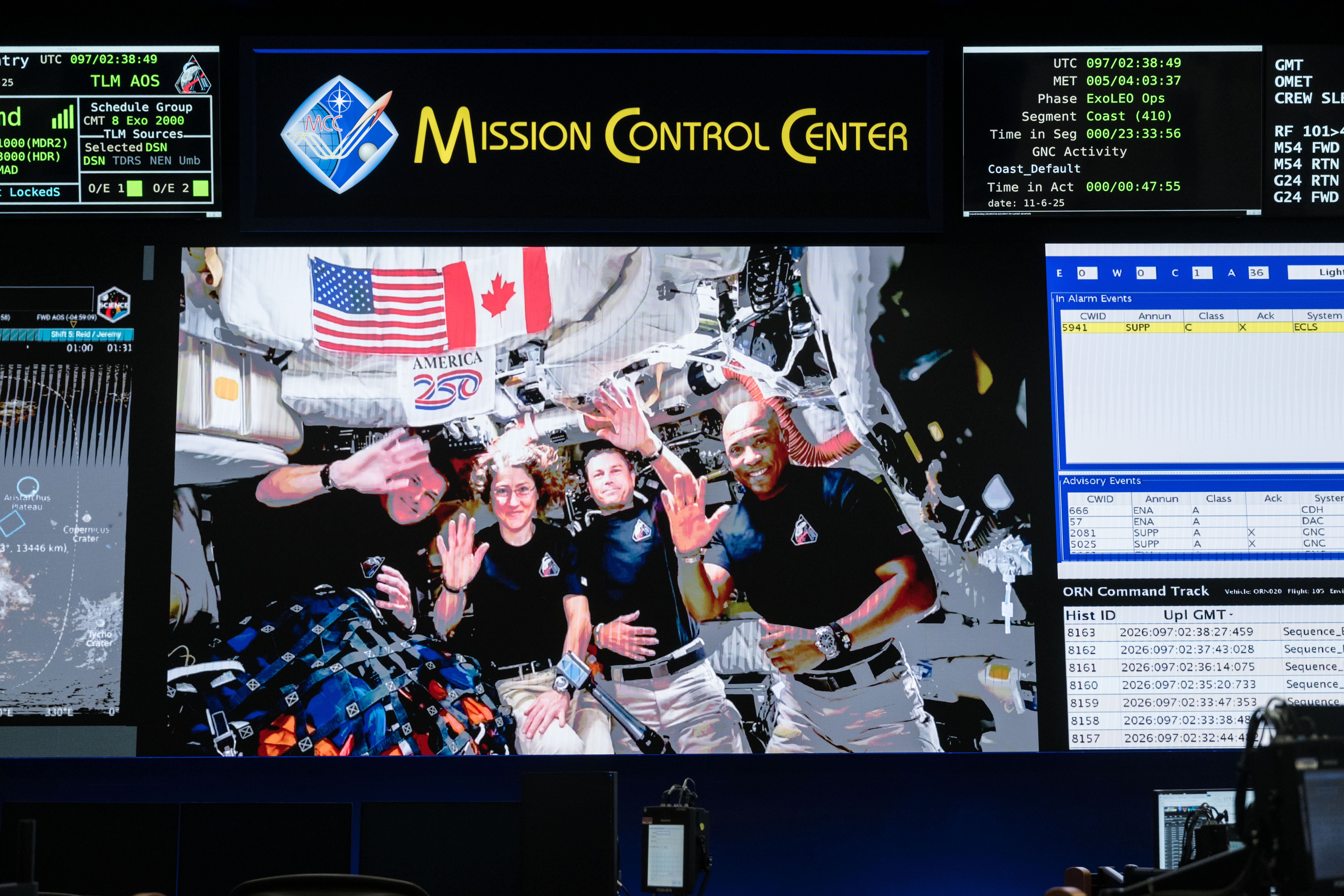
Artemis II Flight Day 10: Crew Sets for Final Burn, Splashdown
Artemis II crew, including NASA astronauts Christina Koch, Reid Wiseman, and Victor Glover, along with Jeremy Hansen from the Canadian Space Agency, prepared for their final burn and splashdown on April 10, 2026. Splashdown is targeted for 8:07 p.m. EDT off San Diego after a 694,481-mile journey, marking a significant milestone in lunar exploration.
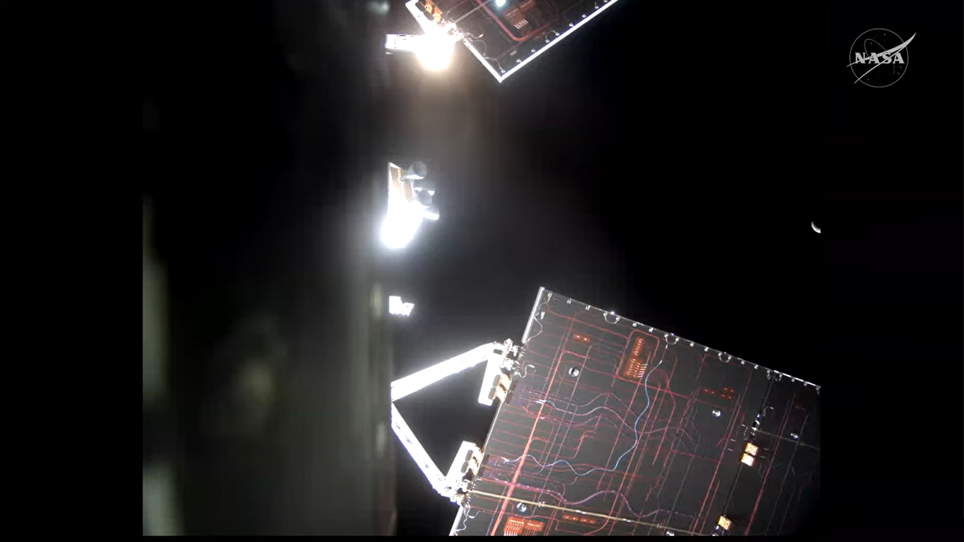
Artemis II Flight Day 7: First Return Correction Burn Complete
NASA's Orion spacecraft, named Integrity, successfully completed its first return correction burn on Flight Day 7, igniting thrusters for 15 seconds at 8:03 p.m. EDT, achieving a velocity change of 1.6 feet-per-second. Christina Koch and Jeremy Hansen monitored the spacecraft's systems, while the crew prepares for upcoming flight test objectives and return tasks on April 8.
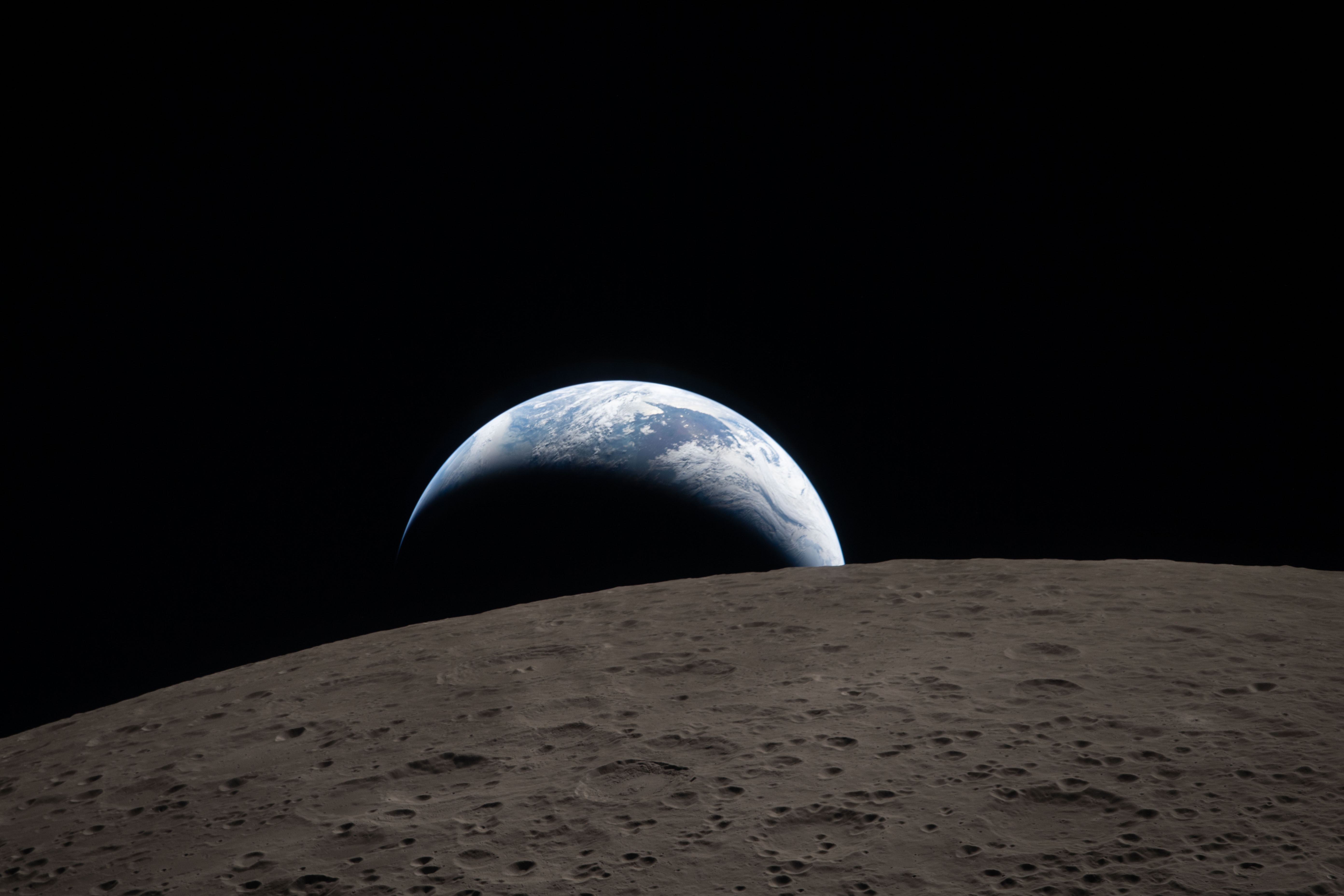
Artemis II Flight Day 7: Crew Makes Long‑Distance Call, Begins Return
NASA's Artemis II crew, including astronauts Reid Wiseman, Victor Glover, Christina Koch, and Jeremy Hansen, began their return journey after a lunar flyby on April 6, 2026. They will exit the Moon's gravity at 1:23 p.m. EDT, followed by a call with ISS astronauts at 2:40 p.m. and a trajectory correction burn at 9:03 p.m.
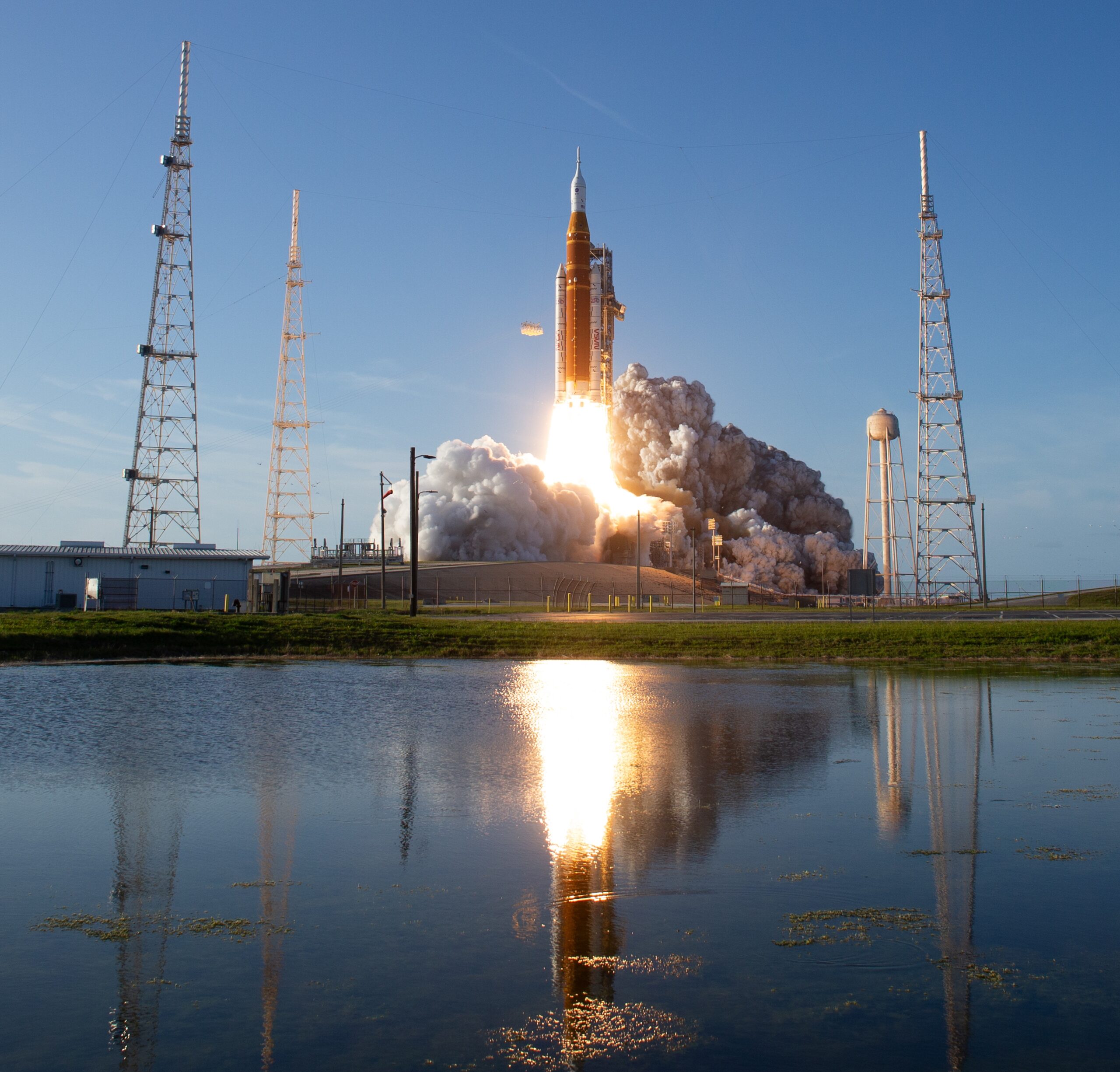
Witnessing lift off of first humans to venture to the Moon since 1972
NASA’s Artemis II mission successfully launched on April 1, 2026, carrying four astronauts aboard the SLS rocket from Kennedy Space Center. This historic flight marks the first crewed lunar mission since 1972, featuring Jeremy Hansen, Christina Koch, and Victor Glover. The mission includes a 10-day journey around the Moon, showcasing significant milestones for space exploration.