U.S. Space Force
agencyBranch of the US Armed Forces responsible for national-security space.
Events · 6
People · 22
Articles · 24
view in feed →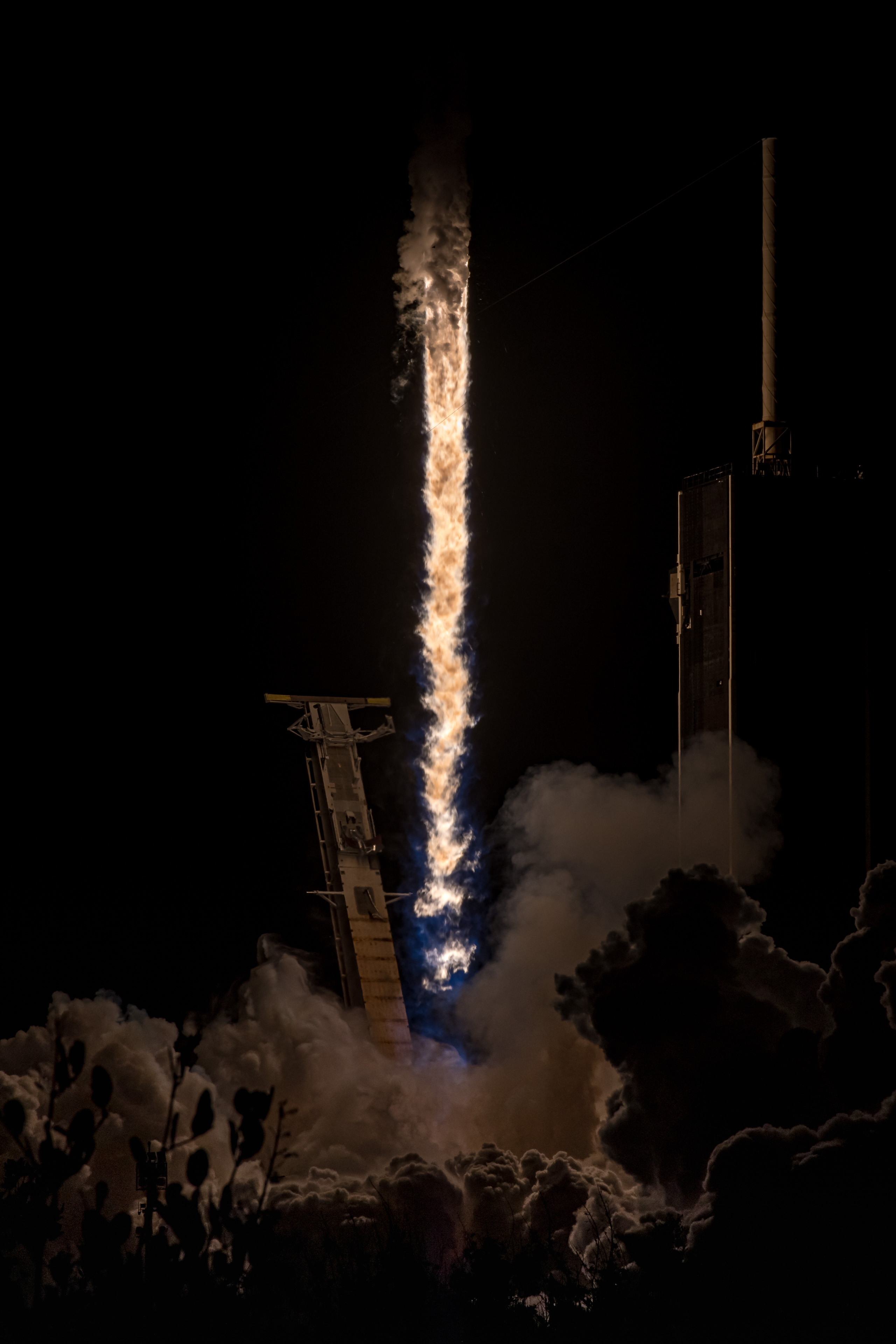
Two launches by SpaceX
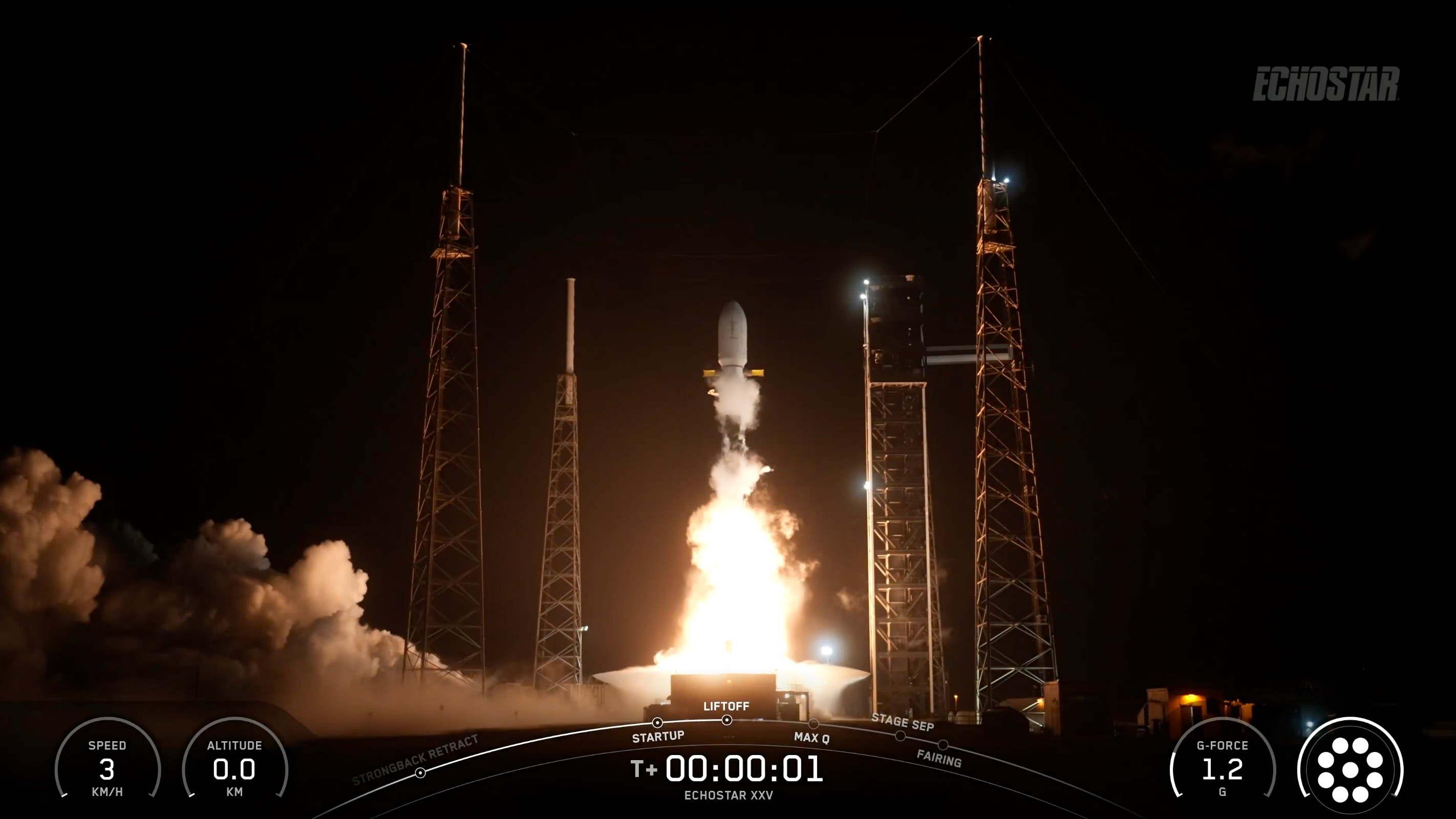
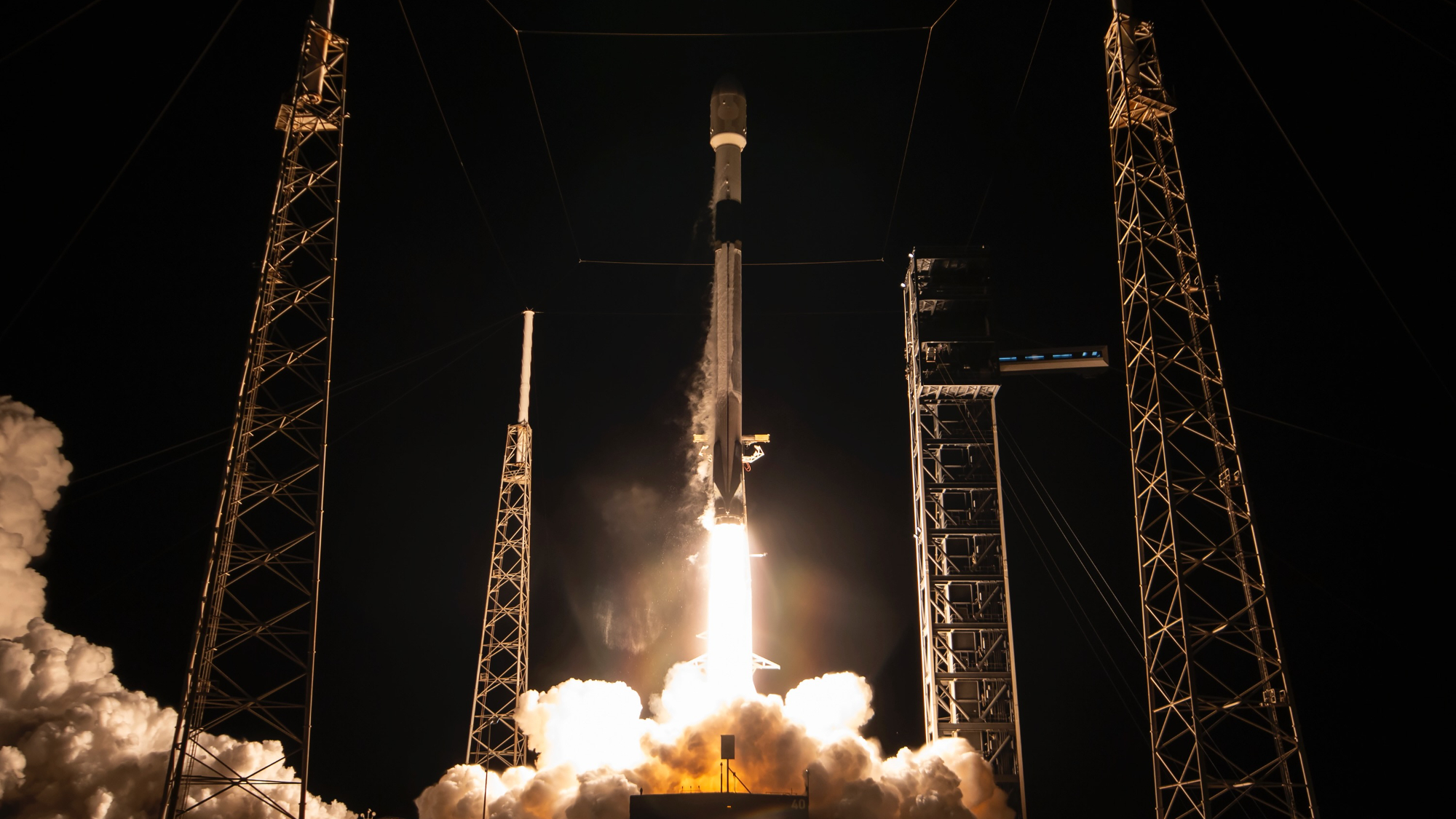
SpaceX completed two launches on April 20 and 21, 2026. The first launch deployed 25 Starlink satellites using Falcon 9, marking its first stage's 8th flight. The second launch delivered a GPS satellite for the Space Force, with the first stage completing its 7th flight. This shift from ULA to SpaceX marked the fastest contract-to-launch timeline for the Space Force.

Live coverage: SpaceX to launch final GPS III satellite for the U.S. Space Force
SpaceX's Falcon 9 rocket is set to launch the final GPS III satellite, designated Space Vehicle 10 (SV10), for the U.S. Space Force on April 20, 2026. Liftoff from Cape Canaveral is scheduled for 2:53:25 a.m. EDT. This mission utilizes booster B1095, marking its seventh flight, and aims for recovery on the drone ship 'Just Read the Instructions.'

Space Force kills OCX GPS ground control system, citing ‘insurmountable’ challenges
Space Force has cancelled the Next Generation Operational Control System (OCX) contract due to insurmountable challenges, as announced on April 17th. The program, managed by RTX, incurred costs of $6.27 billion, significantly exceeding initial estimates. Moving forward, the Space Force will enhance the existing GPS ground system, awarding Lockheed Martin a $105 million contract for related upgrades.

Pentagon officially ends OCX program, citing risk and delays
Pentagon officially terminated the OCX program on April 20, concluding a 15-year effort to modernize the Global Positioning System ground system. The decision, made on April 17, cited unacceptable risks and delays. The Space Force awarded Lockheed Martin a $105 million contract to upgrade the existing Architecture Evolution Plan system to support newer GPS satellites.
USSF terminates program for the Global Positioning System Next Generation Operational Control System
USSF has officially terminated the Global Positioning System Next Generation Operational Control System program due to its failure to deliver essential capabilities within an operationally relevant timeline. The program did not meet the necessary risk levels required to fulfill the modernization needs of the GPS constellation, prompting this decisive action by the U.S. Space Force.
USSF terminates contract for the Global Positioning System Next Generation Operational Control System
USSF has terminated the contract for the Global Positioning System Next Generation Operational Control System due to its failure to deliver essential capabilities within an operationally relevant timeline. This decision reflects the need to mitigate risks associated with the modernization of the GPS constellation, ensuring that future systems meet the required performance standards and timelines.

Meink: Space Force Programs Ready to Execute Once FY27 Budget Lands
Troy Meink announced that multiple Space Force programs, including the Space Air Moving Target Indicator (AMTI), are poised for execution pending the FY27 budget approval. The acquisition structure will adopt a program acquisition executive model, enhancing efficiency. Initial task orders for AMTI are expected soon, with a focus on affordability and rapid development through sustained competition.
Saltzman Rolls Out Space Force Objective Force, Flags CR as Top Risk
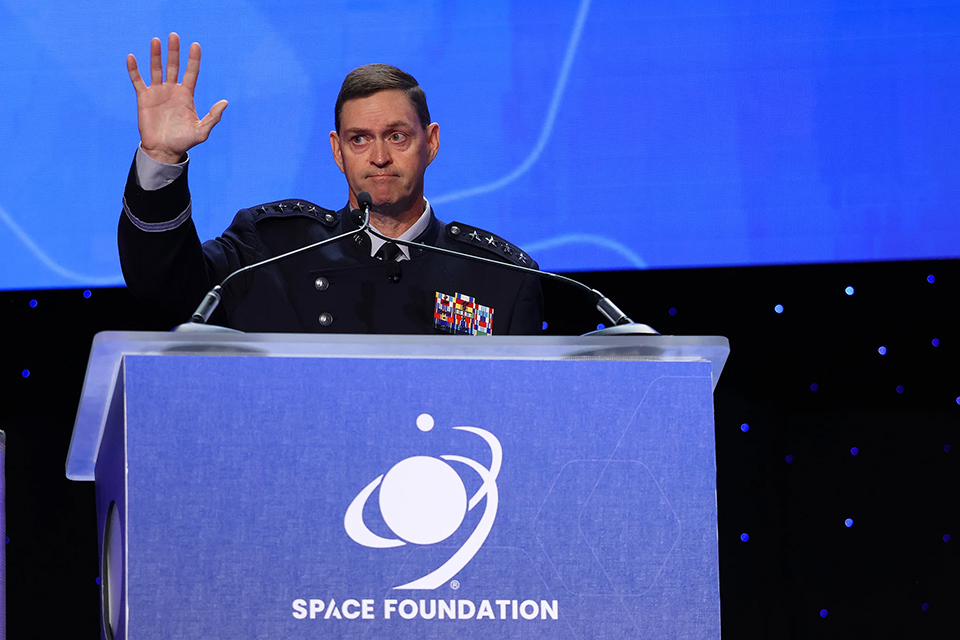
Gen. B. Chance Saltzman outlined the Space Force's Objective Force and Future Operating Environment documents at Space Symposium 2026, emphasizing growth and procurement strategies through 2040. He projected up to 30,000 satellites by 2040, with a focus on deterrence over sheer numbers. Saltzman flagged continuing resolutions as a top risk to funding and program execution.

With eyes on future NASA moon base, Space Force launches cislunar acquisition task force
Space Force is establishing a new Cislunar Coordination Office to support NASA's planned lunar base, as announced by Maj. Gen. Stephen Purdy. This initiative follows President Trump's Executive Order aimed at creating a permanent lunar outpost by 2030. The office will be led by Jamie Stearns, focusing on technology acquisition and collaboration with industry and government entities.

Space Force sets up ‘cislunar coordination’ office to focus beyond Earth orbit
U.S. Space Force is establishing a cislunar coordination office to enhance acquisition efforts for operations beyond Earth orbit. Maj. Gen. Stephen Purdy emphasized the need for integrating cislunar capabilities, reflecting the executive order from December 2025. Jaime Stearns will lead the office, focusing on collaboration with NASA and other agencies to ensure national security in cislunar space.